

-
-
ProductsOur products are used in mining, metallurgy, chemical industry, building materials, construction, railway, highway construction and other industries and departments. With superior cost performance, every user can buy more aff

-
CasesOur products are used in mining, metallurgy, chemical industry, building materials, construction, railway, highway construction and other industries and departments. With superior cost performance, every user can buy more aff
-


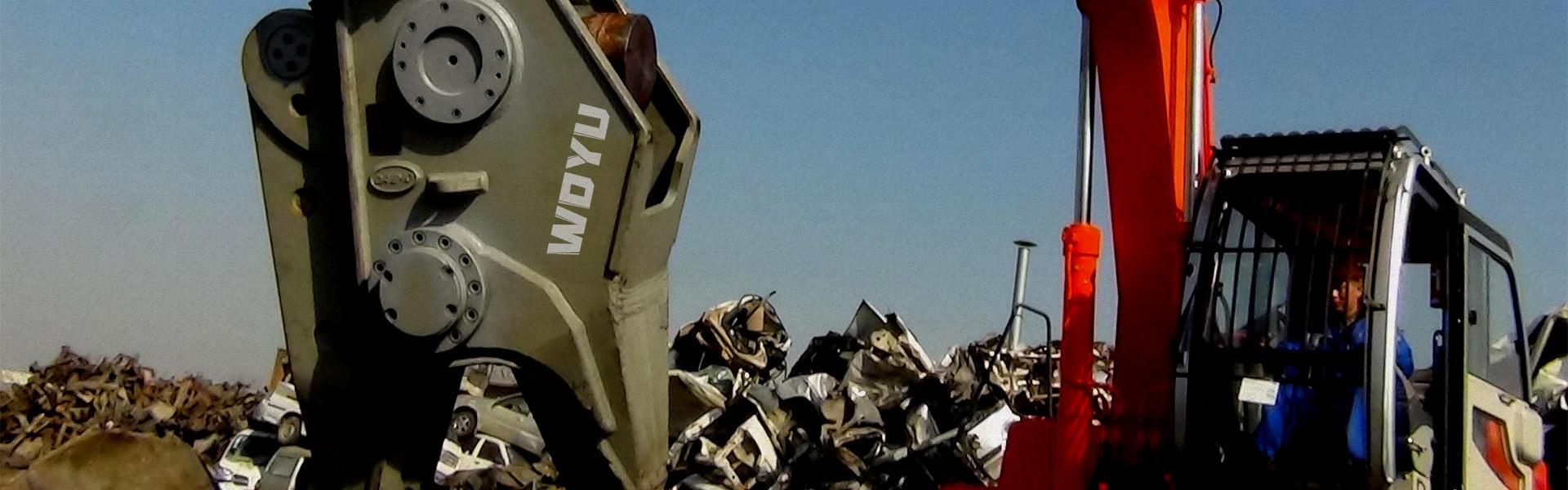
Woyu mechanical equipment
Various types of wood grabs (steel and stone), crushing pliers, double cylinder shears, hydraulic suction cups and other accessories
05
2024
-
01
The Science Behind Crushing Buckets: Revolutionizing the Construction Industry
Introduction:
Crushing buckets have emerged as a groundbreaking tool in the construction industry, transforming the way engineers and construction professionals approach excavation and demolition projects. In this article, we explore the science and technology behind these efficient attachments and their potential to revolutionize the construction landscape.
Understanding Crushing Buckets:
Crushing buckets, also known as crusher buckets or screening buckets, are heavy-duty attachments designed to fit onto excavators. These buckets incorporate a variety of cutting-edge technologies to enhance their functionality and efficiency. Their primary purpose is to crush, pulverize, and sort different types of materials, such as concrete, rocks, and debris, directly at the construction site.
Innovative Design and Functionality:
Crushing buckets are equipped with powerful hydraulic systems that enable them to exert immense force and pressure. They feature a unique jaw-like structure that opens and closes to grip and crush materials effectively. The design allows for quick and efficient processing, reducing the need for manual labor and separate crushing machinery.
Enhanced Safety and Environmental Benefits:
One of the key advantages of using crushing buckets is the improved safety they provide. By eliminating the need for separate crushing equipment and reducing manual handling, these attachments minimize the risk of accidents and injuries on construction sites. Additionally, crushing buckets contribute to a more sustainable approach to construction, as they allow for on-site recycling and the reuse of materials, reducing waste and environmental impact.
Versatile Applications:
Crushing buckets have a wide range of applications across different industries. In construction, they are commonly used for demolishing structures, crushing concrete and rocks, and preparing construction sites. In mining, these buckets can be utilized for excavating and processing ores and minerals. Their versatility makes them an indispensable tool in various projects, enabling efficient material handling and processing.
Future Developments and Advancements:
As technology continues to advance, crushing buckets are likely to witness further improvements and enhancements. Manufacturers are constantly researching and developing new materials, designs, and functionalities to optimize performance and meet the evolving needs of the industry. These innovations may include improved crushing mechanisms, enhanced durability, and increased compatibility with different excavator models.
Conclusion:
Crushing buckets have revolutionized the construction industry by providing a more efficient, safer, and environmentally friendly approach to material processing. Their advanced technology and versatile applications make them invaluable tools for professionals in the engineering and construction machinery sector. As the industry continues to evolve, the science and innovation behind crushing buckets will undoubtedly play a crucial role in shaping the future of construction.
Crushing buckets have emerged as a groundbreaking tool in the construction industry, transforming the way engineers and construction professionals approach excavation and demolition projects. In this article, we explore the science and technology behind these efficient attachments and their potential to revolutionize the construction landscape.
Understanding Crushing Buckets:
Crushing buckets, also known as crusher buckets or screening buckets, are heavy-duty attachments designed to fit onto excavators. These buckets incorporate a variety of cutting-edge technologies to enhance their functionality and efficiency. Their primary purpose is to crush, pulverize, and sort different types of materials, such as concrete, rocks, and debris, directly at the construction site.
Innovative Design and Functionality:
Crushing buckets are equipped with powerful hydraulic systems that enable them to exert immense force and pressure. They feature a unique jaw-like structure that opens and closes to grip and crush materials effectively. The design allows for quick and efficient processing, reducing the need for manual labor and separate crushing machinery.
Enhanced Safety and Environmental Benefits:
One of the key advantages of using crushing buckets is the improved safety they provide. By eliminating the need for separate crushing equipment and reducing manual handling, these attachments minimize the risk of accidents and injuries on construction sites. Additionally, crushing buckets contribute to a more sustainable approach to construction, as they allow for on-site recycling and the reuse of materials, reducing waste and environmental impact.
Versatile Applications:
Crushing buckets have a wide range of applications across different industries. In construction, they are commonly used for demolishing structures, crushing concrete and rocks, and preparing construction sites. In mining, these buckets can be utilized for excavating and processing ores and minerals. Their versatility makes them an indispensable tool in various projects, enabling efficient material handling and processing.
Future Developments and Advancements:
As technology continues to advance, crushing buckets are likely to witness further improvements and enhancements. Manufacturers are constantly researching and developing new materials, designs, and functionalities to optimize performance and meet the evolving needs of the industry. These innovations may include improved crushing mechanisms, enhanced durability, and increased compatibility with different excavator models.
Conclusion:
Crushing buckets have revolutionized the construction industry by providing a more efficient, safer, and environmentally friendly approach to material processing. Their advanced technology and versatile applications make them invaluable tools for professionals in the engineering and construction machinery sector. As the industry continues to evolve, the science and innovation behind crushing buckets will undoubtedly play a crucial role in shaping the future of construction.
Satisfied with the service

Product information and technical knowledge
Hebei Woyu