

-
-
ProductsOur products are used in mining, metallurgy, chemical industry, building materials, construction, railway, highway construction and other industries and departments. With superior cost performance, every user can buy more aff

-
CasesOur products are used in mining, metallurgy, chemical industry, building materials, construction, railway, highway construction and other industries and departments. With superior cost performance, every user can buy more aff
-


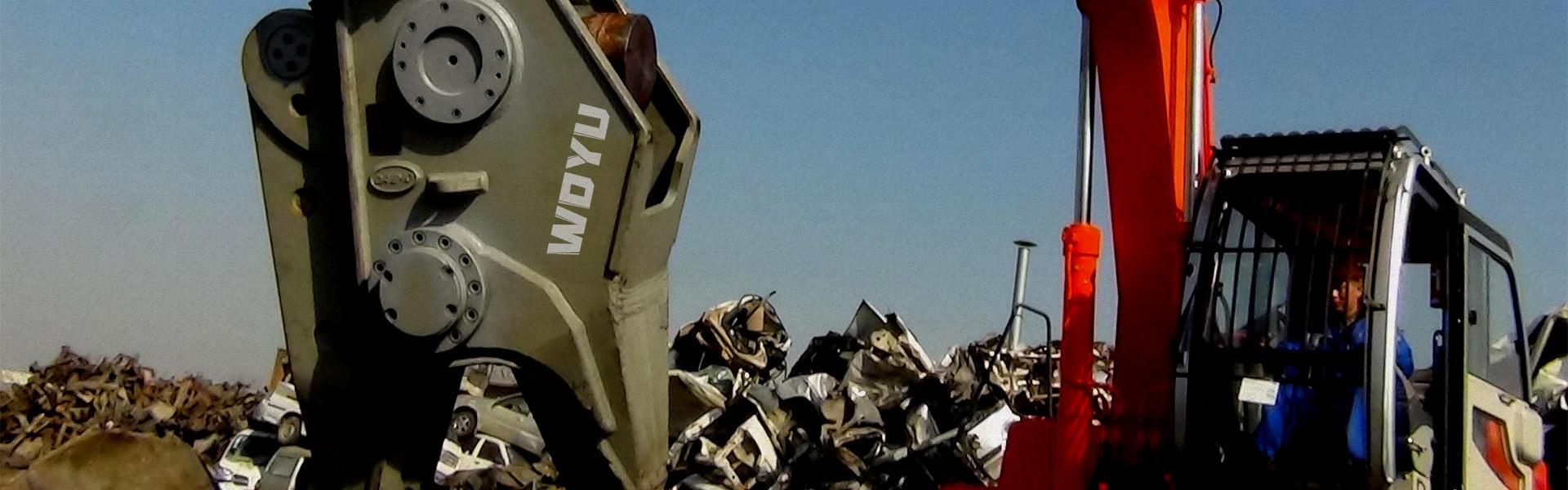
Woyu mechanical equipment
Various types of wood grabs (steel and stone), crushing pliers, double cylinder shears, hydraulic suction cups and other accessories
05
2024
-
01
Unleash the Power of a Crushing Bucket: Boosting Efficiency on Construction Sites
Table of Contents:
1. Introduction: The Need for Efficient Construction Techniques
2. What is a Crushing Bucket?
3. How Does a Crushing Bucket Work?
4. Advantages of Using a Crushing Bucket
5. Types of Crushing Buckets and Their Applications
6. Key Considerations before Using a Crushing Bucket
7. Frequently Asked Questions (FAQs)
8. Conclusion
1. Introduction: The Need for Efficient Construction Techniques
In today's fast-paced construction industry, time is of the essence. Project deadlines, tight budgets, and the constant demand for productivity challenge construction professionals to seek innovative solutions. One such solution is the use of a crushing bucket, a powerful tool that can significantly boost efficiency on construction sites. By optimizing material handling and reducing waste, construction companies can streamline operations and achieve better results in less time.
2. What is a Crushing Bucket?
A crushing bucket is a specialized attachment that fits onto heavy machinery such as excavators and loaders. It is designed to crush and transform various materials, including concrete, rubble, asphalt, and natural stone, into reusable aggregates. Unlike traditional crushing methods, which require separate machinery and additional labor, a crushing bucket allows for on-site processing of materials, eliminating the need for transportation and reducing costs.
3. How Does a Crushing Bucket Work?
Equipped with powerful jaws or crushers, a crushing bucket effortlessly breaks down materials into smaller pieces. The attachment is connected to the heavy machinery's hydraulic system, providing the necessary force to crush even the toughest materials. With precise control over crushing capabilities, operators can adjust the size of the output material, making it suitable for specific construction applications.
4. Advantages of Using a Crushing Bucket
4.1 Increased Efficiency: By allowing on-site processing of materials, a crushing bucket eliminates the need for transportation to off-site facilities. This reduces downtime and optimizes productivity, enabling construction teams to complete projects faster.
4.2 Cost Savings: With a crushing bucket, there is no need to purchase, transport, or dispose of additional materials. The ability to recycle and reuse on-site materials significantly reduces costs associated with material acquisition and waste management.
4.3 Environmental Benefits: By recycling materials on-site, a crushing bucket promotes sustainable construction practices. It minimizes the need for new raw materials, reduces carbon emissions from transportation, and decreases the overall environmental impact of construction projects.
4.4 Versatility: Crushing buckets can handle a wide range of materials and applications. From demolishing structures to preparing aggregates for road construction, this versatile attachment can adapt to various project requirements, making it a valuable asset in any construction site.
5. Types of Crushing Buckets and Their Applications
5.1 Standard Crushing Buckets: These buckets are suitable for crushing materials of medium hardness, such as concrete and asphalt. They are commonly used in general construction projects where versatility and efficiency are essential.
5.2 Heavy-duty Crushing Buckets: Designed for tackling heavy-duty applications, these buckets are ideal for crushing hard and abrasive materials like natural stone and rock. They are commonly used in mining, quarrying, and large-scale construction projects.
5.3 Screening Buckets: In addition to crushing, some buckets also have screening capabilities. These buckets can separate different-sized materials, allowing for the production of multiple aggregates simultaneously.
6. Key Considerations before Using a Crushing Bucket
Before incorporating a crushing bucket into your construction operations, several factors should be considered:
6.1 Compatibility: Ensure that the crushing bucket is compatible with your existing machinery. Check the weight and hydraulic requirements of the attachment to ensure a seamless fit.
6.2 Operator Training: Proper training is crucial to maximize the benefits of a crushing bucket. Operators should be familiar with the equipment's functionalities, safety guidelines, and maintenance procedures.
6.3 Maintenance and Support: Regular maintenance and prompt support from the manufacturer or supplier are essential for keeping the crushing bucket in optimal condition. Consider the availability of spare parts and technical assistance when choosing a supplier.
7. Frequently Asked Questions (FAQs)
7.1 How does a crushing bucket improve construction site efficiency?
7.2 Can a crushing bucket handle different types of materials?
7.3 What are the size adjustments available with a crushing bucket?
7.4 Is operator training required to operate a crushing bucket?
7.5 How can I ensure the longevity of my crushing bucket?
Conclusion:
In conclusion, a crushing bucket is a game-changing tool that can unleash the power of efficiency on construction sites. With its ability to process materials on-site and its numerous advantages such as increased productivity, cost savings, and environmental benefits, it has become an invaluable asset for construction professionals. By embracing this innovative equipment, you can optimize your operations, reduce waste, and take your construction projects to new heights. Embrace the power of a crushing bucket and revolutionize your construction site efficiency today.
1. Introduction: The Need for Efficient Construction Techniques
2. What is a Crushing Bucket?
3. How Does a Crushing Bucket Work?
4. Advantages of Using a Crushing Bucket
5. Types of Crushing Buckets and Their Applications
6. Key Considerations before Using a Crushing Bucket
7. Frequently Asked Questions (FAQs)
8. Conclusion
1. Introduction: The Need for Efficient Construction Techniques
In today's fast-paced construction industry, time is of the essence. Project deadlines, tight budgets, and the constant demand for productivity challenge construction professionals to seek innovative solutions. One such solution is the use of a crushing bucket, a powerful tool that can significantly boost efficiency on construction sites. By optimizing material handling and reducing waste, construction companies can streamline operations and achieve better results in less time.
2. What is a Crushing Bucket?
A crushing bucket is a specialized attachment that fits onto heavy machinery such as excavators and loaders. It is designed to crush and transform various materials, including concrete, rubble, asphalt, and natural stone, into reusable aggregates. Unlike traditional crushing methods, which require separate machinery and additional labor, a crushing bucket allows for on-site processing of materials, eliminating the need for transportation and reducing costs.
3. How Does a Crushing Bucket Work?
Equipped with powerful jaws or crushers, a crushing bucket effortlessly breaks down materials into smaller pieces. The attachment is connected to the heavy machinery's hydraulic system, providing the necessary force to crush even the toughest materials. With precise control over crushing capabilities, operators can adjust the size of the output material, making it suitable for specific construction applications.
4. Advantages of Using a Crushing Bucket
4.1 Increased Efficiency: By allowing on-site processing of materials, a crushing bucket eliminates the need for transportation to off-site facilities. This reduces downtime and optimizes productivity, enabling construction teams to complete projects faster.
4.2 Cost Savings: With a crushing bucket, there is no need to purchase, transport, or dispose of additional materials. The ability to recycle and reuse on-site materials significantly reduces costs associated with material acquisition and waste management.
4.3 Environmental Benefits: By recycling materials on-site, a crushing bucket promotes sustainable construction practices. It minimizes the need for new raw materials, reduces carbon emissions from transportation, and decreases the overall environmental impact of construction projects.
4.4 Versatility: Crushing buckets can handle a wide range of materials and applications. From demolishing structures to preparing aggregates for road construction, this versatile attachment can adapt to various project requirements, making it a valuable asset in any construction site.
5. Types of Crushing Buckets and Their Applications
5.1 Standard Crushing Buckets: These buckets are suitable for crushing materials of medium hardness, such as concrete and asphalt. They are commonly used in general construction projects where versatility and efficiency are essential.
5.2 Heavy-duty Crushing Buckets: Designed for tackling heavy-duty applications, these buckets are ideal for crushing hard and abrasive materials like natural stone and rock. They are commonly used in mining, quarrying, and large-scale construction projects.
5.3 Screening Buckets: In addition to crushing, some buckets also have screening capabilities. These buckets can separate different-sized materials, allowing for the production of multiple aggregates simultaneously.
6. Key Considerations before Using a Crushing Bucket
Before incorporating a crushing bucket into your construction operations, several factors should be considered:
6.1 Compatibility: Ensure that the crushing bucket is compatible with your existing machinery. Check the weight and hydraulic requirements of the attachment to ensure a seamless fit.
6.2 Operator Training: Proper training is crucial to maximize the benefits of a crushing bucket. Operators should be familiar with the equipment's functionalities, safety guidelines, and maintenance procedures.
6.3 Maintenance and Support: Regular maintenance and prompt support from the manufacturer or supplier are essential for keeping the crushing bucket in optimal condition. Consider the availability of spare parts and technical assistance when choosing a supplier.
7. Frequently Asked Questions (FAQs)
7.1 How does a crushing bucket improve construction site efficiency?
7.2 Can a crushing bucket handle different types of materials?
7.3 What are the size adjustments available with a crushing bucket?
7.4 Is operator training required to operate a crushing bucket?
7.5 How can I ensure the longevity of my crushing bucket?
Conclusion:
In conclusion, a crushing bucket is a game-changing tool that can unleash the power of efficiency on construction sites. With its ability to process materials on-site and its numerous advantages such as increased productivity, cost savings, and environmental benefits, it has become an invaluable asset for construction professionals. By embracing this innovative equipment, you can optimize your operations, reduce waste, and take your construction projects to new heights. Embrace the power of a crushing bucket and revolutionize your construction site efficiency today.
Satisfied with the service

Product information and technical knowledge
Hebei Woyu