

-
-
ProductsOur products are used in mining, metallurgy, chemical industry, building materials, construction, railway, highway construction and other industries and departments. With superior cost performance, every user can buy more aff

-
CasesOur products are used in mining, metallurgy, chemical industry, building materials, construction, railway, highway construction and other industries and departments. With superior cost performance, every user can buy more aff
-


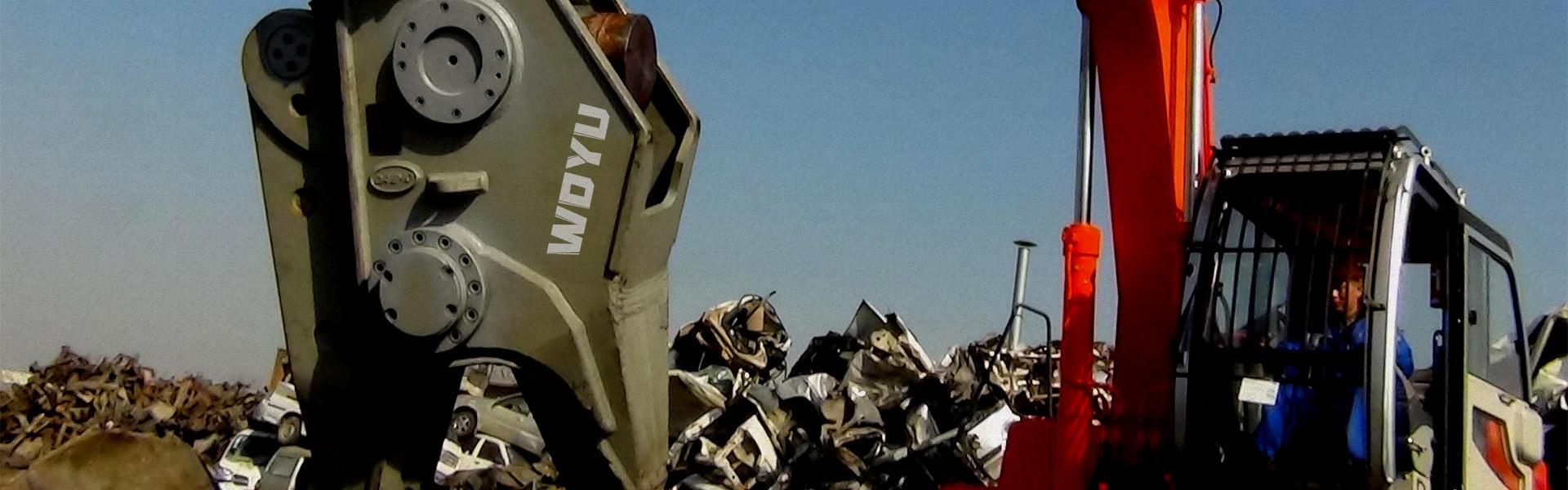
Woyu mechanical equipment
Various types of wood grabs (steel and stone), crushing pliers, double cylinder shears, hydraulic suction cups and other accessories
05
2024
-
01
Crushing Bucket 101: Everything You Need to Know about this Essential Construction Equipment.
Table of Contents:
1. Introduction: What is a Crushing Bucket?
2. How Does a Crushing Bucket Work?
3. Types of Crushing Buckets
4. Advantages of Using a Crushing Bucket
5. Factors to Consider When Choosing a Crushing Bucket
6. How to Properly Maintain a Crushing Bucket
7. Common FAQs about Crushing Buckets
a. What materials can a crushing bucket handle?
b. Can a crushing bucket be used for multiple applications?
c. What size crushing bucket should I choose?
d. How do I know when to replace the crushing bucket teeth?
e. Are there any safety precautions to consider when operating a crushing bucket?
8. Conclusion
A crushing bucket is a specialized attachment that is commonly used in the construction industry. It is designed to fit onto excavators, allowing them to crush and break down various materials such as concrete, rocks, bricks, and asphalt. By utilizing the crushing bucket, construction professionals can efficiently and effectively demolish structures, clear sites, and recycle materials.
The operation of a crushing bucket is relatively straightforward. It is attached to the excavator's arm and powered by its hydraulic system. The bucket features a set of jaws or teeth that exert pressure and force on the material being crushed. The excavator operator controls the crushing bucket's movements and can adjust the pressure applied to ensure optimal performance.
There are several types of crushing buckets available in the market, each designed to cater to specific needs and applications. Some common types include:
- Standard Crushing Buckets: These are versatile buckets suitable for general crushing and demolition tasks.
- Screening Buckets: These buckets have a built-in sieve or mesh screen that allows the operator to separate and screen materials on-site.
- Crushing and Pulverizing Buckets: These specialized buckets can crush and pulverize materials, making them ideal for recycling and repurposing applications.
Using a crushing bucket offers numerous advantages for construction professionals. Some of the key benefits include:
- Time and Cost Savings: Crushing buckets enable efficient demolition and recycling processes, saving time and reducing labor costs.
- Versatility: These attachments can handle various materials, making them suitable for a wide range of applications.
- Environmentally Friendly: Crushing buckets promote sustainable construction practices by allowing for the reuse of materials.
- Increased Productivity: With the ability to crush materials on-site, construction projects can progress more quickly, leading to higher productivity.
When selecting a crushing bucket, it is important to consider several factors to ensure it meets your specific requirements. Some factors to consider include:
- Excavator Compatibility: Ensure that the crushing bucket is compatible with your excavator's specifications and weight capacity.
- Crushing Capacity: Evaluate the bucket's crushing capacity to ensure it can handle the volume and type of materials you work with.
- Bucket Size: Consider the bucket's size in relation to the type of construction projects you undertake.
- Durability and Strength: Look for a crushing bucket made of high-quality materials that can withstand the demands of your work environment.
To prolong the lifespan and optimize the performance of a crushing bucket, regular maintenance is crucial. Here are some maintenance tips:
- Clean the bucket after each use to remove any debris or material residue.
- Inspect the bucket's teeth regularly and replace them when worn out.
- Check and lubricate the bucket's hydraulic components as recommended by the manufacturer.
- Store the crushing bucket in a clean and dry environment when not in use.
a. What materials can a crushing bucket handle?
Crushing buckets are designed to handle a wide range of materials, including concrete, asphalt, rocks, bricks, and more.
b. Can a crushing bucket be used for multiple applications?
Yes, crushing buckets are versatile attachments that can be used for various applications, including demolition, recycling, landscaping, and road construction.
c. What size crushing bucket should I choose?
The size of the crushing bucket depends on the capacity and size of the excavator, as well as the specific requirements of your projects. Consult with a professional to determine the appropriate size for your needs.
d. How do I know when to replace the crushing bucket teeth?
It is essential to regularly inspect the teeth for signs of wear and damage. Once the teeth become significantly worn or broken, they should be replaced to maintain optimal performance.
e. Are there any safety precautions to consider when operating a crushing bucket?
Yes, operating a crushing bucket requires adherence to safety guidelines. Operators should wear appropriate personal protective equipment and follow the manufacturer's instructions for safe operation.
In conclusion, a crushing bucket is a valuable tool for construction professionals, offering efficient and cost-effective solutions for crushing and recycling various materials. By understanding its functionality, advantages, and maintenance requirements, you can harness the full potential of this essential construction equipment. Choose the right crushing bucket for your needs, follow proper maintenance practices, and prioritize safety to maximize the benefits and longevity of your investment.
1. Introduction: What is a Crushing Bucket?
2. How Does a Crushing Bucket Work?
3. Types of Crushing Buckets
4. Advantages of Using a Crushing Bucket
5. Factors to Consider When Choosing a Crushing Bucket
6. How to Properly Maintain a Crushing Bucket
7. Common FAQs about Crushing Buckets
a. What materials can a crushing bucket handle?
b. Can a crushing bucket be used for multiple applications?
c. What size crushing bucket should I choose?
d. How do I know when to replace the crushing bucket teeth?
e. Are there any safety precautions to consider when operating a crushing bucket?
8. Conclusion
1. Introduction: What is a Crushing Bucket?
A crushing bucket is a specialized attachment that is commonly used in the construction industry. It is designed to fit onto excavators, allowing them to crush and break down various materials such as concrete, rocks, bricks, and asphalt. By utilizing the crushing bucket, construction professionals can efficiently and effectively demolish structures, clear sites, and recycle materials.
2. How Does a Crushing Bucket Work?
The operation of a crushing bucket is relatively straightforward. It is attached to the excavator's arm and powered by its hydraulic system. The bucket features a set of jaws or teeth that exert pressure and force on the material being crushed. The excavator operator controls the crushing bucket's movements and can adjust the pressure applied to ensure optimal performance.
3. Types of Crushing Buckets
There are several types of crushing buckets available in the market, each designed to cater to specific needs and applications. Some common types include:
- Standard Crushing Buckets: These are versatile buckets suitable for general crushing and demolition tasks.
- Screening Buckets: These buckets have a built-in sieve or mesh screen that allows the operator to separate and screen materials on-site.
- Crushing and Pulverizing Buckets: These specialized buckets can crush and pulverize materials, making them ideal for recycling and repurposing applications.
4. Advantages of Using a Crushing Bucket
Using a crushing bucket offers numerous advantages for construction professionals. Some of the key benefits include:
- Time and Cost Savings: Crushing buckets enable efficient demolition and recycling processes, saving time and reducing labor costs.
- Versatility: These attachments can handle various materials, making them suitable for a wide range of applications.
- Environmentally Friendly: Crushing buckets promote sustainable construction practices by allowing for the reuse of materials.
- Increased Productivity: With the ability to crush materials on-site, construction projects can progress more quickly, leading to higher productivity.
5. Factors to Consider When Choosing a Crushing Bucket
When selecting a crushing bucket, it is important to consider several factors to ensure it meets your specific requirements. Some factors to consider include:
- Excavator Compatibility: Ensure that the crushing bucket is compatible with your excavator's specifications and weight capacity.
- Crushing Capacity: Evaluate the bucket's crushing capacity to ensure it can handle the volume and type of materials you work with.
- Bucket Size: Consider the bucket's size in relation to the type of construction projects you undertake.
- Durability and Strength: Look for a crushing bucket made of high-quality materials that can withstand the demands of your work environment.
6. How to Properly Maintain a Crushing Bucket
To prolong the lifespan and optimize the performance of a crushing bucket, regular maintenance is crucial. Here are some maintenance tips:
- Clean the bucket after each use to remove any debris or material residue.
- Inspect the bucket's teeth regularly and replace them when worn out.
- Check and lubricate the bucket's hydraulic components as recommended by the manufacturer.
- Store the crushing bucket in a clean and dry environment when not in use.
7. Common FAQs about Crushing Buckets
a. What materials can a crushing bucket handle?
Crushing buckets are designed to handle a wide range of materials, including concrete, asphalt, rocks, bricks, and more.
b. Can a crushing bucket be used for multiple applications?
Yes, crushing buckets are versatile attachments that can be used for various applications, including demolition, recycling, landscaping, and road construction.
c. What size crushing bucket should I choose?
The size of the crushing bucket depends on the capacity and size of the excavator, as well as the specific requirements of your projects. Consult with a professional to determine the appropriate size for your needs.
d. How do I know when to replace the crushing bucket teeth?
It is essential to regularly inspect the teeth for signs of wear and damage. Once the teeth become significantly worn or broken, they should be replaced to maintain optimal performance.
e. Are there any safety precautions to consider when operating a crushing bucket?
Yes, operating a crushing bucket requires adherence to safety guidelines. Operators should wear appropriate personal protective equipment and follow the manufacturer's instructions for safe operation.
8. Conclusion
In conclusion, a crushing bucket is a valuable tool for construction professionals, offering efficient and cost-effective solutions for crushing and recycling various materials. By understanding its functionality, advantages, and maintenance requirements, you can harness the full potential of this essential construction equipment. Choose the right crushing bucket for your needs, follow proper maintenance practices, and prioritize safety to maximize the benefits and longevity of your investment.
Satisfied with the service

Product information and technical knowledge
Hebei Woyu