

-
-
ProductsOur products are used in mining, metallurgy, chemical industry, building materials, construction, railway, highway construction and other industries and departments. With superior cost performance, every user can buy more aff

-
CasesOur products are used in mining, metallurgy, chemical industry, building materials, construction, railway, highway construction and other industries and departments. With superior cost performance, every user can buy more aff
-


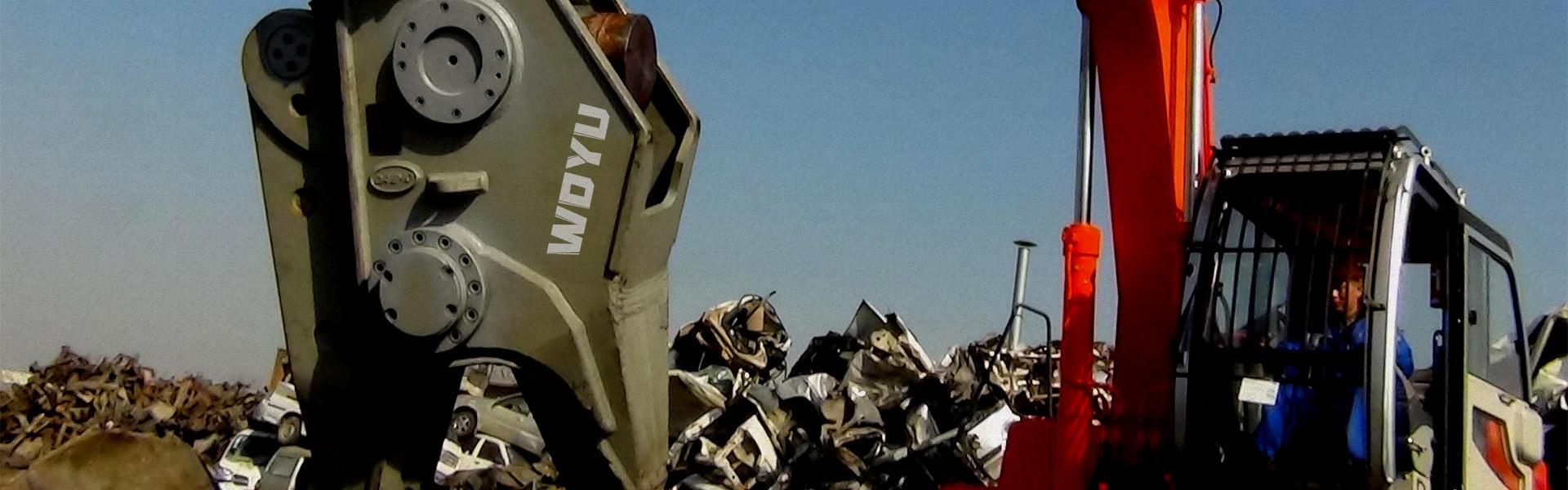
Woyu mechanical equipment
Various types of wood grabs (steel and stone), crushing pliers, double cylinder shears, hydraulic suction cups and other accessories
04
2024
-
01
Understanding Sleeper Machines in Rail Transportation Equipment
Introduction:
Sleeper machines play a vital role in the rail transportation equipment industry. As a crucial component of the track infrastructure, these machines are responsible for the installation and maintenance of sleepers, also known as railroad ties. This article delves into the world of sleeper machines, shedding light on their importance and functionality within the realm of rail transportation equipment.
1. What are Sleeper Machines?
Sleeper machines, also referred to as tie inserters or tie tampers, are specialized equipment used in the rail transportation industry for the placement and alignment of sleepers. Sleepers are essential to the stability and smooth operation of railway tracks, providing support to the rails and maintaining track gauge. Sleeper machines facilitate the efficient installation, replacement, and maintenance of these sleepers, ensuring the overall integrity of the rail network.
2. Functionality and Operation:
Sleeper machines are designed to automate the labor-intensive tasks associated with sleeper installation and adjustment. Equipped with advanced technology, these machines use hydraulic systems and mechanical components to perform various functions, such as:
a. Sleeper Placement: Sleeper machines carefully position and align sleepers along the track, ensuring accurate spacing and alignment to maintain track stability.
b. Sleeper Tamping: Tamping is the process of compacting the ballast (the foundation of the track) around the sleepers. Sleeper machines exert controlled force on the sleepers, ensuring proper compaction and stability of the track.
c. Sleeper Extraction: In cases where sleepers need to be replaced or repaired, sleeper machines can efficiently extract existing sleepers from the track, making way for new ones.
3. Benefits of Sleeper Machines:
The utilization of sleeper machines offers several advantages in the rail transportation industry:
a. Increased Efficiency: By automating the installation and maintenance processes, sleeper machines significantly enhance operational efficiency, reducing manual labor and time required for these tasks.
b. Improved Track Quality: Sleeper machines ensure precise alignment and spacing of sleepers, contributing to increased track stability, reduced maintenance needs, and improved ride quality for passengers and freight alike.
c. Cost Savings: The use of sleeper machines reduces the overall costs associated with sleeper installation and maintenance, as it minimizes the need for manual labor and enhances the longevity of the track infrastructure.
In conclusion, sleeper machines hold immense importance in the rail transportation equipment industry. From accurate sleeper placement to efficient tamping and extraction, these machines play a crucial role in maintaining the smooth functioning of railway tracks. By embracing the capabilities of sleeper machines, rail transport systems can achieve enhanced efficiency, improved track quality, and significant cost savings.
Sleeper machines play a vital role in the rail transportation equipment industry. As a crucial component of the track infrastructure, these machines are responsible for the installation and maintenance of sleepers, also known as railroad ties. This article delves into the world of sleeper machines, shedding light on their importance and functionality within the realm of rail transportation equipment.
1. What are Sleeper Machines?
Sleeper machines, also referred to as tie inserters or tie tampers, are specialized equipment used in the rail transportation industry for the placement and alignment of sleepers. Sleepers are essential to the stability and smooth operation of railway tracks, providing support to the rails and maintaining track gauge. Sleeper machines facilitate the efficient installation, replacement, and maintenance of these sleepers, ensuring the overall integrity of the rail network.
2. Functionality and Operation:
Sleeper machines are designed to automate the labor-intensive tasks associated with sleeper installation and adjustment. Equipped with advanced technology, these machines use hydraulic systems and mechanical components to perform various functions, such as:
a. Sleeper Placement: Sleeper machines carefully position and align sleepers along the track, ensuring accurate spacing and alignment to maintain track stability.
b. Sleeper Tamping: Tamping is the process of compacting the ballast (the foundation of the track) around the sleepers. Sleeper machines exert controlled force on the sleepers, ensuring proper compaction and stability of the track.
c. Sleeper Extraction: In cases where sleepers need to be replaced or repaired, sleeper machines can efficiently extract existing sleepers from the track, making way for new ones.
3. Benefits of Sleeper Machines:
The utilization of sleeper machines offers several advantages in the rail transportation industry:
a. Increased Efficiency: By automating the installation and maintenance processes, sleeper machines significantly enhance operational efficiency, reducing manual labor and time required for these tasks.
b. Improved Track Quality: Sleeper machines ensure precise alignment and spacing of sleepers, contributing to increased track stability, reduced maintenance needs, and improved ride quality for passengers and freight alike.
c. Cost Savings: The use of sleeper machines reduces the overall costs associated with sleeper installation and maintenance, as it minimizes the need for manual labor and enhances the longevity of the track infrastructure.
In conclusion, sleeper machines hold immense importance in the rail transportation equipment industry. From accurate sleeper placement to efficient tamping and extraction, these machines play a crucial role in maintaining the smooth functioning of railway tracks. By embracing the capabilities of sleeper machines, rail transport systems can achieve enhanced efficiency, improved track quality, and significant cost savings.
Satisfied with the service

Product information and technical knowledge
Hebei Woyu