

-
-
ProductsOur products are used in mining, metallurgy, chemical industry, building materials, construction, railway, highway construction and other industries and departments. With superior cost performance, every user can buy more aff

-
CasesOur products are used in mining, metallurgy, chemical industry, building materials, construction, railway, highway construction and other industries and departments. With superior cost performance, every user can buy more aff
-


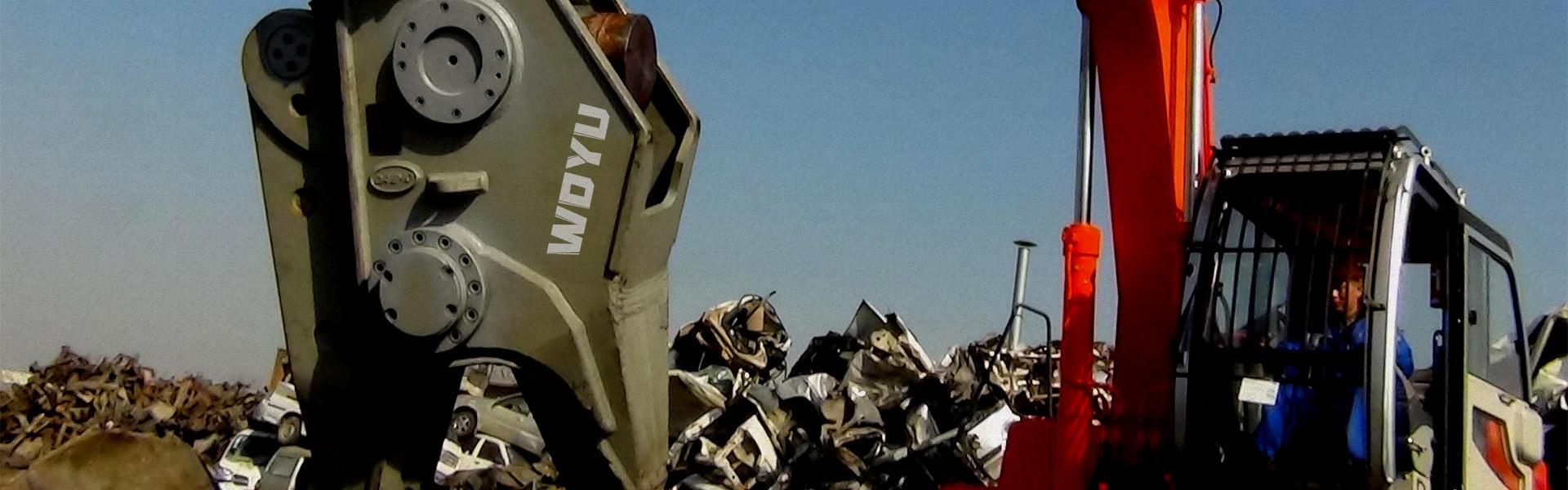
Woyu mechanical equipment
Various types of wood grabs (steel and stone), crushing pliers, double cylinder shears, hydraulic suction cups and other accessories
04
2024
-
01
The Ultimate Guide to Using a Crushing Bucket for Construction Projects
Table of Contents:
1. Introduction
2. What is a Crushing Bucket?
3. How Does a Crushing Bucket Work?
4. Advantages of Using a Crushing Bucket
5. Key Applications of a Crushing Bucket
6. Choosing the Right Crushing Bucket for Your Project
7. Step-by-Step Guide to Using a Crushing Bucket
7.1 Preparing the Construction Site
7.2 Attaching and Adjusting the Crushing Bucket
7.3 Operating the Crushing Bucket
7.4 Safety Tips for Using a Crushing Bucket
8. Maintenance and Care for Your Crushing Bucket
9. Frequently Asked Questions (FAQs)
9.1 Can a crushing bucket be used for various materials?
9.2 How does a crushing bucket compare to traditional crushers?
9.3 Is it possible to adjust the size of the crushed material?
9.4 Can a crushing bucket be used with different types of construction machinery?
9.5 What are the typical costs associated with using a crushing bucket?
10. Conclusion
1. Introduction
In the construction industry, time and cost-efficiency are paramount. To achieve optimal results, it's crucial to utilize the right equipment. One such tool that has revolutionized construction projects is the crushing bucket. This ultimate guide aims to provide comprehensive insights into using a crushing bucket effectively, ensuring your construction projects are carried out seamlessly.
2. What is a Crushing Bucket?
A crushing bucket is a heavy-duty attachment that can be mounted on construction machinery such as excavators, loaders, or backhoes. It is designed to crush various materials, including concrete, asphalt, rock, and debris, transforming them into reusable aggregates. The crushing bucket offers significant advantages in terms of convenience, versatility, and cost-effectiveness.
3. How Does a Crushing Bucket Work?
A crushing bucket operates through the integration of hydraulic systems, enabling it to exert immense crushing force. The bucket's jaws or crusher plates apply pressure to the material, breaking it down into smaller, manageable pieces. The crushed material can then be used for various purposes, such as backfilling, roadbase, or other construction applications.
4. Advantages of Using a Crushing Bucket
Using a crushing bucket offers numerous advantages for construction projects. Firstly, it eliminates the need for transporting materials to a separate crushing facility, saving time and costs. Additionally, it reduces environmental impact by repurposing materials on-site, minimizing waste and carbon emissions. The crushing bucket also allows for precise control over the output material size, ensuring the desired specifications are met.
5. Key Applications of a Crushing Bucket
The versatility of a crushing bucket makes it suitable for a wide range of construction projects. It can be used for demolitions, road construction, pipeline work, quarrying, recycling, and more. Whether you need to crush concrete, rocks, or asphalt, the crushing bucket proves to be a valuable asset in various applications.
6. Choosing the Right Crushing Bucket for Your Project
To maximize the efficiency of your construction project, selecting the appropriate crushing bucket is crucial. Consider factors such as the size and weight of your machinery, the required crushing capacity, and the compatibility with different materials. Consulting with industry professionals will help you make an informed decision and ensure optimal results.
7. Step-by-Step Guide to Using a Crushing Bucket
7.1 Preparing the Construction Site
Before using a crushing bucket, it's important to prepare the construction site adequately. Clear the area of any debris, ensure proper safety measures are in place, and evaluate the material to be crushed.
7.2 Attaching and Adjusting the Crushing Bucket
Follow the manufacturer's instructions to securely attach the crushing bucket to your construction machinery. Ensure proper alignment and adjust the settings to achieve the desired output material size.
7.3 Operating the Crushing Bucket
Once the bucket is attached and adjusted, you can start operating it. Use the controls on your machinery to activate the crushing action, feeding the material into the bucket's jaws. Pay attention to the load capacity and avoid overloading the bucket.
7.4 Safety Tips for Using a Crushing Bucket
Safety should always be a priority when using heavy machinery, including crushing buckets. Follow these safety tips to minimize risks:
- Wear appropriate personal protective equipment (PPE) such as helmets, gloves, and safety glasses.
- Keep bystanders at a safe distance from the operating area.
- Regularly inspect the bucket for any signs of wear or damage.
- Adhere to the recommended maintenance procedures.
8. Maintenance and Care for Your Crushing Bucket
To ensure the longevity and optimal performance of your crushing bucket, regular maintenance and care are essential. Clean the bucket after each use, inspect it for any wear or damage, and lubricate the moving parts as recommended by the manufacturer. Additionally, schedule periodic professional inspections to detect any potential issues early on.
9. Frequently Asked Questions (FAQs)
9.1 Can a crushing bucket be used for various materials?
Yes, a crushing bucket is designed to handle different materials such as concrete, asphalt, rocks, and debris.
9.2 How does a crushing bucket compare to traditional crushers?
A crushing bucket offers distinct advantages over traditional crushers as it eliminates the need for separate crushing facilities, reduces transportation costs, and allows on-site recycling.
9.3 Is it possible to adjust the size of the crushed material?
Yes, most crushing buckets offer adjustable settings to control the size of the crushed material according to specific project requirements.
9.4 Can a crushing bucket be used with different types of construction machinery?
Yes, crushing buckets can be mounted on various construction machinery such as excavators, loaders, or backhoes, making them versatile and adaptable to different projects.
9.5 What are the typical costs associated with using a crushing bucket?
The costs associated with using a crushing bucket may vary depending on factors such as the duration of the project, the quantity of material to be crushed, and the rental or purchase price of the bucket. Consulting with suppliers or industry experts will provide more accurate cost estimates.
10. Conclusion
In conclusion, utilizing a crushing bucket for construction projects offers remarkable benefits in terms of time, cost efficiency, and environmental impact. By following the step-by-step guide outlined in this ultimate guide, you'll be able to harness the full potential of a crushing bucket and achieve exceptional results in your construction endeavors. Stay safe, adhere to recommended maintenance practices, and enjoy the convenience and productivity that a crushing bucket brings to your construction projects.
1. Introduction
2. What is a Crushing Bucket?
3. How Does a Crushing Bucket Work?
4. Advantages of Using a Crushing Bucket
5. Key Applications of a Crushing Bucket
6. Choosing the Right Crushing Bucket for Your Project
7. Step-by-Step Guide to Using a Crushing Bucket
7.1 Preparing the Construction Site
7.2 Attaching and Adjusting the Crushing Bucket
7.3 Operating the Crushing Bucket
7.4 Safety Tips for Using a Crushing Bucket
8. Maintenance and Care for Your Crushing Bucket
9. Frequently Asked Questions (FAQs)
9.1 Can a crushing bucket be used for various materials?
9.2 How does a crushing bucket compare to traditional crushers?
9.3 Is it possible to adjust the size of the crushed material?
9.4 Can a crushing bucket be used with different types of construction machinery?
9.5 What are the typical costs associated with using a crushing bucket?
10. Conclusion
1. Introduction
In the construction industry, time and cost-efficiency are paramount. To achieve optimal results, it's crucial to utilize the right equipment. One such tool that has revolutionized construction projects is the crushing bucket. This ultimate guide aims to provide comprehensive insights into using a crushing bucket effectively, ensuring your construction projects are carried out seamlessly.
2. What is a Crushing Bucket?
A crushing bucket is a heavy-duty attachment that can be mounted on construction machinery such as excavators, loaders, or backhoes. It is designed to crush various materials, including concrete, asphalt, rock, and debris, transforming them into reusable aggregates. The crushing bucket offers significant advantages in terms of convenience, versatility, and cost-effectiveness.
3. How Does a Crushing Bucket Work?
A crushing bucket operates through the integration of hydraulic systems, enabling it to exert immense crushing force. The bucket's jaws or crusher plates apply pressure to the material, breaking it down into smaller, manageable pieces. The crushed material can then be used for various purposes, such as backfilling, roadbase, or other construction applications.
4. Advantages of Using a Crushing Bucket
Using a crushing bucket offers numerous advantages for construction projects. Firstly, it eliminates the need for transporting materials to a separate crushing facility, saving time and costs. Additionally, it reduces environmental impact by repurposing materials on-site, minimizing waste and carbon emissions. The crushing bucket also allows for precise control over the output material size, ensuring the desired specifications are met.
5. Key Applications of a Crushing Bucket
The versatility of a crushing bucket makes it suitable for a wide range of construction projects. It can be used for demolitions, road construction, pipeline work, quarrying, recycling, and more. Whether you need to crush concrete, rocks, or asphalt, the crushing bucket proves to be a valuable asset in various applications.
6. Choosing the Right Crushing Bucket for Your Project
To maximize the efficiency of your construction project, selecting the appropriate crushing bucket is crucial. Consider factors such as the size and weight of your machinery, the required crushing capacity, and the compatibility with different materials. Consulting with industry professionals will help you make an informed decision and ensure optimal results.
7. Step-by-Step Guide to Using a Crushing Bucket
7.1 Preparing the Construction Site
Before using a crushing bucket, it's important to prepare the construction site adequately. Clear the area of any debris, ensure proper safety measures are in place, and evaluate the material to be crushed.
7.2 Attaching and Adjusting the Crushing Bucket
Follow the manufacturer's instructions to securely attach the crushing bucket to your construction machinery. Ensure proper alignment and adjust the settings to achieve the desired output material size.
7.3 Operating the Crushing Bucket
Once the bucket is attached and adjusted, you can start operating it. Use the controls on your machinery to activate the crushing action, feeding the material into the bucket's jaws. Pay attention to the load capacity and avoid overloading the bucket.
7.4 Safety Tips for Using a Crushing Bucket
Safety should always be a priority when using heavy machinery, including crushing buckets. Follow these safety tips to minimize risks:
- Wear appropriate personal protective equipment (PPE) such as helmets, gloves, and safety glasses.
- Keep bystanders at a safe distance from the operating area.
- Regularly inspect the bucket for any signs of wear or damage.
- Adhere to the recommended maintenance procedures.
8. Maintenance and Care for Your Crushing Bucket
To ensure the longevity and optimal performance of your crushing bucket, regular maintenance and care are essential. Clean the bucket after each use, inspect it for any wear or damage, and lubricate the moving parts as recommended by the manufacturer. Additionally, schedule periodic professional inspections to detect any potential issues early on.
9. Frequently Asked Questions (FAQs)
9.1 Can a crushing bucket be used for various materials?
Yes, a crushing bucket is designed to handle different materials such as concrete, asphalt, rocks, and debris.
9.2 How does a crushing bucket compare to traditional crushers?
A crushing bucket offers distinct advantages over traditional crushers as it eliminates the need for separate crushing facilities, reduces transportation costs, and allows on-site recycling.
9.3 Is it possible to adjust the size of the crushed material?
Yes, most crushing buckets offer adjustable settings to control the size of the crushed material according to specific project requirements.
9.4 Can a crushing bucket be used with different types of construction machinery?
Yes, crushing buckets can be mounted on various construction machinery such as excavators, loaders, or backhoes, making them versatile and adaptable to different projects.
9.5 What are the typical costs associated with using a crushing bucket?
The costs associated with using a crushing bucket may vary depending on factors such as the duration of the project, the quantity of material to be crushed, and the rental or purchase price of the bucket. Consulting with suppliers or industry experts will provide more accurate cost estimates.
10. Conclusion
In conclusion, utilizing a crushing bucket for construction projects offers remarkable benefits in terms of time, cost efficiency, and environmental impact. By following the step-by-step guide outlined in this ultimate guide, you'll be able to harness the full potential of a crushing bucket and achieve exceptional results in your construction endeavors. Stay safe, adhere to recommended maintenance practices, and enjoy the convenience and productivity that a crushing bucket brings to your construction projects.
Satisfied with the service

Product information and technical knowledge
Hebei Woyu