

-
-
ProductsOur products are used in mining, metallurgy, chemical industry, building materials, construction, railway, highway construction and other industries and departments. With superior cost performance, every user can buy more aff

-
CasesOur products are used in mining, metallurgy, chemical industry, building materials, construction, railway, highway construction and other industries and departments. With superior cost performance, every user can buy more aff
-


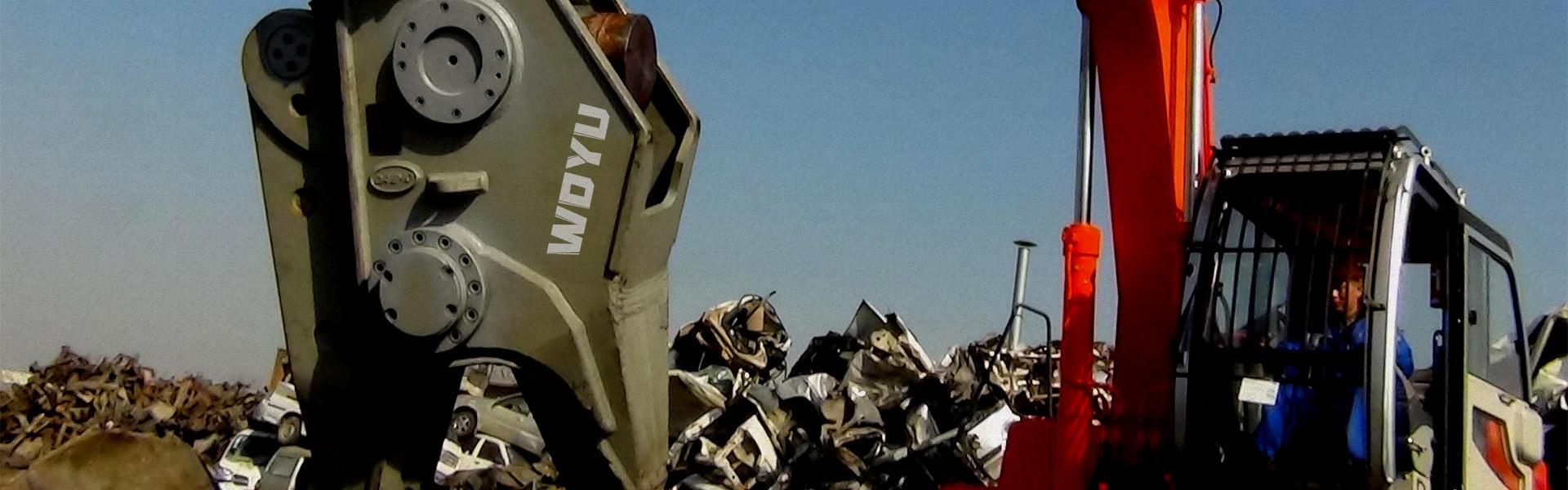
Woyu mechanical equipment
Various types of wood grabs (steel and stone), crushing pliers, double cylinder shears, hydraulic suction cups and other accessories
03
2024
-
01
Sleeper Machines: Streamlining Track Maintenance Operations
Table of Contents:
1. Introduction to Sleeper Machines
2. The Importance of Track Maintenance
3. Evolution of Track Maintenance Equipment
4. Understanding Sleeper Machines
5. Key Features of Sleeper Machines
6. Advantages of Sleeper Machines
7. Common Applications of Sleeper Machines
8. Frequently Asked Questions
9. Conclusion
Track maintenance plays a vital role in ensuring the smooth functioning of rail networks. Over time, technological advancements have revolutionized the way track maintenance is carried out. One such innovation is the development of sleeper machines. In this article, we will explore how sleeper machines streamline track maintenance operations and contribute to the overall efficiency and safety of rail transportation.
Maintaining railway tracks is crucial to ensure the safe and reliable operation of trains. Regular maintenance helps prevent accidents, reduce downtime, and extend the lifespan of tracks. Neglecting track maintenance can lead to track defects, uneven surfaces, and deteriorating infrastructure, compromising the safety of passengers and freight transportation. Therefore, investing in advanced track maintenance equipment, such as sleeper machines, is essential to address these challenges effectively.
In the past, manual labor was predominantly used for track maintenance. However, as technology progressed, track maintenance equipment evolved to improve efficiency and productivity. From simple tools to more advanced machinery, the industry witnessed a remarkable transformation. Today, sleeper machines have emerged as a game-changer, revolutionizing track maintenance operations.
Sleeper machines, also known as tamping machines or track maintenance machines, are specialized equipment designed to ensure the proper alignment and stability of railway sleepers or ties. These machines automate and optimize the process of track maintenance, reducing human error and enhancing overall efficiency. Sleeper machines perform tasks such as lifting, aligning, and tamping sleepers to maintain the desired track geometry.
Sleeper machines come equipped with several advanced features that enhance their performance and efficiency. Some key features include:
1. Robust Construction: Sleeper machines are built to withstand the rigors of track maintenance operations. They are made from durable materials that can withstand heavy loads and rough terrains.
2. Precision Control: These machines are equipped with advanced control systems that ensure precise and accurate alignment of sleepers. This helps maintain track geometry and reduces the risk of derailments.
3. Automated Functionality: Sleeper machines automate various tasks that were previously performed manually. This automation saves time, increases productivity, and reduces the workforce required for track maintenance.
4. Versatility: Sleeper machines are designed to work on different track gauges, making them suitable for various railway networks worldwide. They can adapt to different sleepers and track configurations, making them versatile and efficient.
By incorporating sleeper machines into track maintenance operations, railway networks can benefit from the following advantages:
1. Increased Efficiency: Sleeper machines expedite the maintenance process, reducing the time required for track repairs. This increases the overall efficiency of track maintenance operations and minimizes disruptions to train schedules.
2. Enhanced Safety: Properly maintained tracks ensure the safety of passengers and railway staff. Sleeper machines eliminate track defects and inconsistencies, reducing the risk of accidents and derailments.
3. Cost Savings: Implementing sleeper machines can lead to significant cost savings in the long run. These machines automate labor-intensive tasks, reducing the workforce required for maintenance. Additionally, efficient track maintenance reduces the need for frequent repairs and replacements.
4. Improved Track Quality: Sleeper machines ensure the proper alignment and stability of sleepers, maintaining track geometry within specified tolerances. This results in a smoother and more comfortable ride for passengers and reduces wear and tear on trains.
Sleeper machines find extensive applications in various track maintenance operations. Some common applications include:
1. Tamping: Sleeper machines tamp the ballast around sleepers, ensuring proper compaction and stability.
2. Lifting and Aligning: These machines lift and align sleepers, ensuring correct positioning and eliminating track irregularities.
3. Maintenance and Repairs: Sleeper machines are used for routine maintenance, such as replacing damaged sleepers or maintaining track geometry.
4. New Track Construction: When laying new tracks, sleeper machines are used to position sleepers accurately and ensure proper alignment.
Q1: How do sleeper machines contribute to track maintenance efficiency?
A1: Sleeper machines automate labor-intensive tasks, reduce human error, and expedite track repairs, resulting in increased efficiency.
Q2: Can sleeper machines work on different track gauges?
A2: Yes, sleeper machines are designed to work on different track gauges, making them adaptable to various railway networks worldwide.
Q3: What are the benefits of using sleeper machines?
A3: Using sleeper machines enhances safety, improves track quality, increases efficiency, and leads to cost savings in track maintenance operations.
Q4: How often should track maintenance be performed?
A4: Track maintenance should be performed regularly, depending on factors such as traffic volume, climate conditions, and track usage.
Q5: Are sleeper machines suitable for both passenger and freight railway networks?
A5: Yes, sleeper machines can be used in both passenger and freight railway networks, ensuring the safety and reliability of transportation.
Sleeper machines have revolutionized track maintenance operations in the transportation industry. These advanced machines streamline the process, increase efficiency, and ensure the safety and reliability of rail networks. By automating labor-intensive tasks and maintaining track geometry within specified tolerances, sleeper machines contribute to the overall improvement of track quality and the reduction of accidents and downtime. Implementing sleeper machines offers numerous benefits, including enhanced safety, increased efficiency, cost savings, and improved passenger experience. With their versatility and advanced features, sleeper machines are an indispensable asset in modern track maintenance operations.
1. Introduction to Sleeper Machines
2. The Importance of Track Maintenance
3. Evolution of Track Maintenance Equipment
4. Understanding Sleeper Machines
5. Key Features of Sleeper Machines
6. Advantages of Sleeper Machines
7. Common Applications of Sleeper Machines
8. Frequently Asked Questions
9. Conclusion
Introduction to Sleeper Machines
Track maintenance plays a vital role in ensuring the smooth functioning of rail networks. Over time, technological advancements have revolutionized the way track maintenance is carried out. One such innovation is the development of sleeper machines. In this article, we will explore how sleeper machines streamline track maintenance operations and contribute to the overall efficiency and safety of rail transportation.
The Importance of Track Maintenance
Maintaining railway tracks is crucial to ensure the safe and reliable operation of trains. Regular maintenance helps prevent accidents, reduce downtime, and extend the lifespan of tracks. Neglecting track maintenance can lead to track defects, uneven surfaces, and deteriorating infrastructure, compromising the safety of passengers and freight transportation. Therefore, investing in advanced track maintenance equipment, such as sleeper machines, is essential to address these challenges effectively.
Evolution of Track Maintenance Equipment
In the past, manual labor was predominantly used for track maintenance. However, as technology progressed, track maintenance equipment evolved to improve efficiency and productivity. From simple tools to more advanced machinery, the industry witnessed a remarkable transformation. Today, sleeper machines have emerged as a game-changer, revolutionizing track maintenance operations.
Understanding Sleeper Machines
Sleeper machines, also known as tamping machines or track maintenance machines, are specialized equipment designed to ensure the proper alignment and stability of railway sleepers or ties. These machines automate and optimize the process of track maintenance, reducing human error and enhancing overall efficiency. Sleeper machines perform tasks such as lifting, aligning, and tamping sleepers to maintain the desired track geometry.
Key Features of Sleeper Machines
Sleeper machines come equipped with several advanced features that enhance their performance and efficiency. Some key features include:
1. Robust Construction: Sleeper machines are built to withstand the rigors of track maintenance operations. They are made from durable materials that can withstand heavy loads and rough terrains.
2. Precision Control: These machines are equipped with advanced control systems that ensure precise and accurate alignment of sleepers. This helps maintain track geometry and reduces the risk of derailments.
3. Automated Functionality: Sleeper machines automate various tasks that were previously performed manually. This automation saves time, increases productivity, and reduces the workforce required for track maintenance.
4. Versatility: Sleeper machines are designed to work on different track gauges, making them suitable for various railway networks worldwide. They can adapt to different sleepers and track configurations, making them versatile and efficient.
Advantages of Sleeper Machines
By incorporating sleeper machines into track maintenance operations, railway networks can benefit from the following advantages:
1. Increased Efficiency: Sleeper machines expedite the maintenance process, reducing the time required for track repairs. This increases the overall efficiency of track maintenance operations and minimizes disruptions to train schedules.
2. Enhanced Safety: Properly maintained tracks ensure the safety of passengers and railway staff. Sleeper machines eliminate track defects and inconsistencies, reducing the risk of accidents and derailments.
3. Cost Savings: Implementing sleeper machines can lead to significant cost savings in the long run. These machines automate labor-intensive tasks, reducing the workforce required for maintenance. Additionally, efficient track maintenance reduces the need for frequent repairs and replacements.
4. Improved Track Quality: Sleeper machines ensure the proper alignment and stability of sleepers, maintaining track geometry within specified tolerances. This results in a smoother and more comfortable ride for passengers and reduces wear and tear on trains.
Common Applications of Sleeper Machines
Sleeper machines find extensive applications in various track maintenance operations. Some common applications include:
1. Tamping: Sleeper machines tamp the ballast around sleepers, ensuring proper compaction and stability.
2. Lifting and Aligning: These machines lift and align sleepers, ensuring correct positioning and eliminating track irregularities.
3. Maintenance and Repairs: Sleeper machines are used for routine maintenance, such as replacing damaged sleepers or maintaining track geometry.
4. New Track Construction: When laying new tracks, sleeper machines are used to position sleepers accurately and ensure proper alignment.
Frequently Asked Questions
Q1: How do sleeper machines contribute to track maintenance efficiency?
A1: Sleeper machines automate labor-intensive tasks, reduce human error, and expedite track repairs, resulting in increased efficiency.
Q2: Can sleeper machines work on different track gauges?
A2: Yes, sleeper machines are designed to work on different track gauges, making them adaptable to various railway networks worldwide.
Q3: What are the benefits of using sleeper machines?
A3: Using sleeper machines enhances safety, improves track quality, increases efficiency, and leads to cost savings in track maintenance operations.
Q4: How often should track maintenance be performed?
A4: Track maintenance should be performed regularly, depending on factors such as traffic volume, climate conditions, and track usage.
Q5: Are sleeper machines suitable for both passenger and freight railway networks?
A5: Yes, sleeper machines can be used in both passenger and freight railway networks, ensuring the safety and reliability of transportation.
Conclusion
Sleeper machines have revolutionized track maintenance operations in the transportation industry. These advanced machines streamline the process, increase efficiency, and ensure the safety and reliability of rail networks. By automating labor-intensive tasks and maintaining track geometry within specified tolerances, sleeper machines contribute to the overall improvement of track quality and the reduction of accidents and downtime. Implementing sleeper machines offers numerous benefits, including enhanced safety, increased efficiency, cost savings, and improved passenger experience. With their versatility and advanced features, sleeper machines are an indispensable asset in modern track maintenance operations.
Satisfied with the service

Product information and technical knowledge
Hebei Woyu