

-
-
ProductsOur products are used in mining, metallurgy, chemical industry, building materials, construction, railway, highway construction and other industries and departments. With superior cost performance, every user can buy more aff

-
CasesOur products are used in mining, metallurgy, chemical industry, building materials, construction, railway, highway construction and other industries and departments. With superior cost performance, every user can buy more aff
-


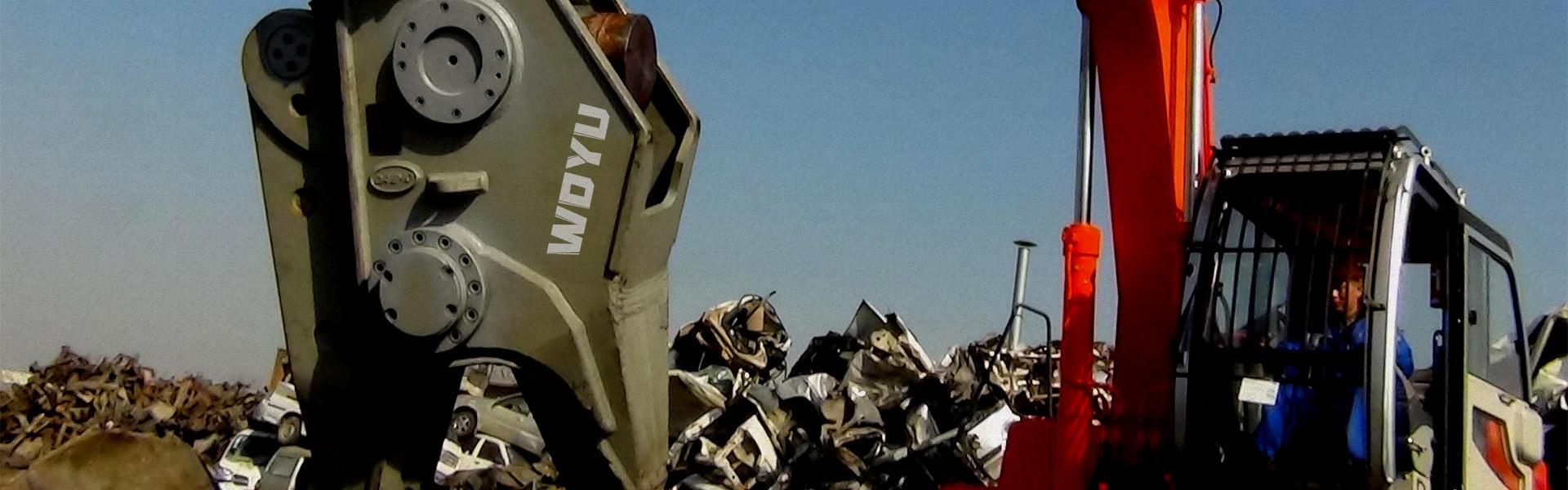
Woyu mechanical equipment
Various types of wood grabs (steel and stone), crushing pliers, double cylinder shears, hydraulic suction cups and other accessories
03
2024
-
01
Understanding Sleeper Machines in Rail Transportation
Sleeper machines play a crucial role in the rail transportation industry, specifically in the maintenance and upkeep of track infrastructure. These machines are primarily utilized for the installation and replacement of railway sleepers, also known as ties or crossties. Let's delve into the significance and function of sleeper machines and how they contribute to the efficiency and safety of rail transportation.
Railway sleepers are an integral part of the track system, providing stability and support for the rails. The primary function of sleeper machines is to efficiently and accurately lay down new sleepers or replace old ones. By automating this process, these machines significantly reduce manual labor, time, and costs involved in maintaining the track.
One of the key benefits of sleeper machines is their ability to ensure precision and consistency in the placement of sleepers. These machines are equipped with advanced technology and sensors that enable them to align and position the sleepers accurately, adhering to the required specifications. This level of precision helps in maintaining a smooth track surface, reducing the chances of derailments and other track-related incidents.
Sleeper machines are designed to handle various types and sizes of sleepers, catering to the specific needs of different rail networks. They can efficiently handle both wooden and concrete sleepers, adapting to the materials used in different regions. This versatility allows for seamless integration of sleeper machines across different rail networks globally.
Another significant advantage of sleeper machines is their impact on track maintenance and longevity. By automating the process of installing and replacing sleepers, these machines ensure that the tracks are properly maintained and remain in optimal condition. This, in turn, extends the lifespan of the track, reducing the frequency of repairs and replacements, and ultimately saving costs for rail operators.
In addition to their fundamental function, sleeper machines often incorporate innovative features to enhance their efficiency and operational capabilities. These can include remote control options, real-time monitoring systems, and computerized maintenance planning. Such advancements contribute to the overall effectiveness of sleeper machines in track maintenance operations.
In conclusion, sleeper machines play a vital role in the rail transportation industry by facilitating the installation and replacement of sleepers. With their precision, versatility, and impact on track maintenance, these machines contribute to the smooth and safe operation of rail networks. By reducing manual labor and optimizing track conditions, sleeper machines enhance efficiency, reduce costs, and ensure a reliable and sustainable rail transportation system for both passengers and freight.
Railway sleepers are an integral part of the track system, providing stability and support for the rails. The primary function of sleeper machines is to efficiently and accurately lay down new sleepers or replace old ones. By automating this process, these machines significantly reduce manual labor, time, and costs involved in maintaining the track.
One of the key benefits of sleeper machines is their ability to ensure precision and consistency in the placement of sleepers. These machines are equipped with advanced technology and sensors that enable them to align and position the sleepers accurately, adhering to the required specifications. This level of precision helps in maintaining a smooth track surface, reducing the chances of derailments and other track-related incidents.
Sleeper machines are designed to handle various types and sizes of sleepers, catering to the specific needs of different rail networks. They can efficiently handle both wooden and concrete sleepers, adapting to the materials used in different regions. This versatility allows for seamless integration of sleeper machines across different rail networks globally.
Another significant advantage of sleeper machines is their impact on track maintenance and longevity. By automating the process of installing and replacing sleepers, these machines ensure that the tracks are properly maintained and remain in optimal condition. This, in turn, extends the lifespan of the track, reducing the frequency of repairs and replacements, and ultimately saving costs for rail operators.
In addition to their fundamental function, sleeper machines often incorporate innovative features to enhance their efficiency and operational capabilities. These can include remote control options, real-time monitoring systems, and computerized maintenance planning. Such advancements contribute to the overall effectiveness of sleeper machines in track maintenance operations.
In conclusion, sleeper machines play a vital role in the rail transportation industry by facilitating the installation and replacement of sleepers. With their precision, versatility, and impact on track maintenance, these machines contribute to the smooth and safe operation of rail networks. By reducing manual labor and optimizing track conditions, sleeper machines enhance efficiency, reduce costs, and ensure a reliable and sustainable rail transportation system for both passengers and freight.
Satisfied with the service

Product information and technical knowledge
Hebei Woyu