

-
-
ProductsOur products are used in mining, metallurgy, chemical industry, building materials, construction, railway, highway construction and other industries and departments. With superior cost performance, every user can buy more aff

-
CasesOur products are used in mining, metallurgy, chemical industry, building materials, construction, railway, highway construction and other industries and departments. With superior cost performance, every user can buy more aff
-


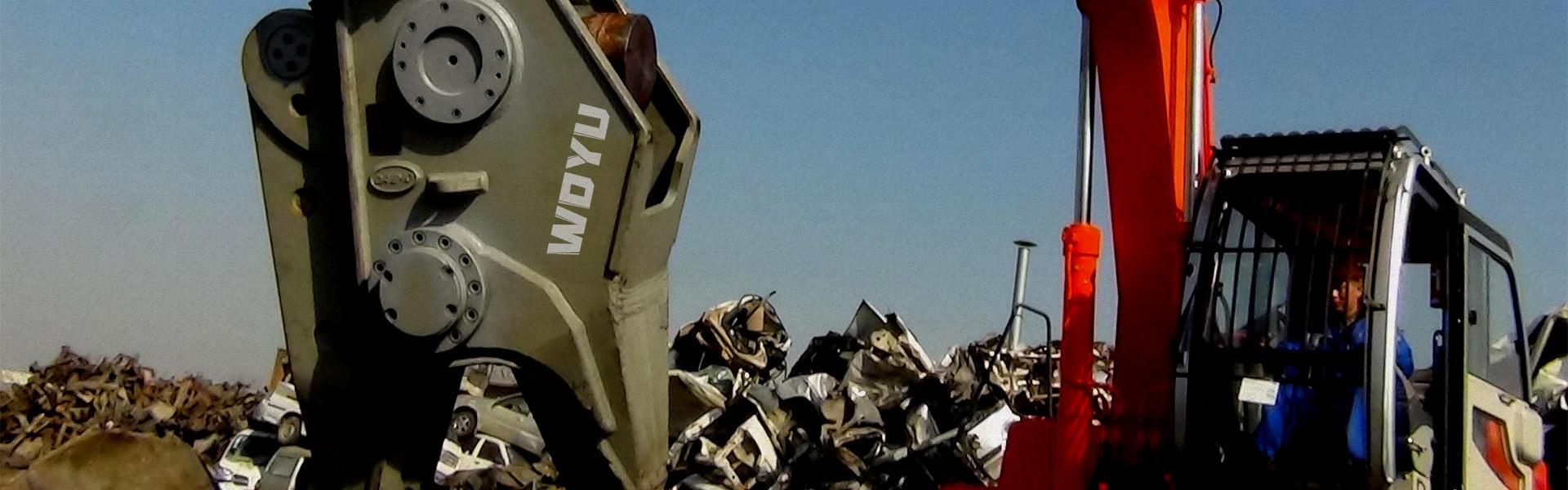
Woyu mechanical equipment
Various types of wood grabs (steel and stone), crushing pliers, double cylinder shears, hydraulic suction cups and other accessories
09
2024
-
09
Common Challenges and Solutions When Using Hydraulic Suction Cups in Manufacturing
Common Challenges and Solutions When Using Hydraulic Suction Cups in Manufacturing
In the dynamic field of manufacturing, efficiency, precision, and reliability are paramount. Hydraulic suction cups are invaluable tools in this landscape, enabling the seamless handling of materials ranging from delicate glass sheets to heavy metal plates. However, despite their utility, there are several challenges associated with their use. In this article, we will explore these common challenges and offer effective solutions to ensure that hydraulic suction cups work optimally within your production processes.
Table of Contents
1. Understanding Hydraulic Suction Cups
2. Common Challenges Faced with Hydraulic Suction Cups
2.1 Insufficient Vacuum Levels
2.2 Adhesion Loss During Operation
2.3 Material Compatibility Issues
2.4 Wear and Tear on Suction Cups
2.5 Environmental Factors Affecting Performance
3. Practical Solutions to Enhance Performance
3.1 Regular Maintenance and Inspection
3.2 Choosing the Right Suction Cup
3.3 Optimizing Vacuum Systems
3.4 Training Personnel Effectively
3.5 Using Advanced Materials
4. Best Practices for Hydraulic Suction Cup Use
5. Frequently Asked Questions (FAQs)
6. Conclusion
1. Understanding Hydraulic Suction Cups
Hydraulic suction cups are designed to create a vacuum seal that allows for the safe lifting and transporting of various materials. They are widely used in manufacturing processes like assembly lines, packaging, and material handling. The efficiency of hydraulic suction cups is influenced by multiple factors, including design, material, and environmental conditions. Understanding these aspects can help us tackle the challenges they present effectively.
2. Common Challenges Faced with Hydraulic Suction Cups
While hydraulic suction cups are integral to modern manufacturing, they are not without their pitfalls. Understanding these challenges is the first step toward overcoming them.
2.1 Insufficient Vacuum Levels
One of the most significant issues faced with hydraulic suction cups is insufficient vacuum levels. This can result from leaks, inadequate pump performance, or a poorly designed suction cup. Insufficient vacuum can lead to dropped loads, potential damage to materials, and safety hazards for workers.
2.2 Adhesion Loss During Operation
Adhesion loss can occur when the suction cup loses its ability to maintain a firm grip on the material. Factors such as surface irregularities, contamination, and improper positioning can contribute to this issue. When adhesion is lost, it not only affects production efficiency but also poses significant safety risks.
2.3 Material Compatibility Issues
Different materials require different types of suction cups. Compatibility between the suction cup material and the workpiece is crucial. For instance, using rubber suction cups on glass surfaces can lead to slippage due to inadequate grip. Understanding the material properties is essential to ensure effective handling.
2.4 Wear and Tear on Suction Cups
Like any other component, hydraulic suction cups are subject to wear and tear. Frequent use can lead to cracks, tears, and loss of elasticity, resulting in reduced performance. Regular assessment of the cups is vital to ensure optimal operation.
2.5 Environmental Factors Affecting Performance
Environmental conditions such as temperature, humidity, and dust can significantly impact the performance of hydraulic suction cups. For example, high temperatures can decrease the suction cup's efficiency, while excessive dust can contaminate the surface, affecting adhesion.
3. Practical Solutions to Enhance Performance
To mitigate these challenges, several practical solutions can be implemented to enhance the performance of hydraulic suction cups.
3.1 Regular Maintenance and Inspection
Establishing a routine maintenance schedule for hydraulic suction cups is paramount. Regularly inspect cups for signs of wear, check for vacuum integrity, and ensure that all components of the hydraulic system are functioning correctly. A proactive approach can help identify potential issues before they escalate.
3.2 Choosing the Right Suction Cup
Selecting the appropriate suction cup is crucial for compatibility with the materials being handled. Consider factors such as size, shape, and material type. Use cups specifically designed for the application to ensure optimal performance.
3.3 Optimizing Vacuum Systems
An optimized vacuum system can significantly reduce issues related to insufficient vacuum levels. Ensure that vacuum pumps are appropriately sized for the application, and regularly check for leaks in the system. Implementing advanced vacuum control technology can also improve performance.
3.4 Training Personnel Effectively
Investing in training for personnel who handle hydraulic suction cups can prevent many common issues. Educate them on proper handling techniques, maintenance procedures, and the importance of using the right tools for the job. Knowledgeable staff can significantly reduce operational risks.
3.5 Using Advanced Materials
Advancements in materials technology have led to the development of more durable and versatile suction cups. Consider using cups made from advanced elastomers or other specialized materials that can withstand harsher conditions and offer better grip on various surfaces.
4. Best Practices for Hydraulic Suction Cup Use
To maximize the efficacy of hydraulic suction cups, consider implementing these best practices:
1. **Follow Manufacturer Guidelines:** Always adhere to the guidelines provided by the manufacturer for installation and operation.
2. **Perform Regular Testing:** Conduct routine tests to ensure that the vacuum holds and that the suction cup is performing as expected.
3. **Clean Surfaces Thoroughly:** Ensure that both the suction cup and the surface being lifted are clean and free from contaminants.
4. **Monitor Environmental Conditions:** Be aware of the environmental factors affecting your operation and adjust accordingly.
5. **Document Performance:** Keep records of performance and maintenance checks to identify trends and potential areas for improvement.
5. Frequently Asked Questions (FAQs)
What are hydraulic suction cups used for?
Hydraulic suction cups are predominantly used in manufacturing and material handling to lift and move objects safely without causing damage.
How do I know if my suction cup is worn out?
Signs of wear include visible cracks, loss of elasticity, and a failure to maintain vacuum pressure. Regular inspections are necessary to identify such issues.
Can environmental factors impact the performance of suction cups?
Yes, environmental conditions such as temperature, humidity, and dust can significantly affect the effectiveness of hydraulic suction cups.
How can I improve the adhesion of my hydraulic suction cups?
Improving adhesion can be achieved through proper cleaning, choosing the right suction cup material, and ensuring that the surface is compatible with the suction cup's design.
What should I do if my suction cup loses its grip during operation?
If a suction cup loses its grip, immediately stop the operation, check for vacuum integrity, inspect for damage, and ensure that the surface is clean and compatible.
6. Conclusion
Hydraulic suction cups play an indispensable role in the manufacturing process, streamlining operations and enhancing efficiency. However, understanding and addressing the common challenges they present is crucial for achieving optimal performance. By implementing the practical solutions and best practices outlined in this article, manufacturers can overcome these hurdles, ensuring safe and effective handling of materials. Through continuous learning, regular maintenance, and the adoption of advanced technologies, businesses can harness the full potential of hydraulic suction cups, driving productivity and safety in their operations.
Satisfied with the service

Product information and technical knowledge
Hebei Woyu