

-
-
ProductsOur products are used in mining, metallurgy, chemical industry, building materials, construction, railway, highway construction and other industries and departments. With superior cost performance, every user can buy more aff

-
CasesOur products are used in mining, metallurgy, chemical industry, building materials, construction, railway, highway construction and other industries and departments. With superior cost performance, every user can buy more aff
-


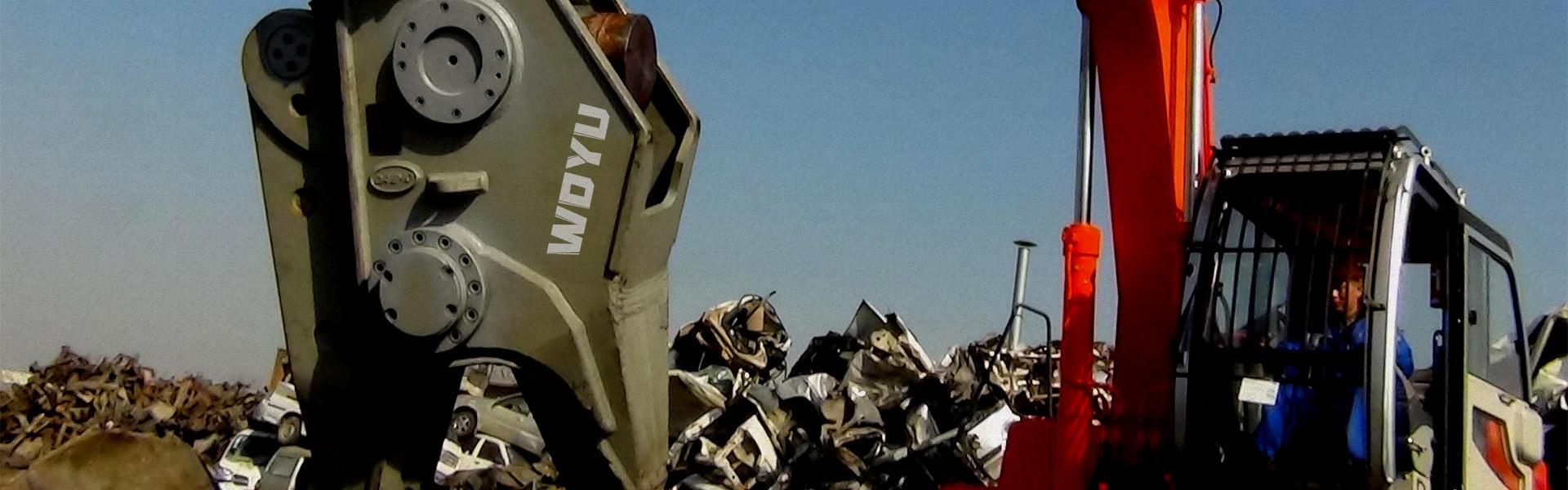
Woyu mechanical equipment
Various types of wood grabs (steel and stone), crushing pliers, double cylinder shears, hydraulic suction cups and other accessories
04
2024
-
09
Enhancing Precision in Machining: A Comprehensive Comparison of Hydraulic Suction Cups and Traditional Clamping Techniques
Enhancing Precision in Machining: A Comprehensive Comparison of Hydraulic Suction Cups and Traditional Clamping Techniques
Table of Contents
1. Introduction to Machining Precision
2. Understanding Traditional Clamping Methods
2.1. Types of Clamping Devices
2.2. Benefits and Limitations of Traditional Clamping
3. The Rise of Hydraulic Suction Cups
3.1. How Hydraulic Suction Cups Work
3.2. Key Advantages of Hydraulic Suction Cups in Machining
4. Comparing Performance: Hydraulic Suction Cups vs. Traditional Clamping
4.1. Precision and Stability
4.2. Time Efficiency and Setup Speed
5. Applications in Various Industries
5.1. Automotive Industry
5.2. Aerospace Manufacturing
5.3. Electronics Production
6. Selecting the Right System for Your Needs
7. Frequently Asked Questions (FAQs)
8. Conclusion: The Future of Machining Precision
1. Introduction to Machining Precision
In the realm of manufacturing, **precision is paramount**. The ability to produce components that meet exact specifications directly influences product quality, operational efficiency, and customer satisfaction. As industries evolve, the tools and techniques used to ensure precision must also advance. This article delves into a critical comparison between **hydraulic suction cups** and **traditional clamping methods**, evaluating their effectiveness in enhancing machining precision.
2. Understanding Traditional Clamping Methods
Traditional clamping is a widely used technique in machining that involves securing workpieces with various devices.
2.1. Types of Clamping Devices
Clamping devices can include vises, clamps, and fixtures. Each type serves the purpose of holding a workpiece securely in place, but they come with **distinct characteristics**:
- **Vises**: Often used in milling operations, vises can hold flat or irregularly shaped components. However, they may not accommodate complex geometries efficiently.
- **Clamps**: These adjustable fixtures can be tailored to hold different shapes and sizes, but they may require extensive setup time.
- **Fixtures**: Custom-built for specific components, fixtures provide stability but can be costly and time-consuming to produce.
2.2. Benefits and Limitations of Traditional Clamping
Traditional clamping methods offer certain advantages, such as:
- **Cost-effectiveness**: Clamps and vises are generally inexpensive and easy to replace.
- **Simplicity**: The mechanical operation of clamps is straightforward, requiring minimal training.
However, limitations such as **inconsistent pressure distribution**, potential deformation of workpieces, and longer setup times can hinder overall precision.
3. The Rise of Hydraulic Suction Cups
Hydraulic suction cups are gaining traction as a modern alternative in machining processes.
3.1. How Hydraulic Suction Cups Work
Hydraulic suction cups operate using a vacuum mechanism that securely grips the workpiece without the need for mechanical force. They utilize hydraulic pressure to create a strong suction effect, allowing for efficient handling of diverse components.
3.2. Key Advantages of Hydraulic Suction Cups in Machining
The adoption of hydraulic suction cups comes with several significant advantages:
- **Enhanced Precision**: The even distribution of suction minimizes distortion and ensures that components remain securely in place during machining.
- **Reduced Setup Time**: Hydraulic systems allow for quicker adjustments and repositioning, significantly speeding up the overall machining process.
- **Versatility**: Hydraulic suction cups can handle a variety of shapes and sizes, making them suitable for a wide range of applications.
- **Minimal Surface Damage**: Suction cups eliminate the need for mechanical force, reducing the risk of marring or damaging sensitive surfaces.
4. Comparing Performance: Hydraulic Suction Cups vs. Traditional Clamping
When considering precision in machining, comparing hydraulic suction cups to traditional clamping methods reveals key differences.
4.1. Precision and Stability
Hydraulic suction cups excel in providing **superior stability** compared to traditional clamps. The hydraulic pressure helps maintain a consistent grip, which is crucial for intricate machining tasks. In contrast, traditional clamping can lead to uneven pressure distribution, affecting precision and potentially resulting in defective parts.
4.2. Time Efficiency and Setup Speed
In today's fast-paced manufacturing environment, time is money. Hydraulic suction cups significantly reduce setup time, allowing for **quicker transitions** between machining operations. Traditional clamping methods often necessitate more time for adjustments and alignment, creating bottlenecks in production.
5. Applications in Various Industries
The versatility of hydraulic suction cups makes them ideal for various industries, including:
5.1. Automotive Industry
In automotive manufacturing, precision is crucial for component compatibility and performance. **Hydraulic suction cups** streamline the assembly process, ensuring that parts fit together seamlessly and reducing the likelihood of defects.
5.2. Aerospace Manufacturing
Aerospace components often require the utmost precision due to safety concerns. Hydraulic suction cups provide the necessary support while minimizing potential deformation of delicate parts.
5.3. Electronics Production
In electronics manufacturing, the handling of sensitive components can be challenging. Hydraulic suction cups offer an effective solution that mitigates the risk of damage during assembly.
6. Selecting the Right System for Your Needs
Choosing between hydraulic suction cups and traditional clamping methods depends on your specific requirements. Factors to consider include:
- **Type of Material**: Some materials may react differently to suction, impacting the choice of method.
- **Shape and Size of Workpieces**: Complex geometries may benefit more from hydraulic suction cups.
- **Production Volume**: For high-volume production, the speed and efficiency of hydraulic systems can be advantageous.
7. Frequently Asked Questions (FAQs)
1. What materials are compatible with hydraulic suction cups?
Hydraulic suction cups are effective on a variety of materials, including metals, plastics, and composites. However, the surface texture and porosity can impact suction efficiency.
2. How do hydraulic suction cups compare in cost to traditional clamps?
While hydraulic suction cups may have a higher initial investment, the long-term savings from increased efficiency and reduced setup time can make them more economical.
3. Can hydraulic suction cups be used in high-temperature environments?
Yes, specialized hydraulic suction cups are available for high-temperature applications, designed to withstand extreme conditions without losing suction.
4. Is maintenance required for hydraulic suction cups?
Regular maintenance involves checking for wear and tear on the suction cups and ensuring that the hydraulic system is functioning correctly.
5. How do I determine the right size of suction cup for my application?
Selecting the appropriate size depends on the weight and shape of the workpiece. Consulting with a manufacturer or supplier can help ensure the best fit for your specific needs.
8. Conclusion: The Future of Machining Precision
As industries demand higher precision and efficiency in machining, **hydraulic suction cups** present a compelling alternative to traditional clamping methods. With their ability to enhance stability, reduce setup times, and accommodate various materials, hydraulic suction cups are poised to become a standard in modern machining practices. Understanding the differences between these two systems will empower manufacturers to make informed decisions that elevate their production quality and efficiency. Embracing advanced technologies will undoubtedly pave the way for improved outcomes in the ever-evolving landscape of machining.
Satisfied with the service

Product information and technical knowledge
Hebei Woyu