

-
-
ProductsOur products are used in mining, metallurgy, chemical industry, building materials, construction, railway, highway construction and other industries and departments. With superior cost performance, every user can buy more aff

-
CasesOur products are used in mining, metallurgy, chemical industry, building materials, construction, railway, highway construction and other industries and departments. With superior cost performance, every user can buy more aff
-


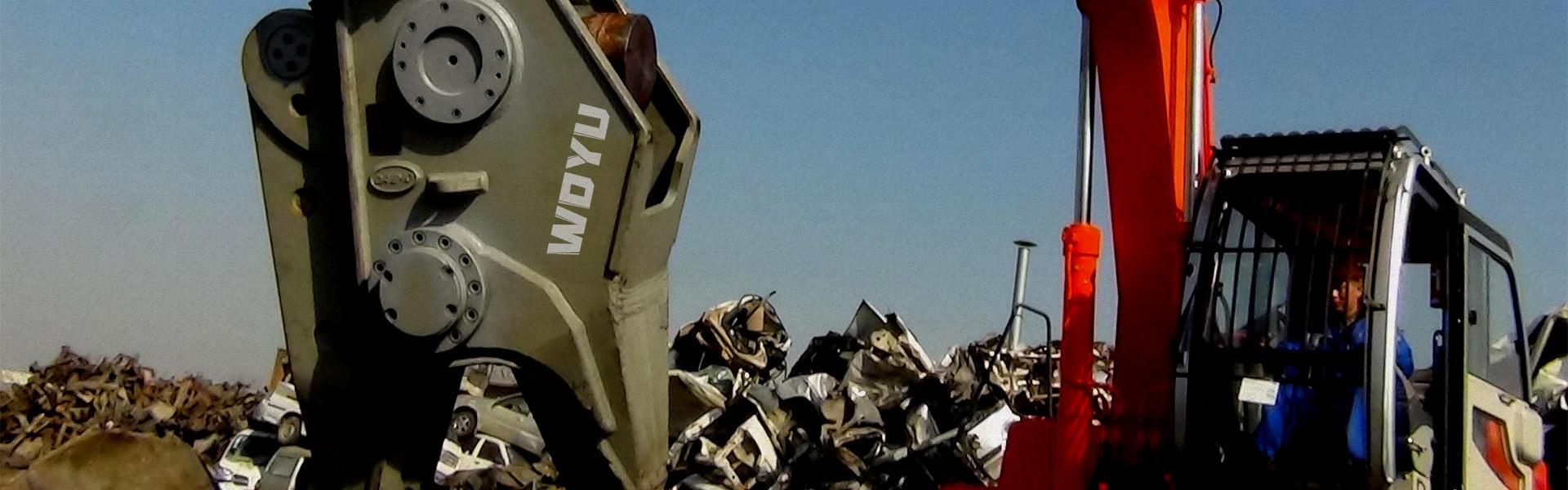
Woyu mechanical equipment
Various types of wood grabs (steel and stone), crushing pliers, double cylinder shears, hydraulic suction cups and other accessories
02
2024
-
01
How to Properly Maintain and Sharpen Your Stone Tools
Table of Contents:
1. Introduction - Why Proper Maintenance and Sharpening Matters
2. Understanding Stone Tools and their Composition
3. Preparing for Maintenance and Sharpening
4. Cleaning and Removing Residue
5. Inspecting for Damage and Wear
6. Sharpening Techniques for Different Stone Tools
7. Proper Storage and Handling
8. Frequently Asked Questions (FAQs)
9. Conclusion
Proper maintenance and sharpening of stone tools are crucial for achieving the best results and prolonging their lifespan. Neglecting these tasks can lead to reduced performance, increased wear and tear, and even safety hazards. In this comprehensive guide, we will explore the essential steps and techniques for maintaining and sharpening your stone tools effectively.
Before delving into maintenance and sharpening procedures, it is important to understand the composition of stone tools. They are typically made of hardened materials such as carbide, diamond, or tungsten. These materials provide durability and strength, but they also require specific care to ensure longevity.
- Diamond Blades: Used for cutting through hard materials like concrete and stone.
- Grinding Wheels: Ideal for shaping and smoothing stone surfaces.
- Chisels: Enable precise carving and sculpting of stone.
- Drill Bits: Designed for drilling holes in stone surfaces.
Before starting the maintenance and sharpening process, gather the necessary tools and materials. These may include safety goggles, gloves, a brush, cleaning solution, lubricant, sharpening stones, and a honing guide. Ensuring a clean and well-organized workspace is also essential.
Always prioritize safety when handling stone tools. Wear protective gear, such as goggles and gloves, to prevent any potential injuries. Additionally, make sure the work area is well-lit and free from clutter to avoid accidents.
Regularly cleaning and removing residue from your stone tools is vital for maintaining their performance and preventing material buildup. Follow these steps to clean your tools effectively:
Before cleaning, ensure that the tool is disconnected from any power source or machinery. This eliminates the risk of accidental activation while working on it.
Use a brush to remove any loose debris or dirt from the surface of the tool. Pay attention to hard-to-reach areas and crevices.
Prepare a cleaning solution by following the manufacturer's instructions or using a mild detergent diluted with water. Submerge the tool in the solution for a few minutes to loosen any stubborn residue.
After soaking, scrub the tool with a brush or sponge to remove any remaining residue. Rinse it thoroughly with clean water to remove any traces of cleaning solution.
Regular inspection of stone tools is essential for identifying any damage or wear that may affect their performance. Here are some key points to consider during the inspection process:
Examine the blade or bit of your stone tool for any signs of damage, such as chips, cracks, or missing teeth. If any damage is detected, consider replacing the tool or seeking professional repair services.
Check for signs of dullness or excessive wear on the cutting edge or surface of the tool. Dull tools can lead to inefficient performance and may require sharpening.
Inspect the handle of the tool for any signs of looseness, cracking, or damage. A secure and intact handle ensures safe and comfortable operation.
Sharpening stone tools requires specific techniques depending on the type of tool you are working with. Here are some general steps to follow for different stone tools:
- Attach the blade or wheel to a sharpening device or bench grinder.
- Follow the manufacturer's instructions for the specific sharpening angle.
- Gently guide the blade or wheel across the sharpening surface, applying consistent pressure.
- Check the sharpness periodically and repeat the process if necessary.
- Secure the chisel in a honing guide to maintain a consistent sharpening angle.
- Use a sharpening stone or diamond plate to sharpen the chisel's beveled edge.
- Apply even pressure and move the chisel back and forth along the sharpening surface.
- Test the sharpness by making a small cut on a scrap piece of stone or wood.
- Use a specialized sharpening fixture or guide to hold the drill bit securely.
- Rotate the drill bit against a sharpening stone or grinder, maintaining a steady angle.
- Ensure equal sharpening on both cutting edges of the drill bit.
- Test the sharpness by drilling into a soft material before using it on stone.
Proper storage and handling of stone tools are vital for preventing damage and maintaining their sharpness. Consider the following tips:
After each use, clean and dry the stone tools thoroughly to remove any moisture or residue. Store them in a clean and dry environment to prevent corrosion or damage.
Consider using protective cases or covers to safeguard your stone tools during transportation or storage. These provide an extra layer of protection against accidental damage.
Always handle stone tools with care to avoid dropping or mishandling them. Rough handling can lead to chips, cracks, or other forms of damage that may affect their performance.
The frequency of sharpening depends on the frequency of use and the type of stone tool. As a general guideline, consider sharpening when you notice a decrease in performance or dullness.
No, diamond blades require specialized sharpening techniques and tools. It is recommended to consult the manufacturer's guidelines or seek professional sharpening services for diamond blades.
Yes, always wear appropriate safety gear, such as goggles and gloves, when sharpening stone tools. Follow the manufacturer's instructions and exercise caution to prevent injuries.
Different stone tools require specific sharpening techniques. It is essential to follow the manufacturer's instructions or consult professional resources to ensure the correct sharpening method for each tool.
Proper maintenance, regular cleaning, and sharpening when necessary are key factors in extending the lifespan of stone tools. Additionally, storing them in a clean and dry environment and handling them with care will contribute to their longevity.
In conclusion, properly maintaining and sharpening your stone tools is crucial for their optimal performance and longevity. By following the steps outlined in this guide, you can ensure that your tools remain sharp, efficient, and safe to use. Remember to prioritize safety, stay vigilant during inspections, and use the appropriate sharpening techniques for each type of stone tool. With regular care and attention, your stone tools will serve you well for years to come.
1. Introduction - Why Proper Maintenance and Sharpening Matters
2. Understanding Stone Tools and their Composition
3. Preparing for Maintenance and Sharpening
4. Cleaning and Removing Residue
5. Inspecting for Damage and Wear
6. Sharpening Techniques for Different Stone Tools
7. Proper Storage and Handling
8. Frequently Asked Questions (FAQs)
9. Conclusion
1. Introduction - Why Proper Maintenance and Sharpening Matters
Proper maintenance and sharpening of stone tools are crucial for achieving the best results and prolonging their lifespan. Neglecting these tasks can lead to reduced performance, increased wear and tear, and even safety hazards. In this comprehensive guide, we will explore the essential steps and techniques for maintaining and sharpening your stone tools effectively.
2. Understanding Stone Tools and their Composition
Before delving into maintenance and sharpening procedures, it is important to understand the composition of stone tools. They are typically made of hardened materials such as carbide, diamond, or tungsten. These materials provide durability and strength, but they also require specific care to ensure longevity.
2.1 Types of Stone Tools
- Diamond Blades: Used for cutting through hard materials like concrete and stone.
- Grinding Wheels: Ideal for shaping and smoothing stone surfaces.
- Chisels: Enable precise carving and sculpting of stone.
- Drill Bits: Designed for drilling holes in stone surfaces.
3. Preparing for Maintenance and Sharpening
Before starting the maintenance and sharpening process, gather the necessary tools and materials. These may include safety goggles, gloves, a brush, cleaning solution, lubricant, sharpening stones, and a honing guide. Ensuring a clean and well-organized workspace is also essential.
3.1 Safety First
Always prioritize safety when handling stone tools. Wear protective gear, such as goggles and gloves, to prevent any potential injuries. Additionally, make sure the work area is well-lit and free from clutter to avoid accidents.
4. Cleaning and Removing Residue
Regularly cleaning and removing residue from your stone tools is vital for maintaining their performance and preventing material buildup. Follow these steps to clean your tools effectively:
4.1 Step 1: Safety Precautions
Before cleaning, ensure that the tool is disconnected from any power source or machinery. This eliminates the risk of accidental activation while working on it.
4.2 Step 2: Brushing Off Debris
Use a brush to remove any loose debris or dirt from the surface of the tool. Pay attention to hard-to-reach areas and crevices.
4.3 Step 3: Soaking in Cleaning Solution
Prepare a cleaning solution by following the manufacturer's instructions or using a mild detergent diluted with water. Submerge the tool in the solution for a few minutes to loosen any stubborn residue.
4.4 Step 4: Scrubbing and Rinsing
After soaking, scrub the tool with a brush or sponge to remove any remaining residue. Rinse it thoroughly with clean water to remove any traces of cleaning solution.
5. Inspecting for Damage and Wear
Regular inspection of stone tools is essential for identifying any damage or wear that may affect their performance. Here are some key points to consider during the inspection process:
5.1 Blade or Bit Damage
Examine the blade or bit of your stone tool for any signs of damage, such as chips, cracks, or missing teeth. If any damage is detected, consider replacing the tool or seeking professional repair services.
5.2 Dullness and Wear
Check for signs of dullness or excessive wear on the cutting edge or surface of the tool. Dull tools can lead to inefficient performance and may require sharpening.
5.3 Loose or Damaged Handles
Inspect the handle of the tool for any signs of looseness, cracking, or damage. A secure and intact handle ensures safe and comfortable operation.
6. Sharpening Techniques for Different Stone Tools
Sharpening stone tools requires specific techniques depending on the type of tool you are working with. Here are some general steps to follow for different stone tools:
6.1 Sharpening Diamond Blades and Grinding Wheels
- Attach the blade or wheel to a sharpening device or bench grinder.
- Follow the manufacturer's instructions for the specific sharpening angle.
- Gently guide the blade or wheel across the sharpening surface, applying consistent pressure.
- Check the sharpness periodically and repeat the process if necessary.
6.2 Sharpening Chisels
- Secure the chisel in a honing guide to maintain a consistent sharpening angle.
- Use a sharpening stone or diamond plate to sharpen the chisel's beveled edge.
- Apply even pressure and move the chisel back and forth along the sharpening surface.
- Test the sharpness by making a small cut on a scrap piece of stone or wood.
6.3 Sharpening Drill Bits
- Use a specialized sharpening fixture or guide to hold the drill bit securely.
- Rotate the drill bit against a sharpening stone or grinder, maintaining a steady angle.
- Ensure equal sharpening on both cutting edges of the drill bit.
- Test the sharpness by drilling into a soft material before using it on stone.
7. Proper Storage and Handling
Proper storage and handling of stone tools are vital for preventing damage and maintaining their sharpness. Consider the following tips:
7.1 Clean and Dry Storage
After each use, clean and dry the stone tools thoroughly to remove any moisture or residue. Store them in a clean and dry environment to prevent corrosion or damage.
7.2 Protective Cases or Covers
Consider using protective cases or covers to safeguard your stone tools during transportation or storage. These provide an extra layer of protection against accidental damage.
7.3 Handling with Care
Always handle stone tools with care to avoid dropping or mishandling them. Rough handling can lead to chips, cracks, or other forms of damage that may affect their performance.
8. Frequently Asked Questions (FAQs)
FAQ 1: How often should I sharpen my stone tools?
The frequency of sharpening depends on the frequency of use and the type of stone tool. As a general guideline, consider sharpening when you notice a decrease in performance or dullness.
FAQ 2: Can I sharpen diamond blades with a regular sharpening stone?
No, diamond blades require specialized sharpening techniques and tools. It is recommended to consult the manufacturer's guidelines or seek professional sharpening services for diamond blades.
FAQ 3: Are there any safety precautions I should take while sharpening stone tools?
Yes, always wear appropriate safety gear, such as goggles and gloves, when sharpening stone tools. Follow the manufacturer's instructions and exercise caution to prevent injuries.
FAQ 4: Can I use the same sharpening technique for all types of stone tools?
Different stone tools require specific sharpening techniques. It is essential to follow the manufacturer's instructions or consult professional resources to ensure the correct sharpening method for each tool.
FAQ 5: How can I extend the lifespan of my stone tools?
Proper maintenance, regular cleaning, and sharpening when necessary are key factors in extending the lifespan of stone tools. Additionally, storing them in a clean and dry environment and handling them with care will contribute to their longevity.
9. Conclusion
In conclusion, properly maintaining and sharpening your stone tools is crucial for their optimal performance and longevity. By following the steps outlined in this guide, you can ensure that your tools remain sharp, efficient, and safe to use. Remember to prioritize safety, stay vigilant during inspections, and use the appropriate sharpening techniques for each type of stone tool. With regular care and attention, your stone tools will serve you well for years to come.
Satisfied with the service

Product information and technical knowledge
Hebei Woyu