

-
-
ProductsOur products are used in mining, metallurgy, chemical industry, building materials, construction, railway, highway construction and other industries and departments. With superior cost performance, every user can buy more aff

-
CasesOur products are used in mining, metallurgy, chemical industry, building materials, construction, railway, highway construction and other industries and departments. With superior cost performance, every user can buy more aff
-


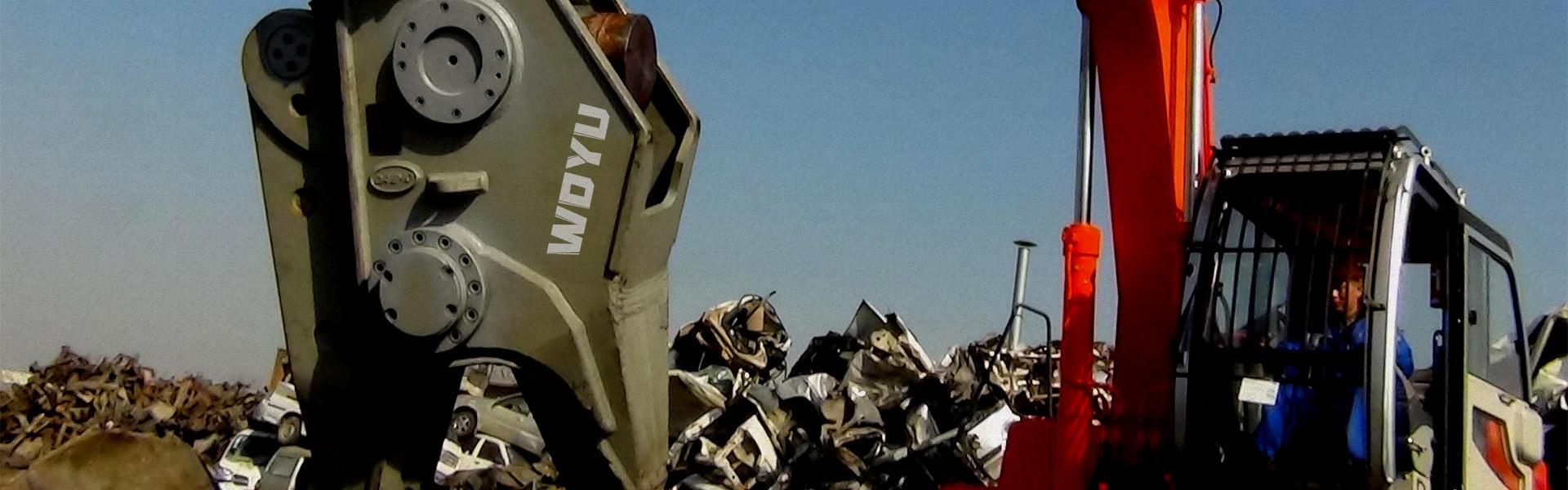
Woyu mechanical equipment
Various types of wood grabs (steel and stone), crushing pliers, double cylinder shears, hydraulic suction cups and other accessories
02
2024
-
01
The Evolution and Significance of Stone Tools in the Manufacturing Industry
Introduction:
Stone tools have been integral to human civilization for thousands of years. In the manufacturing industry, particularly in the field of electrically powered stone cutting machines, stone tools play a crucial role in shaping, cutting, and refining the surfaces of various materials. This article delves into the evolution of stone tools and sheds light on their significance in the modern manufacturing industry.
1. Stone Tools: A Historical Perspective
Stone tools have a rich history dating back to the Paleolithic era. Early humans used primitive stone tools for hunting, gathering, and crafting. Over time, these tools evolved, becoming more refined and specialized. Today, stone tools are extensively used in the manufacturing industry to enhance productivity and precision.
2. The Significance of Stone Tools in Manufacturing
Stone tools, specifically in the context of electrically powered stone cutting machines, offer several advantages. They provide the necessary abrasion and cutting capabilities to shape and refine different types of stone, including marble, granite, and limestone. Stone cutting machines equipped with advanced stone tools enable precise and efficient cutting, resulting in high-quality finished products.
3. Applications of Stone Tools in the Manufacturing Industry
Stone tools find diverse applications in the manufacturing industry. They are used in the production of countertops, flooring tiles, monuments, sculptures, and architectural elements. Stone cutting machines, driven by these tools, ensure the accurate execution of intricate designs and patterns, meeting the demands of various industries such as construction, interior design, and art.
4. Technological Advancements in Stone Tools
With advancements in manufacturing technology, stone tools have also evolved. Diamond-tipped tools, for example, are now commonly used due to their superior cutting efficiency and durability. These tools, coupled with electrically powered stone cutting machines, enable manufacturers to achieve intricate and precise cuts, resulting in high-quality finished products.
5. The Benefits of Stone Tools in Manufacturing
Stone tools offer numerous benefits to manufacturers in the industry. They enhance productivity by reducing manual labor and increasing cutting speed. Stone cutting machines equipped with efficient stone tools save time and resources, resulting in cost-effective production. Additionally, the accuracy and precision achieved with stone tools ensure consistent quality in the final products.
Conclusion:
Stone tools have come a long way, playing a significant role in the evolution of the manufacturing industry, specifically in the realm of electrically powered stone cutting machines. From their humble origins to their present-day advanced forms, stone tools continue to shape and refine various materials with precision and efficiency. Embracing the benefits of stone tools allows manufacturers to meet the demands of modern industries while maintaining quality and productivity.
Stone tools have been integral to human civilization for thousands of years. In the manufacturing industry, particularly in the field of electrically powered stone cutting machines, stone tools play a crucial role in shaping, cutting, and refining the surfaces of various materials. This article delves into the evolution of stone tools and sheds light on their significance in the modern manufacturing industry.
1. Stone Tools: A Historical Perspective
Stone tools have a rich history dating back to the Paleolithic era. Early humans used primitive stone tools for hunting, gathering, and crafting. Over time, these tools evolved, becoming more refined and specialized. Today, stone tools are extensively used in the manufacturing industry to enhance productivity and precision.
2. The Significance of Stone Tools in Manufacturing
Stone tools, specifically in the context of electrically powered stone cutting machines, offer several advantages. They provide the necessary abrasion and cutting capabilities to shape and refine different types of stone, including marble, granite, and limestone. Stone cutting machines equipped with advanced stone tools enable precise and efficient cutting, resulting in high-quality finished products.
3. Applications of Stone Tools in the Manufacturing Industry
Stone tools find diverse applications in the manufacturing industry. They are used in the production of countertops, flooring tiles, monuments, sculptures, and architectural elements. Stone cutting machines, driven by these tools, ensure the accurate execution of intricate designs and patterns, meeting the demands of various industries such as construction, interior design, and art.
4. Technological Advancements in Stone Tools
With advancements in manufacturing technology, stone tools have also evolved. Diamond-tipped tools, for example, are now commonly used due to their superior cutting efficiency and durability. These tools, coupled with electrically powered stone cutting machines, enable manufacturers to achieve intricate and precise cuts, resulting in high-quality finished products.
5. The Benefits of Stone Tools in Manufacturing
Stone tools offer numerous benefits to manufacturers in the industry. They enhance productivity by reducing manual labor and increasing cutting speed. Stone cutting machines equipped with efficient stone tools save time and resources, resulting in cost-effective production. Additionally, the accuracy and precision achieved with stone tools ensure consistent quality in the final products.
Conclusion:
Stone tools have come a long way, playing a significant role in the evolution of the manufacturing industry, specifically in the realm of electrically powered stone cutting machines. From their humble origins to their present-day advanced forms, stone tools continue to shape and refine various materials with precision and efficiency. Embracing the benefits of stone tools allows manufacturers to meet the demands of modern industries while maintaining quality and productivity.
Satisfied with the service

Product information and technical knowledge
Hebei Woyu