

-
-
ProductsOur products are used in mining, metallurgy, chemical industry, building materials, construction, railway, highway construction and other industries and departments. With superior cost performance, every user can buy more aff

-
CasesOur products are used in mining, metallurgy, chemical industry, building materials, construction, railway, highway construction and other industries and departments. With superior cost performance, every user can buy more aff
-


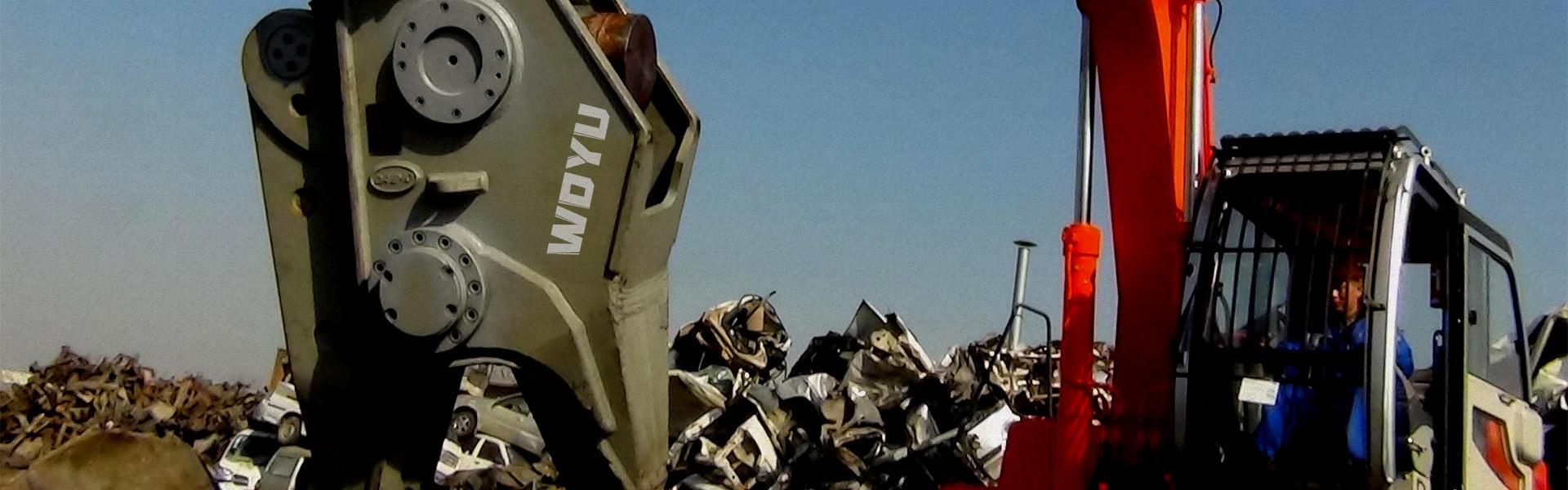
Woyu mechanical equipment
Various types of wood grabs (steel and stone), crushing pliers, double cylinder shears, hydraulic suction cups and other accessories
01
2024
-
01
The Ultimate Guide to Choosing the Right Stone Tool for Your Project
Table of Contents:
1. Introduction: The Importance of Choosing the Right Stone Tool
2. Understanding Stone Tools and their Applications
2.1 Types of Stone Tools
2.2 Common Applications of Stone Tools
3. Factors to Consider When Choosing a Stone Tool
3.1 Project Requirements and Objectives
3.2 Material Compatibility
3.3 Tool Durability and Performance
3.4 Ergonomics and User-Friendliness
3.5 Budget and Value for Money
4. Evaluating Stone Tool Features and Specifications
4.1 Cutting Power and Speed
4.2 Blade Quality and Design
4.3 Dust Collection and Containment
4.4 Safety Features and Enhancements
4.5 Additional Accessories and Attachments
5. Selecting the Right Stone Tool for Specific Projects
5.1 Stone Cutting and Shaping
5.2 Stone Polishing and Finishing
5.3 Stone Drilling and Milling
5.4 Stone Grinding and Smoothing
6. Frequently Asked Questions (FAQs)
6.1 What is the best stone tool for cutting granite?
6.2 Can a stone tool be used for multiple materials?
6.3 How often should I replace the blade of a stone tool?
6.4 Are there any safety precautions I should take when using stone tools?
6.5 Can I use a stone tool for DIY projects at home?
7. Conclusion: Choosing the Right Stone Tool for Optimal Results
When embarking on a stone-related project, whether it's cutting, shaping, drilling, or polishing, selecting the right stone tool can significantly impact the outcome of your endeavor. Investing in a high-quality tool tailored to your specific requirements ensures efficiency, precision, and overall project success. This guide aims to equip you with the knowledge and insights needed to make an informed decision.
2.1 Types of Stone Tools
Stone tools encompass a diverse range of equipment designed for various tasks in the stone processing industry. Some common types include stone cutting saws, stone polishing machines, stone drills, and stone grinders. Each tool serves a specific purpose, catering to different stages of stone processing.
2.2 Common Applications of Stone Tools
Stone tools find extensive use in industries such as construction, architecture, interior design, and sculpture. They facilitate tasks like cutting and shaping stone slabs, polishing and finishing surfaces, drilling holes for installation, and grinding stone edges for a smoother finish.
3.1 Project Requirements and Objectives
Before making a selection, it is crucial to identify your project's specific requirements and objectives. Consider the nature of the task, the type of stone being worked on, and the desired outcome. This initial assessment will guide you in choosing the most suitable tool for your project.
3.2 Material Compatibility
Different stone tools excel in processing specific types of stone. Evaluate the compatibility of the tool with the material you are working on. Factors such as hardness, density, and fragility play a significant role in selecting the right tool that ensures optimal results without causing damage to the stone.
3.3 Tool Durability and Performance
Investing in a durable and high-performance stone tool is essential to maximize productivity and achieve outstanding results. Consider the tool's construction, quality of materials used, and user reviews to gauge its reliability and longevity.
3.4 Ergonomics and User-Friendliness
Working with stone tools for extended periods can be physically demanding. Opt for tools that offer ergonomic features, such as adjustable handles and vibration reduction systems, to minimize fatigue and enhance comfort. User-friendly controls and intuitive operation are also important factors to consider.
3.5 Budget and Value for Money
While it's crucial to invest in a reliable stone tool, it's equally important to consider your budget. Determine the value for money offered by the tool, taking into account its features, performance, and durability. Compare prices from different manufacturers and evaluate the long-term benefits before making a final decision.
4.1 Cutting Power and Speed
When choosing a stone cutting tool, consider its cutting power and speed. The tool should provide sufficient horsepower and RPM (rotations per minute) to effortlessly cut through the stone material, ensuring clean and precise cuts.
4.2 Blade Quality and Design
The quality and design of the blade significantly impact cutting performance and the final result. Look for blades made from high-quality materials such as diamond or carbide, as they offer superior durability and sharpness. Opt for blades with appropriate tooth patterns and configurations for efficient cutting.
4.3 Dust Collection and Containment
Stone cutting and grinding can generate a significant amount of dust, which can be harmful to your health and create a messy work environment. Choose a tool with effective dust collection or containment systems to minimize dust exposure and maintain cleanliness.
4.4 Safety Features and Enhancements
Prioritize your safety by selecting tools with safety features and enhancements. Look for features such as blade guards, emergency stop buttons, and anti-kickback mechanisms to prevent accidents and injuries during operation.
4.5 Additional Accessories and Attachments
Consider the availability of additional accessories and attachments that can expand the functionality of your stone tool. These may include different types of blades, polishing pads, drill bits, or grinding wheels. Having the option to adapt your tool to various tasks adds versatility and convenience to your workflow.
5.1 Stone Cutting and Shaping
For stone cutting and shaping projects, prioritize tools such as stone cutting saws or angle grinders with diamond blades. These tools offer the necessary cutting power and precision to shape stone slabs, tiles, or blocks according to your desired specifications.
5.2 Stone Polishing and Finishing
When it comes to stone polishing and finishing, consider investing in stone polishing machines equipped with variable speed settings and polishing pads. These tools enable you to achieve different levels of shine and smoothness on stone surfaces, enhancing their aesthetic appeal.
5.3 Stone Drilling and Milling
For drilling holes or creating intricate designs on stone surfaces, stone drills or milling machines are essential. Look for drills or mills with diamond-tipped bits or cutters, as they provide superior performance and durability.
5.4 Stone Grinding and Smoothing
To achieve a smooth and flawless finish on stone edges or surfaces, stone grinders with high-quality grinding wheels are ideal. These tools help remove rough edges, imperfections, or blemishes, resulting in a professional-looking end product.
6.1 What is the best stone tool for cutting granite?
The best stone tool for cutting granite is a diamond blade-equipped stone cutting saw or an angle grinder. These tools offer the necessary cutting power and precision to handle the hardness of granite.
6.2 Can a stone tool be used for multiple materials?
Some stone tools can be used on multiple materials, but it is essential to check their compatibility. Different tools are designed for specific stone types, and using the wrong tool on a material can lead to poor results or damage.
6.3 How often should I replace the blade of a stone tool?
The frequency of blade replacement depends on various factors, including the type of stone being worked on, the intensity of use, and the quality of the blade. Regularly inspect the blade for signs of wear, such as dullness or chipping, and replace it as needed to maintain optimal performance.
6.4 Are there any safety precautions I should take when using stone tools?
Yes, when using stone tools, it is essential to wear appropriate personal protective equipment, such as safety glasses, gloves, and hearing protection. Follow the manufacturer's instructions for safe operation, and ensure the workspace is well-ventilated to minimize dust exposure.
6.5 Can I use a stone tool for DIY projects at home?
Yes, stone tools can be used for DIY projects at home, provided you have the necessary skills and knowledge. However, always prioritize safety and follow proper usage guidelines to avoid accidents and ensure satisfactory results.
Selecting the right stone tool is crucial for achieving optimal results in your stone-related projects. By considering factors such as project requirements, material compatibility, tool durability, and performance, you can make an informed decision. Evaluate the features and specifications of stone tools, focusing on cutting power, blade quality, dust collection, safety enhancements, and additional accessories. Tailor your selection to specific project needs, whether it involves cutting, shaping, drilling, or grinding. With the right stone tool in hand, you can enhance productivity, achieve outstanding results, and make your project a resounding success.
1. Introduction: The Importance of Choosing the Right Stone Tool
2. Understanding Stone Tools and their Applications
2.1 Types of Stone Tools
2.2 Common Applications of Stone Tools
3. Factors to Consider When Choosing a Stone Tool
3.1 Project Requirements and Objectives
3.2 Material Compatibility
3.3 Tool Durability and Performance
3.4 Ergonomics and User-Friendliness
3.5 Budget and Value for Money
4. Evaluating Stone Tool Features and Specifications
4.1 Cutting Power and Speed
4.2 Blade Quality and Design
4.3 Dust Collection and Containment
4.4 Safety Features and Enhancements
4.5 Additional Accessories and Attachments
5. Selecting the Right Stone Tool for Specific Projects
5.1 Stone Cutting and Shaping
5.2 Stone Polishing and Finishing
5.3 Stone Drilling and Milling
5.4 Stone Grinding and Smoothing
6. Frequently Asked Questions (FAQs)
6.1 What is the best stone tool for cutting granite?
6.2 Can a stone tool be used for multiple materials?
6.3 How often should I replace the blade of a stone tool?
6.4 Are there any safety precautions I should take when using stone tools?
6.5 Can I use a stone tool for DIY projects at home?
7. Conclusion: Choosing the Right Stone Tool for Optimal Results
When embarking on a stone-related project, whether it's cutting, shaping, drilling, or polishing, selecting the right stone tool can significantly impact the outcome of your endeavor. Investing in a high-quality tool tailored to your specific requirements ensures efficiency, precision, and overall project success. This guide aims to equip you with the knowledge and insights needed to make an informed decision.
2.1 Types of Stone Tools
Stone tools encompass a diverse range of equipment designed for various tasks in the stone processing industry. Some common types include stone cutting saws, stone polishing machines, stone drills, and stone grinders. Each tool serves a specific purpose, catering to different stages of stone processing.
2.2 Common Applications of Stone Tools
Stone tools find extensive use in industries such as construction, architecture, interior design, and sculpture. They facilitate tasks like cutting and shaping stone slabs, polishing and finishing surfaces, drilling holes for installation, and grinding stone edges for a smoother finish.
3.1 Project Requirements and Objectives
Before making a selection, it is crucial to identify your project's specific requirements and objectives. Consider the nature of the task, the type of stone being worked on, and the desired outcome. This initial assessment will guide you in choosing the most suitable tool for your project.
3.2 Material Compatibility
Different stone tools excel in processing specific types of stone. Evaluate the compatibility of the tool with the material you are working on. Factors such as hardness, density, and fragility play a significant role in selecting the right tool that ensures optimal results without causing damage to the stone.
3.3 Tool Durability and Performance
Investing in a durable and high-performance stone tool is essential to maximize productivity and achieve outstanding results. Consider the tool's construction, quality of materials used, and user reviews to gauge its reliability and longevity.
3.4 Ergonomics and User-Friendliness
Working with stone tools for extended periods can be physically demanding. Opt for tools that offer ergonomic features, such as adjustable handles and vibration reduction systems, to minimize fatigue and enhance comfort. User-friendly controls and intuitive operation are also important factors to consider.
3.5 Budget and Value for Money
While it's crucial to invest in a reliable stone tool, it's equally important to consider your budget. Determine the value for money offered by the tool, taking into account its features, performance, and durability. Compare prices from different manufacturers and evaluate the long-term benefits before making a final decision.
4.1 Cutting Power and Speed
When choosing a stone cutting tool, consider its cutting power and speed. The tool should provide sufficient horsepower and RPM (rotations per minute) to effortlessly cut through the stone material, ensuring clean and precise cuts.
4.2 Blade Quality and Design
The quality and design of the blade significantly impact cutting performance and the final result. Look for blades made from high-quality materials such as diamond or carbide, as they offer superior durability and sharpness. Opt for blades with appropriate tooth patterns and configurations for efficient cutting.
4.3 Dust Collection and Containment
Stone cutting and grinding can generate a significant amount of dust, which can be harmful to your health and create a messy work environment. Choose a tool with effective dust collection or containment systems to minimize dust exposure and maintain cleanliness.
4.4 Safety Features and Enhancements
Prioritize your safety by selecting tools with safety features and enhancements. Look for features such as blade guards, emergency stop buttons, and anti-kickback mechanisms to prevent accidents and injuries during operation.
4.5 Additional Accessories and Attachments
Consider the availability of additional accessories and attachments that can expand the functionality of your stone tool. These may include different types of blades, polishing pads, drill bits, or grinding wheels. Having the option to adapt your tool to various tasks adds versatility and convenience to your workflow.
5.1 Stone Cutting and Shaping
For stone cutting and shaping projects, prioritize tools such as stone cutting saws or angle grinders with diamond blades. These tools offer the necessary cutting power and precision to shape stone slabs, tiles, or blocks according to your desired specifications.
5.2 Stone Polishing and Finishing
When it comes to stone polishing and finishing, consider investing in stone polishing machines equipped with variable speed settings and polishing pads. These tools enable you to achieve different levels of shine and smoothness on stone surfaces, enhancing their aesthetic appeal.
5.3 Stone Drilling and Milling
For drilling holes or creating intricate designs on stone surfaces, stone drills or milling machines are essential. Look for drills or mills with diamond-tipped bits or cutters, as they provide superior performance and durability.
5.4 Stone Grinding and Smoothing
To achieve a smooth and flawless finish on stone edges or surfaces, stone grinders with high-quality grinding wheels are ideal. These tools help remove rough edges, imperfections, or blemishes, resulting in a professional-looking end product.
6.1 What is the best stone tool for cutting granite?
The best stone tool for cutting granite is a diamond blade-equipped stone cutting saw or an angle grinder. These tools offer the necessary cutting power and precision to handle the hardness of granite.
6.2 Can a stone tool be used for multiple materials?
Some stone tools can be used on multiple materials, but it is essential to check their compatibility. Different tools are designed for specific stone types, and using the wrong tool on a material can lead to poor results or damage.
6.3 How often should I replace the blade of a stone tool?
The frequency of blade replacement depends on various factors, including the type of stone being worked on, the intensity of use, and the quality of the blade. Regularly inspect the blade for signs of wear, such as dullness or chipping, and replace it as needed to maintain optimal performance.
6.4 Are there any safety precautions I should take when using stone tools?
Yes, when using stone tools, it is essential to wear appropriate personal protective equipment, such as safety glasses, gloves, and hearing protection. Follow the manufacturer's instructions for safe operation, and ensure the workspace is well-ventilated to minimize dust exposure.
6.5 Can I use a stone tool for DIY projects at home?
Yes, stone tools can be used for DIY projects at home, provided you have the necessary skills and knowledge. However, always prioritize safety and follow proper usage guidelines to avoid accidents and ensure satisfactory results.
Selecting the right stone tool is crucial for achieving optimal results in your stone-related projects. By considering factors such as project requirements, material compatibility, tool durability, and performance, you can make an informed decision. Evaluate the features and specifications of stone tools, focusing on cutting power, blade quality, dust collection, safety enhancements, and additional accessories. Tailor your selection to specific project needs, whether it involves cutting, shaping, drilling, or grinding. With the right stone tool in hand, you can enhance productivity, achieve outstanding results, and make your project a resounding success.
Satisfied with the service

Product information and technical knowledge
Hebei Woyu