

-
-
ProductsOur products are used in mining, metallurgy, chemical industry, building materials, construction, railway, highway construction and other industries and departments. With superior cost performance, every user can buy more aff

-
CasesOur products are used in mining, metallurgy, chemical industry, building materials, construction, railway, highway construction and other industries and departments. With superior cost performance, every user can buy more aff
-


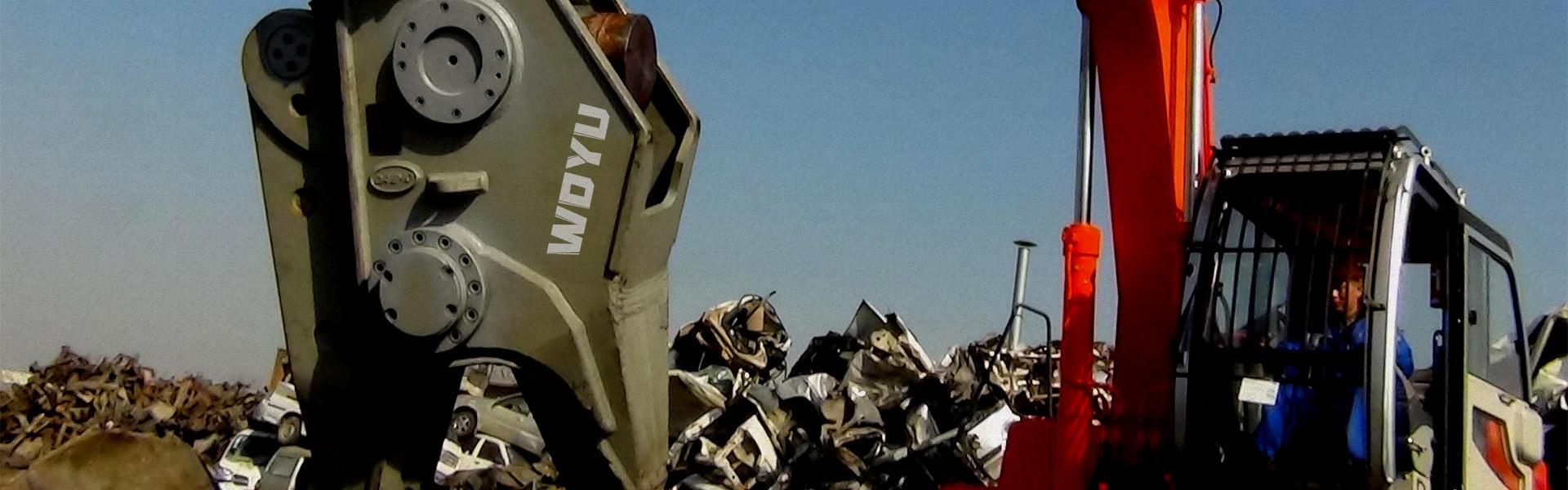
Woyu mechanical equipment
Various types of wood grabs (steel and stone), crushing pliers, double cylinder shears, hydraulic suction cups and other accessories
31
2023
-
12
The Ultimate Guide to Grasping Saws: Unleashing the Power of Metal Cutting
Introduction:
Grasping saws are a game-changer in the hardware industry, particularly in the realm of metal cutting. With their unique design and functionality, these saws have become an indispensable tool for DIY enthusiasts and professionals alike. In this comprehensive guide, we will delve into the world of grasping saws, exploring their applications, benefits, and the incredible impact they have on metal cutting techniques.
Section 1: What is a Grasping Saw?
Grasping saws, also known as grip saws, are a type of hand tool specifically designed for precision cutting. They feature a comfortable handle and a cutting blade, making them ideal for tasks that require precise control and accuracy. Unlike conventional saws, grasping saws excel in tackling intricate cuts, especially in hard materials like metal.
Section 2: Applications of Grasping Saws
Grasping saws are widely used in various industries, including carpentry, metalworking, and general construction. These versatile tools are particularly effective for tasks such as:
1. Metal Cutting: Grasping saws shine when it comes to cutting through metal sheets, pipes, and rods. Their sharp and sturdy blades, combined with the user's control, allow for smooth and precise cuts, reducing the need for additional finishing work.
2. Fine Woodworking: Craftsmen and DIY enthusiasts appreciate the accuracy and control offered by grasping saws when working with delicate wood projects. From intricate designs to shaping small pieces, these saws provide unparalleled cutting precision.
3. Plumbing and Electrical Work: Grasping saws are indispensable for tasks that involve cutting pipes, conduit, or other materials in cramped spaces. Their compact size and maneuverability enable professionals to make precise cuts without damaging surrounding structures.
Section 3: The Advantages of Grasping Saws
Grasping saws offer numerous advantages that set them apart from other cutting tools:
1. Precision: The ergonomic design of grasping saws allows for precise control, enabling users to achieve accurate cuts even in intricate patterns or tight spaces.
2. Versatility: Grasping saws are suitable for cutting a wide range of materials, including metal, wood, plastic, and more. This versatility makes them a must-have tool for any handyman or professional.
3. Portability: With their compact size, grasping saws are easy to carry around, making them suitable for on-the-go projects or working in confined areas.
4. Cost-Effective: Investing in a high-quality grasping saw can save both time and money. Their efficiency in cutting and the reduction of finishing work needed contribute to overall cost savings in projects.
Section 4: Enhancing Your Grasping Saw Techniques
To maximize the potential of your grasping saw, consider the following tips:
1. Blade Selection: Different materials may require specific blades for optimal cutting results. Research and choose the appropriate blade type and teeth per inch (TPI) for your project.
2. Safety First: Always use personal protective equipment, such as safety goggles and gloves, to ensure your safety while operating a grasping saw.
3. Proper Grip: Maintain a firm grip on the saw handle and position your fingers away from the cutting path to minimize the risk of accidents.
4. Slow and Steady: Allow the saw to do the work by applying gentle pressure and maintaining a steady pace. Rushing can lead to inaccurate cuts or blade damage.
Conclusion:
Grasping saws are an essential tool for anyone involved in metal cutting or fine woodworking. By understanding their applications, benefits, and proper techniques, you can unlock the full potential of these precision instruments. Whether you are a DIY enthusiast or a seasoned professional, a grasping saw is a worthy addition to your toolbox, empowering you to achieve unparalleled accuracy and efficiency in your projects.
Grasping saws are a game-changer in the hardware industry, particularly in the realm of metal cutting. With their unique design and functionality, these saws have become an indispensable tool for DIY enthusiasts and professionals alike. In this comprehensive guide, we will delve into the world of grasping saws, exploring their applications, benefits, and the incredible impact they have on metal cutting techniques.
Section 1: What is a Grasping Saw?
Grasping saws, also known as grip saws, are a type of hand tool specifically designed for precision cutting. They feature a comfortable handle and a cutting blade, making them ideal for tasks that require precise control and accuracy. Unlike conventional saws, grasping saws excel in tackling intricate cuts, especially in hard materials like metal.
Section 2: Applications of Grasping Saws
Grasping saws are widely used in various industries, including carpentry, metalworking, and general construction. These versatile tools are particularly effective for tasks such as:
1. Metal Cutting: Grasping saws shine when it comes to cutting through metal sheets, pipes, and rods. Their sharp and sturdy blades, combined with the user's control, allow for smooth and precise cuts, reducing the need for additional finishing work.
2. Fine Woodworking: Craftsmen and DIY enthusiasts appreciate the accuracy and control offered by grasping saws when working with delicate wood projects. From intricate designs to shaping small pieces, these saws provide unparalleled cutting precision.
3. Plumbing and Electrical Work: Grasping saws are indispensable for tasks that involve cutting pipes, conduit, or other materials in cramped spaces. Their compact size and maneuverability enable professionals to make precise cuts without damaging surrounding structures.
Section 3: The Advantages of Grasping Saws
Grasping saws offer numerous advantages that set them apart from other cutting tools:
1. Precision: The ergonomic design of grasping saws allows for precise control, enabling users to achieve accurate cuts even in intricate patterns or tight spaces.
2. Versatility: Grasping saws are suitable for cutting a wide range of materials, including metal, wood, plastic, and more. This versatility makes them a must-have tool for any handyman or professional.
3. Portability: With their compact size, grasping saws are easy to carry around, making them suitable for on-the-go projects or working in confined areas.
4. Cost-Effective: Investing in a high-quality grasping saw can save both time and money. Their efficiency in cutting and the reduction of finishing work needed contribute to overall cost savings in projects.
Section 4: Enhancing Your Grasping Saw Techniques
To maximize the potential of your grasping saw, consider the following tips:
1. Blade Selection: Different materials may require specific blades for optimal cutting results. Research and choose the appropriate blade type and teeth per inch (TPI) for your project.
2. Safety First: Always use personal protective equipment, such as safety goggles and gloves, to ensure your safety while operating a grasping saw.
3. Proper Grip: Maintain a firm grip on the saw handle and position your fingers away from the cutting path to minimize the risk of accidents.
4. Slow and Steady: Allow the saw to do the work by applying gentle pressure and maintaining a steady pace. Rushing can lead to inaccurate cuts or blade damage.
Conclusion:
Grasping saws are an essential tool for anyone involved in metal cutting or fine woodworking. By understanding their applications, benefits, and proper techniques, you can unlock the full potential of these precision instruments. Whether you are a DIY enthusiast or a seasoned professional, a grasping saw is a worthy addition to your toolbox, empowering you to achieve unparalleled accuracy and efficiency in your projects.
Satisfied with the service

Product information and technical knowledge
Hebei Woyu