

-
-
ProductsOur products are used in mining, metallurgy, chemical industry, building materials, construction, railway, highway construction and other industries and departments. With superior cost performance, every user can buy more aff

-
CasesOur products are used in mining, metallurgy, chemical industry, building materials, construction, railway, highway construction and other industries and departments. With superior cost performance, every user can buy more aff
-


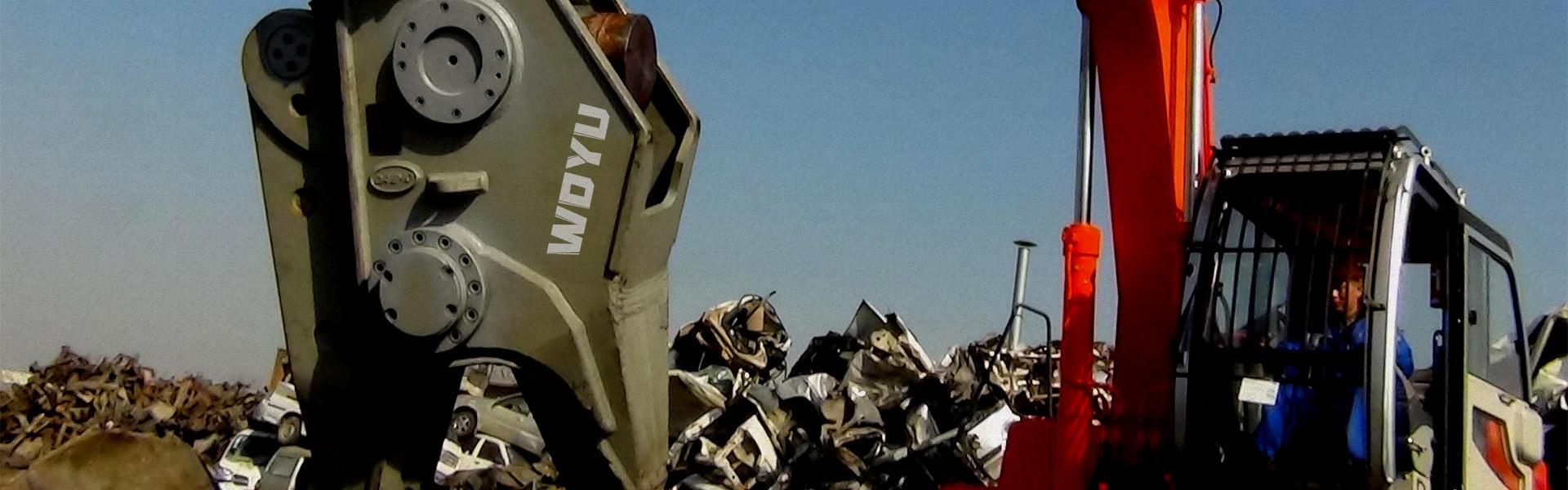
Woyu mechanical equipment
Various types of wood grabs (steel and stone), crushing pliers, double cylinder shears, hydraulic suction cups and other accessories
19
2023
-
12
Maximizing Efficiency: Tips for Properly Maintaining Hydraulic Suction Cups
Table of Contents
1. Introduction to Hydraulic Suction Cups
2. Importance of Regular Maintenance
3. Tips for Properly Maintaining Hydraulic Suction Cups
3.1 Inspecting and Cleaning Suction Cups
3.2 Checking and Adjusting Vacuum Pressure
3.3 Lubricating Suction Cup Components
3.4 Replacing Worn-out or Damaged Suction Cups
3.5 Storing Suction Cups Properly
4. Frequently Asked Questions (FAQs)
4.1 How often should hydraulic suction cups be inspected?
4.2 Can I use any cleaning agents on the suction cups?
4.3 How can I check the vacuum pressure?
4.4 What lubricants should I use for suction cup maintenance?
4.5 When should I replace suction cups?
5. Conclusion
1. Introduction to Hydraulic Suction Cups
Hydraulic suction cups play a crucial role in various industries, particularly in manufacturing and processing machinery. These versatile devices rely on vacuum pressure to firmly hold and manipulate objects, ensuring smooth and efficient operations. To maintain their optimal performance, it is essential to implement regular maintenance practices. In this article, we will explore the importance of properly maintaining hydraulic suction cups and provide valuable tips to maximize their efficiency.
2. Importance of Regular Maintenance
Regular maintenance is vital for hydraulic suction cups to operate at their best. Neglecting maintenance can lead to decreased suction power, reduced productivity, and increased risk of accidents. By investing time and effort into maintaining your suction cups, you can avoid costly breakdowns, extend their lifespan, and ensure uninterrupted workflow.
3. Tips for Properly Maintaining Hydraulic Suction Cups
3.1 Inspecting and Cleaning Suction Cups
Regular inspections are crucial to identify any damage or wear on the suction cups. Inspect the cups thoroughly for cracks, tears, or deformities that may affect their performance. Additionally, check for any buildup of dirt, debris, or adhesive residue that can hinder their suction power.
To clean the suction cups effectively, follow these steps:
1. Remove the suction cups from the equipment.
2. Use a mild detergent or specialized cleaner recommended by the manufacturer.
3. Gently scrub the cups with a soft brush or cloth to remove any dirt or residue.
4. Rinse the cups thoroughly with clean water.
5. Allow the cups to air dry completely before reinstalling them.
3.2 Checking and Adjusting Vacuum Pressure
Maintaining the correct vacuum pressure is essential for optimal suction cup performance. Regularly check the vacuum pressure using a pressure gauge or a built-in pressure monitor. If the pressure falls below the recommended range, adjust it accordingly. Consult the equipment manual or seek guidance from a professional to ensure accurate adjustments.
3.3 Lubricating Suction Cup Components
Proper lubrication helps reduce friction and wear on the suction cup components, allowing them to function smoothly. Apply a thin layer of lubricant to the moving parts, such as the pivot points and hinges. Choose a lubricant recommended by the manufacturer to ensure compatibility and maximize the effectiveness of the lubrication.
3.4 Replacing Worn-out or Damaged Suction Cups
Regularly assess the condition of the suction cups and promptly replace any that show signs of wear or damage. Worn-out or damaged suction cups can compromise their suction power, leading to reduced efficiency and potential safety hazards. Refer to the equipment manual or consult the manufacturer for guidance on the appropriate replacement procedure.
3.5 Storing Suction Cups Properly
When the suction cups are not in use, proper storage is crucial to maintain their performance and prevent damage. Follow these guidelines for storing suction cups:
- Clean the cups thoroughly before storage to remove any contaminants.
- Store the cups in a clean and dry environment, away from direct sunlight.
- Avoid placing heavy objects on top of the cups to prevent deformation.
- Use protective covers or containers to shield the cups from dust and impact.
4. Frequently Asked Questions (FAQs)
4.1 How often should hydraulic suction cups be inspected?
It is recommended to inspect hydraulic suction cups on a regular basis, ideally before each use. However, the frequency of inspections may vary depending on the specific application, operating conditions, and the manufacturer's recommendations.
4.2 Can I use any cleaning agents on the suction cups?
It is important to use cleaning agents that are safe and compatible with the materials of the suction cups. Avoid using harsh chemicals or abrasive cleaners that can damage the cups. Always refer to the manufacturer's guidelines for recommended cleaning agents.
4.3 How can I check the vacuum pressure?
To check the vacuum pressure, use a pressure gauge or a built-in pressure monitor if available. Connect the gauge to the suction cup assembly and ensure that the pressure reading falls within the recommended range specified by the manufacturer.
4.4 What lubricants should I use for suction cup maintenance?
Use lubricants specifically recommended by the manufacturer to ensure compatibility and effectiveness. Silicone-based lubricants are commonly used for hydraulic suction cups due to their excellent lubricating properties and resistance to high temperatures.
4.5 When should I replace suction cups?
Suction cups should be replaced when they show signs of wear, damage, or a significant decrease in suction power. Regular inspections and prompt replacement of worn-out or damaged suction cups are crucial to maintain efficiency and safety.
5. Conclusion
Proper maintenance is the key to maximizing efficiency and prolonging the lifespan of hydraulic suction cups. By following the tips outlined in this article, you can ensure optimal performance, reduce downtime, and enhance productivity. Regularly inspecting and cleaning the suction cups, checking and adjusting vacuum pressure, lubricating components, and promptly replacing worn-out cups are essential maintenance practices. Remember to store the suction cups properly when not in use. By implementing these maintenance strategies, you can optimize the performance of your hydraulic suction cups and achieve outstanding results in your manufacturing and processing operations.
1. Introduction to Hydraulic Suction Cups
2. Importance of Regular Maintenance
3. Tips for Properly Maintaining Hydraulic Suction Cups
3.1 Inspecting and Cleaning Suction Cups
3.2 Checking and Adjusting Vacuum Pressure
3.3 Lubricating Suction Cup Components
3.4 Replacing Worn-out or Damaged Suction Cups
3.5 Storing Suction Cups Properly
4. Frequently Asked Questions (FAQs)
4.1 How often should hydraulic suction cups be inspected?
4.2 Can I use any cleaning agents on the suction cups?
4.3 How can I check the vacuum pressure?
4.4 What lubricants should I use for suction cup maintenance?
4.5 When should I replace suction cups?
5. Conclusion
1. Introduction to Hydraulic Suction Cups
Hydraulic suction cups play a crucial role in various industries, particularly in manufacturing and processing machinery. These versatile devices rely on vacuum pressure to firmly hold and manipulate objects, ensuring smooth and efficient operations. To maintain their optimal performance, it is essential to implement regular maintenance practices. In this article, we will explore the importance of properly maintaining hydraulic suction cups and provide valuable tips to maximize their efficiency.
2. Importance of Regular Maintenance
Regular maintenance is vital for hydraulic suction cups to operate at their best. Neglecting maintenance can lead to decreased suction power, reduced productivity, and increased risk of accidents. By investing time and effort into maintaining your suction cups, you can avoid costly breakdowns, extend their lifespan, and ensure uninterrupted workflow.
3. Tips for Properly Maintaining Hydraulic Suction Cups
3.1 Inspecting and Cleaning Suction Cups
Regular inspections are crucial to identify any damage or wear on the suction cups. Inspect the cups thoroughly for cracks, tears, or deformities that may affect their performance. Additionally, check for any buildup of dirt, debris, or adhesive residue that can hinder their suction power.
To clean the suction cups effectively, follow these steps:
1. Remove the suction cups from the equipment.
2. Use a mild detergent or specialized cleaner recommended by the manufacturer.
3. Gently scrub the cups with a soft brush or cloth to remove any dirt or residue.
4. Rinse the cups thoroughly with clean water.
5. Allow the cups to air dry completely before reinstalling them.
3.2 Checking and Adjusting Vacuum Pressure
Maintaining the correct vacuum pressure is essential for optimal suction cup performance. Regularly check the vacuum pressure using a pressure gauge or a built-in pressure monitor. If the pressure falls below the recommended range, adjust it accordingly. Consult the equipment manual or seek guidance from a professional to ensure accurate adjustments.
3.3 Lubricating Suction Cup Components
Proper lubrication helps reduce friction and wear on the suction cup components, allowing them to function smoothly. Apply a thin layer of lubricant to the moving parts, such as the pivot points and hinges. Choose a lubricant recommended by the manufacturer to ensure compatibility and maximize the effectiveness of the lubrication.
3.4 Replacing Worn-out or Damaged Suction Cups
Regularly assess the condition of the suction cups and promptly replace any that show signs of wear or damage. Worn-out or damaged suction cups can compromise their suction power, leading to reduced efficiency and potential safety hazards. Refer to the equipment manual or consult the manufacturer for guidance on the appropriate replacement procedure.
3.5 Storing Suction Cups Properly
When the suction cups are not in use, proper storage is crucial to maintain their performance and prevent damage. Follow these guidelines for storing suction cups:
- Clean the cups thoroughly before storage to remove any contaminants.
- Store the cups in a clean and dry environment, away from direct sunlight.
- Avoid placing heavy objects on top of the cups to prevent deformation.
- Use protective covers or containers to shield the cups from dust and impact.
4. Frequently Asked Questions (FAQs)
4.1 How often should hydraulic suction cups be inspected?
It is recommended to inspect hydraulic suction cups on a regular basis, ideally before each use. However, the frequency of inspections may vary depending on the specific application, operating conditions, and the manufacturer's recommendations.
4.2 Can I use any cleaning agents on the suction cups?
It is important to use cleaning agents that are safe and compatible with the materials of the suction cups. Avoid using harsh chemicals or abrasive cleaners that can damage the cups. Always refer to the manufacturer's guidelines for recommended cleaning agents.
4.3 How can I check the vacuum pressure?
To check the vacuum pressure, use a pressure gauge or a built-in pressure monitor if available. Connect the gauge to the suction cup assembly and ensure that the pressure reading falls within the recommended range specified by the manufacturer.
4.4 What lubricants should I use for suction cup maintenance?
Use lubricants specifically recommended by the manufacturer to ensure compatibility and effectiveness. Silicone-based lubricants are commonly used for hydraulic suction cups due to their excellent lubricating properties and resistance to high temperatures.
4.5 When should I replace suction cups?
Suction cups should be replaced when they show signs of wear, damage, or a significant decrease in suction power. Regular inspections and prompt replacement of worn-out or damaged suction cups are crucial to maintain efficiency and safety.
5. Conclusion
Proper maintenance is the key to maximizing efficiency and prolonging the lifespan of hydraulic suction cups. By following the tips outlined in this article, you can ensure optimal performance, reduce downtime, and enhance productivity. Regularly inspecting and cleaning the suction cups, checking and adjusting vacuum pressure, lubricating components, and promptly replacing worn-out cups are essential maintenance practices. Remember to store the suction cups properly when not in use. By implementing these maintenance strategies, you can optimize the performance of your hydraulic suction cups and achieve outstanding results in your manufacturing and processing operations.
Satisfied with the service

Product information and technical knowledge
Hebei Woyu