

-
-
ProductsOur products are used in mining, metallurgy, chemical industry, building materials, construction, railway, highway construction and other industries and departments. With superior cost performance, every user can buy more aff

-
CasesOur products are used in mining, metallurgy, chemical industry, building materials, construction, railway, highway construction and other industries and departments. With superior cost performance, every user can buy more aff
-


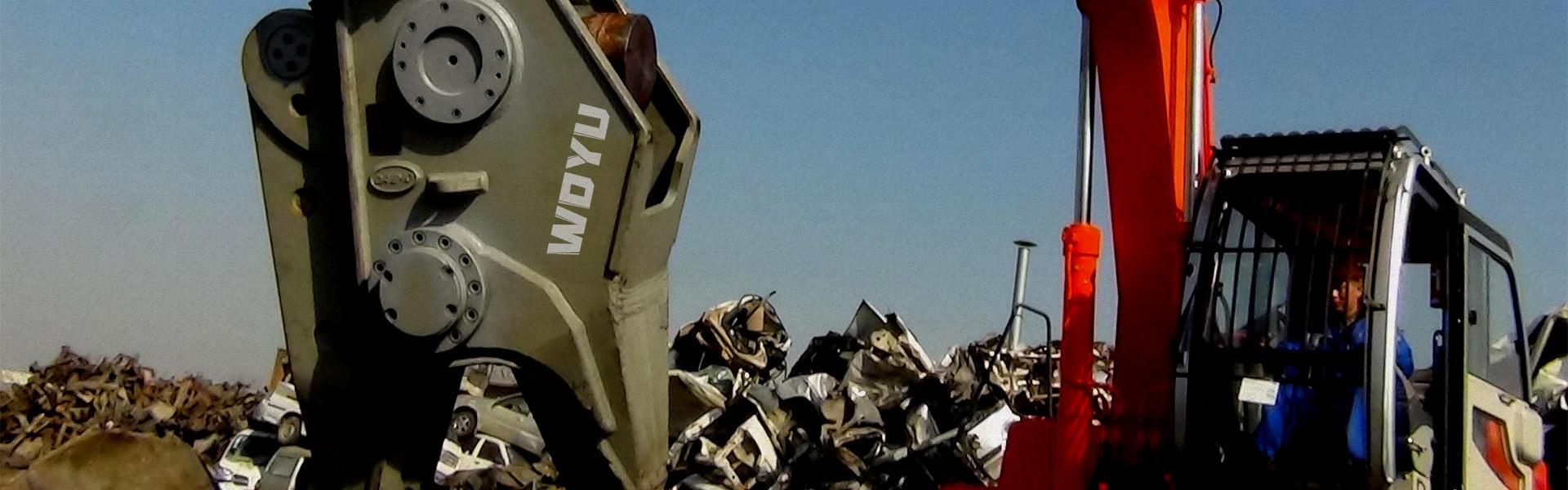
Woyu mechanical equipment
Various types of wood grabs (steel and stone), crushing pliers, double cylinder shears, hydraulic suction cups and other accessories
19
2023
-
12
How to Choose the Right Hydraulic Suction Cup for Your Machine Tools
Table of Contents:
1. Understanding the Importance of Hydraulic Suction Cups
2. Different Types of Hydraulic Suction Cups
2.1 Flat Suction Cups
2.2 Bellows Suction Cups
2.3 Oval Suction Cups
2.4 Deep Concave Suction Cups
3. Factors to Consider When Choosing Hydraulic Suction Cups
3.1 Load Capacity
3.2 Material Compatibility
3.3 Shape and Size
3.4 Suction Cup Mounting
3.5 Operating Environment
3.6 Maintenance and Durability
4. Frequently Asked Questions (FAQs)
4.1 Can I use any suction cup for all types of machine tools?
4.2 Are there any weight limitations for hydraulic suction cups?
4.3 What materials are commonly used for manufacturing hydraulic suction cups?
4.4 How do I determine the right size of suction cup for my machine tool?
4.5 What are some maintenance tips for hydraulic suction cups?
5. Conclusion
1. Understanding the Importance of Hydraulic Suction Cups
Hydraulic suction cups play a crucial role in machine tool operations, providing a secure and reliable grip on workpieces. These cups create a vacuum seal, allowing the machine tool to lift, move, and manipulate various objects with ease. Choosing the right hydraulic suction cup is essential to ensure optimal performance and safety.
2. Different Types of Hydraulic Suction Cups
2.1 Flat Suction Cups
Flat suction cups are versatile and commonly used for handling smooth and flat surfaces. They provide a large contact area, ensuring stability during lifting and transportation. These cups are suitable for applications such as glass handling, sheet metal processing, and packaging industries.
2.2 Bellows Suction Cups
Bellows suction cups are designed to handle irregularly shaped objects or those with curved surfaces. The bellows structure allows for flexibility and adaptability, enabling a secure grip on different workpieces. These cups are commonly used in industries such as automotive, robotics, and woodworking.
2.3 Oval Suction Cups
Oval suction cups are ideal for handling long and narrow objects. Their elongated shape provides a better grip on cylindrical or tubular workpieces. These cups are commonly used in industries like printing, packaging, and textile.
2.4 Deep Concave Suction Cups
Deep concave suction cups are specifically designed to handle objects with concave or curved surfaces. The deep cavity ensures a firm grip, even on challenging materials. These cups are widely used in industries such as automotive, glass manufacturing, and ceramics.
3. Factors to Consider When Choosing Hydraulic Suction Cups
3.1 Load Capacity
Consider the weight of the workpieces your machine tools will handle. Ensure that the chosen suction cup has the appropriate load-bearing capacity to avoid any accidents or inefficiencies.
3.2 Material Compatibility
Different materials may require specific suction cups for optimal grip. Ensure that the chosen suction cup material is compatible with the workpiece material to avoid any damage or slippage.
3.3 Shape and Size
Select a suction cup shape and size that matches the contour and dimensions of your workpieces. A well-fitted suction cup will provide a more secure grip and enhance overall efficiency.
3.4 Suction Cup Mounting
Consider the mounting options available for the suction cup. Whether it is a direct mount or a bracket mount, ensure that it is compatible with your machine tool's setup.
3.5 Operating Environment
Evaluate the environmental conditions in which your machine tools operate. Factors such as temperature, humidity, and exposure to chemicals or oils can impact the performance and durability of suction cups. Choose cups that can withstand these conditions.
3.6 Maintenance and Durability
Consider the ease of maintenance and the durability of the suction cup. Opt for cups that are easy to clean, replace, and maintain, as this will contribute to the longevity and reliability of your machine tools.
4. Frequently Asked Questions (FAQs)
4.1 Can I use any suction cup for all types of machine tools?
No, different machine tools may require specific types of suction cups based on their applications and workpiece characteristics. It is crucial to choose the right suction cup for optimal performance.
4.2 Are there any weight limitations for hydraulic suction cups?
Yes, each suction cup has a load capacity specified by the manufacturer. It is important to consider this limit and choose a suction cup that can handle the weight of your workpieces.
4.3 What materials are commonly used for manufacturing hydraulic suction cups?
Materials such as silicone, nitrile rubber, and polyurethane are commonly used for manufacturing hydraulic suction cups. These materials offer excellent gripping properties and durability.
4.4 How do I determine the right size of suction cup for my machine tool?
The size of the suction cup should match the dimensions of your workpiece. Measure the surface area that needs to be lifted and choose a suction cup with a slightly larger diameter for a secure grip.
4.5 What are some maintenance tips for hydraulic suction cups?
Regularly inspect the suction cups for any wear or damage. Clean them with mild detergent and water to remove any debris or residue. Replace worn-out or damaged suction cups promptly to maintain optimal performance.
5. Conclusion
Choosing the right hydraulic suction cup for your machine tools is crucial for efficient and safe operations. Consider factors such as load capacity, material compatibility, shape and size, mounting options, operating environment, and maintenance requirements. By selecting the appropriate suction cup, you can enhance the productivity and longevity of your machine tools, ultimately improving your overall workflow.
1. Understanding the Importance of Hydraulic Suction Cups
2. Different Types of Hydraulic Suction Cups
2.1 Flat Suction Cups
2.2 Bellows Suction Cups
2.3 Oval Suction Cups
2.4 Deep Concave Suction Cups
3. Factors to Consider When Choosing Hydraulic Suction Cups
3.1 Load Capacity
3.2 Material Compatibility
3.3 Shape and Size
3.4 Suction Cup Mounting
3.5 Operating Environment
3.6 Maintenance and Durability
4. Frequently Asked Questions (FAQs)
4.1 Can I use any suction cup for all types of machine tools?
4.2 Are there any weight limitations for hydraulic suction cups?
4.3 What materials are commonly used for manufacturing hydraulic suction cups?
4.4 How do I determine the right size of suction cup for my machine tool?
4.5 What are some maintenance tips for hydraulic suction cups?
5. Conclusion
1. Understanding the Importance of Hydraulic Suction Cups
Hydraulic suction cups play a crucial role in machine tool operations, providing a secure and reliable grip on workpieces. These cups create a vacuum seal, allowing the machine tool to lift, move, and manipulate various objects with ease. Choosing the right hydraulic suction cup is essential to ensure optimal performance and safety.
2. Different Types of Hydraulic Suction Cups
2.1 Flat Suction Cups
Flat suction cups are versatile and commonly used for handling smooth and flat surfaces. They provide a large contact area, ensuring stability during lifting and transportation. These cups are suitable for applications such as glass handling, sheet metal processing, and packaging industries.
2.2 Bellows Suction Cups
Bellows suction cups are designed to handle irregularly shaped objects or those with curved surfaces. The bellows structure allows for flexibility and adaptability, enabling a secure grip on different workpieces. These cups are commonly used in industries such as automotive, robotics, and woodworking.
2.3 Oval Suction Cups
Oval suction cups are ideal for handling long and narrow objects. Their elongated shape provides a better grip on cylindrical or tubular workpieces. These cups are commonly used in industries like printing, packaging, and textile.
2.4 Deep Concave Suction Cups
Deep concave suction cups are specifically designed to handle objects with concave or curved surfaces. The deep cavity ensures a firm grip, even on challenging materials. These cups are widely used in industries such as automotive, glass manufacturing, and ceramics.
3. Factors to Consider When Choosing Hydraulic Suction Cups
3.1 Load Capacity
Consider the weight of the workpieces your machine tools will handle. Ensure that the chosen suction cup has the appropriate load-bearing capacity to avoid any accidents or inefficiencies.
3.2 Material Compatibility
Different materials may require specific suction cups for optimal grip. Ensure that the chosen suction cup material is compatible with the workpiece material to avoid any damage or slippage.
3.3 Shape and Size
Select a suction cup shape and size that matches the contour and dimensions of your workpieces. A well-fitted suction cup will provide a more secure grip and enhance overall efficiency.
3.4 Suction Cup Mounting
Consider the mounting options available for the suction cup. Whether it is a direct mount or a bracket mount, ensure that it is compatible with your machine tool's setup.
3.5 Operating Environment
Evaluate the environmental conditions in which your machine tools operate. Factors such as temperature, humidity, and exposure to chemicals or oils can impact the performance and durability of suction cups. Choose cups that can withstand these conditions.
3.6 Maintenance and Durability
Consider the ease of maintenance and the durability of the suction cup. Opt for cups that are easy to clean, replace, and maintain, as this will contribute to the longevity and reliability of your machine tools.
4. Frequently Asked Questions (FAQs)
4.1 Can I use any suction cup for all types of machine tools?
No, different machine tools may require specific types of suction cups based on their applications and workpiece characteristics. It is crucial to choose the right suction cup for optimal performance.
4.2 Are there any weight limitations for hydraulic suction cups?
Yes, each suction cup has a load capacity specified by the manufacturer. It is important to consider this limit and choose a suction cup that can handle the weight of your workpieces.
4.3 What materials are commonly used for manufacturing hydraulic suction cups?
Materials such as silicone, nitrile rubber, and polyurethane are commonly used for manufacturing hydraulic suction cups. These materials offer excellent gripping properties and durability.
4.4 How do I determine the right size of suction cup for my machine tool?
The size of the suction cup should match the dimensions of your workpiece. Measure the surface area that needs to be lifted and choose a suction cup with a slightly larger diameter for a secure grip.
4.5 What are some maintenance tips for hydraulic suction cups?
Regularly inspect the suction cups for any wear or damage. Clean them with mild detergent and water to remove any debris or residue. Replace worn-out or damaged suction cups promptly to maintain optimal performance.
5. Conclusion
Choosing the right hydraulic suction cup for your machine tools is crucial for efficient and safe operations. Consider factors such as load capacity, material compatibility, shape and size, mounting options, operating environment, and maintenance requirements. By selecting the appropriate suction cup, you can enhance the productivity and longevity of your machine tools, ultimately improving your overall workflow.
Satisfied with the service

Product information and technical knowledge
Hebei Woyu