

-
-
ProductsOur products are used in mining, metallurgy, chemical industry, building materials, construction, railway, highway construction and other industries and departments. With superior cost performance, every user can buy more aff

-
CasesOur products are used in mining, metallurgy, chemical industry, building materials, construction, railway, highway construction and other industries and departments. With superior cost performance, every user can buy more aff
-


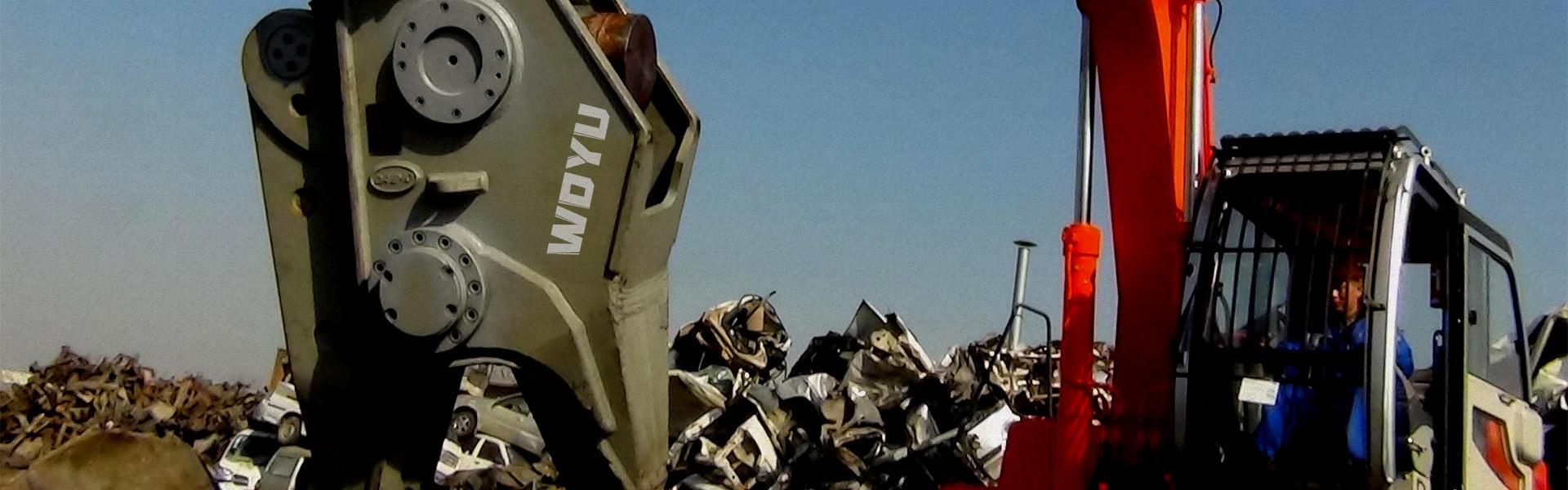
Woyu mechanical equipment
Various types of wood grabs (steel and stone), crushing pliers, double cylinder shears, hydraulic suction cups and other accessories
11
2023
-
12
Understanding the Different Types of Mechanical Disassembling Shears Available
Table of Contents:
1. Introduction
1.1 What are Mechanical Disassembling Shears?
1.2 Importance of Choosing the Right Shear
2. Pneumatic Shears
2.1 Understanding Pneumatic Shears
2.2 Advantages and Applications
3. Hydraulic Shears
3.1 Overview of Hydraulic Shears
3.2 Key Features and Benefits
4. Electric Shears
4.1 Exploring Electric Shears
4.2 Applications and Features
5. Manual Shears
5.1 An Introduction to Manual Shears
5.2 Advantages and Limitations
6. Choosing the Right Mechanical Disassembling Shear
6.1 Factors to Consider
6.2 Assessing Your Needs
6.3 Consulting Experts
7. Frequently Asked Questions (FAQs)
7.1 FAQ 1: What are the main factors to consider when selecting a mechanical disassembling shear?
7.2 FAQ 2: Can pneumatic shears be used for heavy-duty applications?
7.3 FAQ 3: Are electric shears more efficient than hydraulic shears?
7.4 FAQ 4: How long do manual shears typically last?
7.5 FAQ 5: Is it possible to upgrade a manual shear to a hydraulic or electric version?
8. Conclusion
1. Introduction
1.1 What are Mechanical Disassembling Shears?
Mechanical disassembling shears are specialized tools used in the manufacturing and processing machinery industry to cut, trim, or shear various materials. These shears utilize mechanical force, such as pneumatic, hydraulic, electric, or manual power, to perform precise cutting operations. With different types available, it's essential to understand their unique features and applications.
1.2 Importance of Choosing the Right Shear
Selecting the right mechanical disassembling shear is crucial for ensuring efficient and accurate cutting operations. Each type of shear offers distinct advantages and limitations, making it vital to consider factors such as material type, thickness, cutting capacity, and desired precision. By choosing the appropriate shear, you can improve productivity, reduce material waste, and achieve optimal results in your manufacturing processes.
2. Pneumatic Shears
2.1 Understanding Pneumatic Shears
Pneumatic shears are powered by compressed air and are widely used in industrial applications. These shears offer high cutting speeds, making them suitable for various materials, including metal sheets, plastics, and fabrics. Pneumatic shears are known for their precise and clean cuts, making them ideal for tasks that require accuracy.
2.2 Advantages and Applications
The advantages of pneumatic shears include their lightweight design, ease of use, and low maintenance requirements. They are commonly used in automotive manufacturing, sheet metal fabrication, and textile industries. Pneumatic shears are particularly suitable for high-volume production environments where speed and precision are essential.
3. Hydraulic Shears
3.1 Overview of Hydraulic Shears
Hydraulic shears utilize hydraulic power to generate the necessary force for cutting operations. These shears are known for their exceptional cutting capacity and versatility. Hydraulic shears can effortlessly cut through thick and tough materials, including steel, aluminum, and other alloys. They are commonly used in heavy-duty applications.
3.2 Key Features and Benefits
Hydraulic shears offer benefits such as high cutting force, adjustable blade gap, and enhanced safety features. They are suitable for a wide range of materials and can handle large-scale cutting tasks with ease. The ability to control cutting force and blade gap makes hydraulic shears adaptable to various material thicknesses and cutting requirements.
4. Electric Shears
4.1 Exploring Electric Shears
Electric shears are powered by electricity and are designed for precision cutting operations. These shears are commonly used in industries where accuracy and fine details are crucial. Electric shears offer excellent control and are suitable for intricate cutting tasks on materials such as leather, cardboard, and thin metals.
4.2 Applications and Features
Electric shears find applications in industries like garment manufacturing, upholstery, and packaging. They offer benefits like adjustable cutting speed, ergonomic design, and low noise levels. Electric shears are preferred for tasks that require intricate patterns, curves, or delicate materials.
5. Manual Shears
5.1 An Introduction to Manual Shears
Manual shears are operated by hand and are suitable for small-scale cutting tasks. These shears are commonly used in workshops, hobbyist applications, and small production settings. Manual shears offer simplicity and affordability, making them accessible to users with limited resources.
5.2 Advantages and Limitations
Manual shears are lightweight, portable, and do not require a power source, making them highly versatile. However, they are limited in cutting capacity and may not be suitable for thick or hard materials. Manual shears are an excellent choice for occasional or low-volume cutting requirements.
6. Choosing the Right Mechanical Disassembling Shear
6.1 Factors to Consider
When selecting a mechanical disassembling shear, consider factors such as material type, thickness, cutting capacity, precision requirements, and production volume. Each type of shear has its own strengths and limitations, and understanding your specific needs will guide you in making the right choice.
6.2 Assessing Your Needs
Evaluate your production requirements, budget, and available resources to determine the most suitable shear for your operations. Consider factors like the frequency of use, desired cutting quality, workspace limitations, and safety requirements. Assessing your needs thoroughly will help you make an informed decision.
6.3 Consulting Experts
If you are unsure which mechanical disassembling shear is best suited for your application, consult industry experts or manufacturers. They can provide valuable insights, recommend the most appropriate shear, and assist you in optimizing your cutting processes.
7. Frequently Asked Questions (FAQs)
7.1 FAQ 1: What are the main factors to consider when selecting a mechanical disassembling shear?
7.2 FAQ 2: Can pneumatic shears be used for heavy-duty applications?
7.3 FAQ 3: Are electric shears more efficient than hydraulic shears?
7.4 FAQ 4: How long do manual shears typically last?
7.5 FAQ 5: Is it possible to upgrade a manual shear to a hydraulic or electric version?
8. Conclusion
In conclusion, understanding the different types of mechanical disassembling shears available is essential for choosing the right tool for your cutting needs. Whether you opt for pneumatic, hydraulic, electric, or manual shears, each type offers its own set of advantages and applications. By carefully assessing your requirements and consulting experts, you can select a shear that optimizes your manufacturing processes and delivers precise, efficient, and superior cutting results. Invest wisely in the right mechanical disassembling shear and elevate your productivity and quality in the manufacturing and processing machinery industry.
1. Introduction
1.1 What are Mechanical Disassembling Shears?
1.2 Importance of Choosing the Right Shear
2. Pneumatic Shears
2.1 Understanding Pneumatic Shears
2.2 Advantages and Applications
3. Hydraulic Shears
3.1 Overview of Hydraulic Shears
3.2 Key Features and Benefits
4. Electric Shears
4.1 Exploring Electric Shears
4.2 Applications and Features
5. Manual Shears
5.1 An Introduction to Manual Shears
5.2 Advantages and Limitations
6. Choosing the Right Mechanical Disassembling Shear
6.1 Factors to Consider
6.2 Assessing Your Needs
6.3 Consulting Experts
7. Frequently Asked Questions (FAQs)
7.1 FAQ 1: What are the main factors to consider when selecting a mechanical disassembling shear?
7.2 FAQ 2: Can pneumatic shears be used for heavy-duty applications?
7.3 FAQ 3: Are electric shears more efficient than hydraulic shears?
7.4 FAQ 4: How long do manual shears typically last?
7.5 FAQ 5: Is it possible to upgrade a manual shear to a hydraulic or electric version?
8. Conclusion
1. Introduction
1.1 What are Mechanical Disassembling Shears?
Mechanical disassembling shears are specialized tools used in the manufacturing and processing machinery industry to cut, trim, or shear various materials. These shears utilize mechanical force, such as pneumatic, hydraulic, electric, or manual power, to perform precise cutting operations. With different types available, it's essential to understand their unique features and applications.
1.2 Importance of Choosing the Right Shear
Selecting the right mechanical disassembling shear is crucial for ensuring efficient and accurate cutting operations. Each type of shear offers distinct advantages and limitations, making it vital to consider factors such as material type, thickness, cutting capacity, and desired precision. By choosing the appropriate shear, you can improve productivity, reduce material waste, and achieve optimal results in your manufacturing processes.
2. Pneumatic Shears
2.1 Understanding Pneumatic Shears
Pneumatic shears are powered by compressed air and are widely used in industrial applications. These shears offer high cutting speeds, making them suitable for various materials, including metal sheets, plastics, and fabrics. Pneumatic shears are known for their precise and clean cuts, making them ideal for tasks that require accuracy.
2.2 Advantages and Applications
The advantages of pneumatic shears include their lightweight design, ease of use, and low maintenance requirements. They are commonly used in automotive manufacturing, sheet metal fabrication, and textile industries. Pneumatic shears are particularly suitable for high-volume production environments where speed and precision are essential.
3. Hydraulic Shears
3.1 Overview of Hydraulic Shears
Hydraulic shears utilize hydraulic power to generate the necessary force for cutting operations. These shears are known for their exceptional cutting capacity and versatility. Hydraulic shears can effortlessly cut through thick and tough materials, including steel, aluminum, and other alloys. They are commonly used in heavy-duty applications.
3.2 Key Features and Benefits
Hydraulic shears offer benefits such as high cutting force, adjustable blade gap, and enhanced safety features. They are suitable for a wide range of materials and can handle large-scale cutting tasks with ease. The ability to control cutting force and blade gap makes hydraulic shears adaptable to various material thicknesses and cutting requirements.
4. Electric Shears
4.1 Exploring Electric Shears
Electric shears are powered by electricity and are designed for precision cutting operations. These shears are commonly used in industries where accuracy and fine details are crucial. Electric shears offer excellent control and are suitable for intricate cutting tasks on materials such as leather, cardboard, and thin metals.
4.2 Applications and Features
Electric shears find applications in industries like garment manufacturing, upholstery, and packaging. They offer benefits like adjustable cutting speed, ergonomic design, and low noise levels. Electric shears are preferred for tasks that require intricate patterns, curves, or delicate materials.
5. Manual Shears
5.1 An Introduction to Manual Shears
Manual shears are operated by hand and are suitable for small-scale cutting tasks. These shears are commonly used in workshops, hobbyist applications, and small production settings. Manual shears offer simplicity and affordability, making them accessible to users with limited resources.
5.2 Advantages and Limitations
Manual shears are lightweight, portable, and do not require a power source, making them highly versatile. However, they are limited in cutting capacity and may not be suitable for thick or hard materials. Manual shears are an excellent choice for occasional or low-volume cutting requirements.
6. Choosing the Right Mechanical Disassembling Shear
6.1 Factors to Consider
When selecting a mechanical disassembling shear, consider factors such as material type, thickness, cutting capacity, precision requirements, and production volume. Each type of shear has its own strengths and limitations, and understanding your specific needs will guide you in making the right choice.
6.2 Assessing Your Needs
Evaluate your production requirements, budget, and available resources to determine the most suitable shear for your operations. Consider factors like the frequency of use, desired cutting quality, workspace limitations, and safety requirements. Assessing your needs thoroughly will help you make an informed decision.
6.3 Consulting Experts
If you are unsure which mechanical disassembling shear is best suited for your application, consult industry experts or manufacturers. They can provide valuable insights, recommend the most appropriate shear, and assist you in optimizing your cutting processes.
7. Frequently Asked Questions (FAQs)
7.1 FAQ 1: What are the main factors to consider when selecting a mechanical disassembling shear?
7.2 FAQ 2: Can pneumatic shears be used for heavy-duty applications?
7.3 FAQ 3: Are electric shears more efficient than hydraulic shears?
7.4 FAQ 4: How long do manual shears typically last?
7.5 FAQ 5: Is it possible to upgrade a manual shear to a hydraulic or electric version?
8. Conclusion
In conclusion, understanding the different types of mechanical disassembling shears available is essential for choosing the right tool for your cutting needs. Whether you opt for pneumatic, hydraulic, electric, or manual shears, each type offers its own set of advantages and applications. By carefully assessing your requirements and consulting experts, you can select a shear that optimizes your manufacturing processes and delivers precise, efficient, and superior cutting results. Invest wisely in the right mechanical disassembling shear and elevate your productivity and quality in the manufacturing and processing machinery industry.
Satisfied with the service

Product information and technical knowledge
Hebei Woyu