

-
-
ProductsOur products are used in mining, metallurgy, chemical industry, building materials, construction, railway, highway construction and other industries and departments. With superior cost performance, every user can buy more aff

-
CasesOur products are used in mining, metallurgy, chemical industry, building materials, construction, railway, highway construction and other industries and departments. With superior cost performance, every user can buy more aff
-


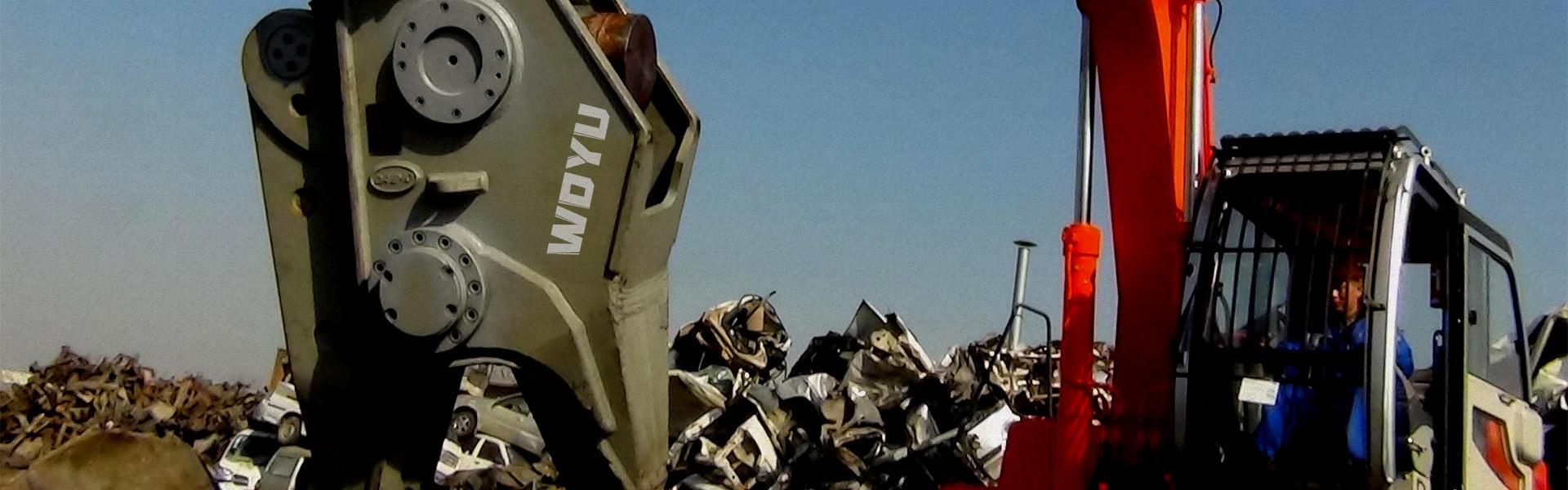
Woyu mechanical equipment
Various types of wood grabs (steel and stone), crushing pliers, double cylinder shears, hydraulic suction cups and other accessories
11
2023
-
12
A Step-by-Step Tutorial: Mastering the Effective Use of Mechanical Disassembling Shears
Table of Contents:
1. Introduction: Unleashing the Power of Mechanical Disassembling Shears
1. Introduction: Unleashing the Power of Mechanical Disassembling Shears
2. Understanding Mechanical Disassembling Shears
3. Step 1: Choosing the Right Shears for the Job
4. Step 2: Ensuring Safety Precautions
5. Step 3: Positioning and Handling the Shears
6. Step 4: Establishing an Efficient Workflow
7. Step 5: Maintaining and Cleaning Your Shears
8. Frequently Asked Questions (FAQs)
9. Conclusion: Mastering the Craft of Mechanical Disassembling
Introduction: Unleashing the Power of Mechanical Disassembling Shears
Mechanical disassembling shears have revolutionized the manufacturing and processing machinery industry. With their unparalleled precision and efficiency, these pneumatic tools empower craftsmen to effortlessly cut through various materials, enabling the smooth disassembly of intricate components. This tutorial aims to equip you with the necessary techniques and knowledge to wield these shears effectively, maximizing your productivity and achieving outstanding results.
Understanding Mechanical Disassembling Shears
Mechanical disassembling shears are pneumatic tools specifically designed for cutting and disassembling various materials in manufacturing and processing industries. They utilize compressed air to generate immense cutting force, making them ideal for precision cutting tasks. These shears come in different sizes and designs, catering to a wide range of applications.
Step 1: Choosing the Right Shears for the Job
Selecting the appropriate mechanical disassembling shears for a specific task is crucial for achieving optimal results. Consider the material's thickness, hardness, and composition. Ensure that the chosen shears are capable of handling the intended workload. Always refer to the manufacturer's guidelines and specifications to make an informed decision.
Step 2: Ensuring Safety Precautions
Safety should be your utmost priority when working with mechanical disassembling shears. Wear appropriate personal protective equipment (PPE), including safety goggles, gloves, and ear protection. Familiarize yourself with the tool's safety features and ensure they are functioning correctly. Maintain a clean and organized workspace to minimize the risk of accidents.
Step 3: Positioning and Handling the Shears
Proper positioning and handling techniques play a pivotal role in using mechanical disassembling shears effectively. Place the material to be cut securely in position, ensuring it is firmly clamped or supported. Hold the shears with a firm grip and align them accurately with the cutting line. Apply steady and controlled pressure to achieve a clean and precise cut.
Step 4: Establishing an Efficient Workflow
To enhance efficiency and productivity, develop a systematic workflow when using mechanical disassembling shears. Plan your cuts and sequence of disassembly to minimize unnecessary movements. Prioritize safety and accuracy while maintaining a consistent pace. Regularly assess and adjust your workflow based on the complexity of the task at hand.
Step 5: Maintaining and Cleaning Your Shears
Proper maintenance and cleaning are essential for prolonging the lifespan and performance of your mechanical disassembling shears. Regularly inspect the tool for any signs of wear or damage. Lubricate moving parts as recommended by the manufacturer. Clean the shears thoroughly after each use, removing any debris or residue to ensure smooth operation.
Frequently Asked Questions (FAQs)
Q1: Can mechanical disassembling shears cut through various materials?
A: Yes, mechanical disassembling shears are designed to cut through a wide range of materials, including but not limited to metal, plastic, rubber, and composites. However, always refer to the manufacturer's guidelines to ensure the shears are suitable for the specific material you intend to cut.
Q2: How can I prevent accidents while using mechanical disassembling shears?
A: To prevent accidents, always wear appropriate personal protective equipment, follow established safety guidelines, and maintain a clean and organized workspace. Familiarize yourself with the tool's safety features and ensure they are functioning correctly before each use.
Q3: Are there any maintenance tips for prolonging the lifespan of mechanical disassembling shears?
A: Regularly inspect the shears for signs of wear or damage. Lubricate moving parts as recommended by the manufacturer. Clean the shears thoroughly after each use, removing debris and residue. Proper maintenance practices will help maximize the lifespan and performance of your shears.
Q4: Can I sharpen mechanical disassembling shears?
A: Mechanical disassembling shears are typically not designed for sharpening. It is best to consult the manufacturer's guidelines or seek professional assistance for any sharpening requirements.
Q5: Can I use mechanical disassembling shears without prior experience?
A: While prior experience may be beneficial, mechanical disassembling shears are designed to be user-friendly. With proper safety precautions and following the step-by-step tutorial, even beginners can effectively use these shears with minimal training.
Conclusion: Mastering the Craft of Mechanical Disassembling
By following this step-by-step tutorial, you have acquired the essential skills and knowledge to use mechanical disassembling shears effectively. From choosing the right shears to maintaining them properly, you are now equipped to optimize your workflow and achieve exceptional results. Remember to prioritize safety, precision, and efficiency in every task you undertake. With practice and dedication, you can master the art of disassembling with mechanical shears.
3. Step 1: Choosing the Right Shears for the Job
4. Step 2: Ensuring Safety Precautions
5. Step 3: Positioning and Handling the Shears
6. Step 4: Establishing an Efficient Workflow
7. Step 5: Maintaining and Cleaning Your Shears
8. Frequently Asked Questions (FAQs)
9. Conclusion: Mastering the Craft of Mechanical Disassembling
Introduction: Unleashing the Power of Mechanical Disassembling Shears
Mechanical disassembling shears have revolutionized the manufacturing and processing machinery industry. With their unparalleled precision and efficiency, these pneumatic tools empower craftsmen to effortlessly cut through various materials, enabling the smooth disassembly of intricate components. This tutorial aims to equip you with the necessary techniques and knowledge to wield these shears effectively, maximizing your productivity and achieving outstanding results.
Understanding Mechanical Disassembling Shears
Mechanical disassembling shears are pneumatic tools specifically designed for cutting and disassembling various materials in manufacturing and processing industries. They utilize compressed air to generate immense cutting force, making them ideal for precision cutting tasks. These shears come in different sizes and designs, catering to a wide range of applications.
Step 1: Choosing the Right Shears for the Job
Selecting the appropriate mechanical disassembling shears for a specific task is crucial for achieving optimal results. Consider the material's thickness, hardness, and composition. Ensure that the chosen shears are capable of handling the intended workload. Always refer to the manufacturer's guidelines and specifications to make an informed decision.
Step 2: Ensuring Safety Precautions
Safety should be your utmost priority when working with mechanical disassembling shears. Wear appropriate personal protective equipment (PPE), including safety goggles, gloves, and ear protection. Familiarize yourself with the tool's safety features and ensure they are functioning correctly. Maintain a clean and organized workspace to minimize the risk of accidents.
Step 3: Positioning and Handling the Shears
Proper positioning and handling techniques play a pivotal role in using mechanical disassembling shears effectively. Place the material to be cut securely in position, ensuring it is firmly clamped or supported. Hold the shears with a firm grip and align them accurately with the cutting line. Apply steady and controlled pressure to achieve a clean and precise cut.
Step 4: Establishing an Efficient Workflow
To enhance efficiency and productivity, develop a systematic workflow when using mechanical disassembling shears. Plan your cuts and sequence of disassembly to minimize unnecessary movements. Prioritize safety and accuracy while maintaining a consistent pace. Regularly assess and adjust your workflow based on the complexity of the task at hand.
Step 5: Maintaining and Cleaning Your Shears
Proper maintenance and cleaning are essential for prolonging the lifespan and performance of your mechanical disassembling shears. Regularly inspect the tool for any signs of wear or damage. Lubricate moving parts as recommended by the manufacturer. Clean the shears thoroughly after each use, removing any debris or residue to ensure smooth operation.
Frequently Asked Questions (FAQs)
Q1: Can mechanical disassembling shears cut through various materials?
A: Yes, mechanical disassembling shears are designed to cut through a wide range of materials, including but not limited to metal, plastic, rubber, and composites. However, always refer to the manufacturer's guidelines to ensure the shears are suitable for the specific material you intend to cut.
Q2: How can I prevent accidents while using mechanical disassembling shears?
A: To prevent accidents, always wear appropriate personal protective equipment, follow established safety guidelines, and maintain a clean and organized workspace. Familiarize yourself with the tool's safety features and ensure they are functioning correctly before each use.
Q3: Are there any maintenance tips for prolonging the lifespan of mechanical disassembling shears?
A: Regularly inspect the shears for signs of wear or damage. Lubricate moving parts as recommended by the manufacturer. Clean the shears thoroughly after each use, removing debris and residue. Proper maintenance practices will help maximize the lifespan and performance of your shears.
Q4: Can I sharpen mechanical disassembling shears?
A: Mechanical disassembling shears are typically not designed for sharpening. It is best to consult the manufacturer's guidelines or seek professional assistance for any sharpening requirements.
Q5: Can I use mechanical disassembling shears without prior experience?
A: While prior experience may be beneficial, mechanical disassembling shears are designed to be user-friendly. With proper safety precautions and following the step-by-step tutorial, even beginners can effectively use these shears with minimal training.
Conclusion: Mastering the Craft of Mechanical Disassembling
By following this step-by-step tutorial, you have acquired the essential skills and knowledge to use mechanical disassembling shears effectively. From choosing the right shears to maintaining them properly, you are now equipped to optimize your workflow and achieve exceptional results. Remember to prioritize safety, precision, and efficiency in every task you undertake. With practice and dedication, you can master the art of disassembling with mechanical shears.
5. Step 3: Positioning and Handling the Shears
6. Step 4: Establishing an Efficient Workflow
7. Step 5: Maintaining and Cleaning Your Shears
8. Frequently Asked Questions (FAQs)
9. Conclusion: Mastering the Craft of Mechanical Disassembling
Introduction: Unleashing the Power of Mechanical Disassembling Shears
Mechanical disassembling shears have revolutionized the manufacturing and processing machinery industry. With their unparalleled precision and efficiency, these pneumatic tools empower craftsmen to effortlessly cut through various materials, enabling the smooth disassembly of intricate components. This tutorial aims to equip you with the necessary techniques and knowledge to wield these shears effectively, maximizing your productivity and achieving outstanding results.
Understanding Mechanical Disassembling Shears
Mechanical disassembling shears are pneumatic tools specifically designed for cutting and disassembling various materials in manufacturing and processing industries. They utilize compressed air to generate immense cutting force, making them ideal for precision cutting tasks. These shears come in different sizes and designs, catering to a wide range of applications.
Step 1: Choosing the Right Shears for the Job
Selecting the appropriate mechanical disassembling shears for a specific task is crucial for achieving optimal results. Consider the material's thickness, hardness, and composition. Ensure that the chosen shears are capable of handling the intended workload. Always refer to the manufacturer's guidelines and specifications to make an informed decision.
Step 2: Ensuring Safety Precautions
Safety should be your utmost priority when working with mechanical disassembling shears. Wear appropriate personal protective equipment (PPE), including safety goggles, gloves, and ear protection. Familiarize yourself with the tool's safety features and ensure they are functioning correctly. Maintain a clean and organized workspace to minimize the risk of accidents.
Step 3: Positioning and Handling the Shears
Proper positioning and handling techniques play a pivotal role in using mechanical disassembling shears effectively. Place the material to be cut securely in position, ensuring it is firmly clamped or supported. Hold the shears with a firm grip and align them accurately with the cutting line. Apply steady and controlled pressure to achieve a clean and precise cut.
Step 4: Establishing an Efficient Workflow
To enhance efficiency and productivity, develop a systematic workflow when using mechanical disassembling shears. Plan your cuts and sequence of disassembly to minimize unnecessary movements. Prioritize safety and accuracy while maintaining a consistent pace. Regularly assess and adjust your workflow based on the complexity of the task at hand.
Step 5: Maintaining and Cleaning Your Shears
Proper maintenance and cleaning are essential for prolonging the lifespan and performance of your mechanical disassembling shears. Regularly inspect the tool for any signs of wear or damage. Lubricate moving parts as recommended by the manufacturer. Clean the shears thoroughly after each use, removing any debris or residue to ensure smooth operation.
Frequently Asked Questions (FAQs)
Q1: Can mechanical disassembling shears cut through various materials?
A: Yes, mechanical disassembling shears are designed to cut through a wide range of materials, including but not limited to metal, plastic, rubber, and composites. However, always refer to the manufacturer's guidelines to ensure the shears are suitable for the specific material you intend to cut.
Q2: How can I prevent accidents while using mechanical disassembling shears?
A: To prevent accidents, always wear appropriate personal protective equipment, follow established safety guidelines, and maintain a clean and organized workspace. Familiarize yourself with the tool's safety features and ensure they are functioning correctly before each use.
Q3: Are there any maintenance tips for prolonging the lifespan of mechanical disassembling shears?
A: Regularly inspect the shears for signs of wear or damage. Lubricate moving parts as recommended by the manufacturer. Clean the shears thoroughly after each use, removing debris and residue. Proper maintenance practices will help maximize the lifespan and performance of your shears.
Q4: Can I sharpen mechanical disassembling shears?
A: Mechanical disassembling shears are typically not designed for sharpening. It is best to consult the manufacturer's guidelines or seek professional assistance for any sharpening requirements.
Q5: Can I use mechanical disassembling shears without prior experience?
A: While prior experience may be beneficial, mechanical disassembling shears are designed to be user-friendly. With proper safety precautions and following the step-by-step tutorial, even beginners can effectively use these shears with minimal training.
Conclusion: Mastering the Craft of Mechanical Disassembling
By following this step-by-step tutorial, you have acquired the essential skills and knowledge to use mechanical disassembling shears effectively. From choosing the right shears to maintaining them properly, you are now equipped to optimize your workflow and achieve exceptional results. Remember to prioritize safety, precision, and efficiency in every task you undertake. With practice and dedication, you can master the art of disassembling with mechanical shears.
7. Step 5: Maintaining and Cleaning Your Shears
8. Frequently Asked Questions (FAQs)
9. Conclusion: Mastering the Craft of Mechanical Disassembling
Introduction: Unleashing the Power of Mechanical Disassembling Shears
Mechanical disassembling shears have revolutionized the manufacturing and processing machinery industry. With their unparalleled precision and efficiency, these pneumatic tools empower craftsmen to effortlessly cut through various materials, enabling the smooth disassembly of intricate components. This tutorial aims to equip you with the necessary techniques and knowledge to wield these shears effectively, maximizing your productivity and achieving outstanding results.
Understanding Mechanical Disassembling Shears
Mechanical disassembling shears are pneumatic tools specifically designed for cutting and disassembling various materials in manufacturing and processing industries. They utilize compressed air to generate immense cutting force, making them ideal for precision cutting tasks. These shears come in different sizes and designs, catering to a wide range of applications.
Step 1: Choosing the Right Shears for the Job
Selecting the appropriate mechanical disassembling shears for a specific task is crucial for achieving optimal results. Consider the material's thickness, hardness, and composition. Ensure that the chosen shears are capable of handling the intended workload. Always refer to the manufacturer's guidelines and specifications to make an informed decision.
Step 2: Ensuring Safety Precautions
Safety should be your utmost priority when working with mechanical disassembling shears. Wear appropriate personal protective equipment (PPE), including safety goggles, gloves, and ear protection. Familiarize yourself with the tool's safety features and ensure they are functioning correctly. Maintain a clean and organized workspace to minimize the risk of accidents.
Step 3: Positioning and Handling the Shears
Proper positioning and handling techniques play a pivotal role in using mechanical disassembling shears effectively. Place the material to be cut securely in position, ensuring it is firmly clamped or supported. Hold the shears with a firm grip and align them accurately with the cutting line. Apply steady and controlled pressure to achieve a clean and precise cut.
Step 4: Establishing an Efficient Workflow
To enhance efficiency and productivity, develop a systematic workflow when using mechanical disassembling shears. Plan your cuts and sequence of disassembly to minimize unnecessary movements. Prioritize safety and accuracy while maintaining a consistent pace. Regularly assess and adjust your workflow based on the complexity of the task at hand.
Step 5: Maintaining and Cleaning Your Shears
Proper maintenance and cleaning are essential for prolonging the lifespan and performance of your mechanical disassembling shears. Regularly inspect the tool for any signs of wear or damage. Lubricate moving parts as recommended by the manufacturer. Clean the shears thoroughly after each use, removing any debris or residue to ensure smooth operation.
Frequently Asked Questions (FAQs)
Q1: Can mechanical disassembling shears cut through various materials?
A: Yes, mechanical disassembling shears are designed to cut through a wide range of materials, including but not limited to metal, plastic, rubber, and composites. However, always refer to the manufacturer's guidelines to ensure the shears are suitable for the specific material you intend to cut.
Q2: How can I prevent accidents while using mechanical disassembling shears?
A: To prevent accidents, always wear appropriate personal protective equipment, follow established safety guidelines, and maintain a clean and organized workspace. Familiarize yourself with the tool's safety features and ensure they are functioning correctly before each use.
Q3: Are there any maintenance tips for prolonging the lifespan of mechanical disassembling shears?
A: Regularly inspect the shears for signs of wear or damage. Lubricate moving parts as recommended by the manufacturer. Clean the shears thoroughly after each use, removing debris and residue. Proper maintenance practices will help maximize the lifespan and performance of your shears.
Q4: Can I sharpen mechanical disassembling shears?
A: Mechanical disassembling shears are typically not designed for sharpening. It is best to consult the manufacturer's guidelines or seek professional assistance for any sharpening requirements.
Q5: Can I use mechanical disassembling shears without prior experience?
A: While prior experience may be beneficial, mechanical disassembling shears are designed to be user-friendly. With proper safety precautions and following the step-by-step tutorial, even beginners can effectively use these shears with minimal training.
Conclusion: Mastering the Craft of Mechanical Disassembling
By following this step-by-step tutorial, you have acquired the essential skills and knowledge to use mechanical disassembling shears effectively. From choosing the right shears to maintaining them properly, you are now equipped to optimize your workflow and achieve exceptional results. Remember to prioritize safety, precision, and efficiency in every task you undertake. With practice and dedication, you can master the art of disassembling with mechanical shears.
9. Conclusion: Mastering the Craft of Mechanical Disassembling
Introduction: Unleashing the Power of Mechanical Disassembling Shears
Mechanical disassembling shears have revolutionized the manufacturing and processing machinery industry. With their unparalleled precision and efficiency, these pneumatic tools empower craftsmen to effortlessly cut through various materials, enabling the smooth disassembly of intricate components. This tutorial aims to equip you with the necessary techniques and knowledge to wield these shears effectively, maximizing your productivity and achieving outstanding results.
Understanding Mechanical Disassembling Shears
Mechanical disassembling shears are pneumatic tools specifically designed for cutting and disassembling various materials in manufacturing and processing industries. They utilize compressed air to generate immense cutting force, making them ideal for precision cutting tasks. These shears come in different sizes and designs, catering to a wide range of applications.
Step 1: Choosing the Right Shears for the Job
Selecting the appropriate mechanical disassembling shears for a specific task is crucial for achieving optimal results. Consider the material's thickness, hardness, and composition. Ensure that the chosen shears are capable of handling the intended workload. Always refer to the manufacturer's guidelines and specifications to make an informed decision.
Step 2: Ensuring Safety Precautions
Safety should be your utmost priority when working with mechanical disassembling shears. Wear appropriate personal protective equipment (PPE), including safety goggles, gloves, and ear protection. Familiarize yourself with the tool's safety features and ensure they are functioning correctly. Maintain a clean and organized workspace to minimize the risk of accidents.
Step 3: Positioning and Handling the Shears
Proper positioning and handling techniques play a pivotal role in using mechanical disassembling shears effectively. Place the material to be cut securely in position, ensuring it is firmly clamped or supported. Hold the shears with a firm grip and align them accurately with the cutting line. Apply steady and controlled pressure to achieve a clean and precise cut.
Step 4: Establishing an Efficient Workflow
To enhance efficiency and productivity, develop a systematic workflow when using mechanical disassembling shears. Plan your cuts and sequence of disassembly to minimize unnecessary movements. Prioritize safety and accuracy while maintaining a consistent pace. Regularly assess and adjust your workflow based on the complexity of the task at hand.
Step 5: Maintaining and Cleaning Your Shears
Proper maintenance and cleaning are essential for prolonging the lifespan and performance of your mechanical disassembling shears. Regularly inspect the tool for any signs of wear or damage. Lubricate moving parts as recommended by the manufacturer. Clean the shears thoroughly after each use, removing any debris or residue to ensure smooth operation.
Frequently Asked Questions (FAQs)
Q1: Can mechanical disassembling shears cut through various materials?
A: Yes, mechanical disassembling shears are designed to cut through a wide range of materials, including but not limited to metal, plastic, rubber, and composites. However, always refer to the manufacturer's guidelines to ensure the shears are suitable for the specific material you intend to cut.
Q2: How can I prevent accidents while using mechanical disassembling shears?
A: To prevent accidents, always wear appropriate personal protective equipment, follow established safety guidelines, and maintain a clean and organized workspace. Familiarize yourself with the tool's safety features and ensure they are functioning correctly before each use.
Q3: Are there any maintenance tips for prolonging the lifespan of mechanical disassembling shears?
A: Regularly inspect the shears for signs of wear or damage. Lubricate moving parts as recommended by the manufacturer. Clean the shears thoroughly after each use, removing debris and residue. Proper maintenance practices will help maximize the lifespan and performance of your shears.
Q4: Can I sharpen mechanical disassembling shears?
A: Mechanical disassembling shears are typically not designed for sharpening. It is best to consult the manufacturer's guidelines or seek professional assistance for any sharpening requirements.
Q5: Can I use mechanical disassembling shears without prior experience?
A: While prior experience may be beneficial, mechanical disassembling shears are designed to be user-friendly. With proper safety precautions and following the step-by-step tutorial, even beginners can effectively use these shears with minimal training.
Conclusion: Mastering the Craft of Mechanical Disassembling
By following this step-by-step tutorial, you have acquired the essential skills and knowledge to use mechanical disassembling shears effectively. From choosing the right shears to maintaining them properly, you are now equipped to optimize your workflow and achieve exceptional results. Remember to prioritize safety, precision, and efficiency in every task you undertake. With practice and dedication, you can master the art of disassembling with mechanical shears.
Satisfied with the service

Product information and technical knowledge
Hebei Woyu