

-
-
ProductsOur products are used in mining, metallurgy, chemical industry, building materials, construction, railway, highway construction and other industries and departments. With superior cost performance, every user can buy more aff

-
CasesOur products are used in mining, metallurgy, chemical industry, building materials, construction, railway, highway construction and other industries and departments. With superior cost performance, every user can buy more aff
-


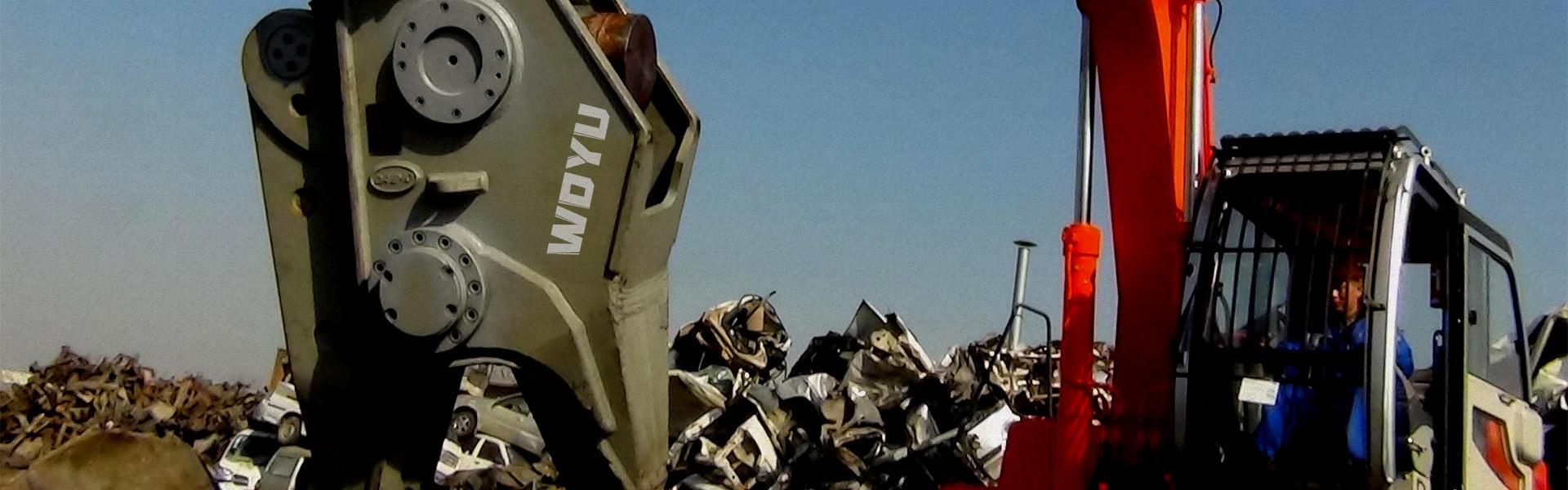
Woyu mechanical equipment
Various types of wood grabs (steel and stone), crushing pliers, double cylinder shears, hydraulic suction cups and other accessories
19
2024
-
10
The Crucial Role of Safety Precautions in Stone Cutting: A Comprehensive Guide
The Crucial Role of Safety Precautions in Stone Cutting: A Comprehensive Guide
Table of Contents
- Understanding Stone Cutting Tools
- Common Hazards in Stone Cutting
- The Importance of Personal Protective Equipment (PPE)
- Best Safety Practices When Using Stone Cutting Tools
- Essential Safety Checks Before Starting Work
- Maintenance and Care of Stone Cutting Tools
- Emergency Procedures in Case of Accidents
- Conclusion
- FAQs
Understanding Stone Cutting Tools
Stone cutting tools are essential for various applications, from construction to artistic sculptures. These tools include **angle grinders**, **stone saws**, and **wet saws**. Each tool has its specific use and requires different techniques to operate safely. Knowing the types of tools available and how they function is the first step in maintaining safety standards.
Moreover, understanding the materials that you will be cutting is equally important. Different stones, such as **granite**, **marble**, and **limestone**, have unique properties that can affect how tools should be used. For example, some stones may produce more dust than others, necessitating different protective measures.
Common Hazards in Stone Cutting
Using stone cutting tools involves various hazards that can impact the safety of the operator and others around them. Common risks include:
- **Flying Debris:** Chips and fragments can fly off during cutting, posing a risk to the eyes and skin.
- **Dust Inhalation:** Cutting stone generates dust that can be harmful when inhaled, leading to respiratory issues.
- **Noise Exposure:** Stone cutting tools can produce high levels of noise, potentially leading to hearing loss.
- **Electrical Hazards:** If proper precautions are not taken, electric-powered tools present a risk of shock.
Understanding these hazards is crucial for implementing effective safety measures.
The Importance of Personal Protective Equipment (PPE)
**Personal Protective Equipment (PPE)** is a vital component of any safety plan when using stone cutting tools. The following are essential types of PPE to consider:
- **Safety Glasses or Goggles:** Protects the eyes from flying debris and dust.
- **Dust Masks or Respirators:** Essential for preventing dust inhalation.
- **Hearing Protection:** Earplugs or earmuffs can safeguard against excessive noise.
- **Gloves:** Protects the hands from cuts and abrasions.
- **Steel-Toed Boots:** These minimize foot injuries if heavy materials fall.
Using proper PPE significantly reduces the risk of injury and health issues.
Best Safety Practices When Using Stone Cutting Tools
Implementing safety practices is crucial when operating stone cutting tools. Here are some best practices to follow:
1. **Read the Manual:** Always familiarize yourself with the manufacturer's instructions and safety guidelines for each tool.
2. **Inspect Tools Before Use:** Check for any signs of wear or damage, ensuring tools are in good working condition.
3. **Secure the Workpiece:** Make sure that the stone is firmly secured before cutting to prevent it from moving unexpectedly.
4. **Use Appropriate Tools for the Job:** Always select the right tool for the material you are cutting to minimize risks.
5. **Maintain a Clean Work Area:** Keeping the workspace tidy helps prevent accidents and allows for easy access to tools.
Following these practices makes a significant difference in ensuring a safer workplace.
Essential Safety Checks Before Starting Work
Conducting safety checks before starting your cutting project helps identify potential hazards. Here’s a checklist to consider:
- **Check Electrical Connections:** Ensure that all electrical tools are properly grounded and that cords are free from damage.
- **Assess the Environment:** Look for any potential hazards in the work area, such as wet surfaces or clutter.
- **Verify Ventilation:** Ensure that the workspace is well-ventilated to minimize dust inhalation.
- **Organize Your Tools:** Having tools neatly arranged allows for efficient access and reduces trip hazards.
Performing these checks can prevent many accidents and injuries.
Maintenance and Care of Stone Cutting Tools
Keeping your stone cutting tools in excellent working condition is crucial for safe operation. Regular maintenance includes:
- **Cleaning Tools After Use:** Remove any debris to prevent rust and ensure longevity.
- **Sharpening Blades:** Dull blades can increase friction and the risk of accidents. Ensure blades are appropriately sharpened.
- **Inspecting Cords and Batteries:** Regularly check for fraying or damage in electrical components to prevent shocks or failures.
Implementing a maintenance routine ensures that tools perform optimally and reduces the likelihood of accidents.
Emergency Procedures in Case of Accidents
Even with all precautions in place, accidents can happen. It’s essential to have an emergency plan. Here are steps to follow:
1. **Immediate First Aid:** Know how to administer basic first aid for cuts, dust exposure, or electrical shocks.
2. **Report the Incident:** Notify a supervisor or safety officer immediately about any accidents or near misses.
3. **Seek Medical Attention:** If injuries are severe, seek professional medical assistance without delay.
4. **Review the Incident:** After any incident, conduct a review to determine what went wrong and how to prevent it in the future.
Having a clear emergency procedure can make all the difference when seconds count.
Conclusion
In the world of stone cutting, ensuring safety is not just a requirement but a responsibility. By implementing the right safety precautions, utilizing appropriate PPE, and maintaining your tools, we can significantly reduce the risks associated with stone cutting activities. Understanding the hazards, practicing diligence, and adhering to safety protocols creates a safer environment not only for the operator but also for those around them.
Investing time in training and reinforcing safety measures reflects a commitment to a safe working culture. As we prioritize safety, we can enjoy the benefits of stone cutting with peace of mind, knowing that we are doing our part to protect ourselves and our colleagues.
FAQs
1. What are the most common injuries associated with stone cutting?
The most common injuries include cuts, respiratory issues from dust inhalation, and hearing loss from excessive noise.
2. How often should I inspect my stone cutting tools?
It's recommended to inspect your tools before each use to ensure they are in good working condition.
3. Is it necessary to wear gloves while cutting stone?
Yes, gloves provide protection against cuts and abrasions, making them an essential part of your PPE.
4. Can I use regular masks instead of respirators when cutting stone?
Regular masks may not provide adequate protection against the fine dust generated when cutting stone. It’s best to use a respirator designed for dust protection.
5. What should I do if I experience dizziness or difficulty breathing while cutting stone?
If you experience dizziness or respiratory issues, stop work immediately, move to a well-ventilated area, and seek medical attention if symptoms persist.
Satisfied with the service

Product information and technical knowledge
Hebei Woyu