

-
-
ProductsOur products are used in mining, metallurgy, chemical industry, building materials, construction, railway, highway construction and other industries and departments. With superior cost performance, every user can buy more aff

-
CasesOur products are used in mining, metallurgy, chemical industry, building materials, construction, railway, highway construction and other industries and departments. With superior cost performance, every user can buy more aff
-


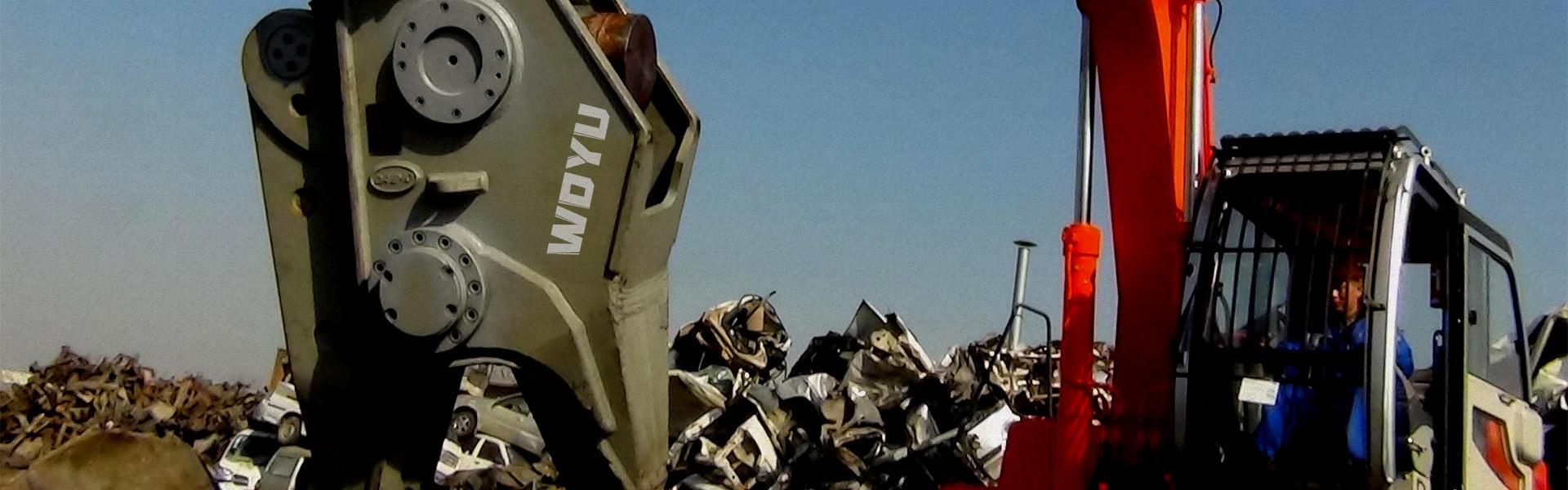
Woyu mechanical equipment
Various types of wood grabs (steel and stone), crushing pliers, double cylinder shears, hydraulic suction cups and other accessories
25
2024
-
08
Exploring the Different Types of Hydraulic Suction Cups and Their Applications
Exploring the Different Types of Hydraulic Suction Cups and Their Applications
Table of Contents
- 1. Introduction to Hydraulic Suction Cups
- 2. Types of Hydraulic Suction Cups
- 2.1 Standard Hydraulic Suction Cups
- 2.2 Specialized Hydraulic Suction Cups
- 2.3 Custom Hydraulic Suction Cups
- 3. Applications of Hydraulic Suction Cups
- 4. Design Considerations for Hydraulic Suction Cups
- 5. Advantages of Using Hydraulic Suction Cups
- 6. Maintenance Tips for Hydraulic Suction Cups
- 7. Frequently Asked Questions
- 8. Conclusion
1. Introduction to Hydraulic Suction Cups
Hydraulic suction cups are pivotal components in the realm of manufacturing and material handling. They create a vacuum seal that allows for the lifting and moving of various materials without direct contact. This technology is especially beneficial in environments where delicate or heavy items must be handled with care. The versatility and efficiency offered by hydraulic suction cups make them a popular choice across various industries.
2. Types of Hydraulic Suction Cups
Understanding the different types of hydraulic suction cups is crucial for selecting the right tool for your specific application. Each type serves a unique purpose and has its own set of advantages.
2.1 Standard Hydraulic Suction Cups
Standard hydraulic suction cups are the most widely used type in manufacturing. They are designed for general lifting tasks and come in various sizes to accommodate different loads. These cups are typically made from durable materials like rubber or silicone, offering a reliable grip on non-porous surfaces. Their simplicity makes them a go-to choice for many manufacturing processes.
2.2 Specialized Hydraulic Suction Cups
Specialized hydraulic suction cups are engineered for specific applications. These may include cups designed for lifting hot or cold materials, cups that can handle very smooth or textured surfaces, or those that work effectively in high-pressure environments. The specialized design often incorporates unique features such as enhanced gripping power or temperature resistance, making them indispensable in specialized manufacturing tasks.
2.3 Custom Hydraulic Suction Cups
Custom hydraulic suction cups are tailored to meet the unique requirements of specific industries or tasks. Manufacturers can design these cups based on size, shape, and material preferences, ensuring optimal performance in specialized applications. Custom solutions are particularly valuable when standard options do not meet the unique challenges presented by a particular product or environment.
3. Applications of Hydraulic Suction Cups
Hydraulic suction cups find applications in numerous industries, showcasing their versatility. Below, we explore some of the primary sectors where these devices are utilized.
3.1 Industrial Applications
In industrial settings, hydraulic suction cups are essential for automating the handling of heavy materials. They are commonly used in assembly lines for lifting and transferring components, such as glass panels, metal sheets, and other large items. Their ability to create a vacuum seal allows for smooth and efficient operations, reducing labor costs and increasing productivity.
3.2 Automotive Industry
The automotive industry benefits significantly from the use of hydraulic suction cups. They are employed in various processes, including the assembly of windshields, lifting body panels, and handling engine components. The precision and strength of hydraulic suction cups enable manufacturers to streamline their operations, ensuring high-quality production while maintaining safety standards.
3.3 Food and Beverage Industry
In the food and beverage sector, hydraulic suction cups are used for handling delicate items like glass bottles and packaging materials. They play a vital role in ensuring that products are moved efficiently without contamination. Specialized suction cups designed for food applications are made from food-grade materials, adhering to strict hygiene standards, and ensuring product safety.
4. Design Considerations for Hydraulic Suction Cups
When selecting hydraulic suction cups, several design considerations must be taken into account. Understanding these factors will help you choose the right suction cup for your specific needs.
4.1 Material Selection
The materials used in hydraulic suction cup manufacturing significantly impact their performance and durability. Common materials include rubber, silicone, and polyurethane. Rubber is preferred for its elasticity and flexibility, while silicone offers superior temperature resistance. Polyurethane is often chosen for its chemical resistance. Selecting the right material is crucial for ensuring that your suction cups can withstand the conditions they will face.
4.2 Size and Shape
The size and shape of hydraulic suction cups play a vital role in their effectiveness. A larger cup can handle heavier loads, but it may not be suitable for smaller or more intricate tasks. Conversely, smaller cups excel in precision applications but may struggle with larger items. Understanding the specific load requirements and the shapes of the items to be lifted will guide you in selecting the best option.
5. Advantages of Using Hydraulic Suction Cups
The utilization of hydraulic suction cups presents numerous advantages that enhance efficiency and productivity in manufacturing and material handling.
1. **Increased Efficiency**: Hydraulic suction cups enable faster material handling, reducing the time needed for lifting and transporting items.
2. **Improved Safety**: By minimizing manual handling, these cups reduce the risk of injuries associated with lifting heavy objects.
3. **Versatility**: Hydraulic suction cups can be used in a wide range of applications, accommodating various materials and shapes.
4. **Precision**: These devices provide a secure grip, allowing for precise placement of items during assembly or packaging.
5. **Reduced Labor Costs**: Automation through hydraulic suction cups can lead to a reduction in labor costs, as fewer workers are needed for manual handling tasks.
6. Maintenance Tips for Hydraulic Suction Cups
Proper maintenance is essential for ensuring the longevity and effectiveness of hydraulic suction cups. Here are some maintenance tips to consider:
1. **Regular Inspection**: Frequently check for wear and tear, ensuring that the cups maintain their shape and elasticity.
2. **Cleanliness**: Keep suction cups clean and free from debris to maintain their gripping ability. Use a soft cloth and mild detergent for cleaning.
3. **Storage**: Store suction cups in a cool, dry place away from direct sunlight to prevent material degradation.
4. **Replacement**: Replace any cups that show signs of significant wear or damage to ensure optimal performance.
7. Frequently Asked Questions
What are hydraulic suction cups?
Hydraulic suction cups are devices that create a vacuum seal for lifting and transporting materials without direct contact, making them ideal for various industrial applications.
What materials are hydraulic suction cups made from?
Hydraulic suction cups are typically made from rubber, silicone, or polyurethane, each material offering distinct advantages depending on the application.
What industries use hydraulic suction cups?
Hydraulic suction cups are used across various industries, including manufacturing, automotive, and food and beverage sectors.
How do I choose the right hydraulic suction cup?
Selecting the right hydraulic suction cup depends on factors such as load weight, material type, and the specific application requirements.
Can hydraulic suction cups be customized?
Yes, many manufacturers offer custom hydraulic suction cups designed to meet specific application needs, including size, shape, and material preferences.
8. Conclusion
Hydraulic suction cups are indispensable tools in modern manufacturing and material handling. Their diverse applications, varying types, and inherent advantages make them crucial for efficiency and safety in various industries. By understanding the design considerations and maintenance practices, users can optimize their use of hydraulic suction cups and enhance operational performance. Whether in an industrial setting, automotive assembly line, or food processing facility, hydraulic suction cups continue to prove their worth as reliable and effective solutions for lifting and transporting materials.
Satisfied with the service

Product information and technical knowledge
Hebei Woyu