

-
-
ProductsOur products are used in mining, metallurgy, chemical industry, building materials, construction, railway, highway construction and other industries and departments. With superior cost performance, every user can buy more aff

-
CasesOur products are used in mining, metallurgy, chemical industry, building materials, construction, railway, highway construction and other industries and departments. With superior cost performance, every user can buy more aff
-


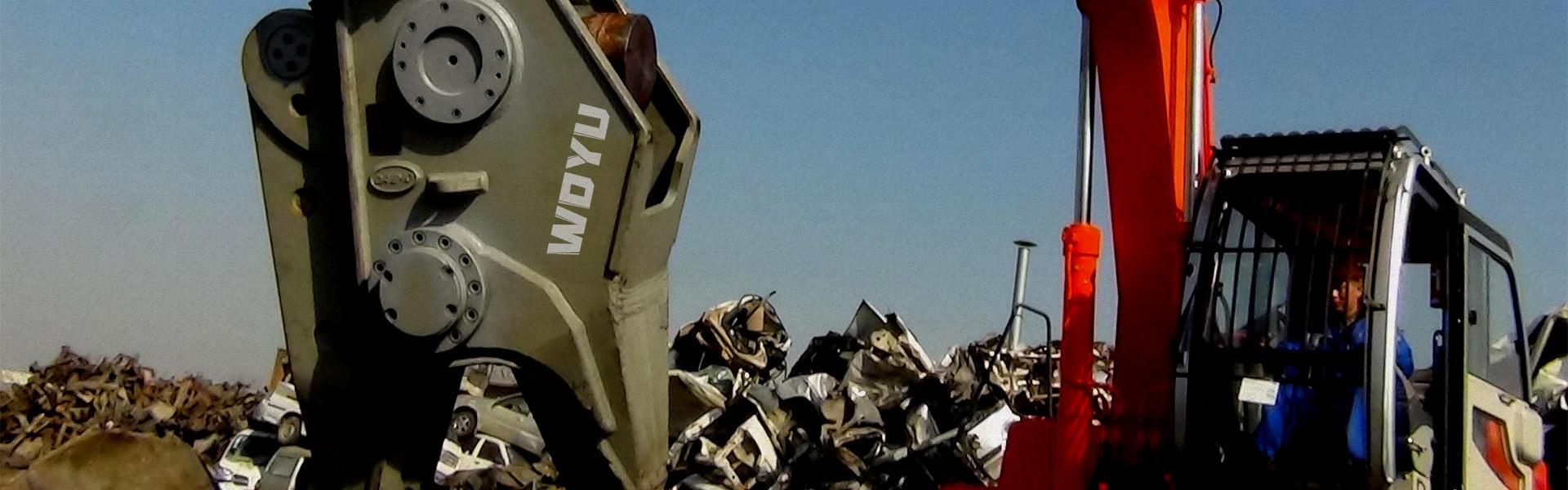
Woyu mechanical equipment
Various types of wood grabs (steel and stone), crushing pliers, double cylinder shears, hydraulic suction cups and other accessories
06
2024
-
06
Cutting Through Challenges: Overcoming Common Issues with Car Breaking Shears
# Introduction
If you work in the manufacturing and processing machinery industry, specifically with pneumatic tools such as car breaking shears, you know how important it is to keep your equipment running smoothly. In this guide, we will discuss common issues that may arise with car breaking shears and provide practical solutions to overcome them.
## Understanding Car Breaking Shears
Before we dive into the common challenges faced with car breaking shears, let's first understand what they are and how they work. Car breaking shears are pneumatic tools used for cutting and shaping metal sheets in various manufacturing processes. These tools are essential for precision cutting and are popular in industries such as automotive manufacturing and metal fabrication.
## Common Issues with Car Breaking Shears
### 1. Blade Dullness
One of the most common issues with car breaking shears is blade dullness. Over time, the blades of the shears can become dull due to continuous use, leading to poor cutting performance and rough edges on the metal sheets. To resolve this issue, regularly sharpen the blades using a sharpening stone or replace them entirely if necessary.
### 2. Air Leaks
Another common issue is air leaks in the pneumatic system of the shears. Air leaks can cause a drop in performance and efficiency, leading to uneven cuts and wasted materials. Check the pneumatic hoses and connections for any leaks and replace or repair them as needed to ensure optimal performance.
### 3. Jammed Blades
Jammed blades can also pose a challenge when using car breaking shears. This can occur due to debris or metal shavings getting stuck between the blades, preventing them from closing properly. To solve this issue, carefully clean the blades and remove any obstructions to ensure smooth operation.
## Maintenance Tips for Car Breaking Shears
To prevent common issues and ensure optimal performance of your car breaking shears, follow these maintenance tips:
- Regularly lubricate moving parts to reduce friction and wear.
- Clean the blades and housing after each use to prevent debris buildup.
- Store the shears in a dry and clean environment to prevent rust and corrosion.
# FAQs
### Q: How often should I sharpen the blades of my car breaking shears?
A: It is recommended to sharpen the blades every 500-1000 cuts or when you notice a decrease in cutting performance.
### Q: What type of lubricant should I use for maintenance?
A: Use a lightweight machine oil or pneumatic tool oil for lubricating the moving parts of the shears.
### Q: Can I use car breaking shears for cutting other materials besides metal?
A: While car breaking shears are primarily designed for cutting metal, they can also be used for cutting plastic and other non-metallic materials.
# Conclusion
In conclusion, overcoming common issues with car breaking shears is achievable with proper maintenance and troubleshooting techniques. By following the tips outlined in this guide, you can ensure that your equipment remains in top condition and delivers optimal performance for all your cutting needs. Stay proactive in addressing any issues that may arise to minimize downtime and maximize productivity.
If you work in the manufacturing and processing machinery industry, specifically with pneumatic tools such as car breaking shears, you know how important it is to keep your equipment running smoothly. In this guide, we will discuss common issues that may arise with car breaking shears and provide practical solutions to overcome them.
## Understanding Car Breaking Shears
Before we dive into the common challenges faced with car breaking shears, let's first understand what they are and how they work. Car breaking shears are pneumatic tools used for cutting and shaping metal sheets in various manufacturing processes. These tools are essential for precision cutting and are popular in industries such as automotive manufacturing and metal fabrication.
## Common Issues with Car Breaking Shears
### 1. Blade Dullness
One of the most common issues with car breaking shears is blade dullness. Over time, the blades of the shears can become dull due to continuous use, leading to poor cutting performance and rough edges on the metal sheets. To resolve this issue, regularly sharpen the blades using a sharpening stone or replace them entirely if necessary.
### 2. Air Leaks
Another common issue is air leaks in the pneumatic system of the shears. Air leaks can cause a drop in performance and efficiency, leading to uneven cuts and wasted materials. Check the pneumatic hoses and connections for any leaks and replace or repair them as needed to ensure optimal performance.
### 3. Jammed Blades
Jammed blades can also pose a challenge when using car breaking shears. This can occur due to debris or metal shavings getting stuck between the blades, preventing them from closing properly. To solve this issue, carefully clean the blades and remove any obstructions to ensure smooth operation.
## Maintenance Tips for Car Breaking Shears
To prevent common issues and ensure optimal performance of your car breaking shears, follow these maintenance tips:
- Regularly lubricate moving parts to reduce friction and wear.
- Clean the blades and housing after each use to prevent debris buildup.
- Store the shears in a dry and clean environment to prevent rust and corrosion.
# FAQs
### Q: How often should I sharpen the blades of my car breaking shears?
A: It is recommended to sharpen the blades every 500-1000 cuts or when you notice a decrease in cutting performance.
### Q: What type of lubricant should I use for maintenance?
A: Use a lightweight machine oil or pneumatic tool oil for lubricating the moving parts of the shears.
### Q: Can I use car breaking shears for cutting other materials besides metal?
A: While car breaking shears are primarily designed for cutting metal, they can also be used for cutting plastic and other non-metallic materials.
# Conclusion
In conclusion, overcoming common issues with car breaking shears is achievable with proper maintenance and troubleshooting techniques. By following the tips outlined in this guide, you can ensure that your equipment remains in top condition and delivers optimal performance for all your cutting needs. Stay proactive in addressing any issues that may arise to minimize downtime and maximize productivity.
Satisfied with the service

Product information and technical knowledge
Hebei Woyu