

-
-
ProductsOur products are used in mining, metallurgy, chemical industry, building materials, construction, railway, highway construction and other industries and departments. With superior cost performance, every user can buy more aff

-
CasesOur products are used in mining, metallurgy, chemical industry, building materials, construction, railway, highway construction and other industries and departments. With superior cost performance, every user can buy more aff
-


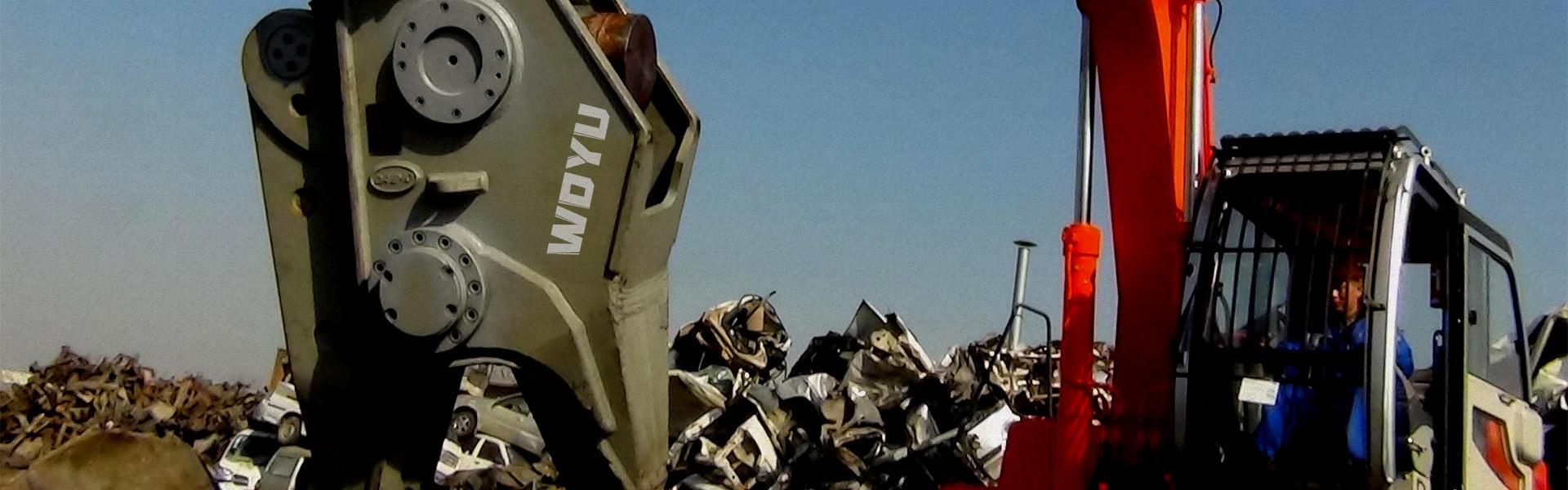
Woyu mechanical equipment
Various types of wood grabs (steel and stone), crushing pliers, double cylinder shears, hydraulic suction cups and other accessories
28
2024
-
04
The Ultimate Guide to Choosing the Right Wood Grabber for Hydraulic Engineering Machinery
**Introduction**
When it comes to hydraulic engineering machinery, having the right wood grabber is essential for efficient and effective operation. Whether you are working in forestry, construction, or any other industry that requires the handling of logs and timber, choosing the right wood grabber can make a significant difference in your productivity and overall success. In this ultimate guide, we will explore the key factors to consider when selecting a wood grabber for your hydraulic engineering machinery.
**Understanding Your Needs**
Before diving into the specifics of choosing a wood grabber, it's crucial to understand your specific needs and requirements. Consider the type and size of the logs or timber you will be handling, as well as the environment in which you will be operating. The capacity and reach of your hydraulic engineering machinery will also play a significant role in determining the right wood grabber for your needs.
**Types of Wood Grabbers**
There are several types of wood grabbers available on the market, each designed for different applications and requirements. Some common types include clamshell grabs, rotating grabs, and multi-purpose grabs. Clamshell grabs are ideal for handling loose materials like wood chips and bark, while rotating grabs offer increased flexibility and maneuverability. Multi-purpose grabs are versatile and can handle a variety of materials with ease.
**Key Features to Consider**
When selecting a wood grabber for your hydraulic engineering machinery, there are several key features to consider. These include the opening width and closing force of the grabber, as well as the material and construction quality. Additionally, consider the attachment method and compatibility with your machinery, as well as any additional features such as rotation capabilities or hydraulic controls.
**Choosing the Right Size**
The size of your wood grabber is crucial to ensure efficient and effective operation. Consider the capacity of the grabber in relation to the size and weight of the logs or timber you will be handling. Choosing a grabber that is too small can lead to inefficiency and potential damage to your machinery, while a grabber that is too large may be cumbersome and difficult to maneuver.
**Maintenance and Durability**
Ensuring proper maintenance and durability of your wood grabber is essential to prolonging its lifespan and maximizing its performance. Regular inspections, lubrication, and replacement of worn parts are key to keeping your grabber in optimal condition. Additionally, choosing a grabber made from high-quality materials and construction will ensure long-term durability and reliability.
**FAQs**
1. **What is the best type of wood grabber for handling large logs?**
- A rotating grab with a high closing force is ideal for handling large logs efficiently.
2. **How do I determine the right size of wood grabber for my hydraulic engineering machinery?**
- Consider the size and weight of the logs you will be handling, as well as the capacity of your machinery.
3. **What maintenance is required for a wood grabber?**
- Regular inspections, lubrication, and replacement of worn parts are essential for proper maintenance.
4. **Can a wood grabber be used for materials other than logs and timber?**
- Depending on the type of grabber, it may be suitable for handling other materials such as rocks or scrap metal.
5. **Is it important to choose a wood grabber that is compatible with my hydraulic engineering machinery?**
- Yes, compatibility is crucial to ensure proper operation and optimal performance.
**Conclusion**
Choosing the right wood grabber for your hydraulic engineering machinery is a critical decision that can impact the efficiency and success of your operations. By considering factors such as your specific needs, the type of grabber, key features, size, maintenance, and durability, you can make an informed choice that will optimize your equipment for maximum performance. Remember to prioritize quality, compatibility, and functionality when selecting a wood grabber, and always ensure proper maintenance to prolong its lifespan and effectiveness. With the information provided in this ultimate guide, you can confidently choose the right wood grabber for your hydraulic engineering machinery and take your operations to the next level.
When it comes to hydraulic engineering machinery, having the right wood grabber is essential for efficient and effective operation. Whether you are working in forestry, construction, or any other industry that requires the handling of logs and timber, choosing the right wood grabber can make a significant difference in your productivity and overall success. In this ultimate guide, we will explore the key factors to consider when selecting a wood grabber for your hydraulic engineering machinery.
**Understanding Your Needs**
Before diving into the specifics of choosing a wood grabber, it's crucial to understand your specific needs and requirements. Consider the type and size of the logs or timber you will be handling, as well as the environment in which you will be operating. The capacity and reach of your hydraulic engineering machinery will also play a significant role in determining the right wood grabber for your needs.
**Types of Wood Grabbers**
There are several types of wood grabbers available on the market, each designed for different applications and requirements. Some common types include clamshell grabs, rotating grabs, and multi-purpose grabs. Clamshell grabs are ideal for handling loose materials like wood chips and bark, while rotating grabs offer increased flexibility and maneuverability. Multi-purpose grabs are versatile and can handle a variety of materials with ease.
**Key Features to Consider**
When selecting a wood grabber for your hydraulic engineering machinery, there are several key features to consider. These include the opening width and closing force of the grabber, as well as the material and construction quality. Additionally, consider the attachment method and compatibility with your machinery, as well as any additional features such as rotation capabilities or hydraulic controls.
**Choosing the Right Size**
The size of your wood grabber is crucial to ensure efficient and effective operation. Consider the capacity of the grabber in relation to the size and weight of the logs or timber you will be handling. Choosing a grabber that is too small can lead to inefficiency and potential damage to your machinery, while a grabber that is too large may be cumbersome and difficult to maneuver.
**Maintenance and Durability**
Ensuring proper maintenance and durability of your wood grabber is essential to prolonging its lifespan and maximizing its performance. Regular inspections, lubrication, and replacement of worn parts are key to keeping your grabber in optimal condition. Additionally, choosing a grabber made from high-quality materials and construction will ensure long-term durability and reliability.
**FAQs**
1. **What is the best type of wood grabber for handling large logs?**
- A rotating grab with a high closing force is ideal for handling large logs efficiently.
2. **How do I determine the right size of wood grabber for my hydraulic engineering machinery?**
- Consider the size and weight of the logs you will be handling, as well as the capacity of your machinery.
3. **What maintenance is required for a wood grabber?**
- Regular inspections, lubrication, and replacement of worn parts are essential for proper maintenance.
4. **Can a wood grabber be used for materials other than logs and timber?**
- Depending on the type of grabber, it may be suitable for handling other materials such as rocks or scrap metal.
5. **Is it important to choose a wood grabber that is compatible with my hydraulic engineering machinery?**
- Yes, compatibility is crucial to ensure proper operation and optimal performance.
**Conclusion**
Choosing the right wood grabber for your hydraulic engineering machinery is a critical decision that can impact the efficiency and success of your operations. By considering factors such as your specific needs, the type of grabber, key features, size, maintenance, and durability, you can make an informed choice that will optimize your equipment for maximum performance. Remember to prioritize quality, compatibility, and functionality when selecting a wood grabber, and always ensure proper maintenance to prolong its lifespan and effectiveness. With the information provided in this ultimate guide, you can confidently choose the right wood grabber for your hydraulic engineering machinery and take your operations to the next level.
Satisfied with the service

Product information and technical knowledge
Hebei Woyu