

-
-
ProductsOur products are used in mining, metallurgy, chemical industry, building materials, construction, railway, highway construction and other industries and departments. With superior cost performance, every user can buy more aff

-
CasesOur products are used in mining, metallurgy, chemical industry, building materials, construction, railway, highway construction and other industries and departments. With superior cost performance, every user can buy more aff
-


Woyu mechanical equipment
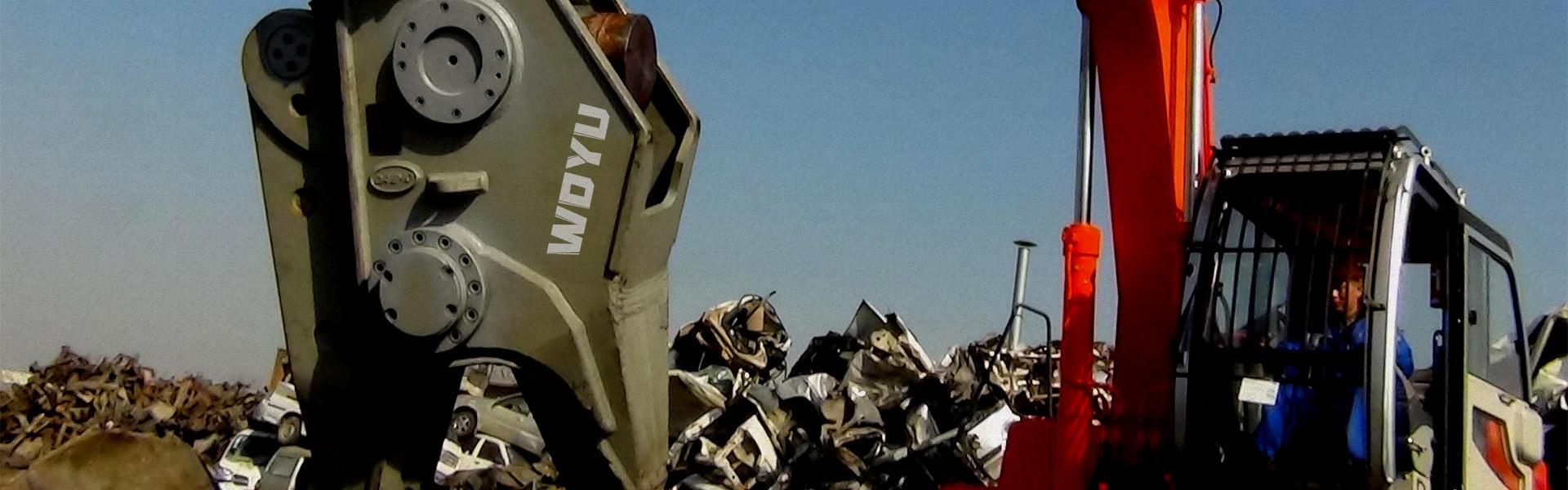
Various types of wood grabs (steel and stone), crushing pliers, double cylinder shears, hydraulic suction cups and other accessories
08
2024
-
03
Troubleshooting Common Issues with Light Disassembling Shears
Introduction
Are you experiencing problems with your light disassembling shears? Don't worry, we've got you covered. In this comprehensive guide, we will walk you through the common issues that may arise with pneumatic tools and provide you with practical solutions to resolve them. Whether you're a DIY enthusiast or a professional in the manufacturing industry, this article will help you keep your equipment in top condition.
1. Understanding Light Disassembling Shears
Before we delve into the troubleshooting process, let's first understand what light disassembling shears are and how they work. These pneumatic tools are designed to cut through various materials with precision and ease. They are commonly used in the manufacturing and processing industries for tasks such as trimming, shaping, and cutting.
2. Common Issues with Light Disassembling Shears
When using light disassembling shears, you may encounter several issues that can affect their performance. Some of the most common problems include:
- Blades not cutting efficiently
- Air leaks
- Jammed or stuck blades
- Overheating
- Uneven cuts
- Low power output
3. Troubleshooting Tips
To address these issues and ensure your light disassembling shears are in optimal working condition, follow these troubleshooting tips:
- Check the blades for damage or dullness and sharpen or replace them if necessary.
- Inspect the tool for any air leaks and tighten or replace seals as needed.
- Lubricate the blades and moving parts regularly to prevent jamming and ensure smooth operation.
- Allow the tool to cool down if it overheats and avoid prolonged use to prevent damage.
- Adjust the cutting depth and pressure to achieve even cuts and prevent strain on the tool.
- Check the air compressor for proper pressure and ensure it is compatible with the tool for optimal power output.
4. FAQs
Q: How often should I sharpen the blades of my light disassembling shears?
A: It is recommended to sharpen the blades after every 100 hours of use to maintain optimal cutting performance.
Q: Why is my tool overheating during use?
A: Overheating can be caused by prolonged use or lack of lubrication. Allow the tool to cool down and lubricate it regularly to prevent overheating.
Q: How can I prevent air leaks in my light disassembling shears?
A: Regularly inspect and replace seals and fittings to prevent air leaks and ensure efficient operation.
Q: Why are my cuts uneven with the shears?
A: Uneven cuts can be caused by dull blades or improper cutting depth. Sharpen the blades and adjust the cutting depth for even cuts.
Q: What should I do if my shears have low power output?
A: Check the air compressor for proper pressure and ensure it is compatible with the tool to achieve optimal power output.
5. Conclusion
In conclusion, troubleshooting common issues with light disassembling shears is essential to maintaining the performance and longevity of your pneumatic tools. By following the tips and solutions provided in this guide, you can address issues effectively and keep your equipment running smoothly. Remember to regularly inspect, maintain, and lubricate your tools to prevent problems and ensure optimal cutting performance.
Are you experiencing problems with your light disassembling shears? Don't worry, we've got you covered. In this comprehensive guide, we will walk you through the common issues that may arise with pneumatic tools and provide you with practical solutions to resolve them. Whether you're a DIY enthusiast or a professional in the manufacturing industry, this article will help you keep your equipment in top condition.
1. Understanding Light Disassembling Shears
Before we delve into the troubleshooting process, let's first understand what light disassembling shears are and how they work. These pneumatic tools are designed to cut through various materials with precision and ease. They are commonly used in the manufacturing and processing industries for tasks such as trimming, shaping, and cutting.
2. Common Issues with Light Disassembling Shears
When using light disassembling shears, you may encounter several issues that can affect their performance. Some of the most common problems include:
- Blades not cutting efficiently
- Air leaks
- Jammed or stuck blades
- Overheating
- Uneven cuts
- Low power output
3. Troubleshooting Tips
To address these issues and ensure your light disassembling shears are in optimal working condition, follow these troubleshooting tips:
- Check the blades for damage or dullness and sharpen or replace them if necessary.
- Inspect the tool for any air leaks and tighten or replace seals as needed.
- Lubricate the blades and moving parts regularly to prevent jamming and ensure smooth operation.
- Allow the tool to cool down if it overheats and avoid prolonged use to prevent damage.
- Adjust the cutting depth and pressure to achieve even cuts and prevent strain on the tool.
- Check the air compressor for proper pressure and ensure it is compatible with the tool for optimal power output.
4. FAQs
Q: How often should I sharpen the blades of my light disassembling shears?
A: It is recommended to sharpen the blades after every 100 hours of use to maintain optimal cutting performance.
Q: Why is my tool overheating during use?
A: Overheating can be caused by prolonged use or lack of lubrication. Allow the tool to cool down and lubricate it regularly to prevent overheating.
Q: How can I prevent air leaks in my light disassembling shears?
A: Regularly inspect and replace seals and fittings to prevent air leaks and ensure efficient operation.
Q: Why are my cuts uneven with the shears?
A: Uneven cuts can be caused by dull blades or improper cutting depth. Sharpen the blades and adjust the cutting depth for even cuts.
Q: What should I do if my shears have low power output?
A: Check the air compressor for proper pressure and ensure it is compatible with the tool to achieve optimal power output.
5. Conclusion
In conclusion, troubleshooting common issues with light disassembling shears is essential to maintaining the performance and longevity of your pneumatic tools. By following the tips and solutions provided in this guide, you can address issues effectively and keep your equipment running smoothly. Remember to regularly inspect, maintain, and lubricate your tools to prevent problems and ensure optimal cutting performance.
Satisfied with the service

Product information and technical knowledge
Hebei Woyu