

-
-
ProductsOur products are used in mining, metallurgy, chemical industry, building materials, construction, railway, highway construction and other industries and departments. With superior cost performance, every user can buy more aff

-
CasesOur products are used in mining, metallurgy, chemical industry, building materials, construction, railway, highway construction and other industries and departments. With superior cost performance, every user can buy more aff
-


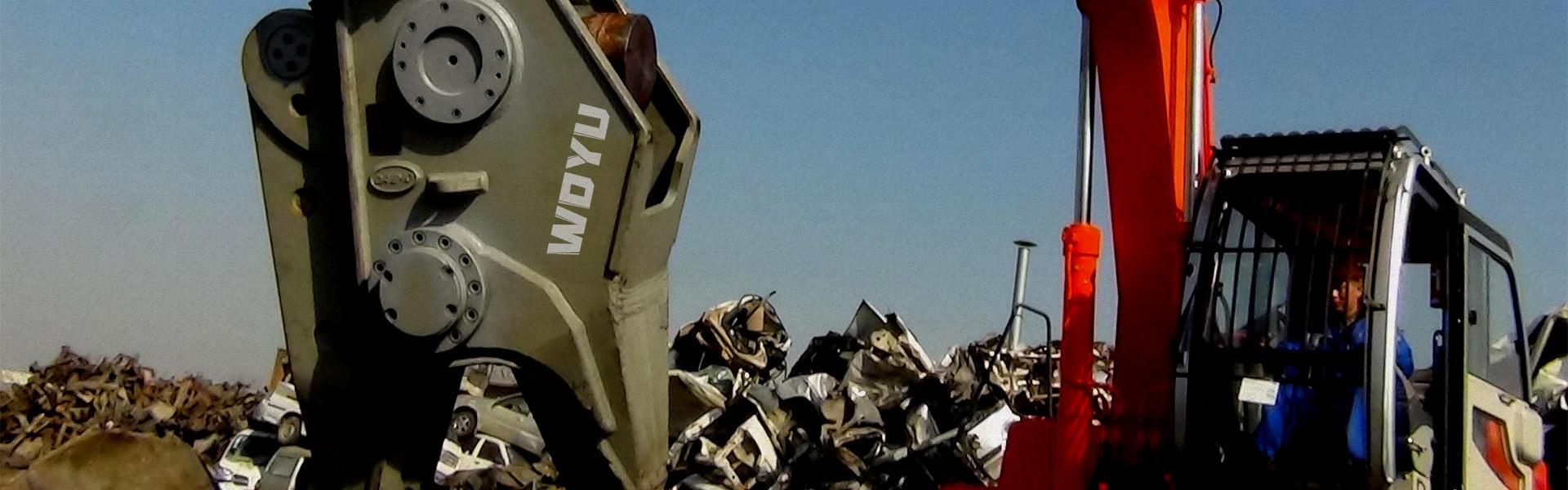
Woyu mechanical equipment
Various types of wood grabs (steel and stone), crushing pliers, double cylinder shears, hydraulic suction cups and other accessories
02
2024
-
03
The Evolution of Light Disassembling Shears: From Manual to Pneumatic
**Introduction**
In the ever-evolving world of manufacturing and processing machinery, the use of pneumatic tools has become increasingly popular. One such tool that has seen a significant evolution is the light disassembling shears. From manual to pneumatic, these shears have come a long way in terms of efficiency, precision, and ease of use. In this article, we will delve into the evolution of light disassembling shears, exploring the transition from manual to pneumatic technology.
**The Origins of Manual Disassembling Shears**
Manual disassembling shears have been a staple in various industries for decades. These handheld tools were initially designed to cut through a variety of materials, ranging from fabrics to metals. While effective, manual shears had their limitations, such as the need for physical strength to operate them and the potential for imprecise cuts.
**The Rise of Pneumatic Technology**
As technology advanced, the introduction of pneumatic tools revolutionized the way we approach cutting tasks. Pneumatic shears operate using compressed air, providing a consistent and powerful cutting force without the need for manual exertion. This technology has drastically improved efficiency and precision in cutting applications, making it a preferred choice in many manufacturing settings.
**Advantages of Pneumatic Disassembling Shears**
The shift from manual to pneumatic disassembling shears has brought about numerous benefits. Pneumatic shears are known for their speed, accuracy, and ease of use. With the ability to handle a wide range of materials with precision, these tools have become indispensable in industries where efficiency and quality are paramount. Additionally, pneumatic shears are more ergonomic and reduce the risk of repetitive strain injuries, making them a safer choice for workers.
**The Future of Light Disassembling Shears**
As technology continues to advance, we can expect further innovations in the field of light disassembling shears. From improved cutting mechanisms to enhanced safety features, the future looks bright for pneumatic tools. Manufacturers are constantly striving to develop more efficient and user-friendly shears to meet the evolving needs of the industry.
**FAQs**
1. What are the main differences between manual and pneumatic disassembling shears?
2. How do pneumatic shears operate?
3. What materials can pneumatic shears cut through?
4. Are pneumatic shears safer than manual shears?
5. What advancements can we expect to see in pneumatic shears in the future?
**Conclusion**
The evolution of light disassembling shears from manual to pneumatic technology has transformed the way we approach cutting tasks in various industries. With the numerous advantages that pneumatic shears offer, it's clear that this innovative technology is here to stay. As manufacturers continue to push the boundaries of what is possible, we can look forward to even more efficient and user-friendly shears in the future.
In the ever-evolving world of manufacturing and processing machinery, the use of pneumatic tools has become increasingly popular. One such tool that has seen a significant evolution is the light disassembling shears. From manual to pneumatic, these shears have come a long way in terms of efficiency, precision, and ease of use. In this article, we will delve into the evolution of light disassembling shears, exploring the transition from manual to pneumatic technology.
**The Origins of Manual Disassembling Shears**
Manual disassembling shears have been a staple in various industries for decades. These handheld tools were initially designed to cut through a variety of materials, ranging from fabrics to metals. While effective, manual shears had their limitations, such as the need for physical strength to operate them and the potential for imprecise cuts.
**The Rise of Pneumatic Technology**
As technology advanced, the introduction of pneumatic tools revolutionized the way we approach cutting tasks. Pneumatic shears operate using compressed air, providing a consistent and powerful cutting force without the need for manual exertion. This technology has drastically improved efficiency and precision in cutting applications, making it a preferred choice in many manufacturing settings.
**Advantages of Pneumatic Disassembling Shears**
The shift from manual to pneumatic disassembling shears has brought about numerous benefits. Pneumatic shears are known for their speed, accuracy, and ease of use. With the ability to handle a wide range of materials with precision, these tools have become indispensable in industries where efficiency and quality are paramount. Additionally, pneumatic shears are more ergonomic and reduce the risk of repetitive strain injuries, making them a safer choice for workers.
**The Future of Light Disassembling Shears**
As technology continues to advance, we can expect further innovations in the field of light disassembling shears. From improved cutting mechanisms to enhanced safety features, the future looks bright for pneumatic tools. Manufacturers are constantly striving to develop more efficient and user-friendly shears to meet the evolving needs of the industry.
**FAQs**
1. What are the main differences between manual and pneumatic disassembling shears?
2. How do pneumatic shears operate?
3. What materials can pneumatic shears cut through?
4. Are pneumatic shears safer than manual shears?
5. What advancements can we expect to see in pneumatic shears in the future?
**Conclusion**
The evolution of light disassembling shears from manual to pneumatic technology has transformed the way we approach cutting tasks in various industries. With the numerous advantages that pneumatic shears offer, it's clear that this innovative technology is here to stay. As manufacturers continue to push the boundaries of what is possible, we can look forward to even more efficient and user-friendly shears in the future.
Satisfied with the service

Product information and technical knowledge
Hebei Woyu