

-
-
ProductsOur products are used in mining, metallurgy, chemical industry, building materials, construction, railway, highway construction and other industries and departments. With superior cost performance, every user can buy more aff

-
CasesOur products are used in mining, metallurgy, chemical industry, building materials, construction, railway, highway construction and other industries and departments. With superior cost performance, every user can buy more aff
-


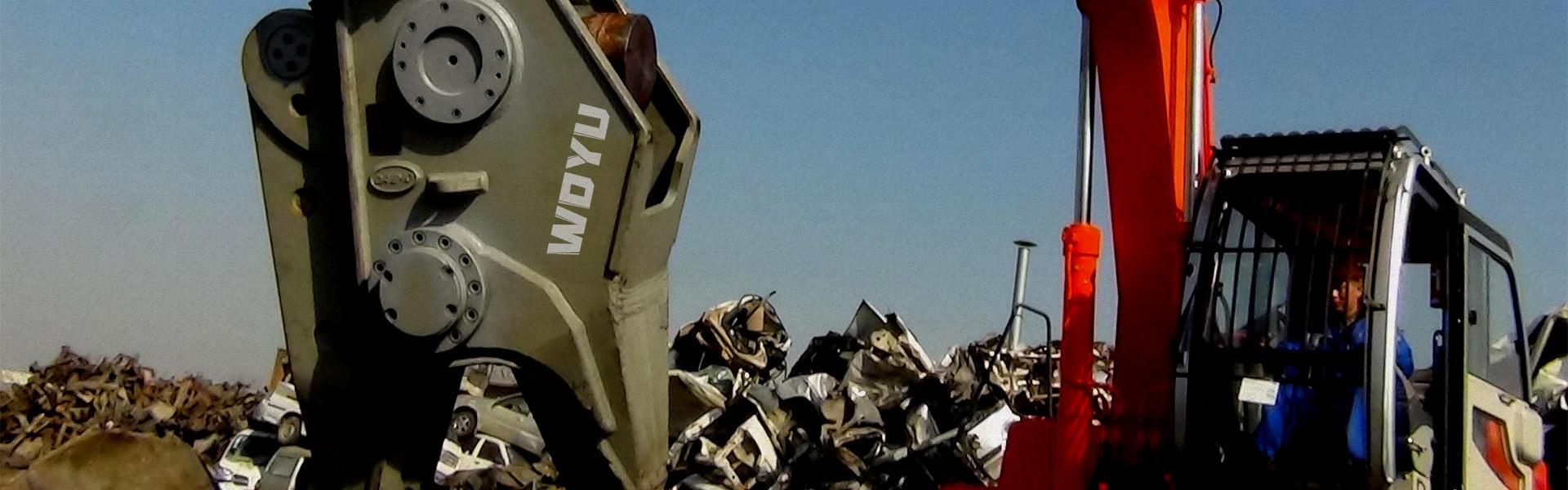
Woyu mechanical equipment
Various types of wood grabs (steel and stone), crushing pliers, double cylinder shears, hydraulic suction cups and other accessories
20
2024
-
01
How Hydraulic Crushing Pliers Revolutionize Metalworks and Demolition
Table of Contents:
1. Introduction: The Evolution of Hydraulic Crushing Pliers
2. Understanding Hydraulic Crushing Pliers
3. Applications of Hydraulic Crushing Pliers
4. Advantages of Hydraulic Crushing Pliers
5. Factors to Consider When Choosing Hydraulic Crushing Pliers
6. Frequently Asked Questions (FAQs)
7. Conclusion
The metalworks and demolition industries have witnessed a significant transformation with the advent of hydraulic crushing pliers. These robust and versatile tools have revolutionized the way professionals handle challenging tasks in these fields. By harnessing the power of hydraulic systems, these pliers offer precision, efficiency, and enhanced safety, making them indispensable in various applications.
Hydraulic crushing pliers are innovative tools that utilize hydraulic pressure to exert immense force, enabling the cutting, crushing, and bending of various materials. Their unique design incorporates hydraulic cylinders, jaws, and a control system, allowing operators to manipulate the pliers with precision and ease.
The hydraulic system provides a significant advantage over traditional mechanical tools, as it offers greater power, control, and versatility. The pressure is generated by hydraulic pumps, which channel hydraulic fluid to the cylinders, amplifying the force exerted by the pliers. This force can be adjusted according to the specific task at hand, ensuring optimal performance and minimizing the risk of damage.
The applications of hydraulic crushing pliers are vast and diverse, catering to the needs of both metalworks and demolition professionals. Here are some key areas where these tools excel:
Hydraulic crushing pliers are widely used in metalworks for cutting, shearing, and crushing metallic materials. They can effortlessly handle tasks such as dismantling vehicles, processing scrap metal, and shaping metal components. The ability to exert immense force with precision allows for cleaner and more efficient cuts, enabling metalworkers to achieve superior results in less time.
In the demolition industry, hydraulic crushing pliers have become indispensable for dismantling structures, breaking concrete, and removing reinforced steel. These powerful tools can handle even the toughest materials, ensuring swift and effective demolition processes. The precision offered by hydraulic systems minimizes the risk of collateral damage, making them ideal for selective demolition projects.
Hydraulic crushing pliers offer numerous advantages over traditional mechanical tools, making them a preferred choice for professionals in the metalworks and demolition industries. Some key benefits include:
The hydraulic system generates significantly higher force compared to mechanical tools, allowing for faster and more efficient operations. This increased power translates into enhanced productivity, enabling professionals to complete tasks in a fraction of the time.
The hydraulic control system offers precise control over the force exerted by the pliers. This versatility allows operators to adapt to different materials and tasks, ensuring optimal performance and minimizing the risk of damage. The ability to adjust the force also enhances safety, reducing the chances of accidents or injuries.
Hydraulic crushing pliers incorporate safety features that prioritize the well-being of operators. The control system allows for gradual force application, preventing sudden impacts that could lead to accidents. Additionally, these tools eliminate the need for manual exertion, reducing the risk of strain or fatigue-related injuries.
When selecting hydraulic crushing pliers for metalworks or demolition projects, certain factors should be taken into consideration. These factors ensure that the chosen tool is compatible with the specific requirements of the task at hand. Key considerations include:
The force capacity of hydraulic crushing pliers determines their capability to handle different materials and tasks. It is crucial to select a tool that offers sufficient force to achieve desired results without straining the equipment or compromising safety.
The design of the jaws plays a significant role in the tool's versatility. Different jaw shapes and configurations cater to various materials and applications. Considering the range of tasks involved in metalworks and demolition projects, a tool with interchangeable jaws provides added flexibility.
Investing in high-quality hydraulic crushing pliers ensures durability and longevity. Tools constructed with robust materials and designed to withstand heavy use are more likely to deliver reliable performance over time. Additionally, considering ease of maintenance and availability of spare parts is essential for minimizing downtime and maximizing productivity.
Hydraulic crushing pliers are designed to handle various materials, including metals like steel, aluminum, and copper. They can also process concrete, reinforced steel, and other sturdy materials commonly encountered in demolition projects.
Yes, hydraulic crushing pliers offer precise control over the force exerted, making them ideal for precision tasks. The ability to adjust the force allows operators to achieve clean cuts and accurate bends, ensuring superior results.
Certain hydraulic crushing pliers models are specifically designed for underwater applications. These tools are equipped with additional features to withstand the conditions encountered in underwater metalworks or demolition projects.
Hydraulic crushing pliers are more environmentally friendly compared to alternative methods. They minimize waste and reduce the need for additional energy-consuming processes. Additionally, their precision and efficiency contribute to minimizing the overall environmental impact.
Regular maintenance is essential to ensure optimal performance and longevity of hydraulic crushing pliers. It typically involves periodic inspection, lubrication, and addressing any wear or damage. Following the manufacturer's guidelines and scheduling routine maintenance is crucial.
Hydraulic crushing pliers have undoubtedly revolutionized metalworks and demolition industries with their powerful performance, precise control, and enhanced safety features. These innovative tools have become indispensable in various applications, offering increased efficiency, versatility, and environmental friendliness. By selecting the right hydraulic crushing pliers and considering key factors, professionals can elevate their productivity and achieve superior results. Embrace the transformative power of hydraulic crushing pliers and unleash your potential in the metalworks and demolition fields.
1. Introduction: The Evolution of Hydraulic Crushing Pliers
2. Understanding Hydraulic Crushing Pliers
3. Applications of Hydraulic Crushing Pliers
4. Advantages of Hydraulic Crushing Pliers
5. Factors to Consider When Choosing Hydraulic Crushing Pliers
6. Frequently Asked Questions (FAQs)
7. Conclusion
1. Introduction: The Evolution of Hydraulic Crushing Pliers
The metalworks and demolition industries have witnessed a significant transformation with the advent of hydraulic crushing pliers. These robust and versatile tools have revolutionized the way professionals handle challenging tasks in these fields. By harnessing the power of hydraulic systems, these pliers offer precision, efficiency, and enhanced safety, making them indispensable in various applications.
2. Understanding Hydraulic Crushing Pliers
Hydraulic crushing pliers are innovative tools that utilize hydraulic pressure to exert immense force, enabling the cutting, crushing, and bending of various materials. Their unique design incorporates hydraulic cylinders, jaws, and a control system, allowing operators to manipulate the pliers with precision and ease.
The hydraulic system provides a significant advantage over traditional mechanical tools, as it offers greater power, control, and versatility. The pressure is generated by hydraulic pumps, which channel hydraulic fluid to the cylinders, amplifying the force exerted by the pliers. This force can be adjusted according to the specific task at hand, ensuring optimal performance and minimizing the risk of damage.
3. Applications of Hydraulic Crushing Pliers
The applications of hydraulic crushing pliers are vast and diverse, catering to the needs of both metalworks and demolition professionals. Here are some key areas where these tools excel:
3.1 Metalworks
Hydraulic crushing pliers are widely used in metalworks for cutting, shearing, and crushing metallic materials. They can effortlessly handle tasks such as dismantling vehicles, processing scrap metal, and shaping metal components. The ability to exert immense force with precision allows for cleaner and more efficient cuts, enabling metalworkers to achieve superior results in less time.
3.2 Demolition
In the demolition industry, hydraulic crushing pliers have become indispensable for dismantling structures, breaking concrete, and removing reinforced steel. These powerful tools can handle even the toughest materials, ensuring swift and effective demolition processes. The precision offered by hydraulic systems minimizes the risk of collateral damage, making them ideal for selective demolition projects.
4. Advantages of Hydraulic Crushing Pliers
Hydraulic crushing pliers offer numerous advantages over traditional mechanical tools, making them a preferred choice for professionals in the metalworks and demolition industries. Some key benefits include:
4.1 Increased Power and Efficiency
The hydraulic system generates significantly higher force compared to mechanical tools, allowing for faster and more efficient operations. This increased power translates into enhanced productivity, enabling professionals to complete tasks in a fraction of the time.
4.2 Precise Control and Versatility
The hydraulic control system offers precise control over the force exerted by the pliers. This versatility allows operators to adapt to different materials and tasks, ensuring optimal performance and minimizing the risk of damage. The ability to adjust the force also enhances safety, reducing the chances of accidents or injuries.
4.3 Enhanced Safety
Hydraulic crushing pliers incorporate safety features that prioritize the well-being of operators. The control system allows for gradual force application, preventing sudden impacts that could lead to accidents. Additionally, these tools eliminate the need for manual exertion, reducing the risk of strain or fatigue-related injuries.
5. Factors to Consider When Choosing Hydraulic Crushing Pliers
When selecting hydraulic crushing pliers for metalworks or demolition projects, certain factors should be taken into consideration. These factors ensure that the chosen tool is compatible with the specific requirements of the task at hand. Key considerations include:
5.1 Force Capacity
The force capacity of hydraulic crushing pliers determines their capability to handle different materials and tasks. It is crucial to select a tool that offers sufficient force to achieve desired results without straining the equipment or compromising safety.
5.2 Jaw Design
The design of the jaws plays a significant role in the tool's versatility. Different jaw shapes and configurations cater to various materials and applications. Considering the range of tasks involved in metalworks and demolition projects, a tool with interchangeable jaws provides added flexibility.
5.3 Durability and Maintenance
Investing in high-quality hydraulic crushing pliers ensures durability and longevity. Tools constructed with robust materials and designed to withstand heavy use are more likely to deliver reliable performance over time. Additionally, considering ease of maintenance and availability of spare parts is essential for minimizing downtime and maximizing productivity.
6. Frequently Asked Questions (FAQs)
6.1 What materials can hydraulic crushing pliers handle?
Hydraulic crushing pliers are designed to handle various materials, including metals like steel, aluminum, and copper. They can also process concrete, reinforced steel, and other sturdy materials commonly encountered in demolition projects.
6.2 Are hydraulic crushing pliers suitable for precision tasks?
Yes, hydraulic crushing pliers offer precise control over the force exerted, making them ideal for precision tasks. The ability to adjust the force allows operators to achieve clean cuts and accurate bends, ensuring superior results.
6.3 Can hydraulic crushing pliers be used in underwater applications?
Certain hydraulic crushing pliers models are specifically designed for underwater applications. These tools are equipped with additional features to withstand the conditions encountered in underwater metalworks or demolition projects.
6.4 Are hydraulic crushing pliers environmentally friendly?
Hydraulic crushing pliers are more environmentally friendly compared to alternative methods. They minimize waste and reduce the need for additional energy-consuming processes. Additionally, their precision and efficiency contribute to minimizing the overall environmental impact.
6.5 What are the maintenance requirements for hydraulic crushing pliers?
Regular maintenance is essential to ensure optimal performance and longevity of hydraulic crushing pliers. It typically involves periodic inspection, lubrication, and addressing any wear or damage. Following the manufacturer's guidelines and scheduling routine maintenance is crucial.
7. Conclusion
Hydraulic crushing pliers have undoubtedly revolutionized metalworks and demolition industries with their powerful performance, precise control, and enhanced safety features. These innovative tools have become indispensable in various applications, offering increased efficiency, versatility, and environmental friendliness. By selecting the right hydraulic crushing pliers and considering key factors, professionals can elevate their productivity and achieve superior results. Embrace the transformative power of hydraulic crushing pliers and unleash your potential in the metalworks and demolition fields.
Satisfied with the service

Product information and technical knowledge
Hebei Woyu