

-
-
ProductsOur products are used in mining, metallurgy, chemical industry, building materials, construction, railway, highway construction and other industries and departments. With superior cost performance, every user can buy more aff

-
CasesOur products are used in mining, metallurgy, chemical industry, building materials, construction, railway, highway construction and other industries and departments. With superior cost performance, every user can buy more aff
-


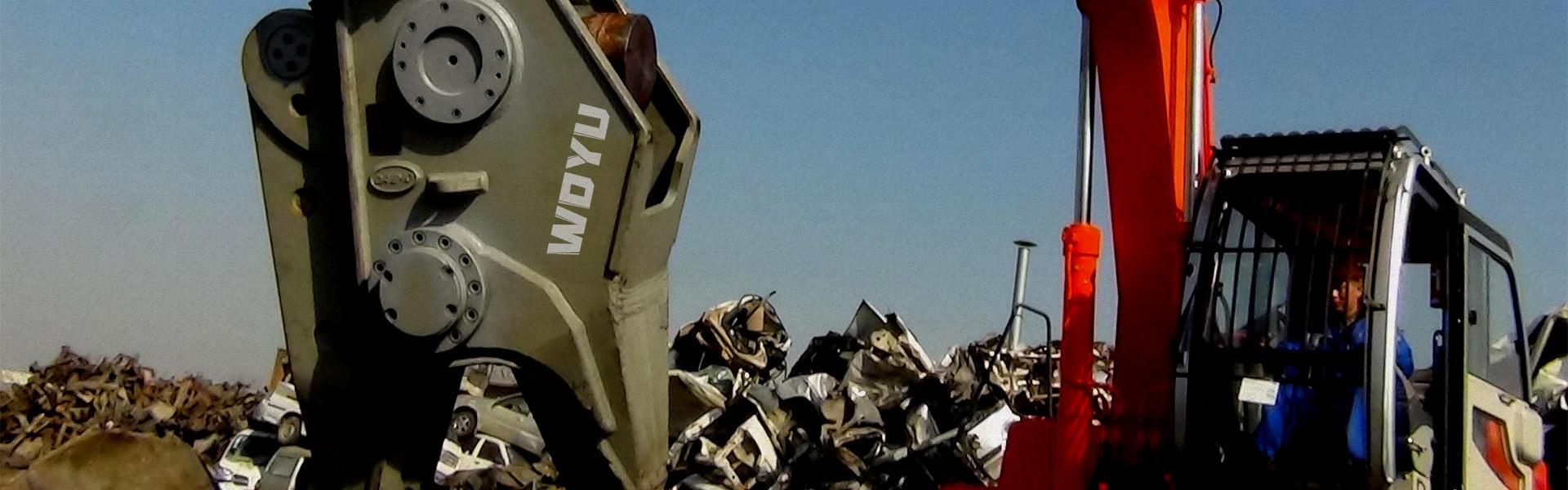
Woyu mechanical equipment
Various types of wood grabs (steel and stone), crushing pliers, double cylinder shears, hydraulic suction cups and other accessories
14
2024
-
01
Understanding Steel Grabs and Their Role in Hydraulic Engineering Machinery
Steel grabs play a crucial role in the field of hydraulic engineering machinery, specifically in the industrial equipment and components sector. These robust tools are widely used in various applications where lifting and handling of heavy materials are required. Let's delve into the details of steel grabs and their significance in the industry.
Steel grabs, also known as clamshell grabs, are hydraulic attachments designed to efficiently lift and transport bulk materials such as steel scraps, coal, rocks, and other solid materials. They consist of two hinged plates or shells that are operated through hydraulic systems. The mechanism allows the shells to open and close, enabling a firm grip on the materials.
One of the primary advantages of steel grabs is their versatility. They can be attached to different types of hydraulic machinery, including excavators, cranes, and loaders, making them highly adaptable to various job sites and conditions. The ability to interchange these grabs among different hydraulic machines enhances their efficiency and cost-effectiveness.
These hydraulic attachments offer several benefits, such as improved productivity and enhanced safety. Steel grabs enable operators to handle materials more efficiently, reducing loading and unloading time significantly. With their strong grip and precise control, they minimize the risk of material spills and accidents, thereby ensuring a safer working environment.
In hydraulic engineering machinery, steel grabs are particularly valuable in industries like construction, mining, and recycling. Construction sites often require the removal of debris, rocks, and soil, which can be efficiently accomplished using steel grabs. In mining operations, these grabs are instrumental in extracting and transporting ores and minerals. Moreover, in recycling facilities, steel grabs aid in the sorting and handling of scrap metal and other recyclable materials.
To maximize the performance and lifespan of steel grabs, regular maintenance and proper usage are essential. Following the manufacturer's guidelines for hydraulic fluid, pressure, and operating procedures is crucial to ensure the longevity and safe operation of these grabs. Additionally, inspections and timely repairs should be conducted to address any wear and tear, preventing potential breakdowns and accidents.
In conclusion, steel grabs are indispensable components in hydraulic engineering machinery. Their ability to securely grip and transport materials enhances productivity and safety in various industries. Whether it's construction, mining, or recycling, these versatile attachments are essential for efficient material handling. By understanding the functions and benefits of steel grabs, professionals in the industrial equipment and components sector can choose the right equipment for their specific needs, thus optimizing their operations.
Steel grabs, also known as clamshell grabs, are hydraulic attachments designed to efficiently lift and transport bulk materials such as steel scraps, coal, rocks, and other solid materials. They consist of two hinged plates or shells that are operated through hydraulic systems. The mechanism allows the shells to open and close, enabling a firm grip on the materials.
One of the primary advantages of steel grabs is their versatility. They can be attached to different types of hydraulic machinery, including excavators, cranes, and loaders, making them highly adaptable to various job sites and conditions. The ability to interchange these grabs among different hydraulic machines enhances their efficiency and cost-effectiveness.
These hydraulic attachments offer several benefits, such as improved productivity and enhanced safety. Steel grabs enable operators to handle materials more efficiently, reducing loading and unloading time significantly. With their strong grip and precise control, they minimize the risk of material spills and accidents, thereby ensuring a safer working environment.
In hydraulic engineering machinery, steel grabs are particularly valuable in industries like construction, mining, and recycling. Construction sites often require the removal of debris, rocks, and soil, which can be efficiently accomplished using steel grabs. In mining operations, these grabs are instrumental in extracting and transporting ores and minerals. Moreover, in recycling facilities, steel grabs aid in the sorting and handling of scrap metal and other recyclable materials.
To maximize the performance and lifespan of steel grabs, regular maintenance and proper usage are essential. Following the manufacturer's guidelines for hydraulic fluid, pressure, and operating procedures is crucial to ensure the longevity and safe operation of these grabs. Additionally, inspections and timely repairs should be conducted to address any wear and tear, preventing potential breakdowns and accidents.
In conclusion, steel grabs are indispensable components in hydraulic engineering machinery. Their ability to securely grip and transport materials enhances productivity and safety in various industries. Whether it's construction, mining, or recycling, these versatile attachments are essential for efficient material handling. By understanding the functions and benefits of steel grabs, professionals in the industrial equipment and components sector can choose the right equipment for their specific needs, thus optimizing their operations.
Satisfied with the service

Product information and technical knowledge
Hebei Woyu