

-
-
ProductsOur products are used in mining, metallurgy, chemical industry, building materials, construction, railway, highway construction and other industries and departments. With superior cost performance, every user can buy more aff

-
CasesOur products are used in mining, metallurgy, chemical industry, building materials, construction, railway, highway construction and other industries and departments. With superior cost performance, every user can buy more aff
-


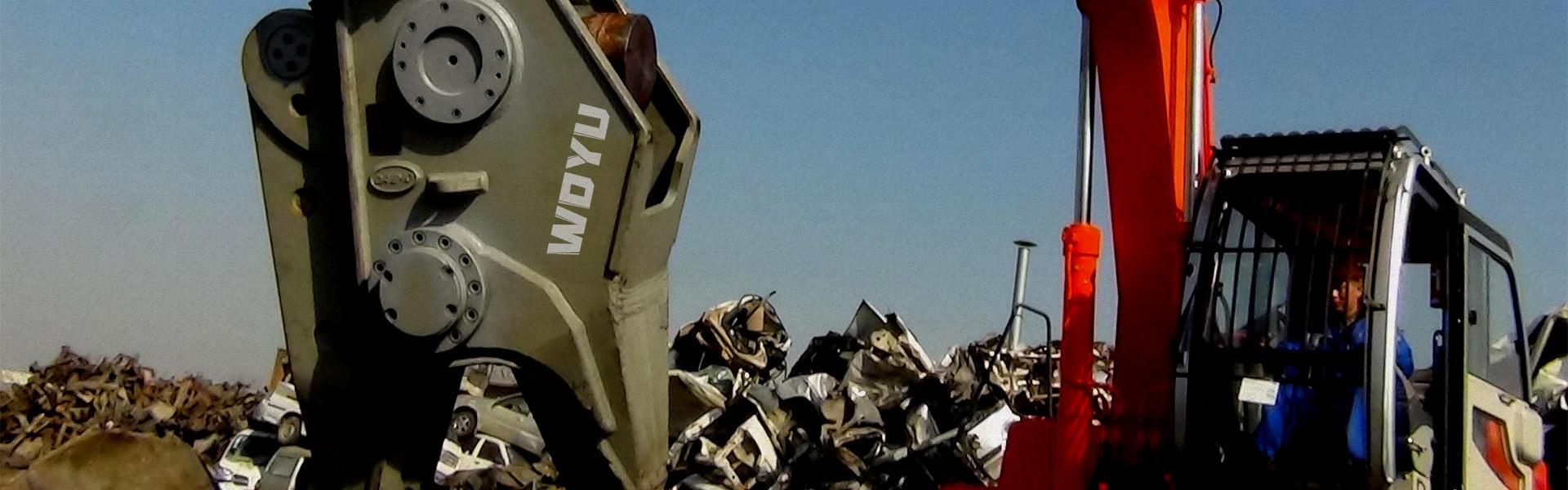
Woyu mechanical equipment
Various types of wood grabs (steel and stone), crushing pliers, double cylinder shears, hydraulic suction cups and other accessories
13
2024
-
01
Exploring the Benefits of a Wood Grabber in Industrial Equipment and Components
Table of Contents:
1. Introduction
2. What is a Wood Grabber?
3. Key Features of a Wood Grabber
4. Applications of a Wood Grabber
5. Benefits of Using a Wood Grabber
6. Frequently Asked Questions (FAQs)
7. Conclusion
**1. Introduction**
In the fast-paced world of industrial equipment and components, finding innovative tools that can optimize operations and improve productivity is crucial. One such tool that has gained popularity in the forestry and construction sectors is the wood grabber. This article explores the numerous benefits that a wood grabber brings to industrial settings, including enhanced efficiency, increased safety, and improved overall performance.
**2. What is a Wood Grabber?**
A wood grabber, also known as a log grabber or timber grab, is a specialized attachment that can be fitted onto various types of machinery, such as excavators, cranes, and loaders. It is specifically designed to handle and transport logs, lumber, and other wooden materials with ease. The wood grabber consists of a set of powerful jaws that can securely grip and lift heavy loads, making it an indispensable tool in the forestry and construction industries.
**3. Key Features of a Wood Grabber**
- Robust Construction: A wood grabber is built to withstand the demanding conditions of industrial environments. It is typically constructed using high-quality materials, such as hardened steel, to ensure durability and longevity.
- Hydraulic System: Most modern wood grabbers are operated hydraulically, allowing for precise control and efficient handling of materials. The hydraulic system enables operators to adjust the gripping force and ensure a secure hold on logs of varying sizes.
- Rotating Ability: Many wood grabbers feature a rotating mechanism that allows for 360-degree rotation. This feature significantly enhances maneuverability and enables operators to position the load accurately, reducing the risk of accidents and damage to surrounding structures.
- Versatility: Wood grabbers come in various sizes and configurations to suit different equipment and applications. They can be easily attached to excavators, cranes, and loaders, making them versatile tools that can be utilized in a wide range of projects.
**4. Applications of a Wood Grabber**
A wood grabber finds extensive use in diverse industrial applications, particularly in the forestry and construction sectors. Some common applications include:
- Logging Operations: Wood grabbers play a vital role in logging operations by efficiently gripping and lifting logs onto trucks or processing equipment. They streamline the process and improve productivity by minimizing manual handling and reducing the time required to load and unload materials.
- Timber Processing: In timber mills and processing facilities, wood grabbers facilitate the movement of logs, enabling smooth and efficient processing. They can precisely position logs for cutting, transportation, and storage, ensuring seamless operations and maximizing productivity.
- Construction Projects: Wood grabbers are commonly employed in construction projects that involve the use of timber. They enable the safe and efficient transport of wooden beams, planks, and other materials on construction sites, enhancing workflow and minimizing the risk of accidents.
**5. Benefits of Using a Wood Grabber**
- Increased Productivity: By automating the handling of logs and timber, a wood grabber significantly boosts productivity. Operators can handle larger loads with ease, reducing downtime and increasing efficiency. The precise control offered by hydraulic systems further enhances productivity by minimizing errors and delays.
- Enhanced Safety: Manual handling of heavy logs poses significant risks to workers in the forestry and construction industries. With a wood grabber, operators can eliminate the need for manual lifting, reducing the likelihood of injuries. The secure grip provided by the jaws ensures that materials are held firmly, further enhancing safety during transportation.
- Improved Efficiency: The ability to rotate a wood grabber enables operators to position loads accurately, improving efficiency in various tasks. Whether it is loading logs onto a truck or maneuvering materials in a timber mill, the rotating feature enables operators to work with precision and speed, leading to enhanced overall efficiency.
- Cost Savings: Incorporating a wood grabber into industrial equipment can lead to long-term cost savings. By streamlining operations and reducing manual labor, businesses can optimize their resources and allocate manpower more efficiently. Additionally, the durability and longevity of wood grabbers translate into lower maintenance and replacement costs over time.
**6. Frequently Asked Questions (FAQs)**
Q1: Can a wood grabber be used with different types of machinery?
A: Yes, wood grabbers can be easily attached to a wide range of machinery, including excavators, cranes, and loaders.
Q2: How does a wood grabber contribute to improved safety?
A: Wood grabbers eliminate the need for manual lifting, reducing the risk of injuries associated with heavy log handling. The secure grip provided ensures safe transportation of materials.
Q3: Are wood grabbers suitable for small-scale logging operations?
A: Yes, wood grabbers come in various sizes and configurations, making them suitable for both large-scale and small-scale logging operations.
Q4: Can a wood grabber be utilized for materials other than logs?
A: While wood grabbers are primarily designed for logs and timber, they can also handle other materials, such as pipes and concrete blocks, depending on their size and weight capacity.
Q5: How can a wood grabber improve efficiency in timber mills?
A: By precisely positioning logs for cutting, transportation, and storage, wood grabbers streamline operations in timber mills, leading to improved efficiency.
**7. Conclusion**
Incorporating a wood grabber into industrial equipment and components brings numerous advantages to the forestry and construction sectors. This versatile tool enhances productivity, improves safety, and optimizes operations in various applications. With its robust construction, hydraulic capabilities, and rotating ability, a wood grabber provides a competitive edge in the industry. By investing in this innovative attachment, businesses can achieve increased efficiency, cost savings, and overall operational excellence.
1. Introduction
2. What is a Wood Grabber?
3. Key Features of a Wood Grabber
4. Applications of a Wood Grabber
5. Benefits of Using a Wood Grabber
6. Frequently Asked Questions (FAQs)
7. Conclusion
**1. Introduction**
In the fast-paced world of industrial equipment and components, finding innovative tools that can optimize operations and improve productivity is crucial. One such tool that has gained popularity in the forestry and construction sectors is the wood grabber. This article explores the numerous benefits that a wood grabber brings to industrial settings, including enhanced efficiency, increased safety, and improved overall performance.
**2. What is a Wood Grabber?**
A wood grabber, also known as a log grabber or timber grab, is a specialized attachment that can be fitted onto various types of machinery, such as excavators, cranes, and loaders. It is specifically designed to handle and transport logs, lumber, and other wooden materials with ease. The wood grabber consists of a set of powerful jaws that can securely grip and lift heavy loads, making it an indispensable tool in the forestry and construction industries.
**3. Key Features of a Wood Grabber**
- Robust Construction: A wood grabber is built to withstand the demanding conditions of industrial environments. It is typically constructed using high-quality materials, such as hardened steel, to ensure durability and longevity.
- Hydraulic System: Most modern wood grabbers are operated hydraulically, allowing for precise control and efficient handling of materials. The hydraulic system enables operators to adjust the gripping force and ensure a secure hold on logs of varying sizes.
- Rotating Ability: Many wood grabbers feature a rotating mechanism that allows for 360-degree rotation. This feature significantly enhances maneuverability and enables operators to position the load accurately, reducing the risk of accidents and damage to surrounding structures.
- Versatility: Wood grabbers come in various sizes and configurations to suit different equipment and applications. They can be easily attached to excavators, cranes, and loaders, making them versatile tools that can be utilized in a wide range of projects.
**4. Applications of a Wood Grabber**
A wood grabber finds extensive use in diverse industrial applications, particularly in the forestry and construction sectors. Some common applications include:
- Logging Operations: Wood grabbers play a vital role in logging operations by efficiently gripping and lifting logs onto trucks or processing equipment. They streamline the process and improve productivity by minimizing manual handling and reducing the time required to load and unload materials.
- Timber Processing: In timber mills and processing facilities, wood grabbers facilitate the movement of logs, enabling smooth and efficient processing. They can precisely position logs for cutting, transportation, and storage, ensuring seamless operations and maximizing productivity.
- Construction Projects: Wood grabbers are commonly employed in construction projects that involve the use of timber. They enable the safe and efficient transport of wooden beams, planks, and other materials on construction sites, enhancing workflow and minimizing the risk of accidents.
**5. Benefits of Using a Wood Grabber**
- Increased Productivity: By automating the handling of logs and timber, a wood grabber significantly boosts productivity. Operators can handle larger loads with ease, reducing downtime and increasing efficiency. The precise control offered by hydraulic systems further enhances productivity by minimizing errors and delays.
- Enhanced Safety: Manual handling of heavy logs poses significant risks to workers in the forestry and construction industries. With a wood grabber, operators can eliminate the need for manual lifting, reducing the likelihood of injuries. The secure grip provided by the jaws ensures that materials are held firmly, further enhancing safety during transportation.
- Improved Efficiency: The ability to rotate a wood grabber enables operators to position loads accurately, improving efficiency in various tasks. Whether it is loading logs onto a truck or maneuvering materials in a timber mill, the rotating feature enables operators to work with precision and speed, leading to enhanced overall efficiency.
- Cost Savings: Incorporating a wood grabber into industrial equipment can lead to long-term cost savings. By streamlining operations and reducing manual labor, businesses can optimize their resources and allocate manpower more efficiently. Additionally, the durability and longevity of wood grabbers translate into lower maintenance and replacement costs over time.
**6. Frequently Asked Questions (FAQs)**
Q1: Can a wood grabber be used with different types of machinery?
A: Yes, wood grabbers can be easily attached to a wide range of machinery, including excavators, cranes, and loaders.
Q2: How does a wood grabber contribute to improved safety?
A: Wood grabbers eliminate the need for manual lifting, reducing the risk of injuries associated with heavy log handling. The secure grip provided ensures safe transportation of materials.
Q3: Are wood grabbers suitable for small-scale logging operations?
A: Yes, wood grabbers come in various sizes and configurations, making them suitable for both large-scale and small-scale logging operations.
Q4: Can a wood grabber be utilized for materials other than logs?
A: While wood grabbers are primarily designed for logs and timber, they can also handle other materials, such as pipes and concrete blocks, depending on their size and weight capacity.
Q5: How can a wood grabber improve efficiency in timber mills?
A: By precisely positioning logs for cutting, transportation, and storage, wood grabbers streamline operations in timber mills, leading to improved efficiency.
**7. Conclusion**
Incorporating a wood grabber into industrial equipment and components brings numerous advantages to the forestry and construction sectors. This versatile tool enhances productivity, improves safety, and optimizes operations in various applications. With its robust construction, hydraulic capabilities, and rotating ability, a wood grabber provides a competitive edge in the industry. By investing in this innovative attachment, businesses can achieve increased efficiency, cost savings, and overall operational excellence.
Satisfied with the service

Product information and technical knowledge
Hebei Woyu