

-
-
ProductsOur products are used in mining, metallurgy, chemical industry, building materials, construction, railway, highway construction and other industries and departments. With superior cost performance, every user can buy more aff

-
CasesOur products are used in mining, metallurgy, chemical industry, building materials, construction, railway, highway construction and other industries and departments. With superior cost performance, every user can buy more aff
-


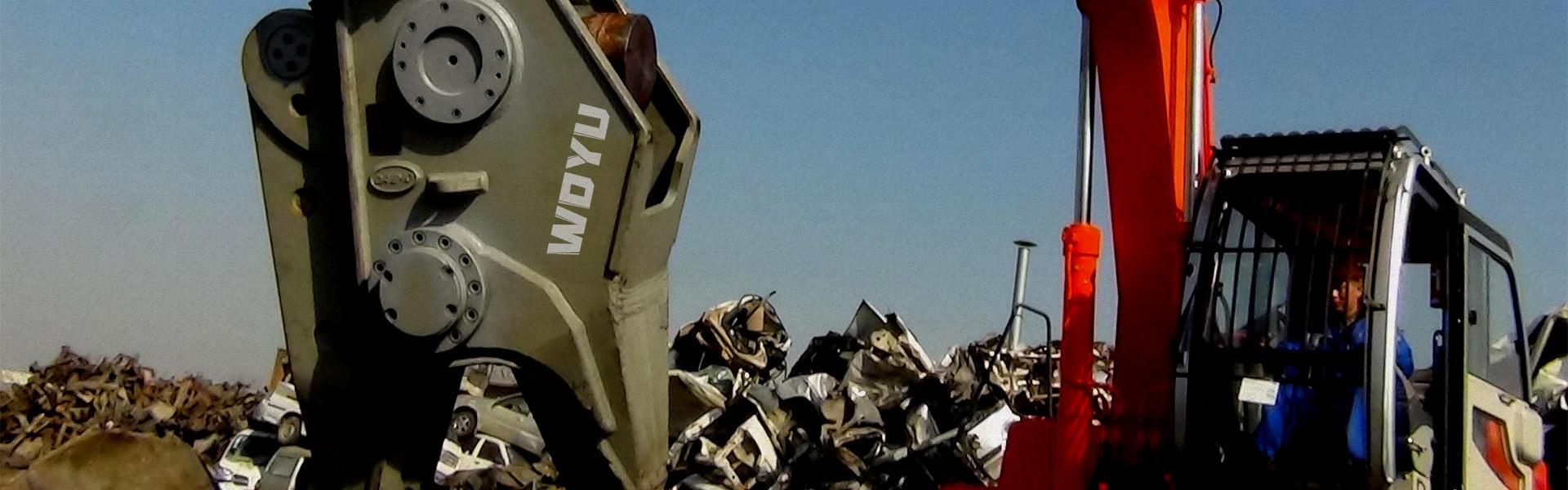
Woyu mechanical equipment
Various types of wood grabs (steel and stone), crushing pliers, double cylinder shears, hydraulic suction cups and other accessories
12
2024
-
01
What is a Wood Grabber and How Does it Work?
Wood Grabber: An Essential Hydraulic Component for Handling Timber
Introduction:
In the field of industrial equipment and components, the hydraulic engineering machinery sector plays a vital role in various applications. One of the key components in this sector is the wood grabber, which is used for efficiently handling timber. This article will delve into the details of what a wood grabber is, how it works, and its importance in the industry.
Understanding the Wood Grabber:
A wood grabber, also known as a timber grab or log grab, is a hydraulic device used in machines such as excavators, loaders, and cranes. Its primary function is to grip and lift timber logs, facilitating their transportation and manipulation. The wood grabber comprises a set of strong jaws with sharp teeth-like structures, enabling it to securely hold onto wood logs of various sizes and shapes.
How Does a Wood Grabber Work?
When a wood grabber is attached to hydraulic machinery, it utilizes the hydraulic power system to perform its gripping and releasing actions. The hydraulic system generates pressure, which is transmitted to the grabber, enabling it to close its jaws around the timber securely. This mechanism ensures a tight grip, preventing the logs from slipping or falling during transportation.
Significance in the Industry:
The wood grabber plays a crucial role in the timber industry and its related sectors. Here are a few key points highlighting its significance:
1. Enhanced Efficiency: By using a wood grabber, operators can handle multiple logs simultaneously, significantly improving productivity and reducing labor requirements. This efficiency boost contributes to cost savings and streamlined operations.
2. Safety and Damage Prevention: With a secure grip on the logs, the wood grabber minimizes the risk of accidents and damage to the timber during transportation. This ensures the well-being of workers and protects the quality and integrity of the wood.
3. Versatility: Wood grabbers are adaptable and can be used in various applications, such as loading and unloading timber trucks, sorting logs, or feeding them into processing machinery. This versatility makes them indispensable in the timber industry's day-to-day operations.
Conclusion:
The wood grabber, a hydraulic component used in hydraulic engineering machinery, plays a vital role in the efficient handling of timber. Its gripping and releasing actions, powered by hydraulic pressure, facilitate the safe transportation and manipulation of logs. With its ability to enhance efficiency, ensure safety, and offer versatility, the wood grabber has become an essential tool in the industrial equipment and components sector involved in hydraulic engineering machinery.
Introduction:
In the field of industrial equipment and components, the hydraulic engineering machinery sector plays a vital role in various applications. One of the key components in this sector is the wood grabber, which is used for efficiently handling timber. This article will delve into the details of what a wood grabber is, how it works, and its importance in the industry.
Understanding the Wood Grabber:
A wood grabber, also known as a timber grab or log grab, is a hydraulic device used in machines such as excavators, loaders, and cranes. Its primary function is to grip and lift timber logs, facilitating their transportation and manipulation. The wood grabber comprises a set of strong jaws with sharp teeth-like structures, enabling it to securely hold onto wood logs of various sizes and shapes.
How Does a Wood Grabber Work?
When a wood grabber is attached to hydraulic machinery, it utilizes the hydraulic power system to perform its gripping and releasing actions. The hydraulic system generates pressure, which is transmitted to the grabber, enabling it to close its jaws around the timber securely. This mechanism ensures a tight grip, preventing the logs from slipping or falling during transportation.
Significance in the Industry:
The wood grabber plays a crucial role in the timber industry and its related sectors. Here are a few key points highlighting its significance:
1. Enhanced Efficiency: By using a wood grabber, operators can handle multiple logs simultaneously, significantly improving productivity and reducing labor requirements. This efficiency boost contributes to cost savings and streamlined operations.
2. Safety and Damage Prevention: With a secure grip on the logs, the wood grabber minimizes the risk of accidents and damage to the timber during transportation. This ensures the well-being of workers and protects the quality and integrity of the wood.
3. Versatility: Wood grabbers are adaptable and can be used in various applications, such as loading and unloading timber trucks, sorting logs, or feeding them into processing machinery. This versatility makes them indispensable in the timber industry's day-to-day operations.
Conclusion:
The wood grabber, a hydraulic component used in hydraulic engineering machinery, plays a vital role in the efficient handling of timber. Its gripping and releasing actions, powered by hydraulic pressure, facilitate the safe transportation and manipulation of logs. With its ability to enhance efficiency, ensure safety, and offer versatility, the wood grabber has become an essential tool in the industrial equipment and components sector involved in hydraulic engineering machinery.
Satisfied with the service

Product information and technical knowledge
Hebei Woyu