

-
-
ProductsOur products are used in mining, metallurgy, chemical industry, building materials, construction, railway, highway construction and other industries and departments. With superior cost performance, every user can buy more aff

-
CasesOur products are used in mining, metallurgy, chemical industry, building materials, construction, railway, highway construction and other industries and departments. With superior cost performance, every user can buy more aff
-


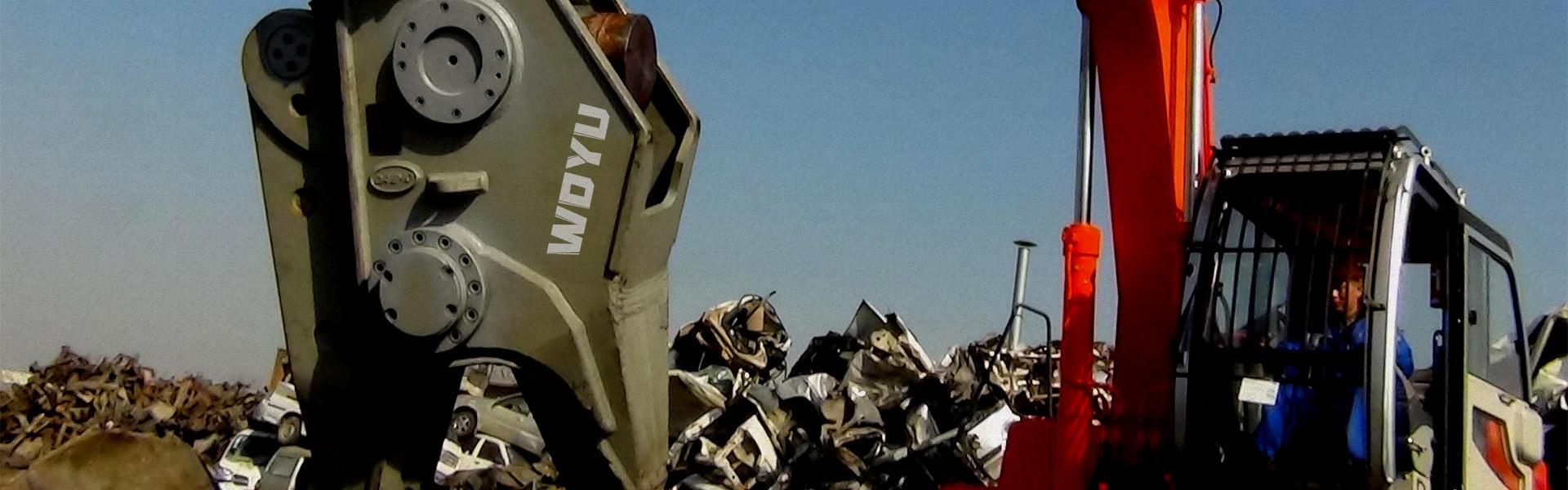
Woyu mechanical equipment
Various types of wood grabs (steel and stone), crushing pliers, double cylinder shears, hydraulic suction cups and other accessories
11
2024
-
01
Mastering Construction Challenges with Hydraulic Pulverizers
Table of Contents
1. Introduction: Understanding the Power of Hydraulic Pulverizers
2. The Versatility of Hydraulic Pulverizers
3. Advantages of Hydraulic Pulverizers in Construction
4. Key Applications of Hydraulic Pulverizers
5. Choosing the Right Hydraulic Pulverizer for Your Project
6. Best Practices for Using Hydraulic Pulverizers
7. Safety Considerations when Operating Hydraulic Pulverizers
8. Maintenance and Care for Hydraulic Pulverizers
9. Frequently Asked Questions (FAQs)
10. Conclusion
Construction projects often face numerous challenges, from demolishing concrete structures to processing construction waste. Hydraulic pulverizers have emerged as a game-changer in the construction industry, offering a reliable and efficient solution to overcome these challenges. In this article, we will delve into the world of hydraulic pulverizers, exploring their benefits, applications, and best practices.
Hydraulic pulverizers are incredibly versatile tools that can be used in various construction applications. From demolition to recycling, these machines can handle a wide range of materials, including concrete, rock, and asphalt. With their powerful jaws and cutting-edge technology, hydraulic pulverizers can reduce large structures into smaller, more manageable pieces, making them ideal for tasks such as demolition, site preparation, and waste processing.
One of the primary applications of hydraulic pulverizers is in demolition projects. These robust machines can effectively demolish concrete structures, including buildings, bridges, and roads. By pulverizing concrete into smaller fragments, hydraulic pulverizers enable efficient removal and recycling, minimizing waste and reducing environmental impact.
Hydraulic pulverizers play a crucial role in construction waste recycling. They can process concrete, bricks, and other construction debris, transforming them into reusable materials. This not only reduces the need for additional raw materials but also contributes to a more sustainable construction industry.
Hydraulic pulverizers offer numerous advantages that make them a preferred choice in construction projects.
With their powerful crushing force and quick cycle times, hydraulic pulverizers significantly improve efficiency and productivity on construction sites. These machines can quickly process large volumes of materials, allowing construction projects to progress smoothly and meet tight deadlines.
Hydraulic pulverizers can be easily attached to excavators, making them highly versatile and adaptable to different project requirements. Whether it's demolishing a structure, processing construction waste, or preparing a site for construction, these machines can seamlessly switch between tasks, increasing operational flexibility.
By reducing the need for manual labor and optimizing material processing, hydraulic pulverizers offer substantial cost savings in construction projects. The efficient pulverization and recycling of materials minimize waste disposal costs, while the enhanced productivity streamlines project timelines, reducing overall expenses.
Hydraulic pulverizers excel in demolition and site preparation tasks. From breaking down concrete structures to clearing land for construction, these machines ensure efficient and precise execution. Their ability to pulverize concrete and other materials simplifies the removal process, enabling faster site clearance and preparation.
Construction waste recycling is an essential aspect of sustainable construction practices. Hydraulic pulverizers enable the recycling and recovery of valuable materials from construction debris, reducing the reliance on virgin resources. These machines can process materials on-site, contributing to a circular economy and minimizing the environmental impact of construction projects.
Selecting the appropriate hydraulic pulverizer for your construction project is crucial to ensure optimal performance and efficiency. Consider the following factors when choosing a hydraulic pulverizer:
Choose a hydraulic pulverizer that matches the weight and size of your excavator. Ensuring compatibility between the attachment and the machine is essential for safe and efficient operation.
The crushing force of a hydraulic pulverizer determines its ability to pulverize different materials effectively. Consider the maximum crushing force required for your specific project requirements.
Different jaw configurations are available for hydraulic pulverizers, allowing for specialized applications. Whether you need a pulverizer for concrete demolition or asphalt processing, selecting the appropriate jaw configuration is vital.
Some hydraulic pulverizers offer additional attachment options, such as shears or crushers. Assess your project needs and determine if these additional features would enhance the versatility and efficiency of the pulverizer.
To maximize the performance and longevity of your hydraulic pulverizer, follow these best practices:
Ensure that operators receive thorough training on the safe and efficient operation of hydraulic pulverizers. Familiarize them with the controls, safety features, and maintenance procedures.
Perform regular maintenance and inspections on the hydraulic pulverizer to identify and address any potential issues. This includes checking hydraulic hoses, lubricating moving parts, and inspecting teeth and blades for wear.
Always prioritize safety when operating a hydraulic pulverizer. Follow proper safety protocols, wear appropriate personal protective equipment (PPE), and ensure that the work area is clear of obstructions.
To maximize the pulverizer's efficiency, feed materials in a controlled and uniform manner. Avoid overloading the pulverizer and ensure that the material being processed is within its recommended capacity.
Safety should always be a top priority when working with hydraulic pulverizers. Consider the following safety guidelines:
Ensure that the hydraulic pulverizer is correctly attached to the excavator and properly installed. Follow manufacturer guidelines and consult with experts if needed.
Before operating the hydraulic pulverizer, clear the work area of any obstructions or personnel. Create a safe distance to prevent accidents and ensure the safety of all personnel nearby.
Ensure that operators are trained and certified to operate hydraulic pulverizers. Training should cover safety procedures, machine operation, and emergency protocols.
Regularly inspect the hydraulic pulverizer for any signs of wear, damage, or malfunction. Address any issues promptly to avoid potential accidents or equipment failure.
Proper maintenance and care are essential to prolong the lifespan and performance of hydraulic pulverizers. Follow these maintenance tips:
Regularly lubricate the moving parts of the hydraulic pulverizer to reduce friction and prevent premature wear. Use the recommended lubricants and follow manufacturer guidelines.
Inspect the teeth and blades of the pulverizer regularly for wear and damage. Replace any worn or damaged components to maintain optimal performance.
Check the hydraulic system for any leaks, loose connections, or other issues. Address any hydraulic problems promptly to avoid performance issues and potential hazards.
Store the hydraulic pulverizer in a clean, dry, and secure location when not in use. Protect it from harsh weather conditions and ensure it is properly secured to prevent accidents.
Hydraulic pulverizers can process a wide range of materials, including concrete, rock, asphalt, and construction debris.
Hydraulic pulverizers can be attached to various excavators, but it is crucial to ensure compatibility between the attachment and the excavator in terms of weight and size.
When operated following safety guidelines and with proper training, hydraulic pulverizers are safe to use. However, it is essential to prioritize safety and follow all recommended precautions.
Yes, hydraulic pulverizers are commonly used for recycling construction waste. They can process materials such as concrete, bricks, and asphalt, transforming them into reusable resources.
Hydraulic pulverizers contribute to sustainability in construction by enabling the recycling and recovery of materials from construction waste. This reduces the reliance on virgin resources and minimizes waste disposal.
Hydraulic pulverizers have revolutionized the construction industry by offering a versatile and efficient solution to overcome various construction challenges. From demolition to recycling, these powerful machines excel in processing materials and simplifying construction tasks. By following best practices, prioritizing safety, and choosing the right hydraulic pulverizer for your project, you can achieve remarkable results and optimize your construction processes. Embrace the power of hydraulic pulverizers and master construction challenges like never before.
1. Introduction: Understanding the Power of Hydraulic Pulverizers
2. The Versatility of Hydraulic Pulverizers
3. Advantages of Hydraulic Pulverizers in Construction
4. Key Applications of Hydraulic Pulverizers
5. Choosing the Right Hydraulic Pulverizer for Your Project
6. Best Practices for Using Hydraulic Pulverizers
7. Safety Considerations when Operating Hydraulic Pulverizers
8. Maintenance and Care for Hydraulic Pulverizers
9. Frequently Asked Questions (FAQs)
10. Conclusion
1. Introduction: Understanding the Power of Hydraulic Pulverizers
Construction projects often face numerous challenges, from demolishing concrete structures to processing construction waste. Hydraulic pulverizers have emerged as a game-changer in the construction industry, offering a reliable and efficient solution to overcome these challenges. In this article, we will delve into the world of hydraulic pulverizers, exploring their benefits, applications, and best practices.
2. The Versatility of Hydraulic Pulverizers
Hydraulic pulverizers are incredibly versatile tools that can be used in various construction applications. From demolition to recycling, these machines can handle a wide range of materials, including concrete, rock, and asphalt. With their powerful jaws and cutting-edge technology, hydraulic pulverizers can reduce large structures into smaller, more manageable pieces, making them ideal for tasks such as demolition, site preparation, and waste processing.
2.1 Demolition
One of the primary applications of hydraulic pulverizers is in demolition projects. These robust machines can effectively demolish concrete structures, including buildings, bridges, and roads. By pulverizing concrete into smaller fragments, hydraulic pulverizers enable efficient removal and recycling, minimizing waste and reducing environmental impact.
2.2 Recycling
Hydraulic pulverizers play a crucial role in construction waste recycling. They can process concrete, bricks, and other construction debris, transforming them into reusable materials. This not only reduces the need for additional raw materials but also contributes to a more sustainable construction industry.
3. Advantages of Hydraulic Pulverizers in Construction
Hydraulic pulverizers offer numerous advantages that make them a preferred choice in construction projects.
3.1 Efficiency and Productivity
With their powerful crushing force and quick cycle times, hydraulic pulverizers significantly improve efficiency and productivity on construction sites. These machines can quickly process large volumes of materials, allowing construction projects to progress smoothly and meet tight deadlines.
3.2 Versatility and Adaptability
Hydraulic pulverizers can be easily attached to excavators, making them highly versatile and adaptable to different project requirements. Whether it's demolishing a structure, processing construction waste, or preparing a site for construction, these machines can seamlessly switch between tasks, increasing operational flexibility.
3.3 Cost Savings
By reducing the need for manual labor and optimizing material processing, hydraulic pulverizers offer substantial cost savings in construction projects. The efficient pulverization and recycling of materials minimize waste disposal costs, while the enhanced productivity streamlines project timelines, reducing overall expenses.
4. Key Applications of Hydraulic Pulverizers
4.1 Demolition and Site Preparation
Hydraulic pulverizers excel in demolition and site preparation tasks. From breaking down concrete structures to clearing land for construction, these machines ensure efficient and precise execution. Their ability to pulverize concrete and other materials simplifies the removal process, enabling faster site clearance and preparation.
4.2 Recycling and Resource Recovery
Construction waste recycling is an essential aspect of sustainable construction practices. Hydraulic pulverizers enable the recycling and recovery of valuable materials from construction debris, reducing the reliance on virgin resources. These machines can process materials on-site, contributing to a circular economy and minimizing the environmental impact of construction projects.
5. Choosing the Right Hydraulic Pulverizer for Your Project
Selecting the appropriate hydraulic pulverizer for your construction project is crucial to ensure optimal performance and efficiency. Consider the following factors when choosing a hydraulic pulverizer:
5.1 Size and Weight
Choose a hydraulic pulverizer that matches the weight and size of your excavator. Ensuring compatibility between the attachment and the machine is essential for safe and efficient operation.
5.2 Crushing Force
The crushing force of a hydraulic pulverizer determines its ability to pulverize different materials effectively. Consider the maximum crushing force required for your specific project requirements.
5.3 Jaw Configuration
Different jaw configurations are available for hydraulic pulverizers, allowing for specialized applications. Whether you need a pulverizer for concrete demolition or asphalt processing, selecting the appropriate jaw configuration is vital.
5.4 Attachment Options
Some hydraulic pulverizers offer additional attachment options, such as shears or crushers. Assess your project needs and determine if these additional features would enhance the versatility and efficiency of the pulverizer.
6. Best Practices for Using Hydraulic Pulverizers
To maximize the performance and longevity of your hydraulic pulverizer, follow these best practices:
6.1 Proper Operator Training
Ensure that operators receive thorough training on the safe and efficient operation of hydraulic pulverizers. Familiarize them with the controls, safety features, and maintenance procedures.
6.2 Regular Maintenance
Perform regular maintenance and inspections on the hydraulic pulverizer to identify and address any potential issues. This includes checking hydraulic hoses, lubricating moving parts, and inspecting teeth and blades for wear.
6.3 Operational Safety
Always prioritize safety when operating a hydraulic pulverizer. Follow proper safety protocols, wear appropriate personal protective equipment (PPE), and ensure that the work area is clear of obstructions.
6.4 Optimal Material Handling
To maximize the pulverizer's efficiency, feed materials in a controlled and uniform manner. Avoid overloading the pulverizer and ensure that the material being processed is within its recommended capacity.
7. Safety Considerations when Operating Hydraulic Pulverizers
Safety should always be a top priority when working with hydraulic pulverizers. Consider the following safety guidelines:
7.1 Proper Attachment and Installation
Ensure that the hydraulic pulverizer is correctly attached to the excavator and properly installed. Follow manufacturer guidelines and consult with experts if needed.
7.2 Clear Operating Area
Before operating the hydraulic pulverizer, clear the work area of any obstructions or personnel. Create a safe distance to prevent accidents and ensure the safety of all personnel nearby.
7.3 Operator Training and Certification
Ensure that operators are trained and certified to operate hydraulic pulverizers. Training should cover safety procedures, machine operation, and emergency protocols.
7.4 Regular Inspections
Regularly inspect the hydraulic pulverizer for any signs of wear, damage, or malfunction. Address any issues promptly to avoid potential accidents or equipment failure.
8. Maintenance and Care for Hydraulic Pulverizers
Proper maintenance and care are essential to prolong the lifespan and performance of hydraulic pulverizers. Follow these maintenance tips:
8.1 Lubrication
Regularly lubricate the moving parts of the hydraulic pulverizer to reduce friction and prevent premature wear. Use the recommended lubricants and follow manufacturer guidelines.
8.2 Teeth and Blades Inspection
Inspect the teeth and blades of the pulverizer regularly for wear and damage. Replace any worn or damaged components to maintain optimal performance.
8.3 Hydraulic System Check
Check the hydraulic system for any leaks, loose connections, or other issues. Address any hydraulic problems promptly to avoid performance issues and potential hazards.
8.4 Storage
Store the hydraulic pulverizer in a clean, dry, and secure location when not in use. Protect it from harsh weather conditions and ensure it is properly secured to prevent accidents.
9. Frequently Asked Questions (FAQs)
FAQ 1: What materials can hydraulic pulverizers process?
Hydraulic pulverizers can process a wide range of materials, including concrete, rock, asphalt, and construction debris.
FAQ 2: Can hydraulic pulverizers be attached to any excavator?
Hydraulic pulverizers can be attached to various excavators, but it is crucial to ensure compatibility between the attachment and the excavator in terms of weight and size.
FAQ 3: Are hydraulic pulverizers safe to use?
When operated following safety guidelines and with proper training, hydraulic pulverizers are safe to use. However, it is essential to prioritize safety and follow all recommended precautions.
FAQ 4: Can hydraulic pulverizers be used for recycling construction waste?
Yes, hydraulic pulverizers are commonly used for recycling construction waste. They can process materials such as concrete, bricks, and asphalt, transforming them into reusable resources.
FAQ 5: How do hydraulic pulverizers contribute to sustainability in construction?
Hydraulic pulverizers contribute to sustainability in construction by enabling the recycling and recovery of materials from construction waste. This reduces the reliance on virgin resources and minimizes waste disposal.
10. Conclusion
Hydraulic pulverizers have revolutionized the construction industry by offering a versatile and efficient solution to overcome various construction challenges. From demolition to recycling, these powerful machines excel in processing materials and simplifying construction tasks. By following best practices, prioritizing safety, and choosing the right hydraulic pulverizer for your project, you can achieve remarkable results and optimize your construction processes. Embrace the power of hydraulic pulverizers and master construction challenges like never before.
Satisfied with the service

Product information and technical knowledge
Hebei Woyu