

-
-
ProductsOur products are used in mining, metallurgy, chemical industry, building materials, construction, railway, highway construction and other industries and departments. With superior cost performance, every user can buy more aff

-
CasesOur products are used in mining, metallurgy, chemical industry, building materials, construction, railway, highway construction and other industries and departments. With superior cost performance, every user can buy more aff
-


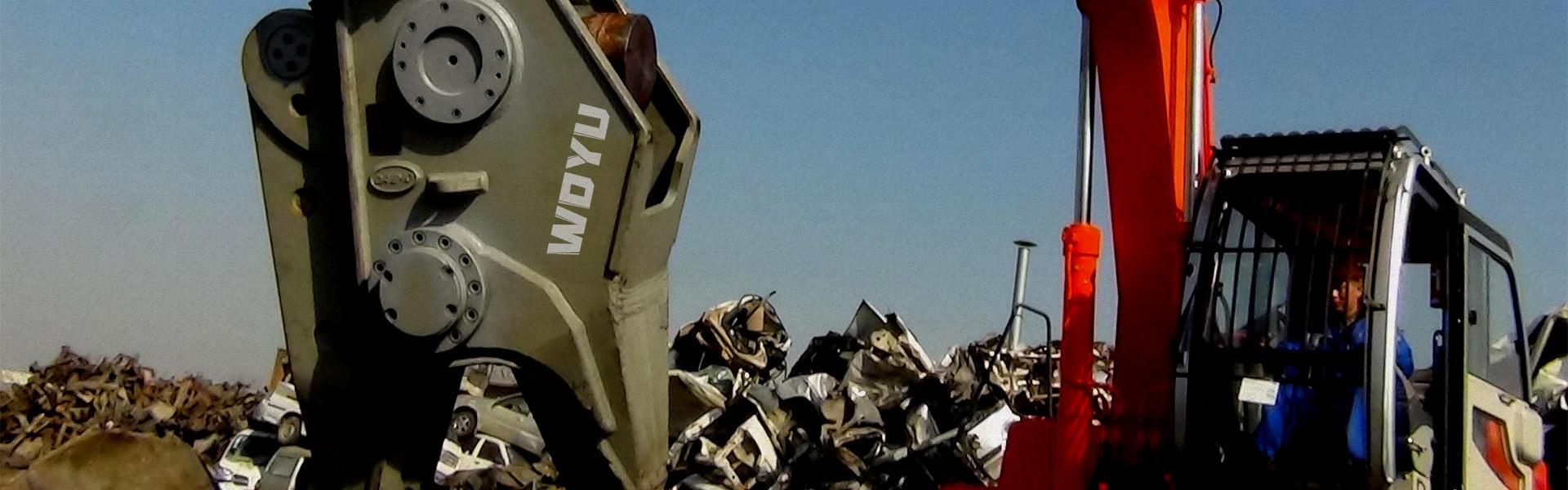
Woyu mechanical equipment
Various types of wood grabs (steel and stone), crushing pliers, double cylinder shears, hydraulic suction cups and other accessories
10
2024
-
01
Troubleshooting Common Issues with Olecranon Scissors in Hydraulic Machinery
Table of Contents:
1. Introduction
2. Understanding Olecranon Scissors in Hydraulic Machinery
3. Common Issues with Olecranon Scissors
4. Troubleshooting Techniques for Common Issues
4.1 Issue 1: Leakage from Olecranon Scissors
4.2 Issue 2: Poor Cutting Performance
4.3 Issue 3: Stiff or Hard to Move Scissors
4.4 Issue 4: Excessive Noise during Operation
5. Maintenance Tips to Prevent Issues
6. Frequently Asked Questions (FAQs)
6.1 How often should I lubricate olecranon scissors?
6.2 Can I use any type of hydraulic fluid for my machinery?
6.3 What should I do if my scissors get stuck?
6.4 How can I minimize wear and tear on olecranon scissors?
6.5 Are there any safety precautions I should take when troubleshooting?
7. Conclusion
1. Introduction
Welcome to our troubleshooting guide for olecranon scissors in hydraulic machinery. In this article, we will address common issues that arise with these scissors and provide practical solutions to help you resolve them. By following these troubleshooting techniques and maintenance tips, you can enhance the performance and longevity of your hydraulic equipment.
2. Understanding Olecranon Scissors in Hydraulic Machinery
Olecranon scissors are vital components in hydraulic machinery, used for cutting various materials and performing precise operations. They consist of two blades connected by a pivot point, which allows them to open and close smoothly. Proper functioning of these scissors is crucial for efficient operation of the machinery.
3. Common Issues with Olecranon Scissors
Before diving into troubleshooting techniques, let's explore the common problems that can occur with olecranon scissors in hydraulic machinery:
- Leakage from Olecranon Scissors: This issue arises when hydraulic fluid starts to leak from the scissors, leading to reduced efficiency and potential damage to other components.
- Poor Cutting Performance: If the scissors are unable to cut through materials smoothly or require excessive force, it can indicate a problem with their alignment or blade sharpness.
- Stiff or Hard to Move Scissors: Difficulty in moving the scissors can be caused by debris accumulation, insufficient lubrication, or mechanical problems.
- Excessive Noise during Operation: Unusual noises, such as grinding or squeaking, while using the scissors can be a sign of underlying issues that need attention.
4. Troubleshooting Techniques for Common Issues
Now let's explore the troubleshooting techniques for each of the common issues mentioned above:
4.1 Issue 1: Leakage from Olecranon Scissors
- Inspect the scissors for any visible cracks, worn-out seals, or damaged hydraulic lines.
- Tighten any loose connections or fittings that may be causing the leakage.
- Replace damaged seals or hydraulic lines with compatible replacements.
- Ensure proper hydraulic fluid levels and use high-quality fluid recommended by the machinery manufacturer.
4.2 Issue 2: Poor Cutting Performance
- Check the alignment of the scissors and adjust if necessary.
- Sharpen the blades using appropriate sharpening tools or seek professional assistance.
- Clean any debris or material buildup on the blades that may hinder their cutting efficiency.
- Regularly inspect and replace worn-out blades to maintain optimal performance.
4.3 Issue 3: Stiff or Hard to Move Scissors
- Clean the scissors thoroughly to remove any dirt, debris, or contaminants.
- Lubricate the pivot point and other moving parts with recommended lubricants.
- Check for any mechanical obstructions or damaged components that may require repair or replacement.
4.4 Issue 4: Excessive Noise during Operation
- Inspect the scissors for loose or damaged parts that may be causing the noise.
- Tighten any loose screws or fasteners.
- Apply lubrication to the pivot point and other relevant areas to reduce friction and noise.
- If the noise persists, consult a professional for further inspection and guidance.
5. Maintenance Tips to Prevent Issues
To prevent common issues with olecranon scissors in hydraulic machinery, follow these maintenance tips:
- Regularly inspect the scissors for any signs of wear, leakage, or damage.
- Clean the blades and pivot point after each use to remove debris.
- Lubricate the scissors as recommended by the machinery manufacturer.
- Store the scissors in a clean and dry environment to prevent corrosion.
6. Frequently Asked Questions (FAQs)
Here are some commonly asked questions about troubleshooting olecranon scissors in hydraulic machinery:
6.1 How often should I lubricate olecranon scissors?
It is recommended to lubricate the scissors at regular intervals, as advised by the machinery manufacturer. However, if you notice any stiffness or resistance while operating, lubrication may be required immediately.
6.2 Can I use any type of hydraulic fluid for my machinery?
No, it is essential to use the hydraulic fluid recommended by the machinery manufacturer. Different machinery may require specific types of fluid to ensure optimal performance and prevent damage.
6.3 What should I do if my scissors get stuck?
If your scissors get stuck, try cleaning them thoroughly and applying lubrication to the pivot point. If the issue persists, consult a professional for further assistance.
6.4 How can I minimize wear and tear on olecranon scissors?
Regular maintenance, including cleaning, lubrication, and blade inspection, can help minimize wear and tear on olecranon scissors. Avoid using the scissors for tasks beyond their capacity and handle them with care.
6.5 Are there any safety precautions I should take when troubleshooting?
When troubleshooting olecranon scissors in hydraulic machinery, always follow safety protocols provided by the machinery manufacturer. Wear appropriate protective gear and ensure the machinery is turned off before conducting any inspections or repairs.
7. Conclusion
In conclusion, troubleshooting common issues with olecranon scissors in hydraulic machinery is essential for optimal performance and longevity. By following the techniques and tips outlined in this guide, you can address leakage, poor cutting performance, stiffness, excessive noise, and other issues effectively. Regular maintenance and adherence to manufacturer guidelines will help you keep your hydraulic equipment in top shape and enhance overall productivity.
1. Introduction
2. Understanding Olecranon Scissors in Hydraulic Machinery
3. Common Issues with Olecranon Scissors
4. Troubleshooting Techniques for Common Issues
4.1 Issue 1: Leakage from Olecranon Scissors
4.2 Issue 2: Poor Cutting Performance
4.3 Issue 3: Stiff or Hard to Move Scissors
4.4 Issue 4: Excessive Noise during Operation
5. Maintenance Tips to Prevent Issues
6. Frequently Asked Questions (FAQs)
6.1 How often should I lubricate olecranon scissors?
6.2 Can I use any type of hydraulic fluid for my machinery?
6.3 What should I do if my scissors get stuck?
6.4 How can I minimize wear and tear on olecranon scissors?
6.5 Are there any safety precautions I should take when troubleshooting?
7. Conclusion
1. Introduction
Welcome to our troubleshooting guide for olecranon scissors in hydraulic machinery. In this article, we will address common issues that arise with these scissors and provide practical solutions to help you resolve them. By following these troubleshooting techniques and maintenance tips, you can enhance the performance and longevity of your hydraulic equipment.
2. Understanding Olecranon Scissors in Hydraulic Machinery
Olecranon scissors are vital components in hydraulic machinery, used for cutting various materials and performing precise operations. They consist of two blades connected by a pivot point, which allows them to open and close smoothly. Proper functioning of these scissors is crucial for efficient operation of the machinery.
3. Common Issues with Olecranon Scissors
Before diving into troubleshooting techniques, let's explore the common problems that can occur with olecranon scissors in hydraulic machinery:
- Leakage from Olecranon Scissors: This issue arises when hydraulic fluid starts to leak from the scissors, leading to reduced efficiency and potential damage to other components.
- Poor Cutting Performance: If the scissors are unable to cut through materials smoothly or require excessive force, it can indicate a problem with their alignment or blade sharpness.
- Stiff or Hard to Move Scissors: Difficulty in moving the scissors can be caused by debris accumulation, insufficient lubrication, or mechanical problems.
- Excessive Noise during Operation: Unusual noises, such as grinding or squeaking, while using the scissors can be a sign of underlying issues that need attention.
4. Troubleshooting Techniques for Common Issues
Now let's explore the troubleshooting techniques for each of the common issues mentioned above:
4.1 Issue 1: Leakage from Olecranon Scissors
- Inspect the scissors for any visible cracks, worn-out seals, or damaged hydraulic lines.
- Tighten any loose connections or fittings that may be causing the leakage.
- Replace damaged seals or hydraulic lines with compatible replacements.
- Ensure proper hydraulic fluid levels and use high-quality fluid recommended by the machinery manufacturer.
4.2 Issue 2: Poor Cutting Performance
- Check the alignment of the scissors and adjust if necessary.
- Sharpen the blades using appropriate sharpening tools or seek professional assistance.
- Clean any debris or material buildup on the blades that may hinder their cutting efficiency.
- Regularly inspect and replace worn-out blades to maintain optimal performance.
4.3 Issue 3: Stiff or Hard to Move Scissors
- Clean the scissors thoroughly to remove any dirt, debris, or contaminants.
- Lubricate the pivot point and other moving parts with recommended lubricants.
- Check for any mechanical obstructions or damaged components that may require repair or replacement.
4.4 Issue 4: Excessive Noise during Operation
- Inspect the scissors for loose or damaged parts that may be causing the noise.
- Tighten any loose screws or fasteners.
- Apply lubrication to the pivot point and other relevant areas to reduce friction and noise.
- If the noise persists, consult a professional for further inspection and guidance.
5. Maintenance Tips to Prevent Issues
To prevent common issues with olecranon scissors in hydraulic machinery, follow these maintenance tips:
- Regularly inspect the scissors for any signs of wear, leakage, or damage.
- Clean the blades and pivot point after each use to remove debris.
- Lubricate the scissors as recommended by the machinery manufacturer.
- Store the scissors in a clean and dry environment to prevent corrosion.
6. Frequently Asked Questions (FAQs)
Here are some commonly asked questions about troubleshooting olecranon scissors in hydraulic machinery:
6.1 How often should I lubricate olecranon scissors?
It is recommended to lubricate the scissors at regular intervals, as advised by the machinery manufacturer. However, if you notice any stiffness or resistance while operating, lubrication may be required immediately.
6.2 Can I use any type of hydraulic fluid for my machinery?
No, it is essential to use the hydraulic fluid recommended by the machinery manufacturer. Different machinery may require specific types of fluid to ensure optimal performance and prevent damage.
6.3 What should I do if my scissors get stuck?
If your scissors get stuck, try cleaning them thoroughly and applying lubrication to the pivot point. If the issue persists, consult a professional for further assistance.
6.4 How can I minimize wear and tear on olecranon scissors?
Regular maintenance, including cleaning, lubrication, and blade inspection, can help minimize wear and tear on olecranon scissors. Avoid using the scissors for tasks beyond their capacity and handle them with care.
6.5 Are there any safety precautions I should take when troubleshooting?
When troubleshooting olecranon scissors in hydraulic machinery, always follow safety protocols provided by the machinery manufacturer. Wear appropriate protective gear and ensure the machinery is turned off before conducting any inspections or repairs.
7. Conclusion
In conclusion, troubleshooting common issues with olecranon scissors in hydraulic machinery is essential for optimal performance and longevity. By following the techniques and tips outlined in this guide, you can address leakage, poor cutting performance, stiffness, excessive noise, and other issues effectively. Regular maintenance and adherence to manufacturer guidelines will help you keep your hydraulic equipment in top shape and enhance overall productivity.
Satisfied with the service

Product information and technical knowledge
Hebei Woyu