

-
-
ProductsOur products are used in mining, metallurgy, chemical industry, building materials, construction, railway, highway construction and other industries and departments. With superior cost performance, every user can buy more aff

-
CasesOur products are used in mining, metallurgy, chemical industry, building materials, construction, railway, highway construction and other industries and departments. With superior cost performance, every user can buy more aff
-


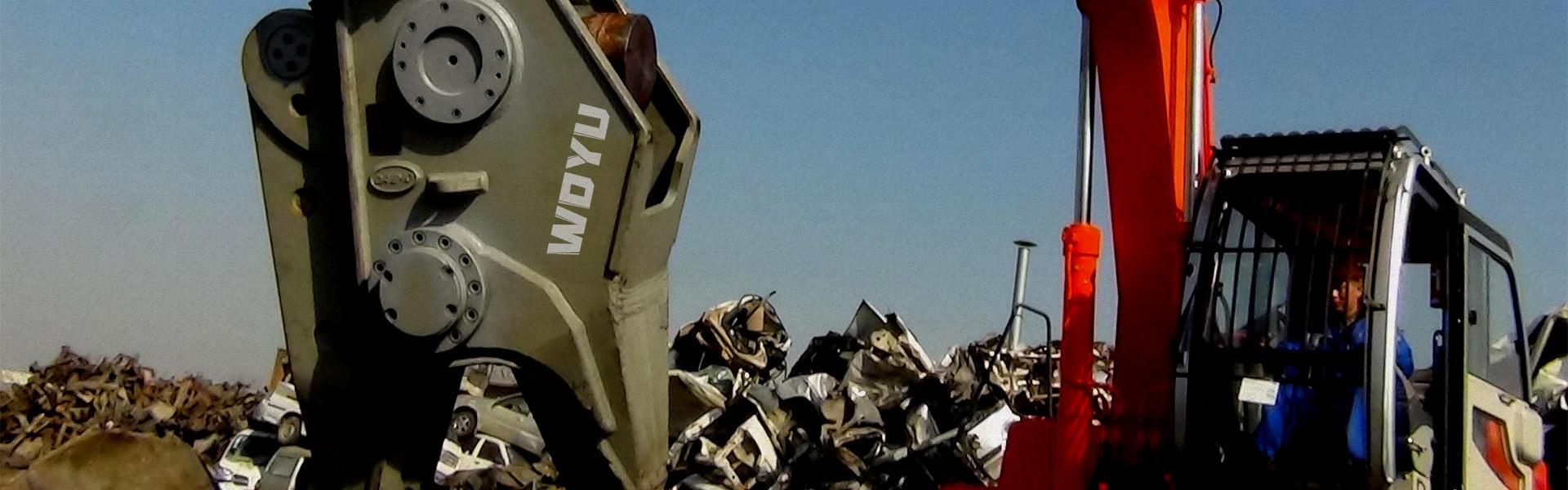
Woyu mechanical equipment
Various types of wood grabs (steel and stone), crushing pliers, double cylinder shears, hydraulic suction cups and other accessories
18
2023
-
12
A Comprehensive Guide to Hydraulic Suction Cups for CNC Machines
Table of Contents:
1. Introduction
2. What are Hydraulic Suction Cups?
3. How do Hydraulic Suction Cups Work?
4. Advantages of Hydraulic Suction Cups for CNC Machines
5. Different Types of Hydraulic Suction Cups
6. Choosing the Right Hydraulic Suction Cup for Your CNC Machine
7. Installing and Using Hydraulic Suction Cups
8. Maintenance and Care Tips for Hydraulic Suction Cups
9. FAQs (Frequently Asked Questions)
10. Conclusion
In this digital age, CNC machines have revolutionized manufacturing processes. Hydraulic suction cups play a crucial role in optimizing the efficiency and precision of these machines. Understanding the features, benefits, and usage of hydraulic suction cups is essential for maximizing productivity and achieving outstanding results in the machining industry.
Hydraulic suction cups, also known as vacuum cups, are specialized attachments designed to securely hold and manipulate workpieces on CNC machines. These cups utilize a vacuum force to generate suction, allowing them to firmly grasp and move various materials, including wood, metal, glass, and plastics.
The primary function of hydraulic suction cups is to provide stability and reliable grip during machining operations. They prevent workpiece slippage, reducing the risk of tool damage, production errors, and potential accidents. Hydraulic suction cups facilitate seamless material handling, ensuring precise positioning and alignment.
Hydraulic suction cups operate on the principle of negative pressure or vacuum force. When the vacuum pump creates a low-pressure environment within the cup, atmospheric pressure pushes the workpiece against the cup, creating a secure seal. The suction force generated ensures the workpiece remains firmly attached to the CNC machine's surface throughout the machining process.
Hydraulic suction cups offer numerous advantages that contribute to enhanced CNC machine performance:
The strong suction force exerted by hydraulic suction cups ensures workpiece stability, minimizing vibrations and irregular movements. This stability translates into higher machining precision and accuracy, resulting in superior finished products.
Hydraulic suction cups can accommodate various shapes, sizes, and materials, making them highly versatile. They can handle irregularly shaped workpieces and different surface textures with ease, allowing for greater versatility in machining applications.
By firmly securing workpieces, hydraulic suction cups eliminate the need for clamps or additional fixturing devices. This speeds up the machining process and reduces setup time, leading to increased productivity and improved overall efficiency.
Hydraulic suction cups offer a cost-effective alternative to traditional fixturing methods. They eliminate the need for custom-made fixtures, reducing expenses and allowing for quick and easy changeovers between different projects.
Hydraulic suction cups come in various designs, each catering to specific applications and requirements. Some common types include:
Flat suction cups have a flat, smooth surface, making them suitable for handling workpieces with even or slightly curved surfaces. They are commonly used for picking and placing materials.
Bellows suction cups feature a flexible, accordion-like structure that can expand and contract. This design allows them to handle workpieces with uneven surfaces or irregular shapes.
Oval suction cups are designed for handling elongated or cylindrical objects. Their shape provides a secure grip on workpieces such as pipes, rods, or bars.
Selecting the appropriate hydraulic suction cup for your CNC machine is crucial for optimal performance. Consider the following factors when making your decision:
Ensure that the suction cup material is suitable for the workpiece material to avoid damage or inadequate grip.
Determine the weight and size of your workpieces to choose suction cups with the appropriate load capacity.
Consider the surface texture of your workpieces, as some suction cups are better suited for smooth surfaces, while others excel on rough or textured surfaces.
Evaluate your specific machining needs and select suction cups that meet the required specifications, such as temperature resistance or chemical compatibility.
Proper installation and usage of hydraulic suction cups are essential for optimal performance and safety. Follow these steps:
Ensure the surface where the suction cups will be installed is clean, dry, and free from debris or contaminants.
Depending on the suction cup design, applying a thin layer of lubricant to the cup's contact surface may enhance its gripping ability.
Carefully align the suction cups and firmly press them onto the CNC machine surface, ensuring a secure attachment.
Before starting the machining process, perform a trial run to verify the suction cups' grip strength and stability.
To prolong the lifespan and maintain optimal performance of hydraulic suction cups, follow these maintenance guidelines:
Clean the suction cups after each use to remove any debris or residue that may affect their gripping ability.
Regularly inspect the suction cups for signs of wear, cracks, or damage. Replace any worn-out or damaged cups immediately.
Some suction cup designs may require periodic lubrication. Follow the manufacturer's recommendations regarding lubrication frequency and type.
Store the suction cups in a clean, dry, and dust-free environment to prevent contamination or deformation.
In conclusion, hydraulic suction cups are indispensable accessories for CNC machines, offering stability, precision, versatility, and efficiency in material handling. By understanding their functions, advantages, types, and maintenance tips, you can harness the full potential of hydraulic suction cups and achieve exceptional results in your machining processes. Invest in high-quality suction cups and experience the difference they can make in your CNC machine operations.
1. Introduction
2. What are Hydraulic Suction Cups?
3. How do Hydraulic Suction Cups Work?
4. Advantages of Hydraulic Suction Cups for CNC Machines
5. Different Types of Hydraulic Suction Cups
6. Choosing the Right Hydraulic Suction Cup for Your CNC Machine
7. Installing and Using Hydraulic Suction Cups
8. Maintenance and Care Tips for Hydraulic Suction Cups
9. FAQs (Frequently Asked Questions)
10. Conclusion
1. Introduction
In this digital age, CNC machines have revolutionized manufacturing processes. Hydraulic suction cups play a crucial role in optimizing the efficiency and precision of these machines. Understanding the features, benefits, and usage of hydraulic suction cups is essential for maximizing productivity and achieving outstanding results in the machining industry.
2. What are Hydraulic Suction Cups?
Hydraulic suction cups, also known as vacuum cups, are specialized attachments designed to securely hold and manipulate workpieces on CNC machines. These cups utilize a vacuum force to generate suction, allowing them to firmly grasp and move various materials, including wood, metal, glass, and plastics.
2.1 Functions of Hydraulic Suction Cups
The primary function of hydraulic suction cups is to provide stability and reliable grip during machining operations. They prevent workpiece slippage, reducing the risk of tool damage, production errors, and potential accidents. Hydraulic suction cups facilitate seamless material handling, ensuring precise positioning and alignment.
3. How do Hydraulic Suction Cups Work?
Hydraulic suction cups operate on the principle of negative pressure or vacuum force. When the vacuum pump creates a low-pressure environment within the cup, atmospheric pressure pushes the workpiece against the cup, creating a secure seal. The suction force generated ensures the workpiece remains firmly attached to the CNC machine's surface throughout the machining process.
4. Advantages of Hydraulic Suction Cups for CNC Machines
Hydraulic suction cups offer numerous advantages that contribute to enhanced CNC machine performance:
4.1 Enhanced Stability and Precision
The strong suction force exerted by hydraulic suction cups ensures workpiece stability, minimizing vibrations and irregular movements. This stability translates into higher machining precision and accuracy, resulting in superior finished products.
4.2 Versatility and Adaptability
Hydraulic suction cups can accommodate various shapes, sizes, and materials, making them highly versatile. They can handle irregularly shaped workpieces and different surface textures with ease, allowing for greater versatility in machining applications.
4.3 Increased Efficiency and Productivity
By firmly securing workpieces, hydraulic suction cups eliminate the need for clamps or additional fixturing devices. This speeds up the machining process and reduces setup time, leading to increased productivity and improved overall efficiency.
4.4 Cost-Effective Solution
Hydraulic suction cups offer a cost-effective alternative to traditional fixturing methods. They eliminate the need for custom-made fixtures, reducing expenses and allowing for quick and easy changeovers between different projects.
5. Different Types of Hydraulic Suction Cups
Hydraulic suction cups come in various designs, each catering to specific applications and requirements. Some common types include:
5.1 Flat Suction Cups
Flat suction cups have a flat, smooth surface, making them suitable for handling workpieces with even or slightly curved surfaces. They are commonly used for picking and placing materials.
5.2 Bellows Suction Cups
Bellows suction cups feature a flexible, accordion-like structure that can expand and contract. This design allows them to handle workpieces with uneven surfaces or irregular shapes.
5.3 Oval Suction Cups
Oval suction cups are designed for handling elongated or cylindrical objects. Their shape provides a secure grip on workpieces such as pipes, rods, or bars.
6. Choosing the Right Hydraulic Suction Cup for Your CNC Machine
Selecting the appropriate hydraulic suction cup for your CNC machine is crucial for optimal performance. Consider the following factors when making your decision:
6.1 Material Compatibility
Ensure that the suction cup material is suitable for the workpiece material to avoid damage or inadequate grip.
6.2 Load Capacity
Determine the weight and size of your workpieces to choose suction cups with the appropriate load capacity.
6.3 Surface Texture
Consider the surface texture of your workpieces, as some suction cups are better suited for smooth surfaces, while others excel on rough or textured surfaces.
6.4 Application Requirements
Evaluate your specific machining needs and select suction cups that meet the required specifications, such as temperature resistance or chemical compatibility.
7. Installing and Using Hydraulic Suction Cups
Proper installation and usage of hydraulic suction cups are essential for optimal performance and safety. Follow these steps:
7.1 Clean and Prepare the CNC Machine Surface
Ensure the surface where the suction cups will be installed is clean, dry, and free from debris or contaminants.
7.2 Apply Lubrication (if necessary)
Depending on the suction cup design, applying a thin layer of lubricant to the cup's contact surface may enhance its gripping ability.
7.3 Attach the Suction Cups
Carefully align the suction cups and firmly press them onto the CNC machine surface, ensuring a secure attachment.
7.4 Test the Suction Cups
Before starting the machining process, perform a trial run to verify the suction cups' grip strength and stability.
8. Maintenance and Care Tips for Hydraulic Suction Cups
To prolong the lifespan and maintain optimal performance of hydraulic suction cups, follow these maintenance guidelines:
8.1 Regular Cleaning
Clean the suction cups after each use to remove any debris or residue that may affect their gripping ability.
8.2 Inspection for Wear and Damage
Regularly inspect the suction cups for signs of wear, cracks, or damage. Replace any worn-out or damaged cups immediately.
8.3 Lubrication (if necessary)
Some suction cup designs may require periodic lubrication. Follow the manufacturer's recommendations regarding lubrication frequency and type.
8.4 Storage
Store the suction cups in a clean, dry, and dust-free environment to prevent contamination or deformation.
9. FAQs (Frequently Asked Questions)
Q1: How do hydraulic suction cups differ from mechanical clamps?
Q2: Can hydraulic suction cups be used on CNC machines with high cutting forces?
Q3: Are hydraulic suction cups suitable for handling fragile materials?
Q4: How often should hydraulic suction cups be replaced?
Q5: Can hydraulic suction cups be customized for specific applications?
10. Conclusion
In conclusion, hydraulic suction cups are indispensable accessories for CNC machines, offering stability, precision, versatility, and efficiency in material handling. By understanding their functions, advantages, types, and maintenance tips, you can harness the full potential of hydraulic suction cups and achieve exceptional results in your machining processes. Invest in high-quality suction cups and experience the difference they can make in your CNC machine operations.
Satisfied with the service

Product information and technical knowledge
Hebei Woyu