

-
-
ProductsOur products are used in mining, metallurgy, chemical industry, building materials, construction, railway, highway construction and other industries and departments. With superior cost performance, every user can buy more aff

-
CasesOur products are used in mining, metallurgy, chemical industry, building materials, construction, railway, highway construction and other industries and departments. With superior cost performance, every user can buy more aff
-


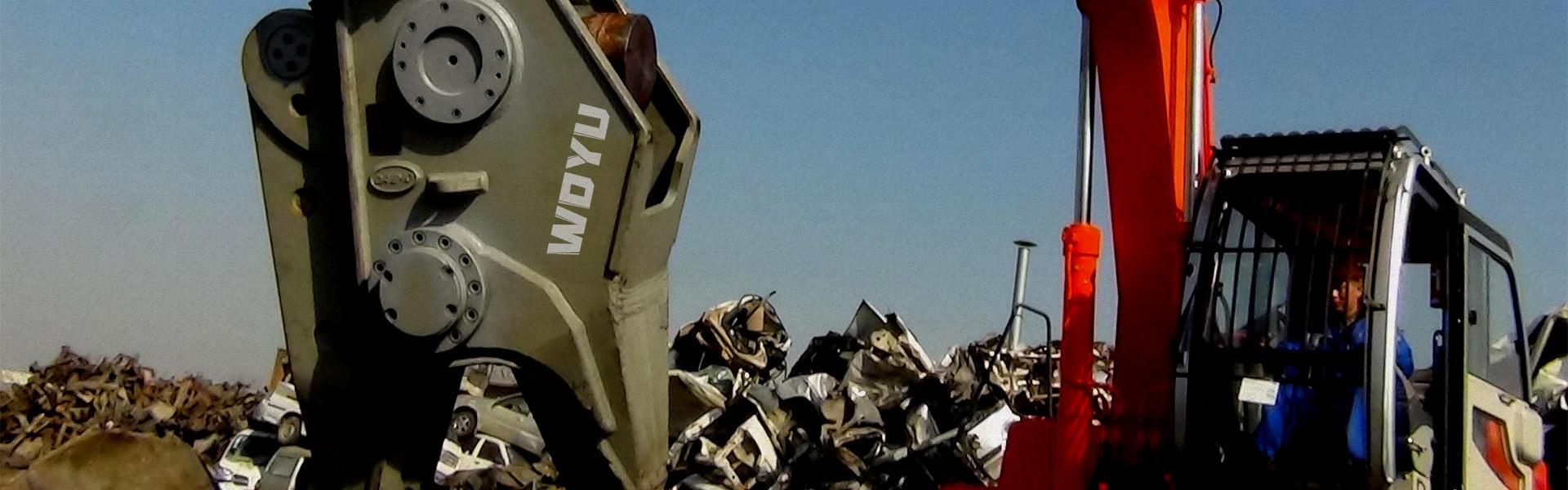
Woyu mechanical equipment
Various types of wood grabs (steel and stone), crushing pliers, double cylinder shears, hydraulic suction cups and other accessories
17
2023
-
12
Enhance Your Manufacturing Efficiency with Small Digging Shears
Introduction
Maximize Productivity with Small Digging Shears
Understanding the Importance of Small Digging Shears in Manufacturing
Streamlining Operations with Compact Pneumatic Tools
Choosing the Right Small Digging Shears for Your Needs
Factors to Consider When Selecting Small Digging Shears
Exploring Different Types of Small Digging Shears
Evaluating Performance and Durability
Benefits of Incorporating Small Digging Shears in Manufacturing Processes
Improved Efficiency and Speed
Enhanced Precision and Accuracy
Reduced Labor Costs and Fatigue
Versatility and Adaptability
How to Optimize Manufacturing Efficiency with Small Digging Shears
Proper Tool Handling and Maintenance
Employee Training and Skill Development
Optimizing Workflows and Process Integration
Frequently Asked Questions (FAQs)
Q1: Can small digging shears be used in different manufacturing industries?
Q2: What are the safety considerations when using small digging shears?
Q3: How do small digging shears contribute to cost savings in manufacturing?
Q4: Are there any limitations or challenges associated with small digging shears?
Q5: Can small digging shears be customized for specific manufacturing requirements?
Conclusion
Introduction
Manufacturing efficiency is a crucial aspect of any successful production process. As a company in the manufacturing industry, you strive to optimize productivity, reduce costs, and enhance the quality of your output. In your quest for increased efficiency, small digging shears can play a pivotal role. These compact pneumatic tools offer numerous advantages that can significantly impact your manufacturing operations. In this article, we will explore the benefits of incorporating small digging shears in your manufacturing processes and provide practical insights on how to maximize their potential.
Maximize Productivity with Small Digging Shears
Understanding the Importance of Small Digging Shears in Manufacturing
Small digging shears are versatile tools that find application in various manufacturing industries. From metalworking to woodworking, these tools are designed to optimize cutting, shaping, and trimming tasks. Their compact size and ergonomic design make them suitable for both precision work and heavy-duty applications. By incorporating small digging shears in your manufacturing processes, you can streamline operations, enhance efficiency, and meet production targets effectively.
Streamlining Operations with Compact Pneumatic Tools
Small digging shears, powered by compressed air, offer a range of advantages over traditional manual tools. They provide consistent power output, reducing the effort required from operators and minimizing fatigue. With their high cutting speeds and precision control, small digging shears enable faster and more accurate material processing. Additionally, these tools can be easily integrated into automated workflows, further enhancing productivity and reducing human error.
Choosing the Right Small Digging Shears for Your Needs
Factors to Consider When Selecting Small Digging Shears
To ensure optimal performance and suitability for your manufacturing processes, it is essential to consider specific factors when choosing small digging shears. Factors such as the tool's cutting capacity, blade material, durability, and compatibility with your existing equipment should be carefully evaluated. By selecting the right tool for the job, you can maximize efficiency and achieve the desired results.
Exploring Different Types of Small Digging Shears
Small digging shears come in various types and configurations, each designed for specific applications. From straight-blade shears for clean cuts to curved-blade shears for intricate shaping, the options are diverse. Understanding the different types and their intended uses will allow you to select the most suitable tool for your manufacturing requirements.
Evaluating Performance and Durability
When investing in small digging shears, it is crucial to assess their performance and durability. Consider factors such as cutting speed, power output, and ease of maintenance. Opt for shears with robust construction and durable materials to ensure longevity and reliability in challenging manufacturing environments.
Benefits of Incorporating Small Digging Shears in Manufacturing Processes
Improved Efficiency and Speed
By utilizing small digging shears, you can significantly enhance the efficiency and speed of your manufacturing processes. These tools enable faster cutting, shaping, and trimming, reducing production cycle times and increasing overall throughput. With increased efficiency, you can meet customer demands more effectively and gain a competitive edge in the market.
Enhanced Precision and Accuracy
Small digging shears offer precise control and maneuverability, allowing for intricate and accurate cuts. The ergonomic design and advanced features of these tools enable operators to achieve high levels of precision, resulting in superior product quality. The ability to produce consistent, precise cuts enhances the overall manufacturing process and minimizes wastage.
Reduced Labor Costs and Fatigue
Automating certain tasks using small digging shears can significantly reduce labor costs. These tools minimize the physical strain on operators, reducing fatigue and the risk of injuries. By optimizing the use of human resources, you can allocate labor to other value-added activities, further increasing productivity and reducing costs.
Versatility and Adaptability
Small digging shears can be used for a wide range of applications, making them versatile tools in manufacturing. Whether you need to cut metal, plastic, or wood, these shears can handle various materials with ease. Their adaptability allows for efficient workflow management, eliminating the need for multiple specialized tools and reducing equipment costs.
How to Optimize Manufacturing Efficiency with Small Digging Shears
Proper Tool Handling and Maintenance
To ensure optimal performance and longevity of small digging shears, proper tool handling and maintenance are essential. Operators should be trained in the correct handling techniques and advised on regular maintenance procedures. This includes cleaning, lubricating, and inspecting the tool for any signs of wear or damage. Regular maintenance will minimize downtime due to tool failure and maximize productivity.
Employee Training and Skill Development
Providing adequate training and skill development opportunities to your employees can greatly enhance the effectiveness of small digging shears in your manufacturing processes. By equipping your workforce with the knowledge and skills required to operate these tools efficiently, you can unleash their full potential and achieve higher productivity levels.
Optimizing Workflows and Process Integration
Integrating small digging shears into your manufacturing workflows is crucial for maximizing efficiency. Analyze your production processes and identify areas where these tools can be strategically employed. By streamlining workflows and eliminating bottlenecks, you can optimize the use of small digging shears and achieve seamless process integration.
Frequently Asked Questions (FAQs)
Q1: Can small digging shears be used in different manufacturing industries?
Yes, small digging shears have versatile applications across various manufacturing industries. They can be used for cutting, shaping, and trimming operations in metalworking, woodworking, plastic fabrication, and more.
Q2: What are the safety considerations when using small digging shears?
Safety is paramount when using small digging shears. Operators should wear appropriate personal protective equipment (PPE) such as gloves, safety glasses, and hearing protection. Regular inspections of the tool and adherence to safety guidelines are essential to prevent accidents and injuries.
Q3: How do small digging shears contribute to cost savings in manufacturing?
Small digging shears can help reduce labor costs by automating certain tasks and minimizing human effort. They also contribute to material savings by enabling precise cuts, reducing wastage. Additionally, their durability and longevity result in reduced maintenance and replacement costs.
Q4: Are there any limitations or challenges associated with small digging shears?
While small digging shears offer numerous benefits, they may have limitations depending on the specific application. It is crucial to consider factors such as cutting capacity, material compatibility, and operator skill requirements. Conducting thorough evaluations and selecting the appropriate tool for the task at hand will help overcome any challenges.
Q5: Can small digging shears be customized for specific manufacturing requirements?
Yes, manufacturers often offer customization options for small digging shears to cater to specific manufacturing needs. Customization may include blade types, handle ergonomics, and special features tailored to unique applications.
Conclusion
Incorporating small digging shears into your manufacturing processes is a strategic move towards enhancing productivity, efficiency, and quality. By selecting the right tools for your needs, optimizing workflows, and providing proper training, you can unlock the full potential of these compact pneumatic tools. Embrace the advantages they offer and stay ahead in the competitive manufacturing industry. With small digging shears, you can dig deeper into manufacturing efficiency and achieve remarkable results.
Understanding the Importance of Small Digging Shears in Manufacturing
Streamlining Operations with Compact Pneumatic Tools
Choosing the Right Small Digging Shears for Your Needs
Factors to Consider When Selecting Small Digging Shears
Exploring Different Types of Small Digging Shears
Evaluating Performance and Durability
Benefits of Incorporating Small Digging Shears in Manufacturing Processes
Improved Efficiency and Speed
Enhanced Precision and Accuracy
Reduced Labor Costs and Fatigue
Versatility and Adaptability
How to Optimize Manufacturing Efficiency with Small Digging Shears
Proper Tool Handling and Maintenance
Employee Training and Skill Development
Optimizing Workflows and Process Integration
Frequently Asked Questions (FAQs)
Q1: Can small digging shears be used in different manufacturing industries?
Q2: What are the safety considerations when using small digging shears?
Q3: How do small digging shears contribute to cost savings in manufacturing?
Q4: Are there any limitations or challenges associated with small digging shears?
Q5: Can small digging shears be customized for specific manufacturing requirements?
Conclusion
Introduction
Manufacturing efficiency is a crucial aspect of any successful production process. As a company in the manufacturing industry, you strive to optimize productivity, reduce costs, and enhance the quality of your output. In your quest for increased efficiency, small digging shears can play a pivotal role. These compact pneumatic tools offer numerous advantages that can significantly impact your manufacturing operations. In this article, we will explore the benefits of incorporating small digging shears in your manufacturing processes and provide practical insights on how to maximize their potential.
Maximize Productivity with Small Digging Shears
Understanding the Importance of Small Digging Shears in Manufacturing
Small digging shears are versatile tools that find application in various manufacturing industries. From metalworking to woodworking, these tools are designed to optimize cutting, shaping, and trimming tasks. Their compact size and ergonomic design make them suitable for both precision work and heavy-duty applications. By incorporating small digging shears in your manufacturing processes, you can streamline operations, enhance efficiency, and meet production targets effectively.
Streamlining Operations with Compact Pneumatic Tools
Small digging shears, powered by compressed air, offer a range of advantages over traditional manual tools. They provide consistent power output, reducing the effort required from operators and minimizing fatigue. With their high cutting speeds and precision control, small digging shears enable faster and more accurate material processing. Additionally, these tools can be easily integrated into automated workflows, further enhancing productivity and reducing human error.
Choosing the Right Small Digging Shears for Your Needs
Factors to Consider When Selecting Small Digging Shears
To ensure optimal performance and suitability for your manufacturing processes, it is essential to consider specific factors when choosing small digging shears. Factors such as the tool's cutting capacity, blade material, durability, and compatibility with your existing equipment should be carefully evaluated. By selecting the right tool for the job, you can maximize efficiency and achieve the desired results.
Exploring Different Types of Small Digging Shears
Small digging shears come in various types and configurations, each designed for specific applications. From straight-blade shears for clean cuts to curved-blade shears for intricate shaping, the options are diverse. Understanding the different types and their intended uses will allow you to select the most suitable tool for your manufacturing requirements.
Evaluating Performance and Durability
When investing in small digging shears, it is crucial to assess their performance and durability. Consider factors such as cutting speed, power output, and ease of maintenance. Opt for shears with robust construction and durable materials to ensure longevity and reliability in challenging manufacturing environments.
Benefits of Incorporating Small Digging Shears in Manufacturing Processes
Improved Efficiency and Speed
By utilizing small digging shears, you can significantly enhance the efficiency and speed of your manufacturing processes. These tools enable faster cutting, shaping, and trimming, reducing production cycle times and increasing overall throughput. With increased efficiency, you can meet customer demands more effectively and gain a competitive edge in the market.
Enhanced Precision and Accuracy
Small digging shears offer precise control and maneuverability, allowing for intricate and accurate cuts. The ergonomic design and advanced features of these tools enable operators to achieve high levels of precision, resulting in superior product quality. The ability to produce consistent, precise cuts enhances the overall manufacturing process and minimizes wastage.
Reduced Labor Costs and Fatigue
Automating certain tasks using small digging shears can significantly reduce labor costs. These tools minimize the physical strain on operators, reducing fatigue and the risk of injuries. By optimizing the use of human resources, you can allocate labor to other value-added activities, further increasing productivity and reducing costs.
Versatility and Adaptability
Small digging shears can be used for a wide range of applications, making them versatile tools in manufacturing. Whether you need to cut metal, plastic, or wood, these shears can handle various materials with ease. Their adaptability allows for efficient workflow management, eliminating the need for multiple specialized tools and reducing equipment costs.
How to Optimize Manufacturing Efficiency with Small Digging Shears
Proper Tool Handling and Maintenance
To ensure optimal performance and longevity of small digging shears, proper tool handling and maintenance are essential. Operators should be trained in the correct handling techniques and advised on regular maintenance procedures. This includes cleaning, lubricating, and inspecting the tool for any signs of wear or damage. Regular maintenance will minimize downtime due to tool failure and maximize productivity.
Employee Training and Skill Development
Providing adequate training and skill development opportunities to your employees can greatly enhance the effectiveness of small digging shears in your manufacturing processes. By equipping your workforce with the knowledge and skills required to operate these tools efficiently, you can unleash their full potential and achieve higher productivity levels.
Optimizing Workflows and Process Integration
Integrating small digging shears into your manufacturing workflows is crucial for maximizing efficiency. Analyze your production processes and identify areas where these tools can be strategically employed. By streamlining workflows and eliminating bottlenecks, you can optimize the use of small digging shears and achieve seamless process integration.
Frequently Asked Questions (FAQs)
Q1: Can small digging shears be used in different manufacturing industries?
Yes, small digging shears have versatile applications across various manufacturing industries. They can be used for cutting, shaping, and trimming operations in metalworking, woodworking, plastic fabrication, and more.
Q2: What are the safety considerations when using small digging shears?
Safety is paramount when using small digging shears. Operators should wear appropriate personal protective equipment (PPE) such as gloves, safety glasses, and hearing protection. Regular inspections of the tool and adherence to safety guidelines are essential to prevent accidents and injuries.
Q3: How do small digging shears contribute to cost savings in manufacturing?
Small digging shears can help reduce labor costs by automating certain tasks and minimizing human effort. They also contribute to material savings by enabling precise cuts, reducing wastage. Additionally, their durability and longevity result in reduced maintenance and replacement costs.
Q4: Are there any limitations or challenges associated with small digging shears?
While small digging shears offer numerous benefits, they may have limitations depending on the specific application. It is crucial to consider factors such as cutting capacity, material compatibility, and operator skill requirements. Conducting thorough evaluations and selecting the appropriate tool for the task at hand will help overcome any challenges.
Q5: Can small digging shears be customized for specific manufacturing requirements?
Yes, manufacturers often offer customization options for small digging shears to cater to specific manufacturing needs. Customization may include blade types, handle ergonomics, and special features tailored to unique applications.
Conclusion
Incorporating small digging shears into your manufacturing processes is a strategic move towards enhancing productivity, efficiency, and quality. By selecting the right tools for your needs, optimizing workflows, and providing proper training, you can unlock the full potential of these compact pneumatic tools. Embrace the advantages they offer and stay ahead in the competitive manufacturing industry. With small digging shears, you can dig deeper into manufacturing efficiency and achieve remarkable results.
Choosing the Right Small Digging Shears for Your Needs
Factors to Consider When Selecting Small Digging Shears
Exploring Different Types of Small Digging Shears
Evaluating Performance and Durability
Benefits of Incorporating Small Digging Shears in Manufacturing Processes
Improved Efficiency and Speed
Enhanced Precision and Accuracy
Reduced Labor Costs and Fatigue
Versatility and Adaptability
How to Optimize Manufacturing Efficiency with Small Digging Shears
Proper Tool Handling and Maintenance
Employee Training and Skill Development
Optimizing Workflows and Process Integration
Frequently Asked Questions (FAQs)
Q1: Can small digging shears be used in different manufacturing industries?
Q2: What are the safety considerations when using small digging shears?
Q3: How do small digging shears contribute to cost savings in manufacturing?
Q4: Are there any limitations or challenges associated with small digging shears?
Q5: Can small digging shears be customized for specific manufacturing requirements?
Conclusion
Introduction
Manufacturing efficiency is a crucial aspect of any successful production process. As a company in the manufacturing industry, you strive to optimize productivity, reduce costs, and enhance the quality of your output. In your quest for increased efficiency, small digging shears can play a pivotal role. These compact pneumatic tools offer numerous advantages that can significantly impact your manufacturing operations. In this article, we will explore the benefits of incorporating small digging shears in your manufacturing processes and provide practical insights on how to maximize their potential.
Maximize Productivity with Small Digging Shears
Understanding the Importance of Small Digging Shears in Manufacturing
Small digging shears are versatile tools that find application in various manufacturing industries. From metalworking to woodworking, these tools are designed to optimize cutting, shaping, and trimming tasks. Their compact size and ergonomic design make them suitable for both precision work and heavy-duty applications. By incorporating small digging shears in your manufacturing processes, you can streamline operations, enhance efficiency, and meet production targets effectively.
Streamlining Operations with Compact Pneumatic Tools
Small digging shears, powered by compressed air, offer a range of advantages over traditional manual tools. They provide consistent power output, reducing the effort required from operators and minimizing fatigue. With their high cutting speeds and precision control, small digging shears enable faster and more accurate material processing. Additionally, these tools can be easily integrated into automated workflows, further enhancing productivity and reducing human error.
Choosing the Right Small Digging Shears for Your Needs
Factors to Consider When Selecting Small Digging Shears
To ensure optimal performance and suitability for your manufacturing processes, it is essential to consider specific factors when choosing small digging shears. Factors such as the tool's cutting capacity, blade material, durability, and compatibility with your existing equipment should be carefully evaluated. By selecting the right tool for the job, you can maximize efficiency and achieve the desired results.
Exploring Different Types of Small Digging Shears
Small digging shears come in various types and configurations, each designed for specific applications. From straight-blade shears for clean cuts to curved-blade shears for intricate shaping, the options are diverse. Understanding the different types and their intended uses will allow you to select the most suitable tool for your manufacturing requirements.
Evaluating Performance and Durability
When investing in small digging shears, it is crucial to assess their performance and durability. Consider factors such as cutting speed, power output, and ease of maintenance. Opt for shears with robust construction and durable materials to ensure longevity and reliability in challenging manufacturing environments.
Benefits of Incorporating Small Digging Shears in Manufacturing Processes
Improved Efficiency and Speed
By utilizing small digging shears, you can significantly enhance the efficiency and speed of your manufacturing processes. These tools enable faster cutting, shaping, and trimming, reducing production cycle times and increasing overall throughput. With increased efficiency, you can meet customer demands more effectively and gain a competitive edge in the market.
Enhanced Precision and Accuracy
Small digging shears offer precise control and maneuverability, allowing for intricate and accurate cuts. The ergonomic design and advanced features of these tools enable operators to achieve high levels of precision, resulting in superior product quality. The ability to produce consistent, precise cuts enhances the overall manufacturing process and minimizes wastage.
Reduced Labor Costs and Fatigue
Automating certain tasks using small digging shears can significantly reduce labor costs. These tools minimize the physical strain on operators, reducing fatigue and the risk of injuries. By optimizing the use of human resources, you can allocate labor to other value-added activities, further increasing productivity and reducing costs.
Versatility and Adaptability
Small digging shears can be used for a wide range of applications, making them versatile tools in manufacturing. Whether you need to cut metal, plastic, or wood, these shears can handle various materials with ease. Their adaptability allows for efficient workflow management, eliminating the need for multiple specialized tools and reducing equipment costs.
How to Optimize Manufacturing Efficiency with Small Digging Shears
Proper Tool Handling and Maintenance
To ensure optimal performance and longevity of small digging shears, proper tool handling and maintenance are essential. Operators should be trained in the correct handling techniques and advised on regular maintenance procedures. This includes cleaning, lubricating, and inspecting the tool for any signs of wear or damage. Regular maintenance will minimize downtime due to tool failure and maximize productivity.
Employee Training and Skill Development
Providing adequate training and skill development opportunities to your employees can greatly enhance the effectiveness of small digging shears in your manufacturing processes. By equipping your workforce with the knowledge and skills required to operate these tools efficiently, you can unleash their full potential and achieve higher productivity levels.
Optimizing Workflows and Process Integration
Integrating small digging shears into your manufacturing workflows is crucial for maximizing efficiency. Analyze your production processes and identify areas where these tools can be strategically employed. By streamlining workflows and eliminating bottlenecks, you can optimize the use of small digging shears and achieve seamless process integration.
Frequently Asked Questions (FAQs)
Q1: Can small digging shears be used in different manufacturing industries?
Yes, small digging shears have versatile applications across various manufacturing industries. They can be used for cutting, shaping, and trimming operations in metalworking, woodworking, plastic fabrication, and more.
Q2: What are the safety considerations when using small digging shears?
Safety is paramount when using small digging shears. Operators should wear appropriate personal protective equipment (PPE) such as gloves, safety glasses, and hearing protection. Regular inspections of the tool and adherence to safety guidelines are essential to prevent accidents and injuries.
Q3: How do small digging shears contribute to cost savings in manufacturing?
Small digging shears can help reduce labor costs by automating certain tasks and minimizing human effort. They also contribute to material savings by enabling precise cuts, reducing wastage. Additionally, their durability and longevity result in reduced maintenance and replacement costs.
Q4: Are there any limitations or challenges associated with small digging shears?
While small digging shears offer numerous benefits, they may have limitations depending on the specific application. It is crucial to consider factors such as cutting capacity, material compatibility, and operator skill requirements. Conducting thorough evaluations and selecting the appropriate tool for the task at hand will help overcome any challenges.
Q5: Can small digging shears be customized for specific manufacturing requirements?
Yes, manufacturers often offer customization options for small digging shears to cater to specific manufacturing needs. Customization may include blade types, handle ergonomics, and special features tailored to unique applications.
Conclusion
Incorporating small digging shears into your manufacturing processes is a strategic move towards enhancing productivity, efficiency, and quality. By selecting the right tools for your needs, optimizing workflows, and providing proper training, you can unlock the full potential of these compact pneumatic tools. Embrace the advantages they offer and stay ahead in the competitive manufacturing industry. With small digging shears, you can dig deeper into manufacturing efficiency and achieve remarkable results.
Exploring Different Types of Small Digging Shears
Evaluating Performance and Durability
Benefits of Incorporating Small Digging Shears in Manufacturing Processes
Improved Efficiency and Speed
Enhanced Precision and Accuracy
Reduced Labor Costs and Fatigue
Versatility and Adaptability
How to Optimize Manufacturing Efficiency with Small Digging Shears
Proper Tool Handling and Maintenance
Employee Training and Skill Development
Optimizing Workflows and Process Integration
Frequently Asked Questions (FAQs)
Q1: Can small digging shears be used in different manufacturing industries?
Q2: What are the safety considerations when using small digging shears?
Q3: How do small digging shears contribute to cost savings in manufacturing?
Q4: Are there any limitations or challenges associated with small digging shears?
Q5: Can small digging shears be customized for specific manufacturing requirements?
Conclusion
Introduction
Manufacturing efficiency is a crucial aspect of any successful production process. As a company in the manufacturing industry, you strive to optimize productivity, reduce costs, and enhance the quality of your output. In your quest for increased efficiency, small digging shears can play a pivotal role. These compact pneumatic tools offer numerous advantages that can significantly impact your manufacturing operations. In this article, we will explore the benefits of incorporating small digging shears in your manufacturing processes and provide practical insights on how to maximize their potential.
Maximize Productivity with Small Digging Shears
Understanding the Importance of Small Digging Shears in Manufacturing
Small digging shears are versatile tools that find application in various manufacturing industries. From metalworking to woodworking, these tools are designed to optimize cutting, shaping, and trimming tasks. Their compact size and ergonomic design make them suitable for both precision work and heavy-duty applications. By incorporating small digging shears in your manufacturing processes, you can streamline operations, enhance efficiency, and meet production targets effectively.
Streamlining Operations with Compact Pneumatic Tools
Small digging shears, powered by compressed air, offer a range of advantages over traditional manual tools. They provide consistent power output, reducing the effort required from operators and minimizing fatigue. With their high cutting speeds and precision control, small digging shears enable faster and more accurate material processing. Additionally, these tools can be easily integrated into automated workflows, further enhancing productivity and reducing human error.
Choosing the Right Small Digging Shears for Your Needs
Factors to Consider When Selecting Small Digging Shears
To ensure optimal performance and suitability for your manufacturing processes, it is essential to consider specific factors when choosing small digging shears. Factors such as the tool's cutting capacity, blade material, durability, and compatibility with your existing equipment should be carefully evaluated. By selecting the right tool for the job, you can maximize efficiency and achieve the desired results.
Exploring Different Types of Small Digging Shears
Small digging shears come in various types and configurations, each designed for specific applications. From straight-blade shears for clean cuts to curved-blade shears for intricate shaping, the options are diverse. Understanding the different types and their intended uses will allow you to select the most suitable tool for your manufacturing requirements.
Evaluating Performance and Durability
When investing in small digging shears, it is crucial to assess their performance and durability. Consider factors such as cutting speed, power output, and ease of maintenance. Opt for shears with robust construction and durable materials to ensure longevity and reliability in challenging manufacturing environments.
Benefits of Incorporating Small Digging Shears in Manufacturing Processes
Improved Efficiency and Speed
By utilizing small digging shears, you can significantly enhance the efficiency and speed of your manufacturing processes. These tools enable faster cutting, shaping, and trimming, reducing production cycle times and increasing overall throughput. With increased efficiency, you can meet customer demands more effectively and gain a competitive edge in the market.
Enhanced Precision and Accuracy
Small digging shears offer precise control and maneuverability, allowing for intricate and accurate cuts. The ergonomic design and advanced features of these tools enable operators to achieve high levels of precision, resulting in superior product quality. The ability to produce consistent, precise cuts enhances the overall manufacturing process and minimizes wastage.
Reduced Labor Costs and Fatigue
Automating certain tasks using small digging shears can significantly reduce labor costs. These tools minimize the physical strain on operators, reducing fatigue and the risk of injuries. By optimizing the use of human resources, you can allocate labor to other value-added activities, further increasing productivity and reducing costs.
Versatility and Adaptability
Small digging shears can be used for a wide range of applications, making them versatile tools in manufacturing. Whether you need to cut metal, plastic, or wood, these shears can handle various materials with ease. Their adaptability allows for efficient workflow management, eliminating the need for multiple specialized tools and reducing equipment costs.
How to Optimize Manufacturing Efficiency with Small Digging Shears
Proper Tool Handling and Maintenance
To ensure optimal performance and longevity of small digging shears, proper tool handling and maintenance are essential. Operators should be trained in the correct handling techniques and advised on regular maintenance procedures. This includes cleaning, lubricating, and inspecting the tool for any signs of wear or damage. Regular maintenance will minimize downtime due to tool failure and maximize productivity.
Employee Training and Skill Development
Providing adequate training and skill development opportunities to your employees can greatly enhance the effectiveness of small digging shears in your manufacturing processes. By equipping your workforce with the knowledge and skills required to operate these tools efficiently, you can unleash their full potential and achieve higher productivity levels.
Optimizing Workflows and Process Integration
Integrating small digging shears into your manufacturing workflows is crucial for maximizing efficiency. Analyze your production processes and identify areas where these tools can be strategically employed. By streamlining workflows and eliminating bottlenecks, you can optimize the use of small digging shears and achieve seamless process integration.
Frequently Asked Questions (FAQs)
Q1: Can small digging shears be used in different manufacturing industries?
Yes, small digging shears have versatile applications across various manufacturing industries. They can be used for cutting, shaping, and trimming operations in metalworking, woodworking, plastic fabrication, and more.
Q2: What are the safety considerations when using small digging shears?
Safety is paramount when using small digging shears. Operators should wear appropriate personal protective equipment (PPE) such as gloves, safety glasses, and hearing protection. Regular inspections of the tool and adherence to safety guidelines are essential to prevent accidents and injuries.
Q3: How do small digging shears contribute to cost savings in manufacturing?
Small digging shears can help reduce labor costs by automating certain tasks and minimizing human effort. They also contribute to material savings by enabling precise cuts, reducing wastage. Additionally, their durability and longevity result in reduced maintenance and replacement costs.
Q4: Are there any limitations or challenges associated with small digging shears?
While small digging shears offer numerous benefits, they may have limitations depending on the specific application. It is crucial to consider factors such as cutting capacity, material compatibility, and operator skill requirements. Conducting thorough evaluations and selecting the appropriate tool for the task at hand will help overcome any challenges.
Q5: Can small digging shears be customized for specific manufacturing requirements?
Yes, manufacturers often offer customization options for small digging shears to cater to specific manufacturing needs. Customization may include blade types, handle ergonomics, and special features tailored to unique applications.
Conclusion
Incorporating small digging shears into your manufacturing processes is a strategic move towards enhancing productivity, efficiency, and quality. By selecting the right tools for your needs, optimizing workflows, and providing proper training, you can unlock the full potential of these compact pneumatic tools. Embrace the advantages they offer and stay ahead in the competitive manufacturing industry. With small digging shears, you can dig deeper into manufacturing efficiency and achieve remarkable results.
Benefits of Incorporating Small Digging Shears in Manufacturing Processes
Improved Efficiency and Speed
Enhanced Precision and Accuracy
Reduced Labor Costs and Fatigue
Versatility and Adaptability
How to Optimize Manufacturing Efficiency with Small Digging Shears
Proper Tool Handling and Maintenance
Employee Training and Skill Development
Optimizing Workflows and Process Integration
Frequently Asked Questions (FAQs)
Q1: Can small digging shears be used in different manufacturing industries?
Q2: What are the safety considerations when using small digging shears?
Q3: How do small digging shears contribute to cost savings in manufacturing?
Q4: Are there any limitations or challenges associated with small digging shears?
Q5: Can small digging shears be customized for specific manufacturing requirements?
Conclusion
Introduction
Manufacturing efficiency is a crucial aspect of any successful production process. As a company in the manufacturing industry, you strive to optimize productivity, reduce costs, and enhance the quality of your output. In your quest for increased efficiency, small digging shears can play a pivotal role. These compact pneumatic tools offer numerous advantages that can significantly impact your manufacturing operations. In this article, we will explore the benefits of incorporating small digging shears in your manufacturing processes and provide practical insights on how to maximize their potential.
Maximize Productivity with Small Digging Shears
Understanding the Importance of Small Digging Shears in Manufacturing
Small digging shears are versatile tools that find application in various manufacturing industries. From metalworking to woodworking, these tools are designed to optimize cutting, shaping, and trimming tasks. Their compact size and ergonomic design make them suitable for both precision work and heavy-duty applications. By incorporating small digging shears in your manufacturing processes, you can streamline operations, enhance efficiency, and meet production targets effectively.
Streamlining Operations with Compact Pneumatic Tools
Small digging shears, powered by compressed air, offer a range of advantages over traditional manual tools. They provide consistent power output, reducing the effort required from operators and minimizing fatigue. With their high cutting speeds and precision control, small digging shears enable faster and more accurate material processing. Additionally, these tools can be easily integrated into automated workflows, further enhancing productivity and reducing human error.
Choosing the Right Small Digging Shears for Your Needs
Factors to Consider When Selecting Small Digging Shears
To ensure optimal performance and suitability for your manufacturing processes, it is essential to consider specific factors when choosing small digging shears. Factors such as the tool's cutting capacity, blade material, durability, and compatibility with your existing equipment should be carefully evaluated. By selecting the right tool for the job, you can maximize efficiency and achieve the desired results.
Exploring Different Types of Small Digging Shears
Small digging shears come in various types and configurations, each designed for specific applications. From straight-blade shears for clean cuts to curved-blade shears for intricate shaping, the options are diverse. Understanding the different types and their intended uses will allow you to select the most suitable tool for your manufacturing requirements.
Evaluating Performance and Durability
When investing in small digging shears, it is crucial to assess their performance and durability. Consider factors such as cutting speed, power output, and ease of maintenance. Opt for shears with robust construction and durable materials to ensure longevity and reliability in challenging manufacturing environments.
Benefits of Incorporating Small Digging Shears in Manufacturing Processes
Improved Efficiency and Speed
By utilizing small digging shears, you can significantly enhance the efficiency and speed of your manufacturing processes. These tools enable faster cutting, shaping, and trimming, reducing production cycle times and increasing overall throughput. With increased efficiency, you can meet customer demands more effectively and gain a competitive edge in the market.
Enhanced Precision and Accuracy
Small digging shears offer precise control and maneuverability, allowing for intricate and accurate cuts. The ergonomic design and advanced features of these tools enable operators to achieve high levels of precision, resulting in superior product quality. The ability to produce consistent, precise cuts enhances the overall manufacturing process and minimizes wastage.
Reduced Labor Costs and Fatigue
Automating certain tasks using small digging shears can significantly reduce labor costs. These tools minimize the physical strain on operators, reducing fatigue and the risk of injuries. By optimizing the use of human resources, you can allocate labor to other value-added activities, further increasing productivity and reducing costs.
Versatility and Adaptability
Small digging shears can be used for a wide range of applications, making them versatile tools in manufacturing. Whether you need to cut metal, plastic, or wood, these shears can handle various materials with ease. Their adaptability allows for efficient workflow management, eliminating the need for multiple specialized tools and reducing equipment costs.
How to Optimize Manufacturing Efficiency with Small Digging Shears
Proper Tool Handling and Maintenance
To ensure optimal performance and longevity of small digging shears, proper tool handling and maintenance are essential. Operators should be trained in the correct handling techniques and advised on regular maintenance procedures. This includes cleaning, lubricating, and inspecting the tool for any signs of wear or damage. Regular maintenance will minimize downtime due to tool failure and maximize productivity.
Employee Training and Skill Development
Providing adequate training and skill development opportunities to your employees can greatly enhance the effectiveness of small digging shears in your manufacturing processes. By equipping your workforce with the knowledge and skills required to operate these tools efficiently, you can unleash their full potential and achieve higher productivity levels.
Optimizing Workflows and Process Integration
Integrating small digging shears into your manufacturing workflows is crucial for maximizing efficiency. Analyze your production processes and identify areas where these tools can be strategically employed. By streamlining workflows and eliminating bottlenecks, you can optimize the use of small digging shears and achieve seamless process integration.
Frequently Asked Questions (FAQs)
Q1: Can small digging shears be used in different manufacturing industries?
Yes, small digging shears have versatile applications across various manufacturing industries. They can be used for cutting, shaping, and trimming operations in metalworking, woodworking, plastic fabrication, and more.
Q2: What are the safety considerations when using small digging shears?
Safety is paramount when using small digging shears. Operators should wear appropriate personal protective equipment (PPE) such as gloves, safety glasses, and hearing protection. Regular inspections of the tool and adherence to safety guidelines are essential to prevent accidents and injuries.
Q3: How do small digging shears contribute to cost savings in manufacturing?
Small digging shears can help reduce labor costs by automating certain tasks and minimizing human effort. They also contribute to material savings by enabling precise cuts, reducing wastage. Additionally, their durability and longevity result in reduced maintenance and replacement costs.
Q4: Are there any limitations or challenges associated with small digging shears?
While small digging shears offer numerous benefits, they may have limitations depending on the specific application. It is crucial to consider factors such as cutting capacity, material compatibility, and operator skill requirements. Conducting thorough evaluations and selecting the appropriate tool for the task at hand will help overcome any challenges.
Q5: Can small digging shears be customized for specific manufacturing requirements?
Yes, manufacturers often offer customization options for small digging shears to cater to specific manufacturing needs. Customization may include blade types, handle ergonomics, and special features tailored to unique applications.
Conclusion
Incorporating small digging shears into your manufacturing processes is a strategic move towards enhancing productivity, efficiency, and quality. By selecting the right tools for your needs, optimizing workflows, and providing proper training, you can unlock the full potential of these compact pneumatic tools. Embrace the advantages they offer and stay ahead in the competitive manufacturing industry. With small digging shears, you can dig deeper into manufacturing efficiency and achieve remarkable results.
Enhanced Precision and Accuracy
Reduced Labor Costs and Fatigue
Versatility and Adaptability
How to Optimize Manufacturing Efficiency with Small Digging Shears
Proper Tool Handling and Maintenance
Employee Training and Skill Development
Optimizing Workflows and Process Integration
Frequently Asked Questions (FAQs)
Q1: Can small digging shears be used in different manufacturing industries?
Q2: What are the safety considerations when using small digging shears?
Q3: How do small digging shears contribute to cost savings in manufacturing?
Q4: Are there any limitations or challenges associated with small digging shears?
Q5: Can small digging shears be customized for specific manufacturing requirements?
Conclusion
Introduction
Manufacturing efficiency is a crucial aspect of any successful production process. As a company in the manufacturing industry, you strive to optimize productivity, reduce costs, and enhance the quality of your output. In your quest for increased efficiency, small digging shears can play a pivotal role. These compact pneumatic tools offer numerous advantages that can significantly impact your manufacturing operations. In this article, we will explore the benefits of incorporating small digging shears in your manufacturing processes and provide practical insights on how to maximize their potential.
Maximize Productivity with Small Digging Shears
Understanding the Importance of Small Digging Shears in Manufacturing
Small digging shears are versatile tools that find application in various manufacturing industries. From metalworking to woodworking, these tools are designed to optimize cutting, shaping, and trimming tasks. Their compact size and ergonomic design make them suitable for both precision work and heavy-duty applications. By incorporating small digging shears in your manufacturing processes, you can streamline operations, enhance efficiency, and meet production targets effectively.
Streamlining Operations with Compact Pneumatic Tools
Small digging shears, powered by compressed air, offer a range of advantages over traditional manual tools. They provide consistent power output, reducing the effort required from operators and minimizing fatigue. With their high cutting speeds and precision control, small digging shears enable faster and more accurate material processing. Additionally, these tools can be easily integrated into automated workflows, further enhancing productivity and reducing human error.
Choosing the Right Small Digging Shears for Your Needs
Factors to Consider When Selecting Small Digging Shears
To ensure optimal performance and suitability for your manufacturing processes, it is essential to consider specific factors when choosing small digging shears. Factors such as the tool's cutting capacity, blade material, durability, and compatibility with your existing equipment should be carefully evaluated. By selecting the right tool for the job, you can maximize efficiency and achieve the desired results.
Exploring Different Types of Small Digging Shears
Small digging shears come in various types and configurations, each designed for specific applications. From straight-blade shears for clean cuts to curved-blade shears for intricate shaping, the options are diverse. Understanding the different types and their intended uses will allow you to select the most suitable tool for your manufacturing requirements.
Evaluating Performance and Durability
When investing in small digging shears, it is crucial to assess their performance and durability. Consider factors such as cutting speed, power output, and ease of maintenance. Opt for shears with robust construction and durable materials to ensure longevity and reliability in challenging manufacturing environments.
Benefits of Incorporating Small Digging Shears in Manufacturing Processes
Improved Efficiency and Speed
By utilizing small digging shears, you can significantly enhance the efficiency and speed of your manufacturing processes. These tools enable faster cutting, shaping, and trimming, reducing production cycle times and increasing overall throughput. With increased efficiency, you can meet customer demands more effectively and gain a competitive edge in the market.
Enhanced Precision and Accuracy
Small digging shears offer precise control and maneuverability, allowing for intricate and accurate cuts. The ergonomic design and advanced features of these tools enable operators to achieve high levels of precision, resulting in superior product quality. The ability to produce consistent, precise cuts enhances the overall manufacturing process and minimizes wastage.
Reduced Labor Costs and Fatigue
Automating certain tasks using small digging shears can significantly reduce labor costs. These tools minimize the physical strain on operators, reducing fatigue and the risk of injuries. By optimizing the use of human resources, you can allocate labor to other value-added activities, further increasing productivity and reducing costs.
Versatility and Adaptability
Small digging shears can be used for a wide range of applications, making them versatile tools in manufacturing. Whether you need to cut metal, plastic, or wood, these shears can handle various materials with ease. Their adaptability allows for efficient workflow management, eliminating the need for multiple specialized tools and reducing equipment costs.
How to Optimize Manufacturing Efficiency with Small Digging Shears
Proper Tool Handling and Maintenance
To ensure optimal performance and longevity of small digging shears, proper tool handling and maintenance are essential. Operators should be trained in the correct handling techniques and advised on regular maintenance procedures. This includes cleaning, lubricating, and inspecting the tool for any signs of wear or damage. Regular maintenance will minimize downtime due to tool failure and maximize productivity.
Employee Training and Skill Development
Providing adequate training and skill development opportunities to your employees can greatly enhance the effectiveness of small digging shears in your manufacturing processes. By equipping your workforce with the knowledge and skills required to operate these tools efficiently, you can unleash their full potential and achieve higher productivity levels.
Optimizing Workflows and Process Integration
Integrating small digging shears into your manufacturing workflows is crucial for maximizing efficiency. Analyze your production processes and identify areas where these tools can be strategically employed. By streamlining workflows and eliminating bottlenecks, you can optimize the use of small digging shears and achieve seamless process integration.
Frequently Asked Questions (FAQs)
Q1: Can small digging shears be used in different manufacturing industries?
Yes, small digging shears have versatile applications across various manufacturing industries. They can be used for cutting, shaping, and trimming operations in metalworking, woodworking, plastic fabrication, and more.
Q2: What are the safety considerations when using small digging shears?
Safety is paramount when using small digging shears. Operators should wear appropriate personal protective equipment (PPE) such as gloves, safety glasses, and hearing protection. Regular inspections of the tool and adherence to safety guidelines are essential to prevent accidents and injuries.
Q3: How do small digging shears contribute to cost savings in manufacturing?
Small digging shears can help reduce labor costs by automating certain tasks and minimizing human effort. They also contribute to material savings by enabling precise cuts, reducing wastage. Additionally, their durability and longevity result in reduced maintenance and replacement costs.
Q4: Are there any limitations or challenges associated with small digging shears?
While small digging shears offer numerous benefits, they may have limitations depending on the specific application. It is crucial to consider factors such as cutting capacity, material compatibility, and operator skill requirements. Conducting thorough evaluations and selecting the appropriate tool for the task at hand will help overcome any challenges.
Q5: Can small digging shears be customized for specific manufacturing requirements?
Yes, manufacturers often offer customization options for small digging shears to cater to specific manufacturing needs. Customization may include blade types, handle ergonomics, and special features tailored to unique applications.
Conclusion
Incorporating small digging shears into your manufacturing processes is a strategic move towards enhancing productivity, efficiency, and quality. By selecting the right tools for your needs, optimizing workflows, and providing proper training, you can unlock the full potential of these compact pneumatic tools. Embrace the advantages they offer and stay ahead in the competitive manufacturing industry. With small digging shears, you can dig deeper into manufacturing efficiency and achieve remarkable results.
Versatility and Adaptability
How to Optimize Manufacturing Efficiency with Small Digging Shears
Proper Tool Handling and Maintenance
Employee Training and Skill Development
Optimizing Workflows and Process Integration
Frequently Asked Questions (FAQs)
Q1: Can small digging shears be used in different manufacturing industries?
Q2: What are the safety considerations when using small digging shears?
Q3: How do small digging shears contribute to cost savings in manufacturing?
Q4: Are there any limitations or challenges associated with small digging shears?
Q5: Can small digging shears be customized for specific manufacturing requirements?
Conclusion
Introduction
Manufacturing efficiency is a crucial aspect of any successful production process. As a company in the manufacturing industry, you strive to optimize productivity, reduce costs, and enhance the quality of your output. In your quest for increased efficiency, small digging shears can play a pivotal role. These compact pneumatic tools offer numerous advantages that can significantly impact your manufacturing operations. In this article, we will explore the benefits of incorporating small digging shears in your manufacturing processes and provide practical insights on how to maximize their potential.
Maximize Productivity with Small Digging Shears
Understanding the Importance of Small Digging Shears in Manufacturing
Small digging shears are versatile tools that find application in various manufacturing industries. From metalworking to woodworking, these tools are designed to optimize cutting, shaping, and trimming tasks. Their compact size and ergonomic design make them suitable for both precision work and heavy-duty applications. By incorporating small digging shears in your manufacturing processes, you can streamline operations, enhance efficiency, and meet production targets effectively.
Streamlining Operations with Compact Pneumatic Tools
Small digging shears, powered by compressed air, offer a range of advantages over traditional manual tools. They provide consistent power output, reducing the effort required from operators and minimizing fatigue. With their high cutting speeds and precision control, small digging shears enable faster and more accurate material processing. Additionally, these tools can be easily integrated into automated workflows, further enhancing productivity and reducing human error.
Choosing the Right Small Digging Shears for Your Needs
Factors to Consider When Selecting Small Digging Shears
To ensure optimal performance and suitability for your manufacturing processes, it is essential to consider specific factors when choosing small digging shears. Factors such as the tool's cutting capacity, blade material, durability, and compatibility with your existing equipment should be carefully evaluated. By selecting the right tool for the job, you can maximize efficiency and achieve the desired results.
Exploring Different Types of Small Digging Shears
Small digging shears come in various types and configurations, each designed for specific applications. From straight-blade shears for clean cuts to curved-blade shears for intricate shaping, the options are diverse. Understanding the different types and their intended uses will allow you to select the most suitable tool for your manufacturing requirements.
Evaluating Performance and Durability
When investing in small digging shears, it is crucial to assess their performance and durability. Consider factors such as cutting speed, power output, and ease of maintenance. Opt for shears with robust construction and durable materials to ensure longevity and reliability in challenging manufacturing environments.
Benefits of Incorporating Small Digging Shears in Manufacturing Processes
Improved Efficiency and Speed
By utilizing small digging shears, you can significantly enhance the efficiency and speed of your manufacturing processes. These tools enable faster cutting, shaping, and trimming, reducing production cycle times and increasing overall throughput. With increased efficiency, you can meet customer demands more effectively and gain a competitive edge in the market.
Enhanced Precision and Accuracy
Small digging shears offer precise control and maneuverability, allowing for intricate and accurate cuts. The ergonomic design and advanced features of these tools enable operators to achieve high levels of precision, resulting in superior product quality. The ability to produce consistent, precise cuts enhances the overall manufacturing process and minimizes wastage.
Reduced Labor Costs and Fatigue
Automating certain tasks using small digging shears can significantly reduce labor costs. These tools minimize the physical strain on operators, reducing fatigue and the risk of injuries. By optimizing the use of human resources, you can allocate labor to other value-added activities, further increasing productivity and reducing costs.
Versatility and Adaptability
Small digging shears can be used for a wide range of applications, making them versatile tools in manufacturing. Whether you need to cut metal, plastic, or wood, these shears can handle various materials with ease. Their adaptability allows for efficient workflow management, eliminating the need for multiple specialized tools and reducing equipment costs.
How to Optimize Manufacturing Efficiency with Small Digging Shears
Proper Tool Handling and Maintenance
To ensure optimal performance and longevity of small digging shears, proper tool handling and maintenance are essential. Operators should be trained in the correct handling techniques and advised on regular maintenance procedures. This includes cleaning, lubricating, and inspecting the tool for any signs of wear or damage. Regular maintenance will minimize downtime due to tool failure and maximize productivity.
Employee Training and Skill Development
Providing adequate training and skill development opportunities to your employees can greatly enhance the effectiveness of small digging shears in your manufacturing processes. By equipping your workforce with the knowledge and skills required to operate these tools efficiently, you can unleash their full potential and achieve higher productivity levels.
Optimizing Workflows and Process Integration
Integrating small digging shears into your manufacturing workflows is crucial for maximizing efficiency. Analyze your production processes and identify areas where these tools can be strategically employed. By streamlining workflows and eliminating bottlenecks, you can optimize the use of small digging shears and achieve seamless process integration.
Frequently Asked Questions (FAQs)
Q1: Can small digging shears be used in different manufacturing industries?
Yes, small digging shears have versatile applications across various manufacturing industries. They can be used for cutting, shaping, and trimming operations in metalworking, woodworking, plastic fabrication, and more.
Q2: What are the safety considerations when using small digging shears?
Safety is paramount when using small digging shears. Operators should wear appropriate personal protective equipment (PPE) such as gloves, safety glasses, and hearing protection. Regular inspections of the tool and adherence to safety guidelines are essential to prevent accidents and injuries.
Q3: How do small digging shears contribute to cost savings in manufacturing?
Small digging shears can help reduce labor costs by automating certain tasks and minimizing human effort. They also contribute to material savings by enabling precise cuts, reducing wastage. Additionally, their durability and longevity result in reduced maintenance and replacement costs.
Q4: Are there any limitations or challenges associated with small digging shears?
While small digging shears offer numerous benefits, they may have limitations depending on the specific application. It is crucial to consider factors such as cutting capacity, material compatibility, and operator skill requirements. Conducting thorough evaluations and selecting the appropriate tool for the task at hand will help overcome any challenges.
Q5: Can small digging shears be customized for specific manufacturing requirements?
Yes, manufacturers often offer customization options for small digging shears to cater to specific manufacturing needs. Customization may include blade types, handle ergonomics, and special features tailored to unique applications.
Conclusion
Incorporating small digging shears into your manufacturing processes is a strategic move towards enhancing productivity, efficiency, and quality. By selecting the right tools for your needs, optimizing workflows, and providing proper training, you can unlock the full potential of these compact pneumatic tools. Embrace the advantages they offer and stay ahead in the competitive manufacturing industry. With small digging shears, you can dig deeper into manufacturing efficiency and achieve remarkable results.
Proper Tool Handling and Maintenance
Employee Training and Skill Development
Optimizing Workflows and Process Integration
Frequently Asked Questions (FAQs)
Q1: Can small digging shears be used in different manufacturing industries?
Q2: What are the safety considerations when using small digging shears?
Q3: How do small digging shears contribute to cost savings in manufacturing?
Q4: Are there any limitations or challenges associated with small digging shears?
Q5: Can small digging shears be customized for specific manufacturing requirements?
Conclusion
Introduction
Manufacturing efficiency is a crucial aspect of any successful production process. As a company in the manufacturing industry, you strive to optimize productivity, reduce costs, and enhance the quality of your output. In your quest for increased efficiency, small digging shears can play a pivotal role. These compact pneumatic tools offer numerous advantages that can significantly impact your manufacturing operations. In this article, we will explore the benefits of incorporating small digging shears in your manufacturing processes and provide practical insights on how to maximize their potential.
Maximize Productivity with Small Digging Shears
Understanding the Importance of Small Digging Shears in Manufacturing
Small digging shears are versatile tools that find application in various manufacturing industries. From metalworking to woodworking, these tools are designed to optimize cutting, shaping, and trimming tasks. Their compact size and ergonomic design make them suitable for both precision work and heavy-duty applications. By incorporating small digging shears in your manufacturing processes, you can streamline operations, enhance efficiency, and meet production targets effectively.
Streamlining Operations with Compact Pneumatic Tools
Small digging shears, powered by compressed air, offer a range of advantages over traditional manual tools. They provide consistent power output, reducing the effort required from operators and minimizing fatigue. With their high cutting speeds and precision control, small digging shears enable faster and more accurate material processing. Additionally, these tools can be easily integrated into automated workflows, further enhancing productivity and reducing human error.
Choosing the Right Small Digging Shears for Your Needs
Factors to Consider When Selecting Small Digging Shears
To ensure optimal performance and suitability for your manufacturing processes, it is essential to consider specific factors when choosing small digging shears. Factors such as the tool's cutting capacity, blade material, durability, and compatibility with your existing equipment should be carefully evaluated. By selecting the right tool for the job, you can maximize efficiency and achieve the desired results.
Exploring Different Types of Small Digging Shears
Small digging shears come in various types and configurations, each designed for specific applications. From straight-blade shears for clean cuts to curved-blade shears for intricate shaping, the options are diverse. Understanding the different types and their intended uses will allow you to select the most suitable tool for your manufacturing requirements.
Evaluating Performance and Durability
When investing in small digging shears, it is crucial to assess their performance and durability. Consider factors such as cutting speed, power output, and ease of maintenance. Opt for shears with robust construction and durable materials to ensure longevity and reliability in challenging manufacturing environments.
Benefits of Incorporating Small Digging Shears in Manufacturing Processes
Improved Efficiency and Speed
By utilizing small digging shears, you can significantly enhance the efficiency and speed of your manufacturing processes. These tools enable faster cutting, shaping, and trimming, reducing production cycle times and increasing overall throughput. With increased efficiency, you can meet customer demands more effectively and gain a competitive edge in the market.
Enhanced Precision and Accuracy
Small digging shears offer precise control and maneuverability, allowing for intricate and accurate cuts. The ergonomic design and advanced features of these tools enable operators to achieve high levels of precision, resulting in superior product quality. The ability to produce consistent, precise cuts enhances the overall manufacturing process and minimizes wastage.
Reduced Labor Costs and Fatigue
Automating certain tasks using small digging shears can significantly reduce labor costs. These tools minimize the physical strain on operators, reducing fatigue and the risk of injuries. By optimizing the use of human resources, you can allocate labor to other value-added activities, further increasing productivity and reducing costs.
Versatility and Adaptability
Small digging shears can be used for a wide range of applications, making them versatile tools in manufacturing. Whether you need to cut metal, plastic, or wood, these shears can handle various materials with ease. Their adaptability allows for efficient workflow management, eliminating the need for multiple specialized tools and reducing equipment costs.
How to Optimize Manufacturing Efficiency with Small Digging Shears
Proper Tool Handling and Maintenance
To ensure optimal performance and longevity of small digging shears, proper tool handling and maintenance are essential. Operators should be trained in the correct handling techniques and advised on regular maintenance procedures. This includes cleaning, lubricating, and inspecting the tool for any signs of wear or damage. Regular maintenance will minimize downtime due to tool failure and maximize productivity.
Employee Training and Skill Development
Providing adequate training and skill development opportunities to your employees can greatly enhance the effectiveness of small digging shears in your manufacturing processes. By equipping your workforce with the knowledge and skills required to operate these tools efficiently, you can unleash their full potential and achieve higher productivity levels.
Optimizing Workflows and Process Integration
Integrating small digging shears into your manufacturing workflows is crucial for maximizing efficiency. Analyze your production processes and identify areas where these tools can be strategically employed. By streamlining workflows and eliminating bottlenecks, you can optimize the use of small digging shears and achieve seamless process integration.
Frequently Asked Questions (FAQs)
Q1: Can small digging shears be used in different manufacturing industries?
Yes, small digging shears have versatile applications across various manufacturing industries. They can be used for cutting, shaping, and trimming operations in metalworking, woodworking, plastic fabrication, and more.
Q2: What are the safety considerations when using small digging shears?
Safety is paramount when using small digging shears. Operators should wear appropriate personal protective equipment (PPE) such as gloves, safety glasses, and hearing protection. Regular inspections of the tool and adherence to safety guidelines are essential to prevent accidents and injuries.
Q3: How do small digging shears contribute to cost savings in manufacturing?
Small digging shears can help reduce labor costs by automating certain tasks and minimizing human effort. They also contribute to material savings by enabling precise cuts, reducing wastage. Additionally, their durability and longevity result in reduced maintenance and replacement costs.
Q4: Are there any limitations or challenges associated with small digging shears?
While small digging shears offer numerous benefits, they may have limitations depending on the specific application. It is crucial to consider factors such as cutting capacity, material compatibility, and operator skill requirements. Conducting thorough evaluations and selecting the appropriate tool for the task at hand will help overcome any challenges.
Q5: Can small digging shears be customized for specific manufacturing requirements?
Yes, manufacturers often offer customization options for small digging shears to cater to specific manufacturing needs. Customization may include blade types, handle ergonomics, and special features tailored to unique applications.
Conclusion
Incorporating small digging shears into your manufacturing processes is a strategic move towards enhancing productivity, efficiency, and quality. By selecting the right tools for your needs, optimizing workflows, and providing proper training, you can unlock the full potential of these compact pneumatic tools. Embrace the advantages they offer and stay ahead in the competitive manufacturing industry. With small digging shears, you can dig deeper into manufacturing efficiency and achieve remarkable results.
Optimizing Workflows and Process Integration
Frequently Asked Questions (FAQs)
Q1: Can small digging shears be used in different manufacturing industries?
Q2: What are the safety considerations when using small digging shears?
Q3: How do small digging shears contribute to cost savings in manufacturing?
Q4: Are there any limitations or challenges associated with small digging shears?
Q5: Can small digging shears be customized for specific manufacturing requirements?
Conclusion
Introduction
Manufacturing efficiency is a crucial aspect of any successful production process. As a company in the manufacturing industry, you strive to optimize productivity, reduce costs, and enhance the quality of your output. In your quest for increased efficiency, small digging shears can play a pivotal role. These compact pneumatic tools offer numerous advantages that can significantly impact your manufacturing operations. In this article, we will explore the benefits of incorporating small digging shears in your manufacturing processes and provide practical insights on how to maximize their potential.
Maximize Productivity with Small Digging Shears
Understanding the Importance of Small Digging Shears in Manufacturing
Small digging shears are versatile tools that find application in various manufacturing industries. From metalworking to woodworking, these tools are designed to optimize cutting, shaping, and trimming tasks. Their compact size and ergonomic design make them suitable for both precision work and heavy-duty applications. By incorporating small digging shears in your manufacturing processes, you can streamline operations, enhance efficiency, and meet production targets effectively.
Streamlining Operations with Compact Pneumatic Tools
Small digging shears, powered by compressed air, offer a range of advantages over traditional manual tools. They provide consistent power output, reducing the effort required from operators and minimizing fatigue. With their high cutting speeds and precision control, small digging shears enable faster and more accurate material processing. Additionally, these tools can be easily integrated into automated workflows, further enhancing productivity and reducing human error.
Choosing the Right Small Digging Shears for Your Needs
Factors to Consider When Selecting Small Digging Shears
To ensure optimal performance and suitability for your manufacturing processes, it is essential to consider specific factors when choosing small digging shears. Factors such as the tool's cutting capacity, blade material, durability, and compatibility with your existing equipment should be carefully evaluated. By selecting the right tool for the job, you can maximize efficiency and achieve the desired results.
Exploring Different Types of Small Digging Shears
Small digging shears come in various types and configurations, each designed for specific applications. From straight-blade shears for clean cuts to curved-blade shears for intricate shaping, the options are diverse. Understanding the different types and their intended uses will allow you to select the most suitable tool for your manufacturing requirements.
Evaluating Performance and Durability
When investing in small digging shears, it is crucial to assess their performance and durability. Consider factors such as cutting speed, power output, and ease of maintenance. Opt for shears with robust construction and durable materials to ensure longevity and reliability in challenging manufacturing environments.
Benefits of Incorporating Small Digging Shears in Manufacturing Processes
Improved Efficiency and Speed
By utilizing small digging shears, you can significantly enhance the efficiency and speed of your manufacturing processes. These tools enable faster cutting, shaping, and trimming, reducing production cycle times and increasing overall throughput. With increased efficiency, you can meet customer demands more effectively and gain a competitive edge in the market.
Enhanced Precision and Accuracy
Small digging shears offer precise control and maneuverability, allowing for intricate and accurate cuts. The ergonomic design and advanced features of these tools enable operators to achieve high levels of precision, resulting in superior product quality. The ability to produce consistent, precise cuts enhances the overall manufacturing process and minimizes wastage.
Reduced Labor Costs and Fatigue
Automating certain tasks using small digging shears can significantly reduce labor costs. These tools minimize the physical strain on operators, reducing fatigue and the risk of injuries. By optimizing the use of human resources, you can allocate labor to other value-added activities, further increasing productivity and reducing costs.
Versatility and Adaptability
Small digging shears can be used for a wide range of applications, making them versatile tools in manufacturing. Whether you need to cut metal, plastic, or wood, these shears can handle various materials with ease. Their adaptability allows for efficient workflow management, eliminating the need for multiple specialized tools and reducing equipment costs.
How to Optimize Manufacturing Efficiency with Small Digging Shears
Proper Tool Handling and Maintenance
To ensure optimal performance and longevity of small digging shears, proper tool handling and maintenance are essential. Operators should be trained in the correct handling techniques and advised on regular maintenance procedures. This includes cleaning, lubricating, and inspecting the tool for any signs of wear or damage. Regular maintenance will minimize downtime due to tool failure and maximize productivity.
Employee Training and Skill Development
Providing adequate training and skill development opportunities to your employees can greatly enhance the effectiveness of small digging shears in your manufacturing processes. By equipping your workforce with the knowledge and skills required to operate these tools efficiently, you can unleash their full potential and achieve higher productivity levels.
Optimizing Workflows and Process Integration
Integrating small digging shears into your manufacturing workflows is crucial for maximizing efficiency. Analyze your production processes and identify areas where these tools can be strategically employed. By streamlining workflows and eliminating bottlenecks, you can optimize the use of small digging shears and achieve seamless process integration.
Frequently Asked Questions (FAQs)
Q1: Can small digging shears be used in different manufacturing industries?
Yes, small digging shears have versatile applications across various manufacturing industries. They can be used for cutting, shaping, and trimming operations in metalworking, woodworking, plastic fabrication, and more.
Q2: What are the safety considerations when using small digging shears?
Safety is paramount when using small digging shears. Operators should wear appropriate personal protective equipment (PPE) such as gloves, safety glasses, and hearing protection. Regular inspections of the tool and adherence to safety guidelines are essential to prevent accidents and injuries.
Q3: How do small digging shears contribute to cost savings in manufacturing?
Small digging shears can help reduce labor costs by automating certain tasks and minimizing human effort. They also contribute to material savings by enabling precise cuts, reducing wastage. Additionally, their durability and longevity result in reduced maintenance and replacement costs.
Q4: Are there any limitations or challenges associated with small digging shears?
While small digging shears offer numerous benefits, they may have limitations depending on the specific application. It is crucial to consider factors such as cutting capacity, material compatibility, and operator skill requirements. Conducting thorough evaluations and selecting the appropriate tool for the task at hand will help overcome any challenges.
Q5: Can small digging shears be customized for specific manufacturing requirements?
Yes, manufacturers often offer customization options for small digging shears to cater to specific manufacturing needs. Customization may include blade types, handle ergonomics, and special features tailored to unique applications.
Conclusion
Incorporating small digging shears into your manufacturing processes is a strategic move towards enhancing productivity, efficiency, and quality. By selecting the right tools for your needs, optimizing workflows, and providing proper training, you can unlock the full potential of these compact pneumatic tools. Embrace the advantages they offer and stay ahead in the competitive manufacturing industry. With small digging shears, you can dig deeper into manufacturing efficiency and achieve remarkable results.
Q1: Can small digging shears be used in different manufacturing industries?
Q2: What are the safety considerations when using small digging shears?
Q3: How do small digging shears contribute to cost savings in manufacturing?
Q4: Are there any limitations or challenges associated with small digging shears?
Q5: Can small digging shears be customized for specific manufacturing requirements?
Conclusion
Introduction
Manufacturing efficiency is a crucial aspect of any successful production process. As a company in the manufacturing industry, you strive to optimize productivity, reduce costs, and enhance the quality of your output. In your quest for increased efficiency, small digging shears can play a pivotal role. These compact pneumatic tools offer numerous advantages that can significantly impact your manufacturing operations. In this article, we will explore the benefits of incorporating small digging shears in your manufacturing processes and provide practical insights on how to maximize their potential.
Maximize Productivity with Small Digging Shears
Understanding the Importance of Small Digging Shears in Manufacturing
Small digging shears are versatile tools that find application in various manufacturing industries. From metalworking to woodworking, these tools are designed to optimize cutting, shaping, and trimming tasks. Their compact size and ergonomic design make them suitable for both precision work and heavy-duty applications. By incorporating small digging shears in your manufacturing processes, you can streamline operations, enhance efficiency, and meet production targets effectively.
Streamlining Operations with Compact Pneumatic Tools
Small digging shears, powered by compressed air, offer a range of advantages over traditional manual tools. They provide consistent power output, reducing the effort required from operators and minimizing fatigue. With their high cutting speeds and precision control, small digging shears enable faster and more accurate material processing. Additionally, these tools can be easily integrated into automated workflows, further enhancing productivity and reducing human error.
Choosing the Right Small Digging Shears for Your Needs
Factors to Consider When Selecting Small Digging Shears
To ensure optimal performance and suitability for your manufacturing processes, it is essential to consider specific factors when choosing small digging shears. Factors such as the tool's cutting capacity, blade material, durability, and compatibility with your existing equipment should be carefully evaluated. By selecting the right tool for the job, you can maximize efficiency and achieve the desired results.
Exploring Different Types of Small Digging Shears
Small digging shears come in various types and configurations, each designed for specific applications. From straight-blade shears for clean cuts to curved-blade shears for intricate shaping, the options are diverse. Understanding the different types and their intended uses will allow you to select the most suitable tool for your manufacturing requirements.
Evaluating Performance and Durability
When investing in small digging shears, it is crucial to assess their performance and durability. Consider factors such as cutting speed, power output, and ease of maintenance. Opt for shears with robust construction and durable materials to ensure longevity and reliability in challenging manufacturing environments.
Benefits of Incorporating Small Digging Shears in Manufacturing Processes
Improved Efficiency and Speed
By utilizing small digging shears, you can significantly enhance the efficiency and speed of your manufacturing processes. These tools enable faster cutting, shaping, and trimming, reducing production cycle times and increasing overall throughput. With increased efficiency, you can meet customer demands more effectively and gain a competitive edge in the market.
Enhanced Precision and Accuracy
Small digging shears offer precise control and maneuverability, allowing for intricate and accurate cuts. The ergonomic design and advanced features of these tools enable operators to achieve high levels of precision, resulting in superior product quality. The ability to produce consistent, precise cuts enhances the overall manufacturing process and minimizes wastage.
Reduced Labor Costs and Fatigue
Automating certain tasks using small digging shears can significantly reduce labor costs. These tools minimize the physical strain on operators, reducing fatigue and the risk of injuries. By optimizing the use of human resources, you can allocate labor to other value-added activities, further increasing productivity and reducing costs.
Versatility and Adaptability
Small digging shears can be used for a wide range of applications, making them versatile tools in manufacturing. Whether you need to cut metal, plastic, or wood, these shears can handle various materials with ease. Their adaptability allows for efficient workflow management, eliminating the need for multiple specialized tools and reducing equipment costs.
How to Optimize Manufacturing Efficiency with Small Digging Shears
Proper Tool Handling and Maintenance
To ensure optimal performance and longevity of small digging shears, proper tool handling and maintenance are essential. Operators should be trained in the correct handling techniques and advised on regular maintenance procedures. This includes cleaning, lubricating, and inspecting the tool for any signs of wear or damage. Regular maintenance will minimize downtime due to tool failure and maximize productivity.
Employee Training and Skill Development
Providing adequate training and skill development opportunities to your employees can greatly enhance the effectiveness of small digging shears in your manufacturing processes. By equipping your workforce with the knowledge and skills required to operate these tools efficiently, you can unleash their full potential and achieve higher productivity levels.
Optimizing Workflows and Process Integration
Integrating small digging shears into your manufacturing workflows is crucial for maximizing efficiency. Analyze your production processes and identify areas where these tools can be strategically employed. By streamlining workflows and eliminating bottlenecks, you can optimize the use of small digging shears and achieve seamless process integration.
Frequently Asked Questions (FAQs)
Q1: Can small digging shears be used in different manufacturing industries?
Yes, small digging shears have versatile applications across various manufacturing industries. They can be used for cutting, shaping, and trimming operations in metalworking, woodworking, plastic fabrication, and more.
Q2: What are the safety considerations when using small digging shears?
Safety is paramount when using small digging shears. Operators should wear appropriate personal protective equipment (PPE) such as gloves, safety glasses, and hearing protection. Regular inspections of the tool and adherence to safety guidelines are essential to prevent accidents and injuries.
Q3: How do small digging shears contribute to cost savings in manufacturing?
Small digging shears can help reduce labor costs by automating certain tasks and minimizing human effort. They also contribute to material savings by enabling precise cuts, reducing wastage. Additionally, their durability and longevity result in reduced maintenance and replacement costs.
Q4: Are there any limitations or challenges associated with small digging shears?
While small digging shears offer numerous benefits, they may have limitations depending on the specific application. It is crucial to consider factors such as cutting capacity, material compatibility, and operator skill requirements. Conducting thorough evaluations and selecting the appropriate tool for the task at hand will help overcome any challenges.
Q5: Can small digging shears be customized for specific manufacturing requirements?
Yes, manufacturers often offer customization options for small digging shears to cater to specific manufacturing needs. Customization may include blade types, handle ergonomics, and special features tailored to unique applications.
Conclusion
Incorporating small digging shears into your manufacturing processes is a strategic move towards enhancing productivity, efficiency, and quality. By selecting the right tools for your needs, optimizing workflows, and providing proper training, you can unlock the full potential of these compact pneumatic tools. Embrace the advantages they offer and stay ahead in the competitive manufacturing industry. With small digging shears, you can dig deeper into manufacturing efficiency and achieve remarkable results.
Q3: How do small digging shears contribute to cost savings in manufacturing?
Q4: Are there any limitations or challenges associated with small digging shears?
Q5: Can small digging shears be customized for specific manufacturing requirements?
Conclusion
Introduction
Manufacturing efficiency is a crucial aspect of any successful production process. As a company in the manufacturing industry, you strive to optimize productivity, reduce costs, and enhance the quality of your output. In your quest for increased efficiency, small digging shears can play a pivotal role. These compact pneumatic tools offer numerous advantages that can significantly impact your manufacturing operations. In this article, we will explore the benefits of incorporating small digging shears in your manufacturing processes and provide practical insights on how to maximize their potential.
Maximize Productivity with Small Digging Shears
Understanding the Importance of Small Digging Shears in Manufacturing
Small digging shears are versatile tools that find application in various manufacturing industries. From metalworking to woodworking, these tools are designed to optimize cutting, shaping, and trimming tasks. Their compact size and ergonomic design make them suitable for both precision work and heavy-duty applications. By incorporating small digging shears in your manufacturing processes, you can streamline operations, enhance efficiency, and meet production targets effectively.
Streamlining Operations with Compact Pneumatic Tools
Small digging shears, powered by compressed air, offer a range of advantages over traditional manual tools. They provide consistent power output, reducing the effort required from operators and minimizing fatigue. With their high cutting speeds and precision control, small digging shears enable faster and more accurate material processing. Additionally, these tools can be easily integrated into automated workflows, further enhancing productivity and reducing human error.
Choosing the Right Small Digging Shears for Your Needs
Factors to Consider When Selecting Small Digging Shears
To ensure optimal performance and suitability for your manufacturing processes, it is essential to consider specific factors when choosing small digging shears. Factors such as the tool's cutting capacity, blade material, durability, and compatibility with your existing equipment should be carefully evaluated. By selecting the right tool for the job, you can maximize efficiency and achieve the desired results.
Exploring Different Types of Small Digging Shears
Small digging shears come in various types and configurations, each designed for specific applications. From straight-blade shears for clean cuts to curved-blade shears for intricate shaping, the options are diverse. Understanding the different types and their intended uses will allow you to select the most suitable tool for your manufacturing requirements.
Evaluating Performance and Durability
When investing in small digging shears, it is crucial to assess their performance and durability. Consider factors such as cutting speed, power output, and ease of maintenance. Opt for shears with robust construction and durable materials to ensure longevity and reliability in challenging manufacturing environments.
Benefits of Incorporating Small Digging Shears in Manufacturing Processes
Improved Efficiency and Speed
By utilizing small digging shears, you can significantly enhance the efficiency and speed of your manufacturing processes. These tools enable faster cutting, shaping, and trimming, reducing production cycle times and increasing overall throughput. With increased efficiency, you can meet customer demands more effectively and gain a competitive edge in the market.
Enhanced Precision and Accuracy
Small digging shears offer precise control and maneuverability, allowing for intricate and accurate cuts. The ergonomic design and advanced features of these tools enable operators to achieve high levels of precision, resulting in superior product quality. The ability to produce consistent, precise cuts enhances the overall manufacturing process and minimizes wastage.
Reduced Labor Costs and Fatigue
Automating certain tasks using small digging shears can significantly reduce labor costs. These tools minimize the physical strain on operators, reducing fatigue and the risk of injuries. By optimizing the use of human resources, you can allocate labor to other value-added activities, further increasing productivity and reducing costs.
Versatility and Adaptability
Small digging shears can be used for a wide range of applications, making them versatile tools in manufacturing. Whether you need to cut metal, plastic, or wood, these shears can handle various materials with ease. Their adaptability allows for efficient workflow management, eliminating the need for multiple specialized tools and reducing equipment costs.
How to Optimize Manufacturing Efficiency with Small Digging Shears
Proper Tool Handling and Maintenance
To ensure optimal performance and longevity of small digging shears, proper tool handling and maintenance are essential. Operators should be trained in the correct handling techniques and advised on regular maintenance procedures. This includes cleaning, lubricating, and inspecting the tool for any signs of wear or damage. Regular maintenance will minimize downtime due to tool failure and maximize productivity.
Employee Training and Skill Development
Providing adequate training and skill development opportunities to your employees can greatly enhance the effectiveness of small digging shears in your manufacturing processes. By equipping your workforce with the knowledge and skills required to operate these tools efficiently, you can unleash their full potential and achieve higher productivity levels.
Optimizing Workflows and Process Integration
Integrating small digging shears into your manufacturing workflows is crucial for maximizing efficiency. Analyze your production processes and identify areas where these tools can be strategically employed. By streamlining workflows and eliminating bottlenecks, you can optimize the use of small digging shears and achieve seamless process integration.
Frequently Asked Questions (FAQs)
Q1: Can small digging shears be used in different manufacturing industries?
Yes, small digging shears have versatile applications across various manufacturing industries. They can be used for cutting, shaping, and trimming operations in metalworking, woodworking, plastic fabrication, and more.
Q2: What are the safety considerations when using small digging shears?
Safety is paramount when using small digging shears. Operators should wear appropriate personal protective equipment (PPE) such as gloves, safety glasses, and hearing protection. Regular inspections of the tool and adherence to safety guidelines are essential to prevent accidents and injuries.
Q3: How do small digging shears contribute to cost savings in manufacturing?
Small digging shears can help reduce labor costs by automating certain tasks and minimizing human effort. They also contribute to material savings by enabling precise cuts, reducing wastage. Additionally, their durability and longevity result in reduced maintenance and replacement costs.
Q4: Are there any limitations or challenges associated with small digging shears?
While small digging shears offer numerous benefits, they may have limitations depending on the specific application. It is crucial to consider factors such as cutting capacity, material compatibility, and operator skill requirements. Conducting thorough evaluations and selecting the appropriate tool for the task at hand will help overcome any challenges.
Q5: Can small digging shears be customized for specific manufacturing requirements?
Yes, manufacturers often offer customization options for small digging shears to cater to specific manufacturing needs. Customization may include blade types, handle ergonomics, and special features tailored to unique applications.
Conclusion
Incorporating small digging shears into your manufacturing processes is a strategic move towards enhancing productivity, efficiency, and quality. By selecting the right tools for your needs, optimizing workflows, and providing proper training, you can unlock the full potential of these compact pneumatic tools. Embrace the advantages they offer and stay ahead in the competitive manufacturing industry. With small digging shears, you can dig deeper into manufacturing efficiency and achieve remarkable results.
Q5: Can small digging shears be customized for specific manufacturing requirements?
Conclusion
Introduction
Manufacturing efficiency is a crucial aspect of any successful production process. As a company in the manufacturing industry, you strive to optimize productivity, reduce costs, and enhance the quality of your output. In your quest for increased efficiency, small digging shears can play a pivotal role. These compact pneumatic tools offer numerous advantages that can significantly impact your manufacturing operations. In this article, we will explore the benefits of incorporating small digging shears in your manufacturing processes and provide practical insights on how to maximize their potential.
Maximize Productivity with Small Digging Shears
Understanding the Importance of Small Digging Shears in Manufacturing
Small digging shears are versatile tools that find application in various manufacturing industries. From metalworking to woodworking, these tools are designed to optimize cutting, shaping, and trimming tasks. Their compact size and ergonomic design make them suitable for both precision work and heavy-duty applications. By incorporating small digging shears in your manufacturing processes, you can streamline operations, enhance efficiency, and meet production targets effectively.
Streamlining Operations with Compact Pneumatic Tools
Small digging shears, powered by compressed air, offer a range of advantages over traditional manual tools. They provide consistent power output, reducing the effort required from operators and minimizing fatigue. With their high cutting speeds and precision control, small digging shears enable faster and more accurate material processing. Additionally, these tools can be easily integrated into automated workflows, further enhancing productivity and reducing human error.
Choosing the Right Small Digging Shears for Your Needs
Factors to Consider When Selecting Small Digging Shears
To ensure optimal performance and suitability for your manufacturing processes, it is essential to consider specific factors when choosing small digging shears. Factors such as the tool's cutting capacity, blade material, durability, and compatibility with your existing equipment should be carefully evaluated. By selecting the right tool for the job, you can maximize efficiency and achieve the desired results.
Exploring Different Types of Small Digging Shears
Small digging shears come in various types and configurations, each designed for specific applications. From straight-blade shears for clean cuts to curved-blade shears for intricate shaping, the options are diverse. Understanding the different types and their intended uses will allow you to select the most suitable tool for your manufacturing requirements.
Evaluating Performance and Durability
When investing in small digging shears, it is crucial to assess their performance and durability. Consider factors such as cutting speed, power output, and ease of maintenance. Opt for shears with robust construction and durable materials to ensure longevity and reliability in challenging manufacturing environments.
Benefits of Incorporating Small Digging Shears in Manufacturing Processes
Improved Efficiency and Speed
By utilizing small digging shears, you can significantly enhance the efficiency and speed of your manufacturing processes. These tools enable faster cutting, shaping, and trimming, reducing production cycle times and increasing overall throughput. With increased efficiency, you can meet customer demands more effectively and gain a competitive edge in the market.
Enhanced Precision and Accuracy
Small digging shears offer precise control and maneuverability, allowing for intricate and accurate cuts. The ergonomic design and advanced features of these tools enable operators to achieve high levels of precision, resulting in superior product quality. The ability to produce consistent, precise cuts enhances the overall manufacturing process and minimizes wastage.
Reduced Labor Costs and Fatigue
Automating certain tasks using small digging shears can significantly reduce labor costs. These tools minimize the physical strain on operators, reducing fatigue and the risk of injuries. By optimizing the use of human resources, you can allocate labor to other value-added activities, further increasing productivity and reducing costs.
Versatility and Adaptability
Small digging shears can be used for a wide range of applications, making them versatile tools in manufacturing. Whether you need to cut metal, plastic, or wood, these shears can handle various materials with ease. Their adaptability allows for efficient workflow management, eliminating the need for multiple specialized tools and reducing equipment costs.
How to Optimize Manufacturing Efficiency with Small Digging Shears
Proper Tool Handling and Maintenance
To ensure optimal performance and longevity of small digging shears, proper tool handling and maintenance are essential. Operators should be trained in the correct handling techniques and advised on regular maintenance procedures. This includes cleaning, lubricating, and inspecting the tool for any signs of wear or damage. Regular maintenance will minimize downtime due to tool failure and maximize productivity.
Employee Training and Skill Development
Providing adequate training and skill development opportunities to your employees can greatly enhance the effectiveness of small digging shears in your manufacturing processes. By equipping your workforce with the knowledge and skills required to operate these tools efficiently, you can unleash their full potential and achieve higher productivity levels.
Optimizing Workflows and Process Integration
Integrating small digging shears into your manufacturing workflows is crucial for maximizing efficiency. Analyze your production processes and identify areas where these tools can be strategically employed. By streamlining workflows and eliminating bottlenecks, you can optimize the use of small digging shears and achieve seamless process integration.
Frequently Asked Questions (FAQs)
Q1: Can small digging shears be used in different manufacturing industries?
Yes, small digging shears have versatile applications across various manufacturing industries. They can be used for cutting, shaping, and trimming operations in metalworking, woodworking, plastic fabrication, and more.
Q2: What are the safety considerations when using small digging shears?
Safety is paramount when using small digging shears. Operators should wear appropriate personal protective equipment (PPE) such as gloves, safety glasses, and hearing protection. Regular inspections of the tool and adherence to safety guidelines are essential to prevent accidents and injuries.
Q3: How do small digging shears contribute to cost savings in manufacturing?
Small digging shears can help reduce labor costs by automating certain tasks and minimizing human effort. They also contribute to material savings by enabling precise cuts, reducing wastage. Additionally, their durability and longevity result in reduced maintenance and replacement costs.
Q4: Are there any limitations or challenges associated with small digging shears?
While small digging shears offer numerous benefits, they may have limitations depending on the specific application. It is crucial to consider factors such as cutting capacity, material compatibility, and operator skill requirements. Conducting thorough evaluations and selecting the appropriate tool for the task at hand will help overcome any challenges.
Q5: Can small digging shears be customized for specific manufacturing requirements?
Yes, manufacturers often offer customization options for small digging shears to cater to specific manufacturing needs. Customization may include blade types, handle ergonomics, and special features tailored to unique applications.
Conclusion
Incorporating small digging shears into your manufacturing processes is a strategic move towards enhancing productivity, efficiency, and quality. By selecting the right tools for your needs, optimizing workflows, and providing proper training, you can unlock the full potential of these compact pneumatic tools. Embrace the advantages they offer and stay ahead in the competitive manufacturing industry. With small digging shears, you can dig deeper into manufacturing efficiency and achieve remarkable results.
Introduction
Manufacturing efficiency is a crucial aspect of any successful production process. As a company in the manufacturing industry, you strive to optimize productivity, reduce costs, and enhance the quality of your output. In your quest for increased efficiency, small digging shears can play a pivotal role. These compact pneumatic tools offer numerous advantages that can significantly impact your manufacturing operations. In this article, we will explore the benefits of incorporating small digging shears in your manufacturing processes and provide practical insights on how to maximize their potential.
Maximize Productivity with Small Digging Shears
Understanding the Importance of Small Digging Shears in Manufacturing
Small digging shears are versatile tools that find application in various manufacturing industries. From metalworking to woodworking, these tools are designed to optimize cutting, shaping, and trimming tasks. Their compact size and ergonomic design make them suitable for both precision work and heavy-duty applications. By incorporating small digging shears in your manufacturing processes, you can streamline operations, enhance efficiency, and meet production targets effectively.
Streamlining Operations with Compact Pneumatic Tools
Small digging shears, powered by compressed air, offer a range of advantages over traditional manual tools. They provide consistent power output, reducing the effort required from operators and minimizing fatigue. With their high cutting speeds and precision control, small digging shears enable faster and more accurate material processing. Additionally, these tools can be easily integrated into automated workflows, further enhancing productivity and reducing human error.
Choosing the Right Small Digging Shears for Your Needs
Factors to Consider When Selecting Small Digging Shears
To ensure optimal performance and suitability for your manufacturing processes, it is essential to consider specific factors when choosing small digging shears. Factors such as the tool's cutting capacity, blade material, durability, and compatibility with your existing equipment should be carefully evaluated. By selecting the right tool for the job, you can maximize efficiency and achieve the desired results.
Exploring Different Types of Small Digging Shears
Small digging shears come in various types and configurations, each designed for specific applications. From straight-blade shears for clean cuts to curved-blade shears for intricate shaping, the options are diverse. Understanding the different types and their intended uses will allow you to select the most suitable tool for your manufacturing requirements.
Evaluating Performance and Durability
When investing in small digging shears, it is crucial to assess their performance and durability. Consider factors such as cutting speed, power output, and ease of maintenance. Opt for shears with robust construction and durable materials to ensure longevity and reliability in challenging manufacturing environments.
Benefits of Incorporating Small Digging Shears in Manufacturing Processes
Improved Efficiency and Speed
By utilizing small digging shears, you can significantly enhance the efficiency and speed of your manufacturing processes. These tools enable faster cutting, shaping, and trimming, reducing production cycle times and increasing overall throughput. With increased efficiency, you can meet customer demands more effectively and gain a competitive edge in the market.
Enhanced Precision and Accuracy
Small digging shears offer precise control and maneuverability, allowing for intricate and accurate cuts. The ergonomic design and advanced features of these tools enable operators to achieve high levels of precision, resulting in superior product quality. The ability to produce consistent, precise cuts enhances the overall manufacturing process and minimizes wastage.
Reduced Labor Costs and Fatigue
Automating certain tasks using small digging shears can significantly reduce labor costs. These tools minimize the physical strain on operators, reducing fatigue and the risk of injuries. By optimizing the use of human resources, you can allocate labor to other value-added activities, further increasing productivity and reducing costs.
Versatility and Adaptability
Small digging shears can be used for a wide range of applications, making them versatile tools in manufacturing. Whether you need to cut metal, plastic, or wood, these shears can handle various materials with ease. Their adaptability allows for efficient workflow management, eliminating the need for multiple specialized tools and reducing equipment costs.
How to Optimize Manufacturing Efficiency with Small Digging Shears
Proper Tool Handling and Maintenance
To ensure optimal performance and longevity of small digging shears, proper tool handling and maintenance are essential. Operators should be trained in the correct handling techniques and advised on regular maintenance procedures. This includes cleaning, lubricating, and inspecting the tool for any signs of wear or damage. Regular maintenance will minimize downtime due to tool failure and maximize productivity.
Employee Training and Skill Development
Providing adequate training and skill development opportunities to your employees can greatly enhance the effectiveness of small digging shears in your manufacturing processes. By equipping your workforce with the knowledge and skills required to operate these tools efficiently, you can unleash their full potential and achieve higher productivity levels.
Optimizing Workflows and Process Integration
Integrating small digging shears into your manufacturing workflows is crucial for maximizing efficiency. Analyze your production processes and identify areas where these tools can be strategically employed. By streamlining workflows and eliminating bottlenecks, you can optimize the use of small digging shears and achieve seamless process integration.
Frequently Asked Questions (FAQs)
Q1: Can small digging shears be used in different manufacturing industries?
Yes, small digging shears have versatile applications across various manufacturing industries. They can be used for cutting, shaping, and trimming operations in metalworking, woodworking, plastic fabrication, and more.
Q2: What are the safety considerations when using small digging shears?
Safety is paramount when using small digging shears. Operators should wear appropriate personal protective equipment (PPE) such as gloves, safety glasses, and hearing protection. Regular inspections of the tool and adherence to safety guidelines are essential to prevent accidents and injuries.
Q3: How do small digging shears contribute to cost savings in manufacturing?
Small digging shears can help reduce labor costs by automating certain tasks and minimizing human effort. They also contribute to material savings by enabling precise cuts, reducing wastage. Additionally, their durability and longevity result in reduced maintenance and replacement costs.
Q4: Are there any limitations or challenges associated with small digging shears?
While small digging shears offer numerous benefits, they may have limitations depending on the specific application. It is crucial to consider factors such as cutting capacity, material compatibility, and operator skill requirements. Conducting thorough evaluations and selecting the appropriate tool for the task at hand will help overcome any challenges.
Q5: Can small digging shears be customized for specific manufacturing requirements?
Yes, manufacturers often offer customization options for small digging shears to cater to specific manufacturing needs. Customization may include blade types, handle ergonomics, and special features tailored to unique applications.
Conclusion
Incorporating small digging shears into your manufacturing processes is a strategic move towards enhancing productivity, efficiency, and quality. By selecting the right tools for your needs, optimizing workflows, and providing proper training, you can unlock the full potential of these compact pneumatic tools. Embrace the advantages they offer and stay ahead in the competitive manufacturing industry. With small digging shears, you can dig deeper into manufacturing efficiency and achieve remarkable results.
Understanding the Importance of Small Digging Shears in Manufacturing
Small digging shears are versatile tools that find application in various manufacturing industries. From metalworking to woodworking, these tools are designed to optimize cutting, shaping, and trimming tasks. Their compact size and ergonomic design make them suitable for both precision work and heavy-duty applications. By incorporating small digging shears in your manufacturing processes, you can streamline operations, enhance efficiency, and meet production targets effectively.
Streamlining Operations with Compact Pneumatic Tools
Small digging shears, powered by compressed air, offer a range of advantages over traditional manual tools. They provide consistent power output, reducing the effort required from operators and minimizing fatigue. With their high cutting speeds and precision control, small digging shears enable faster and more accurate material processing. Additionally, these tools can be easily integrated into automated workflows, further enhancing productivity and reducing human error.
Choosing the Right Small Digging Shears for Your Needs
Factors to Consider When Selecting Small Digging Shears
To ensure optimal performance and suitability for your manufacturing processes, it is essential to consider specific factors when choosing small digging shears. Factors such as the tool's cutting capacity, blade material, durability, and compatibility with your existing equipment should be carefully evaluated. By selecting the right tool for the job, you can maximize efficiency and achieve the desired results.
Exploring Different Types of Small Digging Shears
Small digging shears come in various types and configurations, each designed for specific applications. From straight-blade shears for clean cuts to curved-blade shears for intricate shaping, the options are diverse. Understanding the different types and their intended uses will allow you to select the most suitable tool for your manufacturing requirements.
Evaluating Performance and Durability
When investing in small digging shears, it is crucial to assess their performance and durability. Consider factors such as cutting speed, power output, and ease of maintenance. Opt for shears with robust construction and durable materials to ensure longevity and reliability in challenging manufacturing environments.
Benefits of Incorporating Small Digging Shears in Manufacturing Processes
Improved Efficiency and Speed
By utilizing small digging shears, you can significantly enhance the efficiency and speed of your manufacturing processes. These tools enable faster cutting, shaping, and trimming, reducing production cycle times and increasing overall throughput. With increased efficiency, you can meet customer demands more effectively and gain a competitive edge in the market.
Enhanced Precision and Accuracy
Small digging shears offer precise control and maneuverability, allowing for intricate and accurate cuts. The ergonomic design and advanced features of these tools enable operators to achieve high levels of precision, resulting in superior product quality. The ability to produce consistent, precise cuts enhances the overall manufacturing process and minimizes wastage.
Reduced Labor Costs and Fatigue
Automating certain tasks using small digging shears can significantly reduce labor costs. These tools minimize the physical strain on operators, reducing fatigue and the risk of injuries. By optimizing the use of human resources, you can allocate labor to other value-added activities, further increasing productivity and reducing costs.
Versatility and Adaptability
Small digging shears can be used for a wide range of applications, making them versatile tools in manufacturing. Whether you need to cut metal, plastic, or wood, these shears can handle various materials with ease. Their adaptability allows for efficient workflow management, eliminating the need for multiple specialized tools and reducing equipment costs.
How to Optimize Manufacturing Efficiency with Small Digging Shears
Proper Tool Handling and Maintenance
To ensure optimal performance and longevity of small digging shears, proper tool handling and maintenance are essential. Operators should be trained in the correct handling techniques and advised on regular maintenance procedures. This includes cleaning, lubricating, and inspecting the tool for any signs of wear or damage. Regular maintenance will minimize downtime due to tool failure and maximize productivity.
Employee Training and Skill Development
Providing adequate training and skill development opportunities to your employees can greatly enhance the effectiveness of small digging shears in your manufacturing processes. By equipping your workforce with the knowledge and skills required to operate these tools efficiently, you can unleash their full potential and achieve higher productivity levels.
Optimizing Workflows and Process Integration
Integrating small digging shears into your manufacturing workflows is crucial for maximizing efficiency. Analyze your production processes and identify areas where these tools can be strategically employed. By streamlining workflows and eliminating bottlenecks, you can optimize the use of small digging shears and achieve seamless process integration.
Frequently Asked Questions (FAQs)
Q1: Can small digging shears be used in different manufacturing industries?
Yes, small digging shears have versatile applications across various manufacturing industries. They can be used for cutting, shaping, and trimming operations in metalworking, woodworking, plastic fabrication, and more.
Q2: What are the safety considerations when using small digging shears?
Safety is paramount when using small digging shears. Operators should wear appropriate personal protective equipment (PPE) such as gloves, safety glasses, and hearing protection. Regular inspections of the tool and adherence to safety guidelines are essential to prevent accidents and injuries.
Q3: How do small digging shears contribute to cost savings in manufacturing?
Small digging shears can help reduce labor costs by automating certain tasks and minimizing human effort. They also contribute to material savings by enabling precise cuts, reducing wastage. Additionally, their durability and longevity result in reduced maintenance and replacement costs.
Q4: Are there any limitations or challenges associated with small digging shears?
While small digging shears offer numerous benefits, they may have limitations depending on the specific application. It is crucial to consider factors such as cutting capacity, material compatibility, and operator skill requirements. Conducting thorough evaluations and selecting the appropriate tool for the task at hand will help overcome any challenges.
Q5: Can small digging shears be customized for specific manufacturing requirements?
Yes, manufacturers often offer customization options for small digging shears to cater to specific manufacturing needs. Customization may include blade types, handle ergonomics, and special features tailored to unique applications.
Conclusion
Incorporating small digging shears into your manufacturing processes is a strategic move towards enhancing productivity, efficiency, and quality. By selecting the right tools for your needs, optimizing workflows, and providing proper training, you can unlock the full potential of these compact pneumatic tools. Embrace the advantages they offer and stay ahead in the competitive manufacturing industry. With small digging shears, you can dig deeper into manufacturing efficiency and achieve remarkable results.
Small digging shears, powered by compressed air, offer a range of advantages over traditional manual tools. They provide consistent power output, reducing the effort required from operators and minimizing fatigue. With their high cutting speeds and precision control, small digging shears enable faster and more accurate material processing. Additionally, these tools can be easily integrated into automated workflows, further enhancing productivity and reducing human error.
Choosing the Right Small Digging Shears for Your Needs
Factors to Consider When Selecting Small Digging Shears
To ensure optimal performance and suitability for your manufacturing processes, it is essential to consider specific factors when choosing small digging shears. Factors such as the tool's cutting capacity, blade material, durability, and compatibility with your existing equipment should be carefully evaluated. By selecting the right tool for the job, you can maximize efficiency and achieve the desired results.
Exploring Different Types of Small Digging Shears
Small digging shears come in various types and configurations, each designed for specific applications. From straight-blade shears for clean cuts to curved-blade shears for intricate shaping, the options are diverse. Understanding the different types and their intended uses will allow you to select the most suitable tool for your manufacturing requirements.
Evaluating Performance and Durability
When investing in small digging shears, it is crucial to assess their performance and durability. Consider factors such as cutting speed, power output, and ease of maintenance. Opt for shears with robust construction and durable materials to ensure longevity and reliability in challenging manufacturing environments.
Benefits of Incorporating Small Digging Shears in Manufacturing Processes
Improved Efficiency and Speed
By utilizing small digging shears, you can significantly enhance the efficiency and speed of your manufacturing processes. These tools enable faster cutting, shaping, and trimming, reducing production cycle times and increasing overall throughput. With increased efficiency, you can meet customer demands more effectively and gain a competitive edge in the market.
Enhanced Precision and Accuracy
Small digging shears offer precise control and maneuverability, allowing for intricate and accurate cuts. The ergonomic design and advanced features of these tools enable operators to achieve high levels of precision, resulting in superior product quality. The ability to produce consistent, precise cuts enhances the overall manufacturing process and minimizes wastage.
Reduced Labor Costs and Fatigue
Automating certain tasks using small digging shears can significantly reduce labor costs. These tools minimize the physical strain on operators, reducing fatigue and the risk of injuries. By optimizing the use of human resources, you can allocate labor to other value-added activities, further increasing productivity and reducing costs.
Versatility and Adaptability
Small digging shears can be used for a wide range of applications, making them versatile tools in manufacturing. Whether you need to cut metal, plastic, or wood, these shears can handle various materials with ease. Their adaptability allows for efficient workflow management, eliminating the need for multiple specialized tools and reducing equipment costs.
How to Optimize Manufacturing Efficiency with Small Digging Shears
Proper Tool Handling and Maintenance
To ensure optimal performance and longevity of small digging shears, proper tool handling and maintenance are essential. Operators should be trained in the correct handling techniques and advised on regular maintenance procedures. This includes cleaning, lubricating, and inspecting the tool for any signs of wear or damage. Regular maintenance will minimize downtime due to tool failure and maximize productivity.
Employee Training and Skill Development
Providing adequate training and skill development opportunities to your employees can greatly enhance the effectiveness of small digging shears in your manufacturing processes. By equipping your workforce with the knowledge and skills required to operate these tools efficiently, you can unleash their full potential and achieve higher productivity levels.
Optimizing Workflows and Process Integration
Integrating small digging shears into your manufacturing workflows is crucial for maximizing efficiency. Analyze your production processes and identify areas where these tools can be strategically employed. By streamlining workflows and eliminating bottlenecks, you can optimize the use of small digging shears and achieve seamless process integration.
Frequently Asked Questions (FAQs)
Q1: Can small digging shears be used in different manufacturing industries?
Yes, small digging shears have versatile applications across various manufacturing industries. They can be used for cutting, shaping, and trimming operations in metalworking, woodworking, plastic fabrication, and more.
Q2: What are the safety considerations when using small digging shears?
Safety is paramount when using small digging shears. Operators should wear appropriate personal protective equipment (PPE) such as gloves, safety glasses, and hearing protection. Regular inspections of the tool and adherence to safety guidelines are essential to prevent accidents and injuries.
Q3: How do small digging shears contribute to cost savings in manufacturing?
Small digging shears can help reduce labor costs by automating certain tasks and minimizing human effort. They also contribute to material savings by enabling precise cuts, reducing wastage. Additionally, their durability and longevity result in reduced maintenance and replacement costs.
Q4: Are there any limitations or challenges associated with small digging shears?
While small digging shears offer numerous benefits, they may have limitations depending on the specific application. It is crucial to consider factors such as cutting capacity, material compatibility, and operator skill requirements. Conducting thorough evaluations and selecting the appropriate tool for the task at hand will help overcome any challenges.
Q5: Can small digging shears be customized for specific manufacturing requirements?
Yes, manufacturers often offer customization options for small digging shears to cater to specific manufacturing needs. Customization may include blade types, handle ergonomics, and special features tailored to unique applications.
Conclusion
Incorporating small digging shears into your manufacturing processes is a strategic move towards enhancing productivity, efficiency, and quality. By selecting the right tools for your needs, optimizing workflows, and providing proper training, you can unlock the full potential of these compact pneumatic tools. Embrace the advantages they offer and stay ahead in the competitive manufacturing industry. With small digging shears, you can dig deeper into manufacturing efficiency and achieve remarkable results.
To ensure optimal performance and suitability for your manufacturing processes, it is essential to consider specific factors when choosing small digging shears. Factors such as the tool's cutting capacity, blade material, durability, and compatibility with your existing equipment should be carefully evaluated. By selecting the right tool for the job, you can maximize efficiency and achieve the desired results.
Exploring Different Types of Small Digging Shears
Small digging shears come in various types and configurations, each designed for specific applications. From straight-blade shears for clean cuts to curved-blade shears for intricate shaping, the options are diverse. Understanding the different types and their intended uses will allow you to select the most suitable tool for your manufacturing requirements.
Evaluating Performance and Durability
When investing in small digging shears, it is crucial to assess their performance and durability. Consider factors such as cutting speed, power output, and ease of maintenance. Opt for shears with robust construction and durable materials to ensure longevity and reliability in challenging manufacturing environments.
Benefits of Incorporating Small Digging Shears in Manufacturing Processes
Improved Efficiency and Speed
By utilizing small digging shears, you can significantly enhance the efficiency and speed of your manufacturing processes. These tools enable faster cutting, shaping, and trimming, reducing production cycle times and increasing overall throughput. With increased efficiency, you can meet customer demands more effectively and gain a competitive edge in the market.
Enhanced Precision and Accuracy
Small digging shears offer precise control and maneuverability, allowing for intricate and accurate cuts. The ergonomic design and advanced features of these tools enable operators to achieve high levels of precision, resulting in superior product quality. The ability to produce consistent, precise cuts enhances the overall manufacturing process and minimizes wastage.
Reduced Labor Costs and Fatigue
Automating certain tasks using small digging shears can significantly reduce labor costs. These tools minimize the physical strain on operators, reducing fatigue and the risk of injuries. By optimizing the use of human resources, you can allocate labor to other value-added activities, further increasing productivity and reducing costs.
Versatility and Adaptability
Small digging shears can be used for a wide range of applications, making them versatile tools in manufacturing. Whether you need to cut metal, plastic, or wood, these shears can handle various materials with ease. Their adaptability allows for efficient workflow management, eliminating the need for multiple specialized tools and reducing equipment costs.
How to Optimize Manufacturing Efficiency with Small Digging Shears
Proper Tool Handling and Maintenance
To ensure optimal performance and longevity of small digging shears, proper tool handling and maintenance are essential. Operators should be trained in the correct handling techniques and advised on regular maintenance procedures. This includes cleaning, lubricating, and inspecting the tool for any signs of wear or damage. Regular maintenance will minimize downtime due to tool failure and maximize productivity.
Employee Training and Skill Development
Providing adequate training and skill development opportunities to your employees can greatly enhance the effectiveness of small digging shears in your manufacturing processes. By equipping your workforce with the knowledge and skills required to operate these tools efficiently, you can unleash their full potential and achieve higher productivity levels.
Optimizing Workflows and Process Integration
Integrating small digging shears into your manufacturing workflows is crucial for maximizing efficiency. Analyze your production processes and identify areas where these tools can be strategically employed. By streamlining workflows and eliminating bottlenecks, you can optimize the use of small digging shears and achieve seamless process integration.
Frequently Asked Questions (FAQs)
Q1: Can small digging shears be used in different manufacturing industries?
Yes, small digging shears have versatile applications across various manufacturing industries. They can be used for cutting, shaping, and trimming operations in metalworking, woodworking, plastic fabrication, and more.
Q2: What are the safety considerations when using small digging shears?
Safety is paramount when using small digging shears. Operators should wear appropriate personal protective equipment (PPE) such as gloves, safety glasses, and hearing protection. Regular inspections of the tool and adherence to safety guidelines are essential to prevent accidents and injuries.
Q3: How do small digging shears contribute to cost savings in manufacturing?
Small digging shears can help reduce labor costs by automating certain tasks and minimizing human effort. They also contribute to material savings by enabling precise cuts, reducing wastage. Additionally, their durability and longevity result in reduced maintenance and replacement costs.
Q4: Are there any limitations or challenges associated with small digging shears?
While small digging shears offer numerous benefits, they may have limitations depending on the specific application. It is crucial to consider factors such as cutting capacity, material compatibility, and operator skill requirements. Conducting thorough evaluations and selecting the appropriate tool for the task at hand will help overcome any challenges.
Q5: Can small digging shears be customized for specific manufacturing requirements?
Yes, manufacturers often offer customization options for small digging shears to cater to specific manufacturing needs. Customization may include blade types, handle ergonomics, and special features tailored to unique applications.
Conclusion
Incorporating small digging shears into your manufacturing processes is a strategic move towards enhancing productivity, efficiency, and quality. By selecting the right tools for your needs, optimizing workflows, and providing proper training, you can unlock the full potential of these compact pneumatic tools. Embrace the advantages they offer and stay ahead in the competitive manufacturing industry. With small digging shears, you can dig deeper into manufacturing efficiency and achieve remarkable results.
When investing in small digging shears, it is crucial to assess their performance and durability. Consider factors such as cutting speed, power output, and ease of maintenance. Opt for shears with robust construction and durable materials to ensure longevity and reliability in challenging manufacturing environments.
Benefits of Incorporating Small Digging Shears in Manufacturing Processes
Improved Efficiency and Speed
By utilizing small digging shears, you can significantly enhance the efficiency and speed of your manufacturing processes. These tools enable faster cutting, shaping, and trimming, reducing production cycle times and increasing overall throughput. With increased efficiency, you can meet customer demands more effectively and gain a competitive edge in the market.
Enhanced Precision and Accuracy
Small digging shears offer precise control and maneuverability, allowing for intricate and accurate cuts. The ergonomic design and advanced features of these tools enable operators to achieve high levels of precision, resulting in superior product quality. The ability to produce consistent, precise cuts enhances the overall manufacturing process and minimizes wastage.
Reduced Labor Costs and Fatigue
Automating certain tasks using small digging shears can significantly reduce labor costs. These tools minimize the physical strain on operators, reducing fatigue and the risk of injuries. By optimizing the use of human resources, you can allocate labor to other value-added activities, further increasing productivity and reducing costs.
Versatility and Adaptability
Small digging shears can be used for a wide range of applications, making them versatile tools in manufacturing. Whether you need to cut metal, plastic, or wood, these shears can handle various materials with ease. Their adaptability allows for efficient workflow management, eliminating the need for multiple specialized tools and reducing equipment costs.
How to Optimize Manufacturing Efficiency with Small Digging Shears
Proper Tool Handling and Maintenance
To ensure optimal performance and longevity of small digging shears, proper tool handling and maintenance are essential. Operators should be trained in the correct handling techniques and advised on regular maintenance procedures. This includes cleaning, lubricating, and inspecting the tool for any signs of wear or damage. Regular maintenance will minimize downtime due to tool failure and maximize productivity.
Employee Training and Skill Development
Providing adequate training and skill development opportunities to your employees can greatly enhance the effectiveness of small digging shears in your manufacturing processes. By equipping your workforce with the knowledge and skills required to operate these tools efficiently, you can unleash their full potential and achieve higher productivity levels.
Optimizing Workflows and Process Integration
Integrating small digging shears into your manufacturing workflows is crucial for maximizing efficiency. Analyze your production processes and identify areas where these tools can be strategically employed. By streamlining workflows and eliminating bottlenecks, you can optimize the use of small digging shears and achieve seamless process integration.
Frequently Asked Questions (FAQs)
Q1: Can small digging shears be used in different manufacturing industries?
Yes, small digging shears have versatile applications across various manufacturing industries. They can be used for cutting, shaping, and trimming operations in metalworking, woodworking, plastic fabrication, and more.
Q2: What are the safety considerations when using small digging shears?
Safety is paramount when using small digging shears. Operators should wear appropriate personal protective equipment (PPE) such as gloves, safety glasses, and hearing protection. Regular inspections of the tool and adherence to safety guidelines are essential to prevent accidents and injuries.
Q3: How do small digging shears contribute to cost savings in manufacturing?
Small digging shears can help reduce labor costs by automating certain tasks and minimizing human effort. They also contribute to material savings by enabling precise cuts, reducing wastage. Additionally, their durability and longevity result in reduced maintenance and replacement costs.
Q4: Are there any limitations or challenges associated with small digging shears?
While small digging shears offer numerous benefits, they may have limitations depending on the specific application. It is crucial to consider factors such as cutting capacity, material compatibility, and operator skill requirements. Conducting thorough evaluations and selecting the appropriate tool for the task at hand will help overcome any challenges.
Q5: Can small digging shears be customized for specific manufacturing requirements?
Yes, manufacturers often offer customization options for small digging shears to cater to specific manufacturing needs. Customization may include blade types, handle ergonomics, and special features tailored to unique applications.
Conclusion
Incorporating small digging shears into your manufacturing processes is a strategic move towards enhancing productivity, efficiency, and quality. By selecting the right tools for your needs, optimizing workflows, and providing proper training, you can unlock the full potential of these compact pneumatic tools. Embrace the advantages they offer and stay ahead in the competitive manufacturing industry. With small digging shears, you can dig deeper into manufacturing efficiency and achieve remarkable results.
By utilizing small digging shears, you can significantly enhance the efficiency and speed of your manufacturing processes. These tools enable faster cutting, shaping, and trimming, reducing production cycle times and increasing overall throughput. With increased efficiency, you can meet customer demands more effectively and gain a competitive edge in the market.
Enhanced Precision and Accuracy
Small digging shears offer precise control and maneuverability, allowing for intricate and accurate cuts. The ergonomic design and advanced features of these tools enable operators to achieve high levels of precision, resulting in superior product quality. The ability to produce consistent, precise cuts enhances the overall manufacturing process and minimizes wastage.
Reduced Labor Costs and Fatigue
Automating certain tasks using small digging shears can significantly reduce labor costs. These tools minimize the physical strain on operators, reducing fatigue and the risk of injuries. By optimizing the use of human resources, you can allocate labor to other value-added activities, further increasing productivity and reducing costs.
Versatility and Adaptability
Small digging shears can be used for a wide range of applications, making them versatile tools in manufacturing. Whether you need to cut metal, plastic, or wood, these shears can handle various materials with ease. Their adaptability allows for efficient workflow management, eliminating the need for multiple specialized tools and reducing equipment costs.
How to Optimize Manufacturing Efficiency with Small Digging Shears
Proper Tool Handling and Maintenance
To ensure optimal performance and longevity of small digging shears, proper tool handling and maintenance are essential. Operators should be trained in the correct handling techniques and advised on regular maintenance procedures. This includes cleaning, lubricating, and inspecting the tool for any signs of wear or damage. Regular maintenance will minimize downtime due to tool failure and maximize productivity.
Employee Training and Skill Development
Providing adequate training and skill development opportunities to your employees can greatly enhance the effectiveness of small digging shears in your manufacturing processes. By equipping your workforce with the knowledge and skills required to operate these tools efficiently, you can unleash their full potential and achieve higher productivity levels.
Optimizing Workflows and Process Integration
Integrating small digging shears into your manufacturing workflows is crucial for maximizing efficiency. Analyze your production processes and identify areas where these tools can be strategically employed. By streamlining workflows and eliminating bottlenecks, you can optimize the use of small digging shears and achieve seamless process integration.
Frequently Asked Questions (FAQs)
Q1: Can small digging shears be used in different manufacturing industries?
Yes, small digging shears have versatile applications across various manufacturing industries. They can be used for cutting, shaping, and trimming operations in metalworking, woodworking, plastic fabrication, and more.
Q2: What are the safety considerations when using small digging shears?
Safety is paramount when using small digging shears. Operators should wear appropriate personal protective equipment (PPE) such as gloves, safety glasses, and hearing protection. Regular inspections of the tool and adherence to safety guidelines are essential to prevent accidents and injuries.
Q3: How do small digging shears contribute to cost savings in manufacturing?
Small digging shears can help reduce labor costs by automating certain tasks and minimizing human effort. They also contribute to material savings by enabling precise cuts, reducing wastage. Additionally, their durability and longevity result in reduced maintenance and replacement costs.
Q4: Are there any limitations or challenges associated with small digging shears?
While small digging shears offer numerous benefits, they may have limitations depending on the specific application. It is crucial to consider factors such as cutting capacity, material compatibility, and operator skill requirements. Conducting thorough evaluations and selecting the appropriate tool for the task at hand will help overcome any challenges.
Q5: Can small digging shears be customized for specific manufacturing requirements?
Yes, manufacturers often offer customization options for small digging shears to cater to specific manufacturing needs. Customization may include blade types, handle ergonomics, and special features tailored to unique applications.
Conclusion
Incorporating small digging shears into your manufacturing processes is a strategic move towards enhancing productivity, efficiency, and quality. By selecting the right tools for your needs, optimizing workflows, and providing proper training, you can unlock the full potential of these compact pneumatic tools. Embrace the advantages they offer and stay ahead in the competitive manufacturing industry. With small digging shears, you can dig deeper into manufacturing efficiency and achieve remarkable results.
Automating certain tasks using small digging shears can significantly reduce labor costs. These tools minimize the physical strain on operators, reducing fatigue and the risk of injuries. By optimizing the use of human resources, you can allocate labor to other value-added activities, further increasing productivity and reducing costs.
Versatility and Adaptability
Small digging shears can be used for a wide range of applications, making them versatile tools in manufacturing. Whether you need to cut metal, plastic, or wood, these shears can handle various materials with ease. Their adaptability allows for efficient workflow management, eliminating the need for multiple specialized tools and reducing equipment costs.
How to Optimize Manufacturing Efficiency with Small Digging Shears
Proper Tool Handling and Maintenance
To ensure optimal performance and longevity of small digging shears, proper tool handling and maintenance are essential. Operators should be trained in the correct handling techniques and advised on regular maintenance procedures. This includes cleaning, lubricating, and inspecting the tool for any signs of wear or damage. Regular maintenance will minimize downtime due to tool failure and maximize productivity.
Employee Training and Skill Development
Providing adequate training and skill development opportunities to your employees can greatly enhance the effectiveness of small digging shears in your manufacturing processes. By equipping your workforce with the knowledge and skills required to operate these tools efficiently, you can unleash their full potential and achieve higher productivity levels.
Optimizing Workflows and Process Integration
Integrating small digging shears into your manufacturing workflows is crucial for maximizing efficiency. Analyze your production processes and identify areas where these tools can be strategically employed. By streamlining workflows and eliminating bottlenecks, you can optimize the use of small digging shears and achieve seamless process integration.
Frequently Asked Questions (FAQs)
Q1: Can small digging shears be used in different manufacturing industries?
Yes, small digging shears have versatile applications across various manufacturing industries. They can be used for cutting, shaping, and trimming operations in metalworking, woodworking, plastic fabrication, and more.
Q2: What are the safety considerations when using small digging shears?
Safety is paramount when using small digging shears. Operators should wear appropriate personal protective equipment (PPE) such as gloves, safety glasses, and hearing protection. Regular inspections of the tool and adherence to safety guidelines are essential to prevent accidents and injuries.
Q3: How do small digging shears contribute to cost savings in manufacturing?
Small digging shears can help reduce labor costs by automating certain tasks and minimizing human effort. They also contribute to material savings by enabling precise cuts, reducing wastage. Additionally, their durability and longevity result in reduced maintenance and replacement costs.
Q4: Are there any limitations or challenges associated with small digging shears?
While small digging shears offer numerous benefits, they may have limitations depending on the specific application. It is crucial to consider factors such as cutting capacity, material compatibility, and operator skill requirements. Conducting thorough evaluations and selecting the appropriate tool for the task at hand will help overcome any challenges.
Q5: Can small digging shears be customized for specific manufacturing requirements?
Yes, manufacturers often offer customization options for small digging shears to cater to specific manufacturing needs. Customization may include blade types, handle ergonomics, and special features tailored to unique applications.
Conclusion
Incorporating small digging shears into your manufacturing processes is a strategic move towards enhancing productivity, efficiency, and quality. By selecting the right tools for your needs, optimizing workflows, and providing proper training, you can unlock the full potential of these compact pneumatic tools. Embrace the advantages they offer and stay ahead in the competitive manufacturing industry. With small digging shears, you can dig deeper into manufacturing efficiency and achieve remarkable results.
Proper Tool Handling and Maintenance
To ensure optimal performance and longevity of small digging shears, proper tool handling and maintenance are essential. Operators should be trained in the correct handling techniques and advised on regular maintenance procedures. This includes cleaning, lubricating, and inspecting the tool for any signs of wear or damage. Regular maintenance will minimize downtime due to tool failure and maximize productivity.
Employee Training and Skill Development
Providing adequate training and skill development opportunities to your employees can greatly enhance the effectiveness of small digging shears in your manufacturing processes. By equipping your workforce with the knowledge and skills required to operate these tools efficiently, you can unleash their full potential and achieve higher productivity levels.
Optimizing Workflows and Process Integration
Integrating small digging shears into your manufacturing workflows is crucial for maximizing efficiency. Analyze your production processes and identify areas where these tools can be strategically employed. By streamlining workflows and eliminating bottlenecks, you can optimize the use of small digging shears and achieve seamless process integration.
Frequently Asked Questions (FAQs)
Q1: Can small digging shears be used in different manufacturing industries?
Yes, small digging shears have versatile applications across various manufacturing industries. They can be used for cutting, shaping, and trimming operations in metalworking, woodworking, plastic fabrication, and more.
Q2: What are the safety considerations when using small digging shears?
Safety is paramount when using small digging shears. Operators should wear appropriate personal protective equipment (PPE) such as gloves, safety glasses, and hearing protection. Regular inspections of the tool and adherence to safety guidelines are essential to prevent accidents and injuries.
Q3: How do small digging shears contribute to cost savings in manufacturing?
Small digging shears can help reduce labor costs by automating certain tasks and minimizing human effort. They also contribute to material savings by enabling precise cuts, reducing wastage. Additionally, their durability and longevity result in reduced maintenance and replacement costs.
Q4: Are there any limitations or challenges associated with small digging shears?
While small digging shears offer numerous benefits, they may have limitations depending on the specific application. It is crucial to consider factors such as cutting capacity, material compatibility, and operator skill requirements. Conducting thorough evaluations and selecting the appropriate tool for the task at hand will help overcome any challenges.
Q5: Can small digging shears be customized for specific manufacturing requirements?
Yes, manufacturers often offer customization options for small digging shears to cater to specific manufacturing needs. Customization may include blade types, handle ergonomics, and special features tailored to unique applications.
Conclusion
Incorporating small digging shears into your manufacturing processes is a strategic move towards enhancing productivity, efficiency, and quality. By selecting the right tools for your needs, optimizing workflows, and providing proper training, you can unlock the full potential of these compact pneumatic tools. Embrace the advantages they offer and stay ahead in the competitive manufacturing industry. With small digging shears, you can dig deeper into manufacturing efficiency and achieve remarkable results.
Providing adequate training and skill development opportunities to your employees can greatly enhance the effectiveness of small digging shears in your manufacturing processes. By equipping your workforce with the knowledge and skills required to operate these tools efficiently, you can unleash their full potential and achieve higher productivity levels.
Optimizing Workflows and Process Integration
Integrating small digging shears into your manufacturing workflows is crucial for maximizing efficiency. Analyze your production processes and identify areas where these tools can be strategically employed. By streamlining workflows and eliminating bottlenecks, you can optimize the use of small digging shears and achieve seamless process integration.
Frequently Asked Questions (FAQs)
Q1: Can small digging shears be used in different manufacturing industries?
Yes, small digging shears have versatile applications across various manufacturing industries. They can be used for cutting, shaping, and trimming operations in metalworking, woodworking, plastic fabrication, and more.
Q2: What are the safety considerations when using small digging shears?
Safety is paramount when using small digging shears. Operators should wear appropriate personal protective equipment (PPE) such as gloves, safety glasses, and hearing protection. Regular inspections of the tool and adherence to safety guidelines are essential to prevent accidents and injuries.
Q3: How do small digging shears contribute to cost savings in manufacturing?
Small digging shears can help reduce labor costs by automating certain tasks and minimizing human effort. They also contribute to material savings by enabling precise cuts, reducing wastage. Additionally, their durability and longevity result in reduced maintenance and replacement costs.
Q4: Are there any limitations or challenges associated with small digging shears?
While small digging shears offer numerous benefits, they may have limitations depending on the specific application. It is crucial to consider factors such as cutting capacity, material compatibility, and operator skill requirements. Conducting thorough evaluations and selecting the appropriate tool for the task at hand will help overcome any challenges.
Q5: Can small digging shears be customized for specific manufacturing requirements?
Yes, manufacturers often offer customization options for small digging shears to cater to specific manufacturing needs. Customization may include blade types, handle ergonomics, and special features tailored to unique applications.
Conclusion
Incorporating small digging shears into your manufacturing processes is a strategic move towards enhancing productivity, efficiency, and quality. By selecting the right tools for your needs, optimizing workflows, and providing proper training, you can unlock the full potential of these compact pneumatic tools. Embrace the advantages they offer and stay ahead in the competitive manufacturing industry. With small digging shears, you can dig deeper into manufacturing efficiency and achieve remarkable results.
Q1: Can small digging shears be used in different manufacturing industries?
Yes, small digging shears have versatile applications across various manufacturing industries. They can be used for cutting, shaping, and trimming operations in metalworking, woodworking, plastic fabrication, and more.
Q2: What are the safety considerations when using small digging shears?
Safety is paramount when using small digging shears. Operators should wear appropriate personal protective equipment (PPE) such as gloves, safety glasses, and hearing protection. Regular inspections of the tool and adherence to safety guidelines are essential to prevent accidents and injuries.
Q3: How do small digging shears contribute to cost savings in manufacturing?
Small digging shears can help reduce labor costs by automating certain tasks and minimizing human effort. They also contribute to material savings by enabling precise cuts, reducing wastage. Additionally, their durability and longevity result in reduced maintenance and replacement costs.
Q4: Are there any limitations or challenges associated with small digging shears?
While small digging shears offer numerous benefits, they may have limitations depending on the specific application. It is crucial to consider factors such as cutting capacity, material compatibility, and operator skill requirements. Conducting thorough evaluations and selecting the appropriate tool for the task at hand will help overcome any challenges.
Q5: Can small digging shears be customized for specific manufacturing requirements?
Yes, manufacturers often offer customization options for small digging shears to cater to specific manufacturing needs. Customization may include blade types, handle ergonomics, and special features tailored to unique applications.
Conclusion
Incorporating small digging shears into your manufacturing processes is a strategic move towards enhancing productivity, efficiency, and quality. By selecting the right tools for your needs, optimizing workflows, and providing proper training, you can unlock the full potential of these compact pneumatic tools. Embrace the advantages they offer and stay ahead in the competitive manufacturing industry. With small digging shears, you can dig deeper into manufacturing efficiency and achieve remarkable results.
Safety is paramount when using small digging shears. Operators should wear appropriate personal protective equipment (PPE) such as gloves, safety glasses, and hearing protection. Regular inspections of the tool and adherence to safety guidelines are essential to prevent accidents and injuries.
Q3: How do small digging shears contribute to cost savings in manufacturing?
Small digging shears can help reduce labor costs by automating certain tasks and minimizing human effort. They also contribute to material savings by enabling precise cuts, reducing wastage. Additionally, their durability and longevity result in reduced maintenance and replacement costs.
Q4: Are there any limitations or challenges associated with small digging shears?
While small digging shears offer numerous benefits, they may have limitations depending on the specific application. It is crucial to consider factors such as cutting capacity, material compatibility, and operator skill requirements. Conducting thorough evaluations and selecting the appropriate tool for the task at hand will help overcome any challenges.
Q5: Can small digging shears be customized for specific manufacturing requirements?
Yes, manufacturers often offer customization options for small digging shears to cater to specific manufacturing needs. Customization may include blade types, handle ergonomics, and special features tailored to unique applications.
Conclusion
Incorporating small digging shears into your manufacturing processes is a strategic move towards enhancing productivity, efficiency, and quality. By selecting the right tools for your needs, optimizing workflows, and providing proper training, you can unlock the full potential of these compact pneumatic tools. Embrace the advantages they offer and stay ahead in the competitive manufacturing industry. With small digging shears, you can dig deeper into manufacturing efficiency and achieve remarkable results.
While small digging shears offer numerous benefits, they may have limitations depending on the specific application. It is crucial to consider factors such as cutting capacity, material compatibility, and operator skill requirements. Conducting thorough evaluations and selecting the appropriate tool for the task at hand will help overcome any challenges.
Q5: Can small digging shears be customized for specific manufacturing requirements?
Yes, manufacturers often offer customization options for small digging shears to cater to specific manufacturing needs. Customization may include blade types, handle ergonomics, and special features tailored to unique applications.
Conclusion
Incorporating small digging shears into your manufacturing processes is a strategic move towards enhancing productivity, efficiency, and quality. By selecting the right tools for your needs, optimizing workflows, and providing proper training, you can unlock the full potential of these compact pneumatic tools. Embrace the advantages they offer and stay ahead in the competitive manufacturing industry. With small digging shears, you can dig deeper into manufacturing efficiency and achieve remarkable results.
Incorporating small digging shears into your manufacturing processes is a strategic move towards enhancing productivity, efficiency, and quality. By selecting the right tools for your needs, optimizing workflows, and providing proper training, you can unlock the full potential of these compact pneumatic tools. Embrace the advantages they offer and stay ahead in the competitive manufacturing industry. With small digging shears, you can dig deeper into manufacturing efficiency and achieve remarkable results.
Satisfied with the service

Product information and technical knowledge
Hebei Woyu