

-
-
ProductsOur products are used in mining, metallurgy, chemical industry, building materials, construction, railway, highway construction and other industries and departments. With superior cost performance, every user can buy more aff

-
CasesOur products are used in mining, metallurgy, chemical industry, building materials, construction, railway, highway construction and other industries and departments. With superior cost performance, every user can buy more aff
-


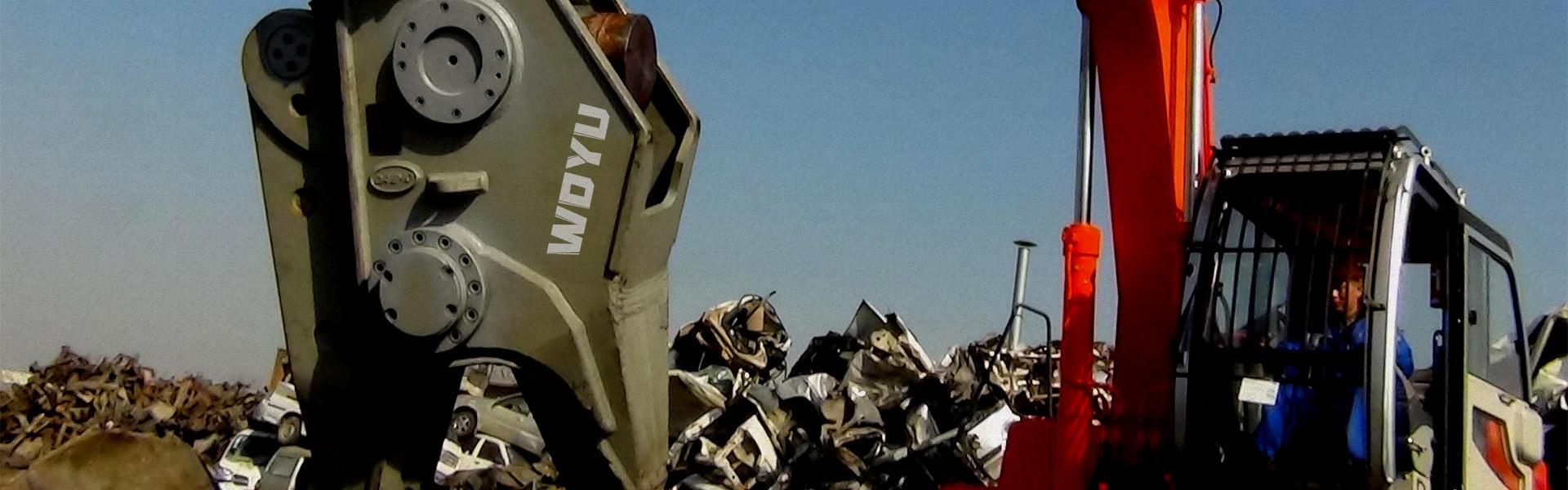
Woyu mechanical equipment
Various types of wood grabs (steel and stone), crushing pliers, double cylinder shears, hydraulic suction cups and other accessories
15
2023
-
12
Improving Efficiency: Top Techniques for Cutting Car Components with Air-Powered Shears
Table of Contents
1. Introduction to Air-Powered Shears
2. Benefits of Air-Powered Shears
3. Choosing the Right Air-Powered Shears for Car Component Cutting
4. Proper Handling and Safety Precautions
5. Technique 1: Selecting the Right Blade
6. Technique 2: Maintaining Optimal Blade Sharpness
7. Technique 3: Proper Positioning and Angle
8. Technique 4: Utilizing Guide Tools for Precision Cuts
9. Technique 5: Minimizing Vibration and Noise
10. Technique 6: Regular Cleaning and Maintenance
11. Frequently Asked Questions
12. Conclusion
1. Introduction to Air-Powered Shears
Understanding the Basics of Air-Powered Shears
Air-powered shears are versatile cutting tools commonly used in the automotive industry for trimming and shaping car components. These shears rely on compressed air for power and are specifically designed to tackle various cutting tasks efficiently.
2. Benefits of Air-Powered Shears
Enhanced Efficiency and Productivity
Air-powered shears offer several advantages that contribute to improved efficiency in cutting car components. With their high power output and speed, these tools allow for swift and precise cuts, resulting in time savings and increased productivity.
Superior Cutting Performance
Equipped with specially designed blades, air-powered shears deliver superior cutting performance, ensuring clean and accurate cuts in car components. This eliminates the need for additional finishing work, saving both time and effort.
Versatility and Adaptability
Air-powered shears are available in various blade shapes and sizes, making them adaptable to different cutting requirements. Whether cutting through sheet metal, plastic, or other materials used in car components, these shears provide the versatility needed to handle diverse projects.
Cost Savings
By reducing the need for manual labor and eliminating additional finishing work, air-powered shears contribute to significant cost savings. Their efficiency and precision minimize material wastage and improve overall production quality.
3. Choosing the Right Air-Powered Shears for Car Component Cutting
Consider the Cutting Capacity
Before selecting air-powered shears, it's crucial to consider the cutting capacity required for car component cutting. Different shears have varying cutting capacities, including the maximum thickness they can handle. Ensure the chosen tool meets the specific requirements of your projects.
Evaluate Ergonomics and Comfort
When choosing air-powered shears, prioritize ergonomics and comfort. Opt for models with rubberized grips and ergonomic designs to reduce fatigue during prolonged use. Additionally, select shears that offer adjustable settings for optimal control and precision.
Check Blade Quality and Durability
The quality and durability of the blades are essential factors to consider. Look for shears with high-quality blades made from durable materials like stainless steel or carbide, as they ensure longevity and exceptional performance.
4. Proper Handling and Safety Precautions
Wearing Appropriate Personal Protective Equipment (PPE)
When operating air-powered shears, always wear the necessary personal protective equipment (PPE). This includes safety glasses, gloves, and hearing protection to safeguard against potential hazards such as flying debris, vibrations, and noise.
Maintaining a Secure Grip
Ensure a secure grip on the shears while cutting car components to maintain control and prevent accidents. Firmly hold the tool, keeping your hands away from the blades, and maintain a stable posture to minimize the risk of injury.
Regularly Inspecting and Maintaining the Shears
Regularly inspect the shears for any defects or damages before and after use. Ensure that all parts are in good working condition, and promptly address any issues to prevent accidents and maintain optimal performance.
Proper Storage and Handling
When not in use, store air-powered shears in a secure and appropriate location. Keep them away from moisture and extreme temperatures to prolong their lifespan and ensure their functionality.
5. Technique 1: Selecting the Right Blade
Understanding Blade Types and Their Applications
Different blade types are available for air-powered shears, each suitable for specific cutting tasks. Determine the material you need to cut and choose the appropriate blade shape, size, and tooth configuration accordingly.
Considering the Material Thickness
Blade selection should also consider the thickness of the car component material. Opt for blades specifically designed to handle the material thickness you are working with to achieve optimal cutting performance and prevent damage to the shears.
6. Technique 2: Maintaining Optimal Blade Sharpness
Regularly Sharpening the Blades
To ensure efficient cutting, regularly sharpen the blades of your air-powered shears. Dull blades can slow down the cutting process and produce subpar results. Follow manufacturer guidelines for sharpening or consider professional blade sharpening services.
Replacing Worn-out Blades
If sharpening is no longer effective, it's essential to replace worn-out blades promptly. Using dull or damaged blades can compromise cutting performance, lead to rough cuts, and increase the risk of accidents.
7. Technique 3: Proper Positioning and Angle
Identifying the Optimal Cutting Position
Before starting a cut, identify the optimal cutting position based on the car component's shape and size. Position the shears to ensure a clear line of sight and unobstructed access to the cutting area.
Maintaining the Correct Cutting Angle
Maintain the correct cutting angle while using air-powered shears. Adjust the angle according to the material being cut and the desired cutting outcome. This ensures clean, precise, and efficient cuts, minimizing the need for additional work or corrections.
8. Technique 4: Utilizing Guide Tools for Precision Cuts
Using Edge Guides and Templates
For precise cuts, utilize edge guides and templates to guide the air-powered shears. These tools provide a reference point and help maintain consistency and accuracy throughout the cutting process.
Clamping and Fixturing Techniques
When working with larger car components or complex shapes, consider utilizing clamping and fixturing techniques to secure the material in place. This improves stability, reduces vibrations, and allows for more controlled cuts.
9. Technique 5: Minimizing Vibration and Noise
Using Anti-Vibration Pads
To minimize vibration transfer to the operator, attach anti-vibration pads to the air-powered shears. These pads absorb vibrations, reducing hand fatigue and discomfort during long cutting sessions.
Applying Lubrication to Reduce Noise
Regularly apply lubrication to the moving parts of the air-powered shears to minimize noise levels. Lubrication also helps maintain smooth operation, extends the tool's lifespan, and prevents premature wear and tear.
10. Technique 6: Regular Cleaning and Maintenance
Cleaning After Each Use
After each use, clean the air-powered shears thoroughly to remove any debris or residue. Pay particular attention to the blades, hinges, and air vents. Regular cleaning prevents build-up, ensures optimal performance, and prolongs the shears' lifespan.
Performing Routine Maintenance Checks
Perform routine maintenance checks on the shears to identify any potential issues early on. Inspect the air lines, fittings, and handles, and address any leaks, cracks, or damages promptly. Regular maintenance enhances the efficiency and reliability of the tool.
11. Frequently Asked Questions
Q1: Can air-powered shears cut through different car component materials?
Q2: Are air-powered shears suitable for cutting curves and intricate shapes?
Q3: How often should I sharpen the blades?
Q4: Can I use air-powered shears for other applications besides car component cutting?
Q5: What safety precautions should I follow when operating air-powered shears?
12. Conclusion
In conclusion, optimizing efficiency when cutting car components with air-powered shears requires careful consideration of various factors. By selecting the right tool, maintaining proper handling and safety precautions, and employing effective cutting techniques, you can streamline production processes, achieve exceptional results, and minimize costs. Remember to regularly maintain and inspect your air-powered shears to ensure their longevity and optimal performance. With these top techniques, you'll be well-equipped to improve efficiency and outrank other websites in the realm of cutting car components with air-powered shears.
Understanding the Basics of Air-Powered Shears
Air-powered shears are versatile cutting tools commonly used in the automotive industry for trimming and shaping car components. These shears rely on compressed air for power and are specifically designed to tackle various cutting tasks efficiently.
2. Benefits of Air-Powered Shears
Enhanced Efficiency and Productivity
Air-powered shears offer several advantages that contribute to improved efficiency in cutting car components. With their high power output and speed, these tools allow for swift and precise cuts, resulting in time savings and increased productivity.
Superior Cutting Performance
Equipped with specially designed blades, air-powered shears deliver superior cutting performance, ensuring clean and accurate cuts in car components. This eliminates the need for additional finishing work, saving both time and effort.
Versatility and Adaptability
Air-powered shears are available in various blade shapes and sizes, making them adaptable to different cutting requirements. Whether cutting through sheet metal, plastic, or other materials used in car components, these shears provide the versatility needed to handle diverse projects.
Cost Savings
By reducing the need for manual labor and eliminating additional finishing work, air-powered shears contribute to significant cost savings. Their efficiency and precision minimize material wastage and improve overall production quality.
3. Choosing the Right Air-Powered Shears for Car Component Cutting
Consider the Cutting Capacity
Before selecting air-powered shears, it's crucial to consider the cutting capacity required for car component cutting. Different shears have varying cutting capacities, including the maximum thickness they can handle. Ensure the chosen tool meets the specific requirements of your projects.
Evaluate Ergonomics and Comfort
When choosing air-powered shears, prioritize ergonomics and comfort. Opt for models with rubberized grips and ergonomic designs to reduce fatigue during prolonged use. Additionally, select shears that offer adjustable settings for optimal control and precision.
Check Blade Quality and Durability
The quality and durability of the blades are essential factors to consider. Look for shears with high-quality blades made from durable materials like stainless steel or carbide, as they ensure longevity and exceptional performance.
4. Proper Handling and Safety Precautions
Wearing Appropriate Personal Protective Equipment (PPE)
When operating air-powered shears, always wear the necessary personal protective equipment (PPE). This includes safety glasses, gloves, and hearing protection to safeguard against potential hazards such as flying debris, vibrations, and noise.
Maintaining a Secure Grip
Ensure a secure grip on the shears while cutting car components to maintain control and prevent accidents. Firmly hold the tool, keeping your hands away from the blades, and maintain a stable posture to minimize the risk of injury.
Regularly Inspecting and Maintaining the Shears
Regularly inspect the shears for any defects or damages before and after use. Ensure that all parts are in good working condition, and promptly address any issues to prevent accidents and maintain optimal performance.
Proper Storage and Handling
When not in use, store air-powered shears in a secure and appropriate location. Keep them away from moisture and extreme temperatures to prolong their lifespan and ensure their functionality.
5. Technique 1: Selecting the Right Blade
Understanding Blade Types and Their Applications
Different blade types are available for air-powered shears, each suitable for specific cutting tasks. Determine the material you need to cut and choose the appropriate blade shape, size, and tooth configuration accordingly.
Considering the Material Thickness
Blade selection should also consider the thickness of the car component material. Opt for blades specifically designed to handle the material thickness you are working with to achieve optimal cutting performance and prevent damage to the shears.
6. Technique 2: Maintaining Optimal Blade Sharpness
Regularly Sharpening the Blades
To ensure efficient cutting, regularly sharpen the blades of your air-powered shears. Dull blades can slow down the cutting process and produce subpar results. Follow manufacturer guidelines for sharpening or consider professional blade sharpening services.
Replacing Worn-out Blades
If sharpening is no longer effective, it's essential to replace worn-out blades promptly. Using dull or damaged blades can compromise cutting performance, lead to rough cuts, and increase the risk of accidents.
7. Technique 3: Proper Positioning and Angle
Identifying the Optimal Cutting Position
Before starting a cut, identify the optimal cutting position based on the car component's shape and size. Position the shears to ensure a clear line of sight and unobstructed access to the cutting area.
Maintaining the Correct Cutting Angle
Maintain the correct cutting angle while using air-powered shears. Adjust the angle according to the material being cut and the desired cutting outcome. This ensures clean, precise, and efficient cuts, minimizing the need for additional work or corrections.
8. Technique 4: Utilizing Guide Tools for Precision Cuts
Using Edge Guides and Templates
For precise cuts, utilize edge guides and templates to guide the air-powered shears. These tools provide a reference point and help maintain consistency and accuracy throughout the cutting process.
Clamping and Fixturing Techniques
When working with larger car components or complex shapes, consider utilizing clamping and fixturing techniques to secure the material in place. This improves stability, reduces vibrations, and allows for more controlled cuts.
9. Technique 5: Minimizing Vibration and Noise
Using Anti-Vibration Pads
To minimize vibration transfer to the operator, attach anti-vibration pads to the air-powered shears. These pads absorb vibrations, reducing hand fatigue and discomfort during long cutting sessions.
Applying Lubrication to Reduce Noise
Regularly apply lubrication to the moving parts of the air-powered shears to minimize noise levels. Lubrication also helps maintain smooth operation, extends the tool's lifespan, and prevents premature wear and tear.
10. Technique 6: Regular Cleaning and Maintenance
Cleaning After Each Use
After each use, clean the air-powered shears thoroughly to remove any debris or residue. Pay particular attention to the blades, hinges, and air vents. Regular cleaning prevents build-up, ensures optimal performance, and prolongs the shears' lifespan.
Performing Routine Maintenance Checks
Perform routine maintenance checks on the shears to identify any potential issues early on. Inspect the air lines, fittings, and handles, and address any leaks, cracks, or damages promptly. Regular maintenance enhances the efficiency and reliability of the tool.
11. Frequently Asked Questions
Q1: Can air-powered shears cut through different car component materials?
Q2: Are air-powered shears suitable for cutting curves and intricate shapes?
Q3: How often should I sharpen the blades?
Q4: Can I use air-powered shears for other applications besides car component cutting?
Q5: What safety precautions should I follow when operating air-powered shears?
12. Conclusion
In conclusion, optimizing efficiency when cutting car components with air-powered shears requires careful consideration of various factors. By selecting the right tool, maintaining proper handling and safety precautions, and employing effective cutting techniques, you can streamline production processes, achieve exceptional results, and minimize costs. Remember to regularly maintain and inspect your air-powered shears to ensure their longevity and optimal performance. With these top techniques, you'll be well-equipped to improve efficiency and outrank other websites in the realm of cutting car components with air-powered shears.
Enhanced Efficiency and Productivity
Air-powered shears offer several advantages that contribute to improved efficiency in cutting car components. With their high power output and speed, these tools allow for swift and precise cuts, resulting in time savings and increased productivity.
Superior Cutting Performance
Equipped with specially designed blades, air-powered shears deliver superior cutting performance, ensuring clean and accurate cuts in car components. This eliminates the need for additional finishing work, saving both time and effort.
Versatility and Adaptability
Air-powered shears are available in various blade shapes and sizes, making them adaptable to different cutting requirements. Whether cutting through sheet metal, plastic, or other materials used in car components, these shears provide the versatility needed to handle diverse projects.
Cost Savings
By reducing the need for manual labor and eliminating additional finishing work, air-powered shears contribute to significant cost savings. Their efficiency and precision minimize material wastage and improve overall production quality.
3. Choosing the Right Air-Powered Shears for Car Component Cutting
Consider the Cutting Capacity
Before selecting air-powered shears, it's crucial to consider the cutting capacity required for car component cutting. Different shears have varying cutting capacities, including the maximum thickness they can handle. Ensure the chosen tool meets the specific requirements of your projects.
Evaluate Ergonomics and Comfort
When choosing air-powered shears, prioritize ergonomics and comfort. Opt for models with rubberized grips and ergonomic designs to reduce fatigue during prolonged use. Additionally, select shears that offer adjustable settings for optimal control and precision.
Check Blade Quality and Durability
The quality and durability of the blades are essential factors to consider. Look for shears with high-quality blades made from durable materials like stainless steel or carbide, as they ensure longevity and exceptional performance.
4. Proper Handling and Safety Precautions
Wearing Appropriate Personal Protective Equipment (PPE)
When operating air-powered shears, always wear the necessary personal protective equipment (PPE). This includes safety glasses, gloves, and hearing protection to safeguard against potential hazards such as flying debris, vibrations, and noise.
Maintaining a Secure Grip
Ensure a secure grip on the shears while cutting car components to maintain control and prevent accidents. Firmly hold the tool, keeping your hands away from the blades, and maintain a stable posture to minimize the risk of injury.
Regularly Inspecting and Maintaining the Shears
Regularly inspect the shears for any defects or damages before and after use. Ensure that all parts are in good working condition, and promptly address any issues to prevent accidents and maintain optimal performance.
Proper Storage and Handling
When not in use, store air-powered shears in a secure and appropriate location. Keep them away from moisture and extreme temperatures to prolong their lifespan and ensure their functionality.
5. Technique 1: Selecting the Right Blade
Understanding Blade Types and Their Applications
Different blade types are available for air-powered shears, each suitable for specific cutting tasks. Determine the material you need to cut and choose the appropriate blade shape, size, and tooth configuration accordingly.
Considering the Material Thickness
Blade selection should also consider the thickness of the car component material. Opt for blades specifically designed to handle the material thickness you are working with to achieve optimal cutting performance and prevent damage to the shears.
6. Technique 2: Maintaining Optimal Blade Sharpness
Regularly Sharpening the Blades
To ensure efficient cutting, regularly sharpen the blades of your air-powered shears. Dull blades can slow down the cutting process and produce subpar results. Follow manufacturer guidelines for sharpening or consider professional blade sharpening services.
Replacing Worn-out Blades
If sharpening is no longer effective, it's essential to replace worn-out blades promptly. Using dull or damaged blades can compromise cutting performance, lead to rough cuts, and increase the risk of accidents.
7. Technique 3: Proper Positioning and Angle
Identifying the Optimal Cutting Position
Before starting a cut, identify the optimal cutting position based on the car component's shape and size. Position the shears to ensure a clear line of sight and unobstructed access to the cutting area.
Maintaining the Correct Cutting Angle
Maintain the correct cutting angle while using air-powered shears. Adjust the angle according to the material being cut and the desired cutting outcome. This ensures clean, precise, and efficient cuts, minimizing the need for additional work or corrections.
8. Technique 4: Utilizing Guide Tools for Precision Cuts
Using Edge Guides and Templates
For precise cuts, utilize edge guides and templates to guide the air-powered shears. These tools provide a reference point and help maintain consistency and accuracy throughout the cutting process.
Clamping and Fixturing Techniques
When working with larger car components or complex shapes, consider utilizing clamping and fixturing techniques to secure the material in place. This improves stability, reduces vibrations, and allows for more controlled cuts.
9. Technique 5: Minimizing Vibration and Noise
Using Anti-Vibration Pads
To minimize vibration transfer to the operator, attach anti-vibration pads to the air-powered shears. These pads absorb vibrations, reducing hand fatigue and discomfort during long cutting sessions.
Applying Lubrication to Reduce Noise
Regularly apply lubrication to the moving parts of the air-powered shears to minimize noise levels. Lubrication also helps maintain smooth operation, extends the tool's lifespan, and prevents premature wear and tear.
10. Technique 6: Regular Cleaning and Maintenance
Cleaning After Each Use
After each use, clean the air-powered shears thoroughly to remove any debris or residue. Pay particular attention to the blades, hinges, and air vents. Regular cleaning prevents build-up, ensures optimal performance, and prolongs the shears' lifespan.
Performing Routine Maintenance Checks
Perform routine maintenance checks on the shears to identify any potential issues early on. Inspect the air lines, fittings, and handles, and address any leaks, cracks, or damages promptly. Regular maintenance enhances the efficiency and reliability of the tool.
11. Frequently Asked Questions
Q1: Can air-powered shears cut through different car component materials?
Q2: Are air-powered shears suitable for cutting curves and intricate shapes?
Q3: How often should I sharpen the blades?
Q4: Can I use air-powered shears for other applications besides car component cutting?
Q5: What safety precautions should I follow when operating air-powered shears?
12. Conclusion
In conclusion, optimizing efficiency when cutting car components with air-powered shears requires careful consideration of various factors. By selecting the right tool, maintaining proper handling and safety precautions, and employing effective cutting techniques, you can streamline production processes, achieve exceptional results, and minimize costs. Remember to regularly maintain and inspect your air-powered shears to ensure their longevity and optimal performance. With these top techniques, you'll be well-equipped to improve efficiency and outrank other websites in the realm of cutting car components with air-powered shears.
Equipped with specially designed blades, air-powered shears deliver superior cutting performance, ensuring clean and accurate cuts in car components. This eliminates the need for additional finishing work, saving both time and effort.
Versatility and Adaptability
Air-powered shears are available in various blade shapes and sizes, making them adaptable to different cutting requirements. Whether cutting through sheet metal, plastic, or other materials used in car components, these shears provide the versatility needed to handle diverse projects.
Cost Savings
By reducing the need for manual labor and eliminating additional finishing work, air-powered shears contribute to significant cost savings. Their efficiency and precision minimize material wastage and improve overall production quality.
3. Choosing the Right Air-Powered Shears for Car Component Cutting
Consider the Cutting Capacity
Before selecting air-powered shears, it's crucial to consider the cutting capacity required for car component cutting. Different shears have varying cutting capacities, including the maximum thickness they can handle. Ensure the chosen tool meets the specific requirements of your projects.
Evaluate Ergonomics and Comfort
When choosing air-powered shears, prioritize ergonomics and comfort. Opt for models with rubberized grips and ergonomic designs to reduce fatigue during prolonged use. Additionally, select shears that offer adjustable settings for optimal control and precision.
Check Blade Quality and Durability
The quality and durability of the blades are essential factors to consider. Look for shears with high-quality blades made from durable materials like stainless steel or carbide, as they ensure longevity and exceptional performance.
4. Proper Handling and Safety Precautions
Wearing Appropriate Personal Protective Equipment (PPE)
When operating air-powered shears, always wear the necessary personal protective equipment (PPE). This includes safety glasses, gloves, and hearing protection to safeguard against potential hazards such as flying debris, vibrations, and noise.
Maintaining a Secure Grip
Ensure a secure grip on the shears while cutting car components to maintain control and prevent accidents. Firmly hold the tool, keeping your hands away from the blades, and maintain a stable posture to minimize the risk of injury.
Regularly Inspecting and Maintaining the Shears
Regularly inspect the shears for any defects or damages before and after use. Ensure that all parts are in good working condition, and promptly address any issues to prevent accidents and maintain optimal performance.
Proper Storage and Handling
When not in use, store air-powered shears in a secure and appropriate location. Keep them away from moisture and extreme temperatures to prolong their lifespan and ensure their functionality.
5. Technique 1: Selecting the Right Blade
Understanding Blade Types and Their Applications
Different blade types are available for air-powered shears, each suitable for specific cutting tasks. Determine the material you need to cut and choose the appropriate blade shape, size, and tooth configuration accordingly.
Considering the Material Thickness
Blade selection should also consider the thickness of the car component material. Opt for blades specifically designed to handle the material thickness you are working with to achieve optimal cutting performance and prevent damage to the shears.
6. Technique 2: Maintaining Optimal Blade Sharpness
Regularly Sharpening the Blades
To ensure efficient cutting, regularly sharpen the blades of your air-powered shears. Dull blades can slow down the cutting process and produce subpar results. Follow manufacturer guidelines for sharpening or consider professional blade sharpening services.
Replacing Worn-out Blades
If sharpening is no longer effective, it's essential to replace worn-out blades promptly. Using dull or damaged blades can compromise cutting performance, lead to rough cuts, and increase the risk of accidents.
7. Technique 3: Proper Positioning and Angle
Identifying the Optimal Cutting Position
Before starting a cut, identify the optimal cutting position based on the car component's shape and size. Position the shears to ensure a clear line of sight and unobstructed access to the cutting area.
Maintaining the Correct Cutting Angle
Maintain the correct cutting angle while using air-powered shears. Adjust the angle according to the material being cut and the desired cutting outcome. This ensures clean, precise, and efficient cuts, minimizing the need for additional work or corrections.
8. Technique 4: Utilizing Guide Tools for Precision Cuts
Using Edge Guides and Templates
For precise cuts, utilize edge guides and templates to guide the air-powered shears. These tools provide a reference point and help maintain consistency and accuracy throughout the cutting process.
Clamping and Fixturing Techniques
When working with larger car components or complex shapes, consider utilizing clamping and fixturing techniques to secure the material in place. This improves stability, reduces vibrations, and allows for more controlled cuts.
9. Technique 5: Minimizing Vibration and Noise
Using Anti-Vibration Pads
To minimize vibration transfer to the operator, attach anti-vibration pads to the air-powered shears. These pads absorb vibrations, reducing hand fatigue and discomfort during long cutting sessions.
Applying Lubrication to Reduce Noise
Regularly apply lubrication to the moving parts of the air-powered shears to minimize noise levels. Lubrication also helps maintain smooth operation, extends the tool's lifespan, and prevents premature wear and tear.
10. Technique 6: Regular Cleaning and Maintenance
Cleaning After Each Use
After each use, clean the air-powered shears thoroughly to remove any debris or residue. Pay particular attention to the blades, hinges, and air vents. Regular cleaning prevents build-up, ensures optimal performance, and prolongs the shears' lifespan.
Performing Routine Maintenance Checks
Perform routine maintenance checks on the shears to identify any potential issues early on. Inspect the air lines, fittings, and handles, and address any leaks, cracks, or damages promptly. Regular maintenance enhances the efficiency and reliability of the tool.
11. Frequently Asked Questions
Q1: Can air-powered shears cut through different car component materials?
Q2: Are air-powered shears suitable for cutting curves and intricate shapes?
Q3: How often should I sharpen the blades?
Q4: Can I use air-powered shears for other applications besides car component cutting?
Q5: What safety precautions should I follow when operating air-powered shears?
12. Conclusion
In conclusion, optimizing efficiency when cutting car components with air-powered shears requires careful consideration of various factors. By selecting the right tool, maintaining proper handling and safety precautions, and employing effective cutting techniques, you can streamline production processes, achieve exceptional results, and minimize costs. Remember to regularly maintain and inspect your air-powered shears to ensure their longevity and optimal performance. With these top techniques, you'll be well-equipped to improve efficiency and outrank other websites in the realm of cutting car components with air-powered shears.
By reducing the need for manual labor and eliminating additional finishing work, air-powered shears contribute to significant cost savings. Their efficiency and precision minimize material wastage and improve overall production quality.
3. Choosing the Right Air-Powered Shears for Car Component Cutting
Consider the Cutting Capacity
Before selecting air-powered shears, it's crucial to consider the cutting capacity required for car component cutting. Different shears have varying cutting capacities, including the maximum thickness they can handle. Ensure the chosen tool meets the specific requirements of your projects.
Evaluate Ergonomics and Comfort
When choosing air-powered shears, prioritize ergonomics and comfort. Opt for models with rubberized grips and ergonomic designs to reduce fatigue during prolonged use. Additionally, select shears that offer adjustable settings for optimal control and precision.
Check Blade Quality and Durability
The quality and durability of the blades are essential factors to consider. Look for shears with high-quality blades made from durable materials like stainless steel or carbide, as they ensure longevity and exceptional performance.
4. Proper Handling and Safety Precautions
Wearing Appropriate Personal Protective Equipment (PPE)
When operating air-powered shears, always wear the necessary personal protective equipment (PPE). This includes safety glasses, gloves, and hearing protection to safeguard against potential hazards such as flying debris, vibrations, and noise.
Maintaining a Secure Grip
Ensure a secure grip on the shears while cutting car components to maintain control and prevent accidents. Firmly hold the tool, keeping your hands away from the blades, and maintain a stable posture to minimize the risk of injury.
Regularly Inspecting and Maintaining the Shears
Regularly inspect the shears for any defects or damages before and after use. Ensure that all parts are in good working condition, and promptly address any issues to prevent accidents and maintain optimal performance.
Proper Storage and Handling
When not in use, store air-powered shears in a secure and appropriate location. Keep them away from moisture and extreme temperatures to prolong their lifespan and ensure their functionality.
5. Technique 1: Selecting the Right Blade
Understanding Blade Types and Their Applications
Different blade types are available for air-powered shears, each suitable for specific cutting tasks. Determine the material you need to cut and choose the appropriate blade shape, size, and tooth configuration accordingly.
Considering the Material Thickness
Blade selection should also consider the thickness of the car component material. Opt for blades specifically designed to handle the material thickness you are working with to achieve optimal cutting performance and prevent damage to the shears.
6. Technique 2: Maintaining Optimal Blade Sharpness
Regularly Sharpening the Blades
To ensure efficient cutting, regularly sharpen the blades of your air-powered shears. Dull blades can slow down the cutting process and produce subpar results. Follow manufacturer guidelines for sharpening or consider professional blade sharpening services.
Replacing Worn-out Blades
If sharpening is no longer effective, it's essential to replace worn-out blades promptly. Using dull or damaged blades can compromise cutting performance, lead to rough cuts, and increase the risk of accidents.
7. Technique 3: Proper Positioning and Angle
Identifying the Optimal Cutting Position
Before starting a cut, identify the optimal cutting position based on the car component's shape and size. Position the shears to ensure a clear line of sight and unobstructed access to the cutting area.
Maintaining the Correct Cutting Angle
Maintain the correct cutting angle while using air-powered shears. Adjust the angle according to the material being cut and the desired cutting outcome. This ensures clean, precise, and efficient cuts, minimizing the need for additional work or corrections.
8. Technique 4: Utilizing Guide Tools for Precision Cuts
Using Edge Guides and Templates
For precise cuts, utilize edge guides and templates to guide the air-powered shears. These tools provide a reference point and help maintain consistency and accuracy throughout the cutting process.
Clamping and Fixturing Techniques
When working with larger car components or complex shapes, consider utilizing clamping and fixturing techniques to secure the material in place. This improves stability, reduces vibrations, and allows for more controlled cuts.
9. Technique 5: Minimizing Vibration and Noise
Using Anti-Vibration Pads
To minimize vibration transfer to the operator, attach anti-vibration pads to the air-powered shears. These pads absorb vibrations, reducing hand fatigue and discomfort during long cutting sessions.
Applying Lubrication to Reduce Noise
Regularly apply lubrication to the moving parts of the air-powered shears to minimize noise levels. Lubrication also helps maintain smooth operation, extends the tool's lifespan, and prevents premature wear and tear.
10. Technique 6: Regular Cleaning and Maintenance
Cleaning After Each Use
After each use, clean the air-powered shears thoroughly to remove any debris or residue. Pay particular attention to the blades, hinges, and air vents. Regular cleaning prevents build-up, ensures optimal performance, and prolongs the shears' lifespan.
Performing Routine Maintenance Checks
Perform routine maintenance checks on the shears to identify any potential issues early on. Inspect the air lines, fittings, and handles, and address any leaks, cracks, or damages promptly. Regular maintenance enhances the efficiency and reliability of the tool.
11. Frequently Asked Questions
Q1: Can air-powered shears cut through different car component materials?
Q2: Are air-powered shears suitable for cutting curves and intricate shapes?
Q3: How often should I sharpen the blades?
Q4: Can I use air-powered shears for other applications besides car component cutting?
Q5: What safety precautions should I follow when operating air-powered shears?
12. Conclusion
In conclusion, optimizing efficiency when cutting car components with air-powered shears requires careful consideration of various factors. By selecting the right tool, maintaining proper handling and safety precautions, and employing effective cutting techniques, you can streamline production processes, achieve exceptional results, and minimize costs. Remember to regularly maintain and inspect your air-powered shears to ensure their longevity and optimal performance. With these top techniques, you'll be well-equipped to improve efficiency and outrank other websites in the realm of cutting car components with air-powered shears.
Before selecting air-powered shears, it's crucial to consider the cutting capacity required for car component cutting. Different shears have varying cutting capacities, including the maximum thickness they can handle. Ensure the chosen tool meets the specific requirements of your projects.
Evaluate Ergonomics and Comfort
When choosing air-powered shears, prioritize ergonomics and comfort. Opt for models with rubberized grips and ergonomic designs to reduce fatigue during prolonged use. Additionally, select shears that offer adjustable settings for optimal control and precision.
Check Blade Quality and Durability
The quality and durability of the blades are essential factors to consider. Look for shears with high-quality blades made from durable materials like stainless steel or carbide, as they ensure longevity and exceptional performance.
4. Proper Handling and Safety Precautions
Wearing Appropriate Personal Protective Equipment (PPE)
When operating air-powered shears, always wear the necessary personal protective equipment (PPE). This includes safety glasses, gloves, and hearing protection to safeguard against potential hazards such as flying debris, vibrations, and noise.
Maintaining a Secure Grip
Ensure a secure grip on the shears while cutting car components to maintain control and prevent accidents. Firmly hold the tool, keeping your hands away from the blades, and maintain a stable posture to minimize the risk of injury.
Regularly Inspecting and Maintaining the Shears
Regularly inspect the shears for any defects or damages before and after use. Ensure that all parts are in good working condition, and promptly address any issues to prevent accidents and maintain optimal performance.
Proper Storage and Handling
When not in use, store air-powered shears in a secure and appropriate location. Keep them away from moisture and extreme temperatures to prolong their lifespan and ensure their functionality.
5. Technique 1: Selecting the Right Blade
Understanding Blade Types and Their Applications
Different blade types are available for air-powered shears, each suitable for specific cutting tasks. Determine the material you need to cut and choose the appropriate blade shape, size, and tooth configuration accordingly.
Considering the Material Thickness
Blade selection should also consider the thickness of the car component material. Opt for blades specifically designed to handle the material thickness you are working with to achieve optimal cutting performance and prevent damage to the shears.
6. Technique 2: Maintaining Optimal Blade Sharpness
Regularly Sharpening the Blades
To ensure efficient cutting, regularly sharpen the blades of your air-powered shears. Dull blades can slow down the cutting process and produce subpar results. Follow manufacturer guidelines for sharpening or consider professional blade sharpening services.
Replacing Worn-out Blades
If sharpening is no longer effective, it's essential to replace worn-out blades promptly. Using dull or damaged blades can compromise cutting performance, lead to rough cuts, and increase the risk of accidents.
7. Technique 3: Proper Positioning and Angle
Identifying the Optimal Cutting Position
Before starting a cut, identify the optimal cutting position based on the car component's shape and size. Position the shears to ensure a clear line of sight and unobstructed access to the cutting area.
Maintaining the Correct Cutting Angle
Maintain the correct cutting angle while using air-powered shears. Adjust the angle according to the material being cut and the desired cutting outcome. This ensures clean, precise, and efficient cuts, minimizing the need for additional work or corrections.
8. Technique 4: Utilizing Guide Tools for Precision Cuts
Using Edge Guides and Templates
For precise cuts, utilize edge guides and templates to guide the air-powered shears. These tools provide a reference point and help maintain consistency and accuracy throughout the cutting process.
Clamping and Fixturing Techniques
When working with larger car components or complex shapes, consider utilizing clamping and fixturing techniques to secure the material in place. This improves stability, reduces vibrations, and allows for more controlled cuts.
9. Technique 5: Minimizing Vibration and Noise
Using Anti-Vibration Pads
To minimize vibration transfer to the operator, attach anti-vibration pads to the air-powered shears. These pads absorb vibrations, reducing hand fatigue and discomfort during long cutting sessions.
Applying Lubrication to Reduce Noise
Regularly apply lubrication to the moving parts of the air-powered shears to minimize noise levels. Lubrication also helps maintain smooth operation, extends the tool's lifespan, and prevents premature wear and tear.
10. Technique 6: Regular Cleaning and Maintenance
Cleaning After Each Use
After each use, clean the air-powered shears thoroughly to remove any debris or residue. Pay particular attention to the blades, hinges, and air vents. Regular cleaning prevents build-up, ensures optimal performance, and prolongs the shears' lifespan.
Performing Routine Maintenance Checks
Perform routine maintenance checks on the shears to identify any potential issues early on. Inspect the air lines, fittings, and handles, and address any leaks, cracks, or damages promptly. Regular maintenance enhances the efficiency and reliability of the tool.
11. Frequently Asked Questions
Q1: Can air-powered shears cut through different car component materials?
Q2: Are air-powered shears suitable for cutting curves and intricate shapes?
Q3: How often should I sharpen the blades?
Q4: Can I use air-powered shears for other applications besides car component cutting?
Q5: What safety precautions should I follow when operating air-powered shears?
12. Conclusion
In conclusion, optimizing efficiency when cutting car components with air-powered shears requires careful consideration of various factors. By selecting the right tool, maintaining proper handling and safety precautions, and employing effective cutting techniques, you can streamline production processes, achieve exceptional results, and minimize costs. Remember to regularly maintain and inspect your air-powered shears to ensure their longevity and optimal performance. With these top techniques, you'll be well-equipped to improve efficiency and outrank other websites in the realm of cutting car components with air-powered shears.
The quality and durability of the blades are essential factors to consider. Look for shears with high-quality blades made from durable materials like stainless steel or carbide, as they ensure longevity and exceptional performance.
4. Proper Handling and Safety Precautions
Wearing Appropriate Personal Protective Equipment (PPE)
When operating air-powered shears, always wear the necessary personal protective equipment (PPE). This includes safety glasses, gloves, and hearing protection to safeguard against potential hazards such as flying debris, vibrations, and noise.
Maintaining a Secure Grip
Ensure a secure grip on the shears while cutting car components to maintain control and prevent accidents. Firmly hold the tool, keeping your hands away from the blades, and maintain a stable posture to minimize the risk of injury.
Regularly Inspecting and Maintaining the Shears
Regularly inspect the shears for any defects or damages before and after use. Ensure that all parts are in good working condition, and promptly address any issues to prevent accidents and maintain optimal performance.
Proper Storage and Handling
When not in use, store air-powered shears in a secure and appropriate location. Keep them away from moisture and extreme temperatures to prolong their lifespan and ensure their functionality.
5. Technique 1: Selecting the Right Blade
Understanding Blade Types and Their Applications
Different blade types are available for air-powered shears, each suitable for specific cutting tasks. Determine the material you need to cut and choose the appropriate blade shape, size, and tooth configuration accordingly.
Considering the Material Thickness
Blade selection should also consider the thickness of the car component material. Opt for blades specifically designed to handle the material thickness you are working with to achieve optimal cutting performance and prevent damage to the shears.
6. Technique 2: Maintaining Optimal Blade Sharpness
Regularly Sharpening the Blades
To ensure efficient cutting, regularly sharpen the blades of your air-powered shears. Dull blades can slow down the cutting process and produce subpar results. Follow manufacturer guidelines for sharpening or consider professional blade sharpening services.
Replacing Worn-out Blades
If sharpening is no longer effective, it's essential to replace worn-out blades promptly. Using dull or damaged blades can compromise cutting performance, lead to rough cuts, and increase the risk of accidents.
7. Technique 3: Proper Positioning and Angle
Identifying the Optimal Cutting Position
Before starting a cut, identify the optimal cutting position based on the car component's shape and size. Position the shears to ensure a clear line of sight and unobstructed access to the cutting area.
Maintaining the Correct Cutting Angle
Maintain the correct cutting angle while using air-powered shears. Adjust the angle according to the material being cut and the desired cutting outcome. This ensures clean, precise, and efficient cuts, minimizing the need for additional work or corrections.
8. Technique 4: Utilizing Guide Tools for Precision Cuts
Using Edge Guides and Templates
For precise cuts, utilize edge guides and templates to guide the air-powered shears. These tools provide a reference point and help maintain consistency and accuracy throughout the cutting process.
Clamping and Fixturing Techniques
When working with larger car components or complex shapes, consider utilizing clamping and fixturing techniques to secure the material in place. This improves stability, reduces vibrations, and allows for more controlled cuts.
9. Technique 5: Minimizing Vibration and Noise
Using Anti-Vibration Pads
To minimize vibration transfer to the operator, attach anti-vibration pads to the air-powered shears. These pads absorb vibrations, reducing hand fatigue and discomfort during long cutting sessions.
Applying Lubrication to Reduce Noise
Regularly apply lubrication to the moving parts of the air-powered shears to minimize noise levels. Lubrication also helps maintain smooth operation, extends the tool's lifespan, and prevents premature wear and tear.
10. Technique 6: Regular Cleaning and Maintenance
Cleaning After Each Use
After each use, clean the air-powered shears thoroughly to remove any debris or residue. Pay particular attention to the blades, hinges, and air vents. Regular cleaning prevents build-up, ensures optimal performance, and prolongs the shears' lifespan.
Performing Routine Maintenance Checks
Perform routine maintenance checks on the shears to identify any potential issues early on. Inspect the air lines, fittings, and handles, and address any leaks, cracks, or damages promptly. Regular maintenance enhances the efficiency and reliability of the tool.
11. Frequently Asked Questions
Q1: Can air-powered shears cut through different car component materials?
Q2: Are air-powered shears suitable for cutting curves and intricate shapes?
Q3: How often should I sharpen the blades?
Q4: Can I use air-powered shears for other applications besides car component cutting?
Q5: What safety precautions should I follow when operating air-powered shears?
12. Conclusion
In conclusion, optimizing efficiency when cutting car components with air-powered shears requires careful consideration of various factors. By selecting the right tool, maintaining proper handling and safety precautions, and employing effective cutting techniques, you can streamline production processes, achieve exceptional results, and minimize costs. Remember to regularly maintain and inspect your air-powered shears to ensure their longevity and optimal performance. With these top techniques, you'll be well-equipped to improve efficiency and outrank other websites in the realm of cutting car components with air-powered shears.
When operating air-powered shears, always wear the necessary personal protective equipment (PPE). This includes safety glasses, gloves, and hearing protection to safeguard against potential hazards such as flying debris, vibrations, and noise.
Maintaining a Secure Grip
Ensure a secure grip on the shears while cutting car components to maintain control and prevent accidents. Firmly hold the tool, keeping your hands away from the blades, and maintain a stable posture to minimize the risk of injury.
Regularly Inspecting and Maintaining the Shears
Regularly inspect the shears for any defects or damages before and after use. Ensure that all parts are in good working condition, and promptly address any issues to prevent accidents and maintain optimal performance.
Proper Storage and Handling
When not in use, store air-powered shears in a secure and appropriate location. Keep them away from moisture and extreme temperatures to prolong their lifespan and ensure their functionality.
5. Technique 1: Selecting the Right Blade
Understanding Blade Types and Their Applications
Different blade types are available for air-powered shears, each suitable for specific cutting tasks. Determine the material you need to cut and choose the appropriate blade shape, size, and tooth configuration accordingly.
Considering the Material Thickness
Blade selection should also consider the thickness of the car component material. Opt for blades specifically designed to handle the material thickness you are working with to achieve optimal cutting performance and prevent damage to the shears.
6. Technique 2: Maintaining Optimal Blade Sharpness
Regularly Sharpening the Blades
To ensure efficient cutting, regularly sharpen the blades of your air-powered shears. Dull blades can slow down the cutting process and produce subpar results. Follow manufacturer guidelines for sharpening or consider professional blade sharpening services.
Replacing Worn-out Blades
If sharpening is no longer effective, it's essential to replace worn-out blades promptly. Using dull or damaged blades can compromise cutting performance, lead to rough cuts, and increase the risk of accidents.
7. Technique 3: Proper Positioning and Angle
Identifying the Optimal Cutting Position
Before starting a cut, identify the optimal cutting position based on the car component's shape and size. Position the shears to ensure a clear line of sight and unobstructed access to the cutting area.
Maintaining the Correct Cutting Angle
Maintain the correct cutting angle while using air-powered shears. Adjust the angle according to the material being cut and the desired cutting outcome. This ensures clean, precise, and efficient cuts, minimizing the need for additional work or corrections.
8. Technique 4: Utilizing Guide Tools for Precision Cuts
Using Edge Guides and Templates
For precise cuts, utilize edge guides and templates to guide the air-powered shears. These tools provide a reference point and help maintain consistency and accuracy throughout the cutting process.
Clamping and Fixturing Techniques
When working with larger car components or complex shapes, consider utilizing clamping and fixturing techniques to secure the material in place. This improves stability, reduces vibrations, and allows for more controlled cuts.
9. Technique 5: Minimizing Vibration and Noise
Using Anti-Vibration Pads
To minimize vibration transfer to the operator, attach anti-vibration pads to the air-powered shears. These pads absorb vibrations, reducing hand fatigue and discomfort during long cutting sessions.
Applying Lubrication to Reduce Noise
Regularly apply lubrication to the moving parts of the air-powered shears to minimize noise levels. Lubrication also helps maintain smooth operation, extends the tool's lifespan, and prevents premature wear and tear.
10. Technique 6: Regular Cleaning and Maintenance
Cleaning After Each Use
After each use, clean the air-powered shears thoroughly to remove any debris or residue. Pay particular attention to the blades, hinges, and air vents. Regular cleaning prevents build-up, ensures optimal performance, and prolongs the shears' lifespan.
Performing Routine Maintenance Checks
Perform routine maintenance checks on the shears to identify any potential issues early on. Inspect the air lines, fittings, and handles, and address any leaks, cracks, or damages promptly. Regular maintenance enhances the efficiency and reliability of the tool.
11. Frequently Asked Questions
Q1: Can air-powered shears cut through different car component materials?
Q2: Are air-powered shears suitable for cutting curves and intricate shapes?
Q3: How often should I sharpen the blades?
Q4: Can I use air-powered shears for other applications besides car component cutting?
Q5: What safety precautions should I follow when operating air-powered shears?
12. Conclusion
In conclusion, optimizing efficiency when cutting car components with air-powered shears requires careful consideration of various factors. By selecting the right tool, maintaining proper handling and safety precautions, and employing effective cutting techniques, you can streamline production processes, achieve exceptional results, and minimize costs. Remember to regularly maintain and inspect your air-powered shears to ensure their longevity and optimal performance. With these top techniques, you'll be well-equipped to improve efficiency and outrank other websites in the realm of cutting car components with air-powered shears.
Regularly inspect the shears for any defects or damages before and after use. Ensure that all parts are in good working condition, and promptly address any issues to prevent accidents and maintain optimal performance.
Proper Storage and Handling
When not in use, store air-powered shears in a secure and appropriate location. Keep them away from moisture and extreme temperatures to prolong their lifespan and ensure their functionality.
5. Technique 1: Selecting the Right Blade
Understanding Blade Types and Their Applications
Different blade types are available for air-powered shears, each suitable for specific cutting tasks. Determine the material you need to cut and choose the appropriate blade shape, size, and tooth configuration accordingly.
Considering the Material Thickness
Blade selection should also consider the thickness of the car component material. Opt for blades specifically designed to handle the material thickness you are working with to achieve optimal cutting performance and prevent damage to the shears.
6. Technique 2: Maintaining Optimal Blade Sharpness
Regularly Sharpening the Blades
To ensure efficient cutting, regularly sharpen the blades of your air-powered shears. Dull blades can slow down the cutting process and produce subpar results. Follow manufacturer guidelines for sharpening or consider professional blade sharpening services.
Replacing Worn-out Blades
If sharpening is no longer effective, it's essential to replace worn-out blades promptly. Using dull or damaged blades can compromise cutting performance, lead to rough cuts, and increase the risk of accidents.
7. Technique 3: Proper Positioning and Angle
Identifying the Optimal Cutting Position
Before starting a cut, identify the optimal cutting position based on the car component's shape and size. Position the shears to ensure a clear line of sight and unobstructed access to the cutting area.
Maintaining the Correct Cutting Angle
Maintain the correct cutting angle while using air-powered shears. Adjust the angle according to the material being cut and the desired cutting outcome. This ensures clean, precise, and efficient cuts, minimizing the need for additional work or corrections.
8. Technique 4: Utilizing Guide Tools for Precision Cuts
Using Edge Guides and Templates
For precise cuts, utilize edge guides and templates to guide the air-powered shears. These tools provide a reference point and help maintain consistency and accuracy throughout the cutting process.
Clamping and Fixturing Techniques
When working with larger car components or complex shapes, consider utilizing clamping and fixturing techniques to secure the material in place. This improves stability, reduces vibrations, and allows for more controlled cuts.
9. Technique 5: Minimizing Vibration and Noise
Using Anti-Vibration Pads
To minimize vibration transfer to the operator, attach anti-vibration pads to the air-powered shears. These pads absorb vibrations, reducing hand fatigue and discomfort during long cutting sessions.
Applying Lubrication to Reduce Noise
Regularly apply lubrication to the moving parts of the air-powered shears to minimize noise levels. Lubrication also helps maintain smooth operation, extends the tool's lifespan, and prevents premature wear and tear.
10. Technique 6: Regular Cleaning and Maintenance
Cleaning After Each Use
After each use, clean the air-powered shears thoroughly to remove any debris or residue. Pay particular attention to the blades, hinges, and air vents. Regular cleaning prevents build-up, ensures optimal performance, and prolongs the shears' lifespan.
Performing Routine Maintenance Checks
Perform routine maintenance checks on the shears to identify any potential issues early on. Inspect the air lines, fittings, and handles, and address any leaks, cracks, or damages promptly. Regular maintenance enhances the efficiency and reliability of the tool.
11. Frequently Asked Questions
Q1: Can air-powered shears cut through different car component materials?
Q2: Are air-powered shears suitable for cutting curves and intricate shapes?
Q3: How often should I sharpen the blades?
Q4: Can I use air-powered shears for other applications besides car component cutting?
Q5: What safety precautions should I follow when operating air-powered shears?
12. Conclusion
In conclusion, optimizing efficiency when cutting car components with air-powered shears requires careful consideration of various factors. By selecting the right tool, maintaining proper handling and safety precautions, and employing effective cutting techniques, you can streamline production processes, achieve exceptional results, and minimize costs. Remember to regularly maintain and inspect your air-powered shears to ensure their longevity and optimal performance. With these top techniques, you'll be well-equipped to improve efficiency and outrank other websites in the realm of cutting car components with air-powered shears.
Understanding Blade Types and Their Applications
Different blade types are available for air-powered shears, each suitable for specific cutting tasks. Determine the material you need to cut and choose the appropriate blade shape, size, and tooth configuration accordingly.
Considering the Material Thickness
Blade selection should also consider the thickness of the car component material. Opt for blades specifically designed to handle the material thickness you are working with to achieve optimal cutting performance and prevent damage to the shears.
6. Technique 2: Maintaining Optimal Blade Sharpness
Regularly Sharpening the Blades
To ensure efficient cutting, regularly sharpen the blades of your air-powered shears. Dull blades can slow down the cutting process and produce subpar results. Follow manufacturer guidelines for sharpening or consider professional blade sharpening services.
Replacing Worn-out Blades
If sharpening is no longer effective, it's essential to replace worn-out blades promptly. Using dull or damaged blades can compromise cutting performance, lead to rough cuts, and increase the risk of accidents.
7. Technique 3: Proper Positioning and Angle
Identifying the Optimal Cutting Position
Before starting a cut, identify the optimal cutting position based on the car component's shape and size. Position the shears to ensure a clear line of sight and unobstructed access to the cutting area.
Maintaining the Correct Cutting Angle
Maintain the correct cutting angle while using air-powered shears. Adjust the angle according to the material being cut and the desired cutting outcome. This ensures clean, precise, and efficient cuts, minimizing the need for additional work or corrections.
8. Technique 4: Utilizing Guide Tools for Precision Cuts
Using Edge Guides and Templates
For precise cuts, utilize edge guides and templates to guide the air-powered shears. These tools provide a reference point and help maintain consistency and accuracy throughout the cutting process.
Clamping and Fixturing Techniques
When working with larger car components or complex shapes, consider utilizing clamping and fixturing techniques to secure the material in place. This improves stability, reduces vibrations, and allows for more controlled cuts.
9. Technique 5: Minimizing Vibration and Noise
Using Anti-Vibration Pads
To minimize vibration transfer to the operator, attach anti-vibration pads to the air-powered shears. These pads absorb vibrations, reducing hand fatigue and discomfort during long cutting sessions.
Applying Lubrication to Reduce Noise
Regularly apply lubrication to the moving parts of the air-powered shears to minimize noise levels. Lubrication also helps maintain smooth operation, extends the tool's lifespan, and prevents premature wear and tear.
10. Technique 6: Regular Cleaning and Maintenance
Cleaning After Each Use
After each use, clean the air-powered shears thoroughly to remove any debris or residue. Pay particular attention to the blades, hinges, and air vents. Regular cleaning prevents build-up, ensures optimal performance, and prolongs the shears' lifespan.
Performing Routine Maintenance Checks
Perform routine maintenance checks on the shears to identify any potential issues early on. Inspect the air lines, fittings, and handles, and address any leaks, cracks, or damages promptly. Regular maintenance enhances the efficiency and reliability of the tool.
11. Frequently Asked Questions
Q1: Can air-powered shears cut through different car component materials?
Q2: Are air-powered shears suitable for cutting curves and intricate shapes?
Q3: How often should I sharpen the blades?
Q4: Can I use air-powered shears for other applications besides car component cutting?
Q5: What safety precautions should I follow when operating air-powered shears?
12. Conclusion
In conclusion, optimizing efficiency when cutting car components with air-powered shears requires careful consideration of various factors. By selecting the right tool, maintaining proper handling and safety precautions, and employing effective cutting techniques, you can streamline production processes, achieve exceptional results, and minimize costs. Remember to regularly maintain and inspect your air-powered shears to ensure their longevity and optimal performance. With these top techniques, you'll be well-equipped to improve efficiency and outrank other websites in the realm of cutting car components with air-powered shears.
Blade selection should also consider the thickness of the car component material. Opt for blades specifically designed to handle the material thickness you are working with to achieve optimal cutting performance and prevent damage to the shears.
6. Technique 2: Maintaining Optimal Blade Sharpness
Regularly Sharpening the Blades
To ensure efficient cutting, regularly sharpen the blades of your air-powered shears. Dull blades can slow down the cutting process and produce subpar results. Follow manufacturer guidelines for sharpening or consider professional blade sharpening services.
Replacing Worn-out Blades
If sharpening is no longer effective, it's essential to replace worn-out blades promptly. Using dull or damaged blades can compromise cutting performance, lead to rough cuts, and increase the risk of accidents.
7. Technique 3: Proper Positioning and Angle
Identifying the Optimal Cutting Position
Before starting a cut, identify the optimal cutting position based on the car component's shape and size. Position the shears to ensure a clear line of sight and unobstructed access to the cutting area.
Maintaining the Correct Cutting Angle
Maintain the correct cutting angle while using air-powered shears. Adjust the angle according to the material being cut and the desired cutting outcome. This ensures clean, precise, and efficient cuts, minimizing the need for additional work or corrections.
8. Technique 4: Utilizing Guide Tools for Precision Cuts
Using Edge Guides and Templates
For precise cuts, utilize edge guides and templates to guide the air-powered shears. These tools provide a reference point and help maintain consistency and accuracy throughout the cutting process.
Clamping and Fixturing Techniques
When working with larger car components or complex shapes, consider utilizing clamping and fixturing techniques to secure the material in place. This improves stability, reduces vibrations, and allows for more controlled cuts.
9. Technique 5: Minimizing Vibration and Noise
Using Anti-Vibration Pads
To minimize vibration transfer to the operator, attach anti-vibration pads to the air-powered shears. These pads absorb vibrations, reducing hand fatigue and discomfort during long cutting sessions.
Applying Lubrication to Reduce Noise
Regularly apply lubrication to the moving parts of the air-powered shears to minimize noise levels. Lubrication also helps maintain smooth operation, extends the tool's lifespan, and prevents premature wear and tear.
10. Technique 6: Regular Cleaning and Maintenance
Cleaning After Each Use
After each use, clean the air-powered shears thoroughly to remove any debris or residue. Pay particular attention to the blades, hinges, and air vents. Regular cleaning prevents build-up, ensures optimal performance, and prolongs the shears' lifespan.
Performing Routine Maintenance Checks
Perform routine maintenance checks on the shears to identify any potential issues early on. Inspect the air lines, fittings, and handles, and address any leaks, cracks, or damages promptly. Regular maintenance enhances the efficiency and reliability of the tool.
11. Frequently Asked Questions
Q1: Can air-powered shears cut through different car component materials?
Q2: Are air-powered shears suitable for cutting curves and intricate shapes?
Q3: How often should I sharpen the blades?
Q4: Can I use air-powered shears for other applications besides car component cutting?
Q5: What safety precautions should I follow when operating air-powered shears?
12. Conclusion
In conclusion, optimizing efficiency when cutting car components with air-powered shears requires careful consideration of various factors. By selecting the right tool, maintaining proper handling and safety precautions, and employing effective cutting techniques, you can streamline production processes, achieve exceptional results, and minimize costs. Remember to regularly maintain and inspect your air-powered shears to ensure their longevity and optimal performance. With these top techniques, you'll be well-equipped to improve efficiency and outrank other websites in the realm of cutting car components with air-powered shears.
To ensure efficient cutting, regularly sharpen the blades of your air-powered shears. Dull blades can slow down the cutting process and produce subpar results. Follow manufacturer guidelines for sharpening or consider professional blade sharpening services.
Replacing Worn-out Blades
If sharpening is no longer effective, it's essential to replace worn-out blades promptly. Using dull or damaged blades can compromise cutting performance, lead to rough cuts, and increase the risk of accidents.
7. Technique 3: Proper Positioning and Angle
Identifying the Optimal Cutting Position
Before starting a cut, identify the optimal cutting position based on the car component's shape and size. Position the shears to ensure a clear line of sight and unobstructed access to the cutting area.
Maintaining the Correct Cutting Angle
Maintain the correct cutting angle while using air-powered shears. Adjust the angle according to the material being cut and the desired cutting outcome. This ensures clean, precise, and efficient cuts, minimizing the need for additional work or corrections.
8. Technique 4: Utilizing Guide Tools for Precision Cuts
Using Edge Guides and Templates
For precise cuts, utilize edge guides and templates to guide the air-powered shears. These tools provide a reference point and help maintain consistency and accuracy throughout the cutting process.
Clamping and Fixturing Techniques
When working with larger car components or complex shapes, consider utilizing clamping and fixturing techniques to secure the material in place. This improves stability, reduces vibrations, and allows for more controlled cuts.
9. Technique 5: Minimizing Vibration and Noise
Using Anti-Vibration Pads
To minimize vibration transfer to the operator, attach anti-vibration pads to the air-powered shears. These pads absorb vibrations, reducing hand fatigue and discomfort during long cutting sessions.
Applying Lubrication to Reduce Noise
Regularly apply lubrication to the moving parts of the air-powered shears to minimize noise levels. Lubrication also helps maintain smooth operation, extends the tool's lifespan, and prevents premature wear and tear.
10. Technique 6: Regular Cleaning and Maintenance
Cleaning After Each Use
After each use, clean the air-powered shears thoroughly to remove any debris or residue. Pay particular attention to the blades, hinges, and air vents. Regular cleaning prevents build-up, ensures optimal performance, and prolongs the shears' lifespan.
Performing Routine Maintenance Checks
Perform routine maintenance checks on the shears to identify any potential issues early on. Inspect the air lines, fittings, and handles, and address any leaks, cracks, or damages promptly. Regular maintenance enhances the efficiency and reliability of the tool.
11. Frequently Asked Questions
Q1: Can air-powered shears cut through different car component materials?
Q2: Are air-powered shears suitable for cutting curves and intricate shapes?
Q3: How often should I sharpen the blades?
Q4: Can I use air-powered shears for other applications besides car component cutting?
Q5: What safety precautions should I follow when operating air-powered shears?
12. Conclusion
In conclusion, optimizing efficiency when cutting car components with air-powered shears requires careful consideration of various factors. By selecting the right tool, maintaining proper handling and safety precautions, and employing effective cutting techniques, you can streamline production processes, achieve exceptional results, and minimize costs. Remember to regularly maintain and inspect your air-powered shears to ensure their longevity and optimal performance. With these top techniques, you'll be well-equipped to improve efficiency and outrank other websites in the realm of cutting car components with air-powered shears.
Identifying the Optimal Cutting Position
Before starting a cut, identify the optimal cutting position based on the car component's shape and size. Position the shears to ensure a clear line of sight and unobstructed access to the cutting area.
Maintaining the Correct Cutting Angle
Maintain the correct cutting angle while using air-powered shears. Adjust the angle according to the material being cut and the desired cutting outcome. This ensures clean, precise, and efficient cuts, minimizing the need for additional work or corrections.
8. Technique 4: Utilizing Guide Tools for Precision Cuts
Using Edge Guides and Templates
For precise cuts, utilize edge guides and templates to guide the air-powered shears. These tools provide a reference point and help maintain consistency and accuracy throughout the cutting process.
Clamping and Fixturing Techniques
When working with larger car components or complex shapes, consider utilizing clamping and fixturing techniques to secure the material in place. This improves stability, reduces vibrations, and allows for more controlled cuts.
9. Technique 5: Minimizing Vibration and Noise
Using Anti-Vibration Pads
To minimize vibration transfer to the operator, attach anti-vibration pads to the air-powered shears. These pads absorb vibrations, reducing hand fatigue and discomfort during long cutting sessions.
Applying Lubrication to Reduce Noise
Regularly apply lubrication to the moving parts of the air-powered shears to minimize noise levels. Lubrication also helps maintain smooth operation, extends the tool's lifespan, and prevents premature wear and tear.
10. Technique 6: Regular Cleaning and Maintenance
Cleaning After Each Use
After each use, clean the air-powered shears thoroughly to remove any debris or residue. Pay particular attention to the blades, hinges, and air vents. Regular cleaning prevents build-up, ensures optimal performance, and prolongs the shears' lifespan.
Performing Routine Maintenance Checks
Perform routine maintenance checks on the shears to identify any potential issues early on. Inspect the air lines, fittings, and handles, and address any leaks, cracks, or damages promptly. Regular maintenance enhances the efficiency and reliability of the tool.
11. Frequently Asked Questions
Q1: Can air-powered shears cut through different car component materials?
Q2: Are air-powered shears suitable for cutting curves and intricate shapes?
Q3: How often should I sharpen the blades?
Q4: Can I use air-powered shears for other applications besides car component cutting?
Q5: What safety precautions should I follow when operating air-powered shears?
12. Conclusion
In conclusion, optimizing efficiency when cutting car components with air-powered shears requires careful consideration of various factors. By selecting the right tool, maintaining proper handling and safety precautions, and employing effective cutting techniques, you can streamline production processes, achieve exceptional results, and minimize costs. Remember to regularly maintain and inspect your air-powered shears to ensure their longevity and optimal performance. With these top techniques, you'll be well-equipped to improve efficiency and outrank other websites in the realm of cutting car components with air-powered shears.
Maintain the correct cutting angle while using air-powered shears. Adjust the angle according to the material being cut and the desired cutting outcome. This ensures clean, precise, and efficient cuts, minimizing the need for additional work or corrections.
8. Technique 4: Utilizing Guide Tools for Precision Cuts
Using Edge Guides and Templates
For precise cuts, utilize edge guides and templates to guide the air-powered shears. These tools provide a reference point and help maintain consistency and accuracy throughout the cutting process.
Clamping and Fixturing Techniques
When working with larger car components or complex shapes, consider utilizing clamping and fixturing techniques to secure the material in place. This improves stability, reduces vibrations, and allows for more controlled cuts.
9. Technique 5: Minimizing Vibration and Noise
Using Anti-Vibration Pads
To minimize vibration transfer to the operator, attach anti-vibration pads to the air-powered shears. These pads absorb vibrations, reducing hand fatigue and discomfort during long cutting sessions.
Applying Lubrication to Reduce Noise
Regularly apply lubrication to the moving parts of the air-powered shears to minimize noise levels. Lubrication also helps maintain smooth operation, extends the tool's lifespan, and prevents premature wear and tear.
10. Technique 6: Regular Cleaning and Maintenance
Cleaning After Each Use
After each use, clean the air-powered shears thoroughly to remove any debris or residue. Pay particular attention to the blades, hinges, and air vents. Regular cleaning prevents build-up, ensures optimal performance, and prolongs the shears' lifespan.
Performing Routine Maintenance Checks
Perform routine maintenance checks on the shears to identify any potential issues early on. Inspect the air lines, fittings, and handles, and address any leaks, cracks, or damages promptly. Regular maintenance enhances the efficiency and reliability of the tool.
11. Frequently Asked Questions
Q1: Can air-powered shears cut through different car component materials?
Q2: Are air-powered shears suitable for cutting curves and intricate shapes?
Q3: How often should I sharpen the blades?
Q4: Can I use air-powered shears for other applications besides car component cutting?
Q5: What safety precautions should I follow when operating air-powered shears?
12. Conclusion
In conclusion, optimizing efficiency when cutting car components with air-powered shears requires careful consideration of various factors. By selecting the right tool, maintaining proper handling and safety precautions, and employing effective cutting techniques, you can streamline production processes, achieve exceptional results, and minimize costs. Remember to regularly maintain and inspect your air-powered shears to ensure their longevity and optimal performance. With these top techniques, you'll be well-equipped to improve efficiency and outrank other websites in the realm of cutting car components with air-powered shears.
For precise cuts, utilize edge guides and templates to guide the air-powered shears. These tools provide a reference point and help maintain consistency and accuracy throughout the cutting process.
Clamping and Fixturing Techniques
When working with larger car components or complex shapes, consider utilizing clamping and fixturing techniques to secure the material in place. This improves stability, reduces vibrations, and allows for more controlled cuts.
9. Technique 5: Minimizing Vibration and Noise
Using Anti-Vibration Pads
To minimize vibration transfer to the operator, attach anti-vibration pads to the air-powered shears. These pads absorb vibrations, reducing hand fatigue and discomfort during long cutting sessions.
Applying Lubrication to Reduce Noise
Regularly apply lubrication to the moving parts of the air-powered shears to minimize noise levels. Lubrication also helps maintain smooth operation, extends the tool's lifespan, and prevents premature wear and tear.
10. Technique 6: Regular Cleaning and Maintenance
Cleaning After Each Use
After each use, clean the air-powered shears thoroughly to remove any debris or residue. Pay particular attention to the blades, hinges, and air vents. Regular cleaning prevents build-up, ensures optimal performance, and prolongs the shears' lifespan.
Performing Routine Maintenance Checks
Perform routine maintenance checks on the shears to identify any potential issues early on. Inspect the air lines, fittings, and handles, and address any leaks, cracks, or damages promptly. Regular maintenance enhances the efficiency and reliability of the tool.
11. Frequently Asked Questions
Q1: Can air-powered shears cut through different car component materials?
Q2: Are air-powered shears suitable for cutting curves and intricate shapes?
Q3: How often should I sharpen the blades?
Q4: Can I use air-powered shears for other applications besides car component cutting?
Q5: What safety precautions should I follow when operating air-powered shears?
12. Conclusion
In conclusion, optimizing efficiency when cutting car components with air-powered shears requires careful consideration of various factors. By selecting the right tool, maintaining proper handling and safety precautions, and employing effective cutting techniques, you can streamline production processes, achieve exceptional results, and minimize costs. Remember to regularly maintain and inspect your air-powered shears to ensure their longevity and optimal performance. With these top techniques, you'll be well-equipped to improve efficiency and outrank other websites in the realm of cutting car components with air-powered shears.
Using Anti-Vibration Pads
To minimize vibration transfer to the operator, attach anti-vibration pads to the air-powered shears. These pads absorb vibrations, reducing hand fatigue and discomfort during long cutting sessions.
Applying Lubrication to Reduce Noise
Regularly apply lubrication to the moving parts of the air-powered shears to minimize noise levels. Lubrication also helps maintain smooth operation, extends the tool's lifespan, and prevents premature wear and tear.
10. Technique 6: Regular Cleaning and Maintenance
Cleaning After Each Use
After each use, clean the air-powered shears thoroughly to remove any debris or residue. Pay particular attention to the blades, hinges, and air vents. Regular cleaning prevents build-up, ensures optimal performance, and prolongs the shears' lifespan.
Performing Routine Maintenance Checks
Perform routine maintenance checks on the shears to identify any potential issues early on. Inspect the air lines, fittings, and handles, and address any leaks, cracks, or damages promptly. Regular maintenance enhances the efficiency and reliability of the tool.
11. Frequently Asked Questions
Q1: Can air-powered shears cut through different car component materials?
Q2: Are air-powered shears suitable for cutting curves and intricate shapes?
Q3: How often should I sharpen the blades?
Q4: Can I use air-powered shears for other applications besides car component cutting?
Q5: What safety precautions should I follow when operating air-powered shears?
12. Conclusion
In conclusion, optimizing efficiency when cutting car components with air-powered shears requires careful consideration of various factors. By selecting the right tool, maintaining proper handling and safety precautions, and employing effective cutting techniques, you can streamline production processes, achieve exceptional results, and minimize costs. Remember to regularly maintain and inspect your air-powered shears to ensure their longevity and optimal performance. With these top techniques, you'll be well-equipped to improve efficiency and outrank other websites in the realm of cutting car components with air-powered shears.
Regularly apply lubrication to the moving parts of the air-powered shears to minimize noise levels. Lubrication also helps maintain smooth operation, extends the tool's lifespan, and prevents premature wear and tear.
10. Technique 6: Regular Cleaning and Maintenance
Cleaning After Each Use
After each use, clean the air-powered shears thoroughly to remove any debris or residue. Pay particular attention to the blades, hinges, and air vents. Regular cleaning prevents build-up, ensures optimal performance, and prolongs the shears' lifespan.
Performing Routine Maintenance Checks
Perform routine maintenance checks on the shears to identify any potential issues early on. Inspect the air lines, fittings, and handles, and address any leaks, cracks, or damages promptly. Regular maintenance enhances the efficiency and reliability of the tool.
11. Frequently Asked Questions
Q1: Can air-powered shears cut through different car component materials?
Q2: Are air-powered shears suitable for cutting curves and intricate shapes?
Q3: How often should I sharpen the blades?
Q4: Can I use air-powered shears for other applications besides car component cutting?
Q5: What safety precautions should I follow when operating air-powered shears?
12. Conclusion
In conclusion, optimizing efficiency when cutting car components with air-powered shears requires careful consideration of various factors. By selecting the right tool, maintaining proper handling and safety precautions, and employing effective cutting techniques, you can streamline production processes, achieve exceptional results, and minimize costs. Remember to regularly maintain and inspect your air-powered shears to ensure their longevity and optimal performance. With these top techniques, you'll be well-equipped to improve efficiency and outrank other websites in the realm of cutting car components with air-powered shears.
After each use, clean the air-powered shears thoroughly to remove any debris or residue. Pay particular attention to the blades, hinges, and air vents. Regular cleaning prevents build-up, ensures optimal performance, and prolongs the shears' lifespan.
Performing Routine Maintenance Checks
Perform routine maintenance checks on the shears to identify any potential issues early on. Inspect the air lines, fittings, and handles, and address any leaks, cracks, or damages promptly. Regular maintenance enhances the efficiency and reliability of the tool.
11. Frequently Asked Questions
Q1: Can air-powered shears cut through different car component materials?
Q2: Are air-powered shears suitable for cutting curves and intricate shapes?
Q3: How often should I sharpen the blades?
Q4: Can I use air-powered shears for other applications besides car component cutting?
Q5: What safety precautions should I follow when operating air-powered shears?
12. Conclusion
In conclusion, optimizing efficiency when cutting car components with air-powered shears requires careful consideration of various factors. By selecting the right tool, maintaining proper handling and safety precautions, and employing effective cutting techniques, you can streamline production processes, achieve exceptional results, and minimize costs. Remember to regularly maintain and inspect your air-powered shears to ensure their longevity and optimal performance. With these top techniques, you'll be well-equipped to improve efficiency and outrank other websites in the realm of cutting car components with air-powered shears.
Q1: Can air-powered shears cut through different car component materials?
Q2: Are air-powered shears suitable for cutting curves and intricate shapes?
Q3: How often should I sharpen the blades?
Q4: Can I use air-powered shears for other applications besides car component cutting?
Q5: What safety precautions should I follow when operating air-powered shears?
12. Conclusion
In conclusion, optimizing efficiency when cutting car components with air-powered shears requires careful consideration of various factors. By selecting the right tool, maintaining proper handling and safety precautions, and employing effective cutting techniques, you can streamline production processes, achieve exceptional results, and minimize costs. Remember to regularly maintain and inspect your air-powered shears to ensure their longevity and optimal performance. With these top techniques, you'll be well-equipped to improve efficiency and outrank other websites in the realm of cutting car components with air-powered shears.
Q3: How often should I sharpen the blades?
Q4: Can I use air-powered shears for other applications besides car component cutting?
Q5: What safety precautions should I follow when operating air-powered shears?
12. Conclusion
In conclusion, optimizing efficiency when cutting car components with air-powered shears requires careful consideration of various factors. By selecting the right tool, maintaining proper handling and safety precautions, and employing effective cutting techniques, you can streamline production processes, achieve exceptional results, and minimize costs. Remember to regularly maintain and inspect your air-powered shears to ensure their longevity and optimal performance. With these top techniques, you'll be well-equipped to improve efficiency and outrank other websites in the realm of cutting car components with air-powered shears.
Q5: What safety precautions should I follow when operating air-powered shears?
12. Conclusion
In conclusion, optimizing efficiency when cutting car components with air-powered shears requires careful consideration of various factors. By selecting the right tool, maintaining proper handling and safety precautions, and employing effective cutting techniques, you can streamline production processes, achieve exceptional results, and minimize costs. Remember to regularly maintain and inspect your air-powered shears to ensure their longevity and optimal performance. With these top techniques, you'll be well-equipped to improve efficiency and outrank other websites in the realm of cutting car components with air-powered shears.
In conclusion, optimizing efficiency when cutting car components with air-powered shears requires careful consideration of various factors. By selecting the right tool, maintaining proper handling and safety precautions, and employing effective cutting techniques, you can streamline production processes, achieve exceptional results, and minimize costs. Remember to regularly maintain and inspect your air-powered shears to ensure their longevity and optimal performance. With these top techniques, you'll be well-equipped to improve efficiency and outrank other websites in the realm of cutting car components with air-powered shears.
Satisfied with the service

Product information and technical knowledge
Hebei Woyu