

-
-
ProductsOur products are used in mining, metallurgy, chemical industry, building materials, construction, railway, highway construction and other industries and departments. With superior cost performance, every user can buy more aff

-
CasesOur products are used in mining, metallurgy, chemical industry, building materials, construction, railway, highway construction and other industries and departments. With superior cost performance, every user can buy more aff
-


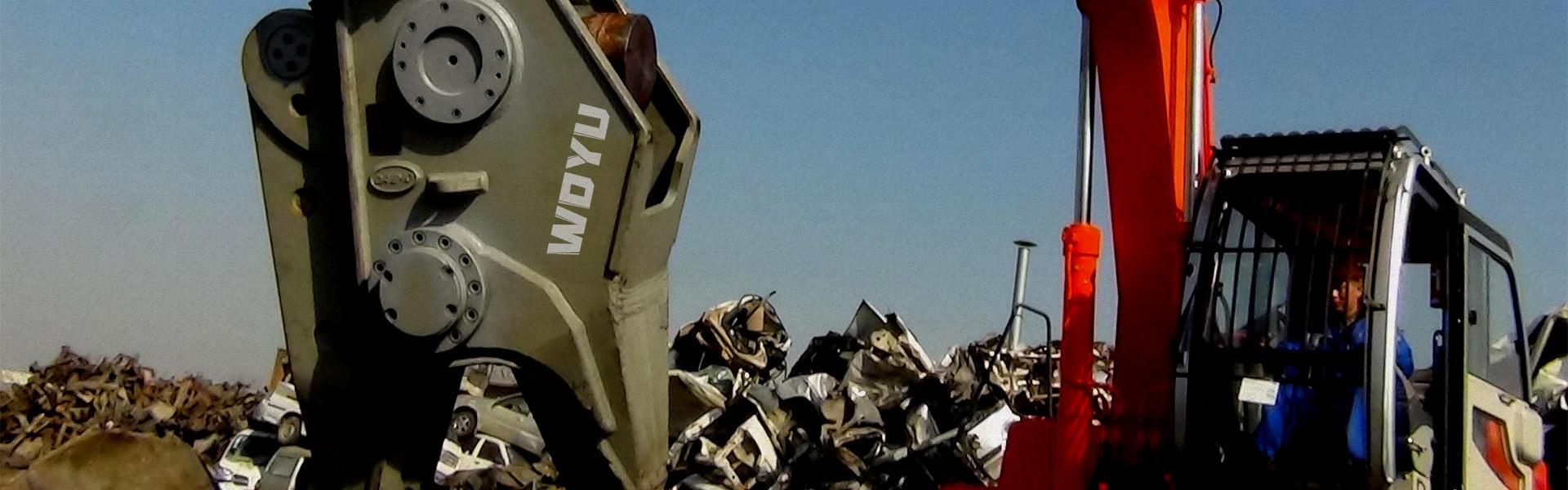
Woyu mechanical equipment
Various types of wood grabs (steel and stone), crushing pliers, double cylinder shears, hydraulic suction cups and other accessories
10
2023
-
12
The Ultimate Guide to Mechanical Disassembling Shears: Everything You Need to Know
Table of Contents:
1. Introduction to Mechanical Disassembling Shears
2. Components of Mechanical Disassembling Shears
3. Types of Mechanical Disassembling Shears
4. How to Choose the Right Mechanical Disassembling Shears
5. Proper Handling and Safety Measures
6. Maintenance and Troubleshooting Tips
7. Common Applications of Mechanical Disassembling Shears
8. Frequently Asked Questions (FAQs)
9. Conclusion
Mechanical disassembling shears are essential tools in the manufacturing and processing machinery industry. These powerful tools are designed to cut through various materials, providing precision and efficiency in disassembling tasks. Whether you are working with metal, plastic, or other materials, mechanical disassembling shears play a vital role in separating components and facilitating repairs or recycling processes.
Mechanical disassembling shears utilize a combination of cutting blades and powered mechanisms to efficiently cut through materials. The cutting blades, typically made of hardened steel, are designed to withstand high pressure and ensure clean and precise cuts. The powered mechanisms vary depending on the type of shears, ranging from mechanical leverage to hydraulic or pneumatic systems.
Mechanical disassembling shears offer numerous benefits in various industries, including:
- Time and Cost Efficiency: These shears enable quick and efficient disassembling processes, reducing labor costs and saving valuable time.
- Precision and Accuracy: With their high cutting force and precision-engineered blades, mechanical disassembling shears provide accurate cutting results, ensuring minimal material wastage.
- Versatility: Mechanical disassembling shears can handle a wide range of materials, including metals, plastics, and composite materials, making them suitable for diverse applications.
To understand the functionality of mechanical disassembling shears, it is important to familiarize yourself with their key components. These components work together to ensure smooth operation and optimal cutting performance.
The main frame serves as the foundation of the shears, providing stability and structural support. It is typically made of robust materials such as steel to withstand high forces during cutting.
The cutting blades are the heart of mechanical disassembling shears. They are designed to deliver precise and clean cuts by exerting immense force on the materials. The blades are often replaceable to maintain sharpness and cutting efficiency.
The power source of mechanical disassembling shears determines the type and force of the cutting action. It can be mechanical, hydraulic, or pneumatic, depending on the specific model and application requirements.
The control panel allows operators to control the shears' functions, such as activating the cutting blades and adjusting cutting force. It may include various controls, such as pressure gauges and safety features.
Mechanical disassembling shears come in various types, each designed for specific applications and materials. Understanding the different types will help you choose the right shears for your needs.
Guillotine shears are the most common type of mechanical disassembling shears. They feature a straight blade that moves vertically, cutting the material against a fixed blade. Guillotine shears are suitable for cutting thin to medium-thickness materials.
Alligator shears have a hinged jaw design, resembling an alligator's mouth. They are specifically designed for cutting metal materials, such as steel and copper. Alligator shears are commonly used in scrapyards and recycling facilities.
Rotary shears feature circular cutting blades that rotate in a circular motion. These shears are ideal for cutting through thick or solid materials, such as pipes or bars. Rotary shears provide precise and clean cuts, making them suitable for industrial applications.
Selecting the appropriate mechanical disassembling shears for your specific needs is crucial to ensure optimal performance and desired results. Consider the following factors when choosing:
Evaluate the type of material you will be working with and ensure the shears are designed to handle it. Different shears are tailored for specific materials, such as metals, plastics, or composites.
Determine the maximum thickness and size of the materials you will be cutting. Choose shears with a cutting capacity that meets your requirements.
Consider the power source available in your workspace. Choose between mechanical, hydraulic, or pneumatic shears based on the available resources and your preferences.
Ensure the shears have adequate safety features, such as emergency stop buttons and protective shields, to protect operators from potential hazards.
To ensure safe and efficient operation of mechanical disassembling shears, it is crucial to follow proper handling guidelines and adhere to safety measures. Always prioritize safety to prevent accidents and injuries.
Provide comprehensive training to operators on the correct operation, maintenance, and safety protocols of the shears. Ensure they are familiar with the control panel and emergency procedures.
Operators should always wear appropriate PPE, including safety glasses, gloves, and protective clothing, to protect themselves from potential hazards during cutting operations.
Regularly inspect the shears for any signs of wear, damage, or malfunction. Address any issues promptly to ensure optimal performance and prevent accidents.
Maintain a clean and organized working environment, free from clutter and obstacles. Ensure adequate lighting and ventilation for a safe and comfortable working environment.
Proper maintenance of mechanical disassembling shears is essential to prolong their lifespan and ensure consistent cutting performance. Follow these maintenance tips and address common issues with the shears:
Regularly lubricate the moving parts of the shears to minimize friction and ensure smooth operation. Use the recommended lubricants specified by the manufacturer.
Monitor the sharpness of the blades and sharpen them as needed. Dull blades can lead to inefficient cutting and can put excessive strain on the shears' components.
Address common issues, such as stuck materials or irregular cutting, by carefully inspecting the shears. Clean any debris or obstructions and ensure proper alignment of the cutting blades.
Mechanical disassembling shears find applications in various industries and tasks. Some common applications include:
Metal processing industries utilize mechanical disassembling shears to cut and separate metal components during fabrication, recycling, or repair processes.
Mechanical disassembling shears are used in the automotive industry for dismantling vehicles and separating various components for recycling or repair purposes.
In the construction industry, mechanical disassembling shears are employed for demolition and dismantling tasks, enabling efficient separation of materials for recycling.
Recycling facilities and waste management centers utilize mechanical disassembling shears to separate and process diverse materials, ensuring efficient recycling and waste disposal.
In conclusion, mechanical disassembling shears are invaluable tools in the manufacturing and processing machinery industry. With their ability to cut through various materials efficiently, they facilitate disassembling tasks, repairs, and recycling processes. By understanding the components, types, proper handling, and maintenance of these shears, you can ensure safe and optimal operation. Explore the various applications of mechanical disassembling shears and choose the right type for your specific needs. Remember to prioritize safety and adhere to the recommended guidelines to maximize productivity and achieve desirable outcomes.
1. Introduction to Mechanical Disassembling Shears
2. Components of Mechanical Disassembling Shears
3. Types of Mechanical Disassembling Shears
4. How to Choose the Right Mechanical Disassembling Shears
5. Proper Handling and Safety Measures
6. Maintenance and Troubleshooting Tips
7. Common Applications of Mechanical Disassembling Shears
8. Frequently Asked Questions (FAQs)
9. Conclusion
1. Introduction to Mechanical Disassembling Shears
Mechanical disassembling shears are essential tools in the manufacturing and processing machinery industry. These powerful tools are designed to cut through various materials, providing precision and efficiency in disassembling tasks. Whether you are working with metal, plastic, or other materials, mechanical disassembling shears play a vital role in separating components and facilitating repairs or recycling processes.
1.1 Understanding the Functionality of Mechanical Disassembling Shears
Mechanical disassembling shears utilize a combination of cutting blades and powered mechanisms to efficiently cut through materials. The cutting blades, typically made of hardened steel, are designed to withstand high pressure and ensure clean and precise cuts. The powered mechanisms vary depending on the type of shears, ranging from mechanical leverage to hydraulic or pneumatic systems.
1.2 Benefits of Mechanical Disassembling Shears
Mechanical disassembling shears offer numerous benefits in various industries, including:
- Time and Cost Efficiency: These shears enable quick and efficient disassembling processes, reducing labor costs and saving valuable time.
- Precision and Accuracy: With their high cutting force and precision-engineered blades, mechanical disassembling shears provide accurate cutting results, ensuring minimal material wastage.
- Versatility: Mechanical disassembling shears can handle a wide range of materials, including metals, plastics, and composite materials, making them suitable for diverse applications.
2. Components of Mechanical Disassembling Shears
To understand the functionality of mechanical disassembling shears, it is important to familiarize yourself with their key components. These components work together to ensure smooth operation and optimal cutting performance.
2.1 Main Frame
The main frame serves as the foundation of the shears, providing stability and structural support. It is typically made of robust materials such as steel to withstand high forces during cutting.
2.2 Cutting Blades
The cutting blades are the heart of mechanical disassembling shears. They are designed to deliver precise and clean cuts by exerting immense force on the materials. The blades are often replaceable to maintain sharpness and cutting efficiency.
2.3 Power Source
The power source of mechanical disassembling shears determines the type and force of the cutting action. It can be mechanical, hydraulic, or pneumatic, depending on the specific model and application requirements.
2.4 Control Panel
The control panel allows operators to control the shears' functions, such as activating the cutting blades and adjusting cutting force. It may include various controls, such as pressure gauges and safety features.
3. Types of Mechanical Disassembling Shears
Mechanical disassembling shears come in various types, each designed for specific applications and materials. Understanding the different types will help you choose the right shears for your needs.
3.1 Guillotine Shears
Guillotine shears are the most common type of mechanical disassembling shears. They feature a straight blade that moves vertically, cutting the material against a fixed blade. Guillotine shears are suitable for cutting thin to medium-thickness materials.
3.2 Alligator Shears
Alligator shears have a hinged jaw design, resembling an alligator's mouth. They are specifically designed for cutting metal materials, such as steel and copper. Alligator shears are commonly used in scrapyards and recycling facilities.
3.3 Rotary Shears
Rotary shears feature circular cutting blades that rotate in a circular motion. These shears are ideal for cutting through thick or solid materials, such as pipes or bars. Rotary shears provide precise and clean cuts, making them suitable for industrial applications.
4. How to Choose the Right Mechanical Disassembling Shears
Selecting the appropriate mechanical disassembling shears for your specific needs is crucial to ensure optimal performance and desired results. Consider the following factors when choosing:
4.1 Material Compatibility
Evaluate the type of material you will be working with and ensure the shears are designed to handle it. Different shears are tailored for specific materials, such as metals, plastics, or composites.
4.2 Cutting Capacity
Determine the maximum thickness and size of the materials you will be cutting. Choose shears with a cutting capacity that meets your requirements.
4.3 Power Source
Consider the power source available in your workspace. Choose between mechanical, hydraulic, or pneumatic shears based on the available resources and your preferences.
4.4 Safety Features
Ensure the shears have adequate safety features, such as emergency stop buttons and protective shields, to protect operators from potential hazards.
5. Proper Handling and Safety Measures
To ensure safe and efficient operation of mechanical disassembling shears, it is crucial to follow proper handling guidelines and adhere to safety measures. Always prioritize safety to prevent accidents and injuries.
5.1 Operator Training
Provide comprehensive training to operators on the correct operation, maintenance, and safety protocols of the shears. Ensure they are familiar with the control panel and emergency procedures.
5.2 Personal Protective Equipment (PPE)
Operators should always wear appropriate PPE, including safety glasses, gloves, and protective clothing, to protect themselves from potential hazards during cutting operations.
5.3 Regular Inspections
Regularly inspect the shears for any signs of wear, damage, or malfunction. Address any issues promptly to ensure optimal performance and prevent accidents.
5.4 Safe Working Environment
Maintain a clean and organized working environment, free from clutter and obstacles. Ensure adequate lighting and ventilation for a safe and comfortable working environment.
6. Maintenance and Troubleshooting Tips
Proper maintenance of mechanical disassembling shears is essential to prolong their lifespan and ensure consistent cutting performance. Follow these maintenance tips and address common issues with the shears:
6.1 Lubrication
Regularly lubricate the moving parts of the shears to minimize friction and ensure smooth operation. Use the recommended lubricants specified by the manufacturer.
6.2 Blade Sharpening
Monitor the sharpness of the blades and sharpen them as needed. Dull blades can lead to inefficient cutting and can put excessive strain on the shears' components.
6.3 Troubleshooting Common Issues
Address common issues, such as stuck materials or irregular cutting, by carefully inspecting the shears. Clean any debris or obstructions and ensure proper alignment of the cutting blades.
7. Common Applications of Mechanical Disassembling Shears
Mechanical disassembling shears find applications in various industries and tasks. Some common applications include:
7.1 Metal Processing
Metal processing industries utilize mechanical disassembling shears to cut and separate metal components during fabrication, recycling, or repair processes.
7.2 Automotive Industry
Mechanical disassembling shears are used in the automotive industry for dismantling vehicles and separating various components for recycling or repair purposes.
7.3 Construction Industry
In the construction industry, mechanical disassembling shears are employed for demolition and dismantling tasks, enabling efficient separation of materials for recycling.
7.4 Recycling and Waste Management
Recycling facilities and waste management centers utilize mechanical disassembling shears to separate and process diverse materials, ensuring efficient recycling and waste disposal.
8. Frequently Asked Questions (FAQs)
Q1: How often should I sharpen the cutting blades of mechanical disassembling shears?
Q2: Can I use mechanical disassembling shears to cut through concrete or stone materials?
Q3: What safety precautions should I follow when operating mechanical disassembling shears?
Q4: Can I use hydraulic shears if I don't have access to an external power source?
Q5: Are mechanical disassembling shears suitable for cutting delicate or fragile materials?
9. Conclusion
In conclusion, mechanical disassembling shears are invaluable tools in the manufacturing and processing machinery industry. With their ability to cut through various materials efficiently, they facilitate disassembling tasks, repairs, and recycling processes. By understanding the components, types, proper handling, and maintenance of these shears, you can ensure safe and optimal operation. Explore the various applications of mechanical disassembling shears and choose the right type for your specific needs. Remember to prioritize safety and adhere to the recommended guidelines to maximize productivity and achieve desirable outcomes.
Satisfied with the service

Product information and technical knowledge
Hebei Woyu