

-
-
ProductsOur products are used in mining, metallurgy, chemical industry, building materials, construction, railway, highway construction and other industries and departments. With superior cost performance, every user can buy more aff

-
CasesOur products are used in mining, metallurgy, chemical industry, building materials, construction, railway, highway construction and other industries and departments. With superior cost performance, every user can buy more aff
-


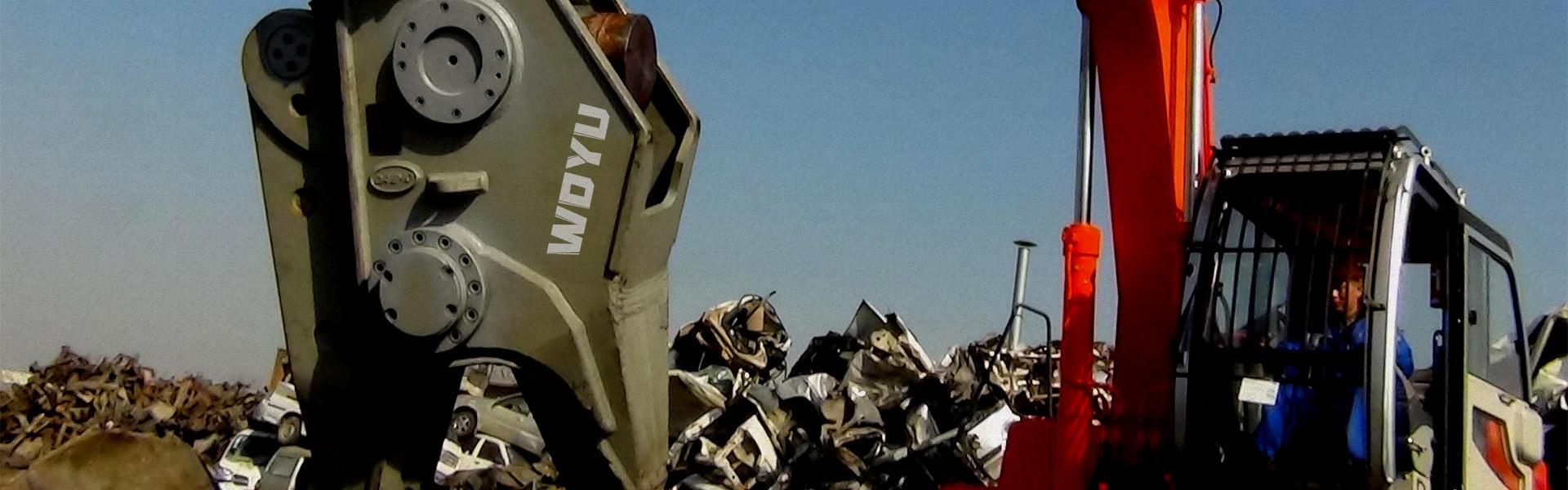
Woyu mechanical equipment
Various types of wood grabs (steel and stone), crushing pliers, double cylinder shears, hydraulic suction cups and other accessories
10
2023
-
12
Choosing the Right Hydraulic Crushing Pliers for Your Industrial Needs
Table of Contents:
1. Introduction
2. Understanding Hydraulic Crushing Pliers
3. Key Features to Look for
4. Types of Hydraulic Crushing Pliers
5. Factors to Consider When Choosing
6. Comparing Different Brands
7. FAQs about Hydraulic Crushing Pliers
8. Conclusion
When it comes to industrial needs, choosing the right hydraulic crushing pliers is crucial for efficient and safe operations. These powerful tools are designed to crush and cut various materials with ease. However, with numerous options available in the market, selecting the most suitable one can be overwhelming. In this guide, we will walk you through the essential factors to consider, the different types available, and how to compare various brands. Let's dive in!
Hydraulic crushing pliers, also known as hydraulic cutters or crushers, are hydraulic-powered tools used in various industries for cutting and crushing different materials. They are commonly used in construction, demolition, recycling, metal processing, and other heavy-duty applications. These tools provide high cutting force and precision, making them indispensable in many industrial settings.
To choose the right hydraulic crushing pliers, you need to consider several key features:
1. Cutting Capacity: Determine the maximum cutting diameter or thickness the pliers can handle to ensure it meets your specific needs.
2. Operating Pressure: Check the hydraulic pressure required for the pliers to function properly and ensure compatibility with your hydraulic system.
3. Cutting Force: Evaluate the force produced by the pliers to ensure it is sufficient for cutting through the materials you work with.
4. Jaw Opening: Consider the maximum jaw opening of the pliers to ensure it can accommodate the materials you need to cut or crush.
5. Weight and Size: Assess the weight and size of the pliers to ensure ease of handling and maneuverability in your workspace.
6. Durability: Look for pliers made from high-quality materials that can withstand heavy use and provide long-lasting performance.
7. Safety Features: Check for safety features such as overload protection and ergonomic design to ensure operator safety.
There are several types of hydraulic crushing pliers available, each designed for specific applications:
1. Universal Hydraulic Crushing Pliers: These versatile pliers are suitable for a wide range of materials and can handle various cutting and crushing tasks.
2. Concrete Hydraulic Crushing Pliers: Designed specifically for cutting and crushing concrete, these pliers have reinforced jaws and provide superior performance in concrete-related applications.
3. Metal Hydraulic Crushing Pliers: Ideal for cutting and crushing metal objects, these pliers are engineered to withstand the high forces involved in metalworking tasks.
4. Wire Rope Hydraulic Crushing Pliers: Specifically designed for cutting wire ropes and cables, these pliers offer precise cuts and excellent durability.
Consider the following factors when selecting hydraulic crushing pliers for your industrial needs:
1. Material Compatibility: Ensure the pliers are suitable for cutting or crushing the materials you commonly work with, such as concrete, metal, or wire ropes.
2. Application Requirements: Assess your specific application requirements, including the size and thickness of the materials, to determine the appropriate pliers.
3. Hydraulic System Compatibility: Check if the pliers are compatible with your existing hydraulic system in terms of pressure, flow rate, and fittings.
4. Mobility and Accessibility: Consider the space constraints and mobility requirements of your workspace to choose pliers that can easily maneuver and access tight areas.
5. Maintenance and Serviceability: Evaluate the ease of maintenance and availability of spare parts for the pliers to ensure long-term viability.
To make an informed decision, it is essential to compare different brands of hydraulic crushing pliers. Consider factors such as reputation, customer reviews, warranty, and after-sales support. Look for brands that have a proven track record in the industry and offer reliable and durable products. Additionally, consider the availability of spare parts and the brand's commitment to customer satisfaction.
FAQ 1: How do hydraulic crushing pliers work?
Answer: Hydraulic crushing pliers use hydraulic force to generate immense cutting power. The hydraulic system powers the jaws to exert pressure, allowing the pliers to cut or crush materials.
FAQ 2: What materials can hydraulic crushing pliers cut?
Answer: Hydraulic crushing pliers can cut various materials, including concrete, metal, wire ropes, and more. The compatibility depends on the specific type and model of the pliers.
FAQ 3: Can hydraulic crushing pliers be used in underwater applications?
Answer: Yes, some hydraulic crushing pliers are specially designed for underwater applications. These pliers are typically waterproof and corrosion-resistant.
FAQ 4: How often should hydraulic crushing pliers be serviced?
Answer: Regular maintenance is crucial to ensure optimal performance and longevity of hydraulic crushing pliers. Consult the manufacturer's guidelines for recommended service intervals.
FAQ 5: Can hydraulic crushing pliers be customized for specific needs?
Answer: Some manufacturers offer customization options for hydraulic crushing pliers. Contact the manufacturer directly to discuss your specific requirements.
Choosing the right hydraulic crushing pliers for your industrial needs is essential for achieving efficient and safe operations. Consider factors such as cutting capacity, operating pressure, cutting force, and durability when making your selection. Evaluate different types of pliers, compare various brands, and prioritize your specific application requirements. By following these guidelines, you can find hydraulic crushing pliers that perfectly match your industrial needs and outperform competitors in the market.
1. Introduction
2. Understanding Hydraulic Crushing Pliers
3. Key Features to Look for
4. Types of Hydraulic Crushing Pliers
5. Factors to Consider When Choosing
6. Comparing Different Brands
7. FAQs about Hydraulic Crushing Pliers
8. Conclusion
Introduction
When it comes to industrial needs, choosing the right hydraulic crushing pliers is crucial for efficient and safe operations. These powerful tools are designed to crush and cut various materials with ease. However, with numerous options available in the market, selecting the most suitable one can be overwhelming. In this guide, we will walk you through the essential factors to consider, the different types available, and how to compare various brands. Let's dive in!
Understanding Hydraulic Crushing Pliers
Hydraulic crushing pliers, also known as hydraulic cutters or crushers, are hydraulic-powered tools used in various industries for cutting and crushing different materials. They are commonly used in construction, demolition, recycling, metal processing, and other heavy-duty applications. These tools provide high cutting force and precision, making them indispensable in many industrial settings.
Key Features to Look for
To choose the right hydraulic crushing pliers, you need to consider several key features:
1. Cutting Capacity: Determine the maximum cutting diameter or thickness the pliers can handle to ensure it meets your specific needs.
2. Operating Pressure: Check the hydraulic pressure required for the pliers to function properly and ensure compatibility with your hydraulic system.
3. Cutting Force: Evaluate the force produced by the pliers to ensure it is sufficient for cutting through the materials you work with.
4. Jaw Opening: Consider the maximum jaw opening of the pliers to ensure it can accommodate the materials you need to cut or crush.
5. Weight and Size: Assess the weight and size of the pliers to ensure ease of handling and maneuverability in your workspace.
6. Durability: Look for pliers made from high-quality materials that can withstand heavy use and provide long-lasting performance.
7. Safety Features: Check for safety features such as overload protection and ergonomic design to ensure operator safety.
Types of Hydraulic Crushing Pliers
There are several types of hydraulic crushing pliers available, each designed for specific applications:
1. Universal Hydraulic Crushing Pliers: These versatile pliers are suitable for a wide range of materials and can handle various cutting and crushing tasks.
2. Concrete Hydraulic Crushing Pliers: Designed specifically for cutting and crushing concrete, these pliers have reinforced jaws and provide superior performance in concrete-related applications.
3. Metal Hydraulic Crushing Pliers: Ideal for cutting and crushing metal objects, these pliers are engineered to withstand the high forces involved in metalworking tasks.
4. Wire Rope Hydraulic Crushing Pliers: Specifically designed for cutting wire ropes and cables, these pliers offer precise cuts and excellent durability.
Factors to Consider When Choosing
Consider the following factors when selecting hydraulic crushing pliers for your industrial needs:
1. Material Compatibility: Ensure the pliers are suitable for cutting or crushing the materials you commonly work with, such as concrete, metal, or wire ropes.
2. Application Requirements: Assess your specific application requirements, including the size and thickness of the materials, to determine the appropriate pliers.
3. Hydraulic System Compatibility: Check if the pliers are compatible with your existing hydraulic system in terms of pressure, flow rate, and fittings.
4. Mobility and Accessibility: Consider the space constraints and mobility requirements of your workspace to choose pliers that can easily maneuver and access tight areas.
5. Maintenance and Serviceability: Evaluate the ease of maintenance and availability of spare parts for the pliers to ensure long-term viability.
Comparing Different Brands
To make an informed decision, it is essential to compare different brands of hydraulic crushing pliers. Consider factors such as reputation, customer reviews, warranty, and after-sales support. Look for brands that have a proven track record in the industry and offer reliable and durable products. Additionally, consider the availability of spare parts and the brand's commitment to customer satisfaction.
FAQs about Hydraulic Crushing Pliers
FAQ 1: How do hydraulic crushing pliers work?
Answer: Hydraulic crushing pliers use hydraulic force to generate immense cutting power. The hydraulic system powers the jaws to exert pressure, allowing the pliers to cut or crush materials.
FAQ 2: What materials can hydraulic crushing pliers cut?
Answer: Hydraulic crushing pliers can cut various materials, including concrete, metal, wire ropes, and more. The compatibility depends on the specific type and model of the pliers.
FAQ 3: Can hydraulic crushing pliers be used in underwater applications?
Answer: Yes, some hydraulic crushing pliers are specially designed for underwater applications. These pliers are typically waterproof and corrosion-resistant.
FAQ 4: How often should hydraulic crushing pliers be serviced?
Answer: Regular maintenance is crucial to ensure optimal performance and longevity of hydraulic crushing pliers. Consult the manufacturer's guidelines for recommended service intervals.
FAQ 5: Can hydraulic crushing pliers be customized for specific needs?
Answer: Some manufacturers offer customization options for hydraulic crushing pliers. Contact the manufacturer directly to discuss your specific requirements.
Conclusion
Choosing the right hydraulic crushing pliers for your industrial needs is essential for achieving efficient and safe operations. Consider factors such as cutting capacity, operating pressure, cutting force, and durability when making your selection. Evaluate different types of pliers, compare various brands, and prioritize your specific application requirements. By following these guidelines, you can find hydraulic crushing pliers that perfectly match your industrial needs and outperform competitors in the market.
Satisfied with the service

Product information and technical knowledge
Hebei Woyu