

-
-
ProductsOur products are used in mining, metallurgy, chemical industry, building materials, construction, railway, highway construction and other industries and departments. With superior cost performance, every user can buy more aff

-
CasesOur products are used in mining, metallurgy, chemical industry, building materials, construction, railway, highway construction and other industries and departments. With superior cost performance, every user can buy more aff
-


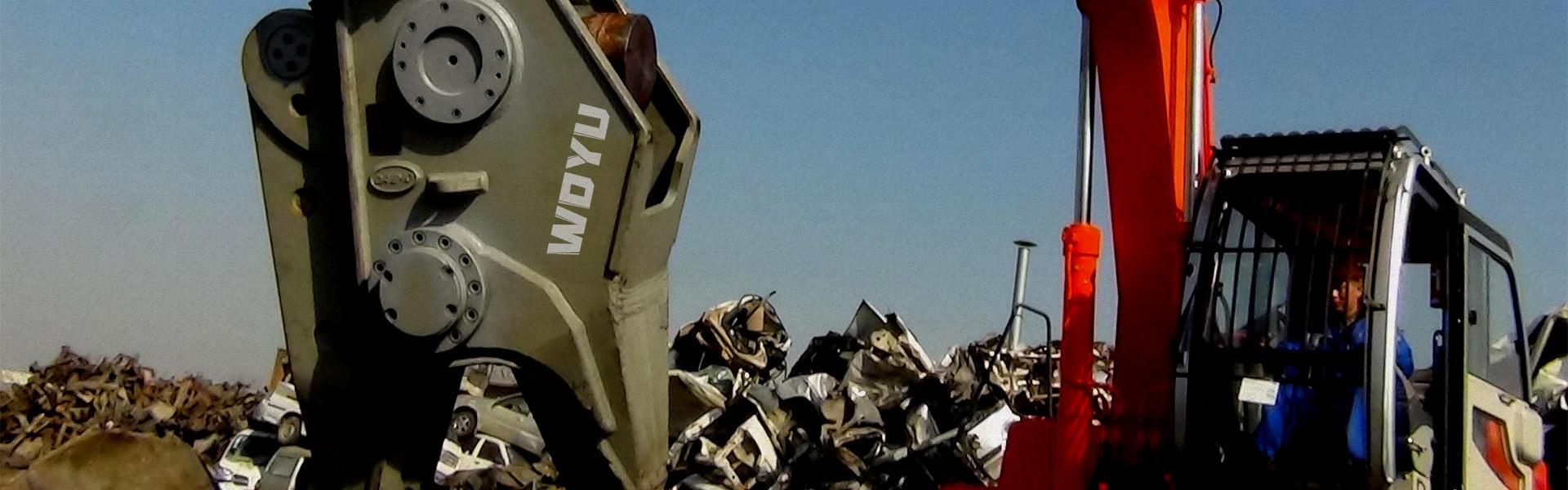
Woyu mechanical equipment
Various types of wood grabs (steel and stone), crushing pliers, double cylinder shears, hydraulic suction cups and other accessories
09
2023
-
12
Exploring the Versatility of Hydraulic Crushing Pliers in Construction Projects
Table of Contents:
1. Introduction: Unleashing the Power of Hydraulic Crushing Pliers
2. Understanding the Mechanism: How Hydraulic Crushing Pliers Work
3. The Key Features: Versatility at Its Best
4. Applications in Demolition: Breaking Barriers with Ease
5. Excavation and Construction: Shaping the Project Landscape
6. Utility in Metal Recycling: Efficiently Processing Scrap
7. Safety and Efficiency: Benefits of Hydraulic Crushing Pliers
8. Frequently Asked Questions (FAQs)
- FAQ 1: What are the primary components of hydraulic crushing pliers?
- FAQ 2: Can hydraulic crushing pliers handle different types of materials?
- FAQ 3: How do these tools enhance safety on construction sites?
- FAQ 4: Are there any limitations to using hydraulic crushing pliers?
- FAQ 5: What maintenance practices should be followed for optimal performance?
9. Conclusion: Embrace the Versatility of Hydraulic Crushing Pliers in Construction
In the fast-paced world of construction, having the right tools can make all the difference. Hydraulic crushing pliers, also known as hydraulic shears or crushers, have emerged as a game-changer in the industry. These robust tools are designed to handle a wide range of tasks in construction projects, from demolition to excavation and metal recycling. Let's explore how hydraulic crushing pliers bring versatility and efficiency to the table.
Hydraulic crushing pliers operate on a simple yet effective mechanism. Powered by hydraulic fluid pressure, these pliers exert tremendous force to crush, cut, or break through various materials. The primary components include a hydraulic cylinder, jaws, and a hydraulic pump. As the hydraulic fluid flows into the cylinder, it activates the jaws, enabling them to exert immense pressure on the target material. The controlled hydraulic power allows for precise operation and enhances safety on construction sites.
One of the standout features of hydraulic crushing pliers is their versatility. These tools can handle diverse materials, including concrete, steel, rocks, and even tangled metal wires. With interchangeable jaws, they can adapt to different job requirements, whether it's demolition, cutting, or crushing. The ability to switch between various jaw configurations ensures maximum efficiency, reducing the need for multiple tools on-site.
Hydraulic crushing pliers excel in demolition projects, where precision and power are essential. Whether it's tearing down a concrete structure or dismantling steel components, these pliers make the process quicker and safer. The ability to crush and cut through reinforced concrete, beams, and columns allows for efficient dismantling, minimizing manual labor and reducing project timelines.
When it comes to excavation and construction, hydraulic crushing pliers offer remarkable versatility. They can be used for tasks such as removing concrete foundations, cutting through rebar, or even shaping rocks and boulders. The ability to work in confined spaces and adapt to different angles makes them invaluable in various construction scenarios. With hydraulic crushing pliers, projects can progress smoothly, ensuring efficient utilization of resources.
Metal recycling is a crucial aspect of sustainable construction practices. Hydraulic crushing pliers play a significant role in this domain by processing scrap metal efficiently. These tools can easily crush and cut through metal objects, such as pipes, beams, and wires, making them more manageable for recycling purposes. By reducing the size and separating different materials, hydraulic crushing pliers contribute to the recycling industry's circular economy.
Hydraulic crushing pliers prioritize safety and efficiency on construction sites. Their precise control and powerful crushing force minimize the risk of accidents and injuries caused by manual tools. Additionally, the ability to tackle multiple tasks with a single tool streamlines operations and saves valuable time, enhancing overall project efficiency.
Hydraulic crushing pliers consist of a hydraulic cylinder, jaws, and a hydraulic pump. These components work together to execute various crushing and cutting tasks.
Absolutely! Hydraulic crushing pliers are designed to handle a wide range of materials, including concrete, steel, rocks, and metal wires.
Hydraulic crushing pliers offer controlled and precise operation, minimizing the risk of accidents and injuries. Their powerful force eliminates the need for manual labor-intensive tasks, reducing potential hazards.
While hydraulic crushing pliers are versatile, it is important to consider the specific requirements of each task. Size limitations, compatibility, and access to the work area are factors that need to be considered before utilizing these tools.
Regular inspection, lubrication, and adherence to manufacturer guidelines are essential for maintaining optimal performance. It is important to keep the hydraulic system clean and ensure the jaws are in good condition.
Hydraulic crushing pliers have revolutionized the construction industry by offering unparalleled versatility and efficiency. With their ability to crush, cut, and break through various materials, these tools have become indispensable in demolition, excavation, and metal recycling projects. By streamlining operations and enhancing safety, hydraulic crushing pliers empower construction professionals to tackle complex tasks with ease. Embrace the power of these tools and unlock new possibilities in your construction projects.
1. Introduction: Unleashing the Power of Hydraulic Crushing Pliers
2. Understanding the Mechanism: How Hydraulic Crushing Pliers Work
3. The Key Features: Versatility at Its Best
4. Applications in Demolition: Breaking Barriers with Ease
5. Excavation and Construction: Shaping the Project Landscape
6. Utility in Metal Recycling: Efficiently Processing Scrap
7. Safety and Efficiency: Benefits of Hydraulic Crushing Pliers
8. Frequently Asked Questions (FAQs)
- FAQ 1: What are the primary components of hydraulic crushing pliers?
- FAQ 2: Can hydraulic crushing pliers handle different types of materials?
- FAQ 3: How do these tools enhance safety on construction sites?
- FAQ 4: Are there any limitations to using hydraulic crushing pliers?
- FAQ 5: What maintenance practices should be followed for optimal performance?
9. Conclusion: Embrace the Versatility of Hydraulic Crushing Pliers in Construction
1. Introduction: Unleashing the Power of Hydraulic Crushing Pliers
In the fast-paced world of construction, having the right tools can make all the difference. Hydraulic crushing pliers, also known as hydraulic shears or crushers, have emerged as a game-changer in the industry. These robust tools are designed to handle a wide range of tasks in construction projects, from demolition to excavation and metal recycling. Let's explore how hydraulic crushing pliers bring versatility and efficiency to the table.
2. Understanding the Mechanism: How Hydraulic Crushing Pliers Work
Hydraulic crushing pliers operate on a simple yet effective mechanism. Powered by hydraulic fluid pressure, these pliers exert tremendous force to crush, cut, or break through various materials. The primary components include a hydraulic cylinder, jaws, and a hydraulic pump. As the hydraulic fluid flows into the cylinder, it activates the jaws, enabling them to exert immense pressure on the target material. The controlled hydraulic power allows for precise operation and enhances safety on construction sites.
3. The Key Features: Versatility at Its Best
One of the standout features of hydraulic crushing pliers is their versatility. These tools can handle diverse materials, including concrete, steel, rocks, and even tangled metal wires. With interchangeable jaws, they can adapt to different job requirements, whether it's demolition, cutting, or crushing. The ability to switch between various jaw configurations ensures maximum efficiency, reducing the need for multiple tools on-site.
4. Applications in Demolition: Breaking Barriers with Ease
Hydraulic crushing pliers excel in demolition projects, where precision and power are essential. Whether it's tearing down a concrete structure or dismantling steel components, these pliers make the process quicker and safer. The ability to crush and cut through reinforced concrete, beams, and columns allows for efficient dismantling, minimizing manual labor and reducing project timelines.
5. Excavation and Construction: Shaping the Project Landscape
When it comes to excavation and construction, hydraulic crushing pliers offer remarkable versatility. They can be used for tasks such as removing concrete foundations, cutting through rebar, or even shaping rocks and boulders. The ability to work in confined spaces and adapt to different angles makes them invaluable in various construction scenarios. With hydraulic crushing pliers, projects can progress smoothly, ensuring efficient utilization of resources.
6. Utility in Metal Recycling: Efficiently Processing Scrap
Metal recycling is a crucial aspect of sustainable construction practices. Hydraulic crushing pliers play a significant role in this domain by processing scrap metal efficiently. These tools can easily crush and cut through metal objects, such as pipes, beams, and wires, making them more manageable for recycling purposes. By reducing the size and separating different materials, hydraulic crushing pliers contribute to the recycling industry's circular economy.
7. Safety and Efficiency: Benefits of Hydraulic Crushing Pliers
Hydraulic crushing pliers prioritize safety and efficiency on construction sites. Their precise control and powerful crushing force minimize the risk of accidents and injuries caused by manual tools. Additionally, the ability to tackle multiple tasks with a single tool streamlines operations and saves valuable time, enhancing overall project efficiency.
8. Frequently Asked Questions (FAQs)
FAQ 1: What are the primary components of hydraulic crushing pliers?
Hydraulic crushing pliers consist of a hydraulic cylinder, jaws, and a hydraulic pump. These components work together to execute various crushing and cutting tasks.
FAQ 2: Can hydraulic crushing pliers handle different types of materials?
Absolutely! Hydraulic crushing pliers are designed to handle a wide range of materials, including concrete, steel, rocks, and metal wires.
FAQ 3: How do these tools enhance safety on construction sites?
Hydraulic crushing pliers offer controlled and precise operation, minimizing the risk of accidents and injuries. Their powerful force eliminates the need for manual labor-intensive tasks, reducing potential hazards.
FAQ 4: Are there any limitations to using hydraulic crushing pliers?
While hydraulic crushing pliers are versatile, it is important to consider the specific requirements of each task. Size limitations, compatibility, and access to the work area are factors that need to be considered before utilizing these tools.
FAQ 5: What maintenance practices should be followed for optimal performance?
Regular inspection, lubrication, and adherence to manufacturer guidelines are essential for maintaining optimal performance. It is important to keep the hydraulic system clean and ensure the jaws are in good condition.
9. Conclusion: Embrace the Versatility of Hydraulic Crushing Pliers in Construction
Hydraulic crushing pliers have revolutionized the construction industry by offering unparalleled versatility and efficiency. With their ability to crush, cut, and break through various materials, these tools have become indispensable in demolition, excavation, and metal recycling projects. By streamlining operations and enhancing safety, hydraulic crushing pliers empower construction professionals to tackle complex tasks with ease. Embrace the power of these tools and unlock new possibilities in your construction projects.
Satisfied with the service

Product information and technical knowledge
Hebei Woyu